
What Types of Vehicles Are Typically Used for Chauffeur Services in NYC?
Choosing the Perfect Luxury Vehicle for Every Occasion
Discover the wide range of premium vehicles commonly used for chauffeur services in NYC. From executive sedans and luxury SUVs to stretch limousines and Mercedes Sprinter vans, learn which option best suits airport transfers, corporate meetings, weddings, proms, and special events. Travel in comfort, safety, and style with the right vehicle for your needs.

What Types of Vehicles Are Typically Used for Chauffeur Services in NYC?
Explore the most popular vehicles used for chauffeur services in NYC. discover luxury sedans, SUVs, stretch limousines, and executive vans. learn which vehicle fits airport transfers, corporate travel, or special events. choose the perfect ride for comfort, style, and professionalism.
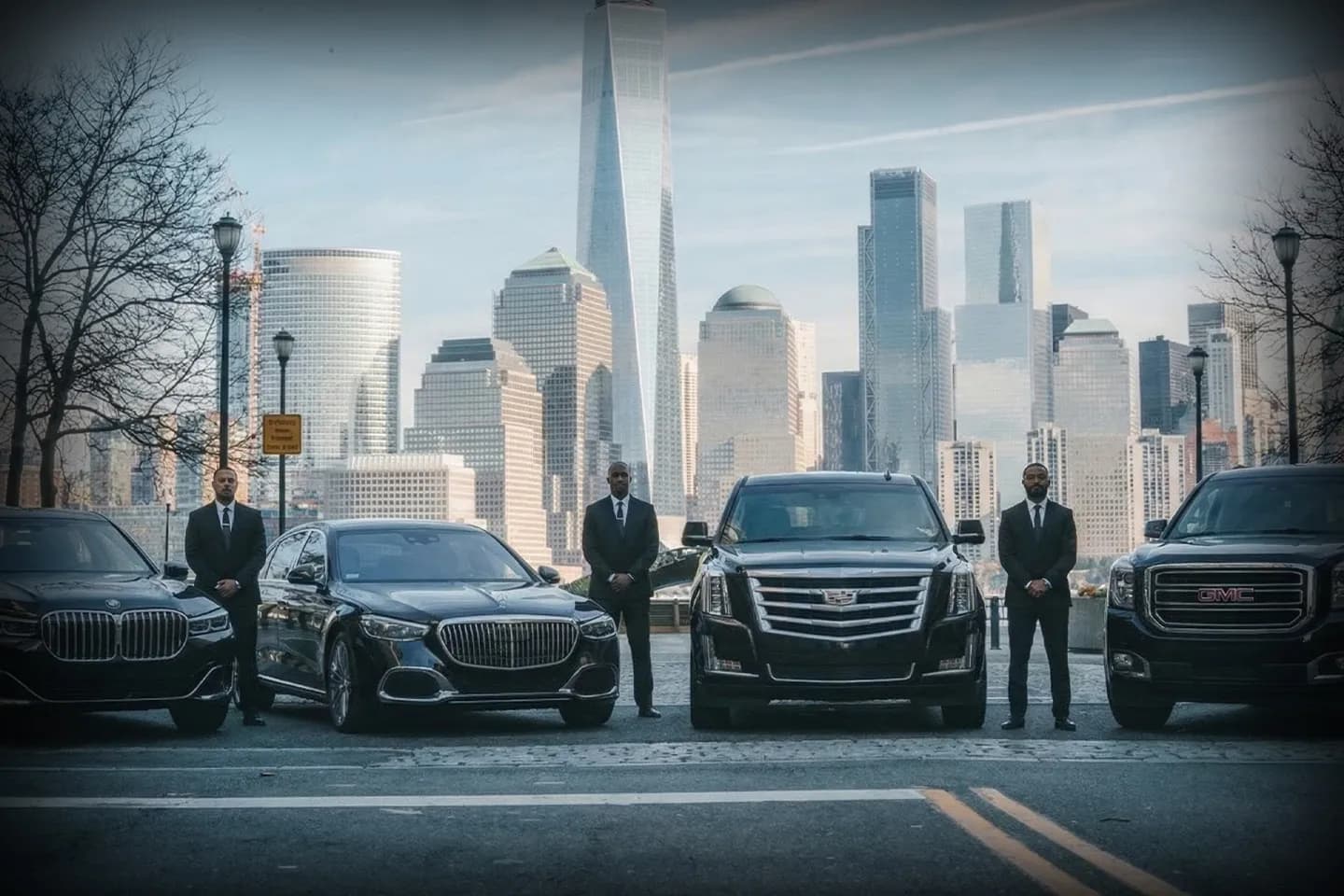
If you need a chauffeur in New York City, the vehicle you pick changes more than the ride, it changes how the trip feels, how much luggage you bring, and whether you can work en route.
This guide by Union Limousine will walks you through the common vehicle types you’ll see in NYC, why each one matters, and quick scenarios that make the choice obvious.
The regulatory backdrop (short)
Chauffeur and for-hire vehicles in NYC operate under rules set by the Taxi and Limousine Commission (TLC). The TLC defines classes of for-hire service and issues livery and base licenses that affect which vehicles can run scheduled trips versus street hails. If a car service is licensed and insured, that usually means it meets minimum safety and documentation requirements.
What you’ll find in most fleets
Fleets in NYC commonly include these vehicle types:
-
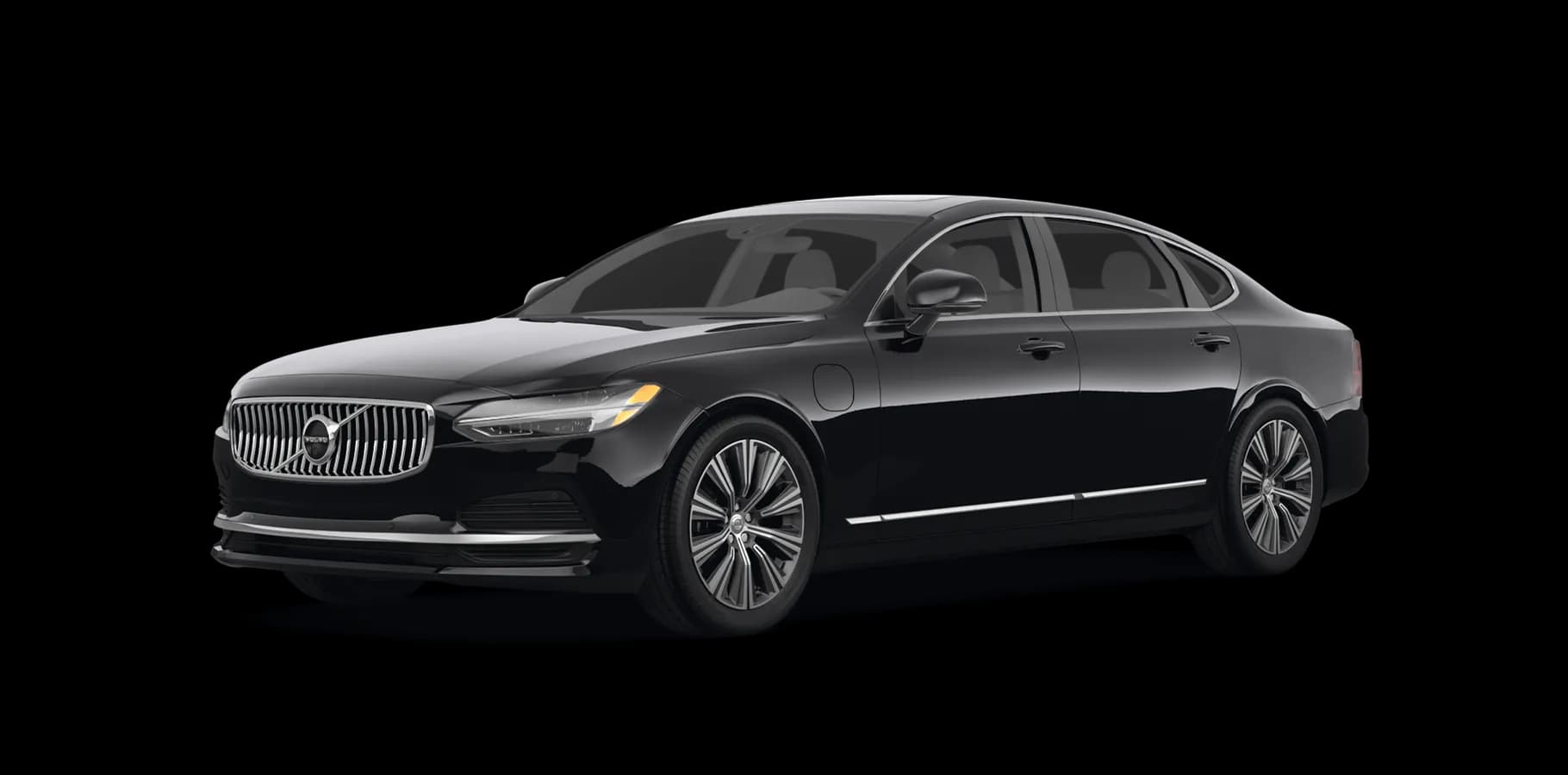
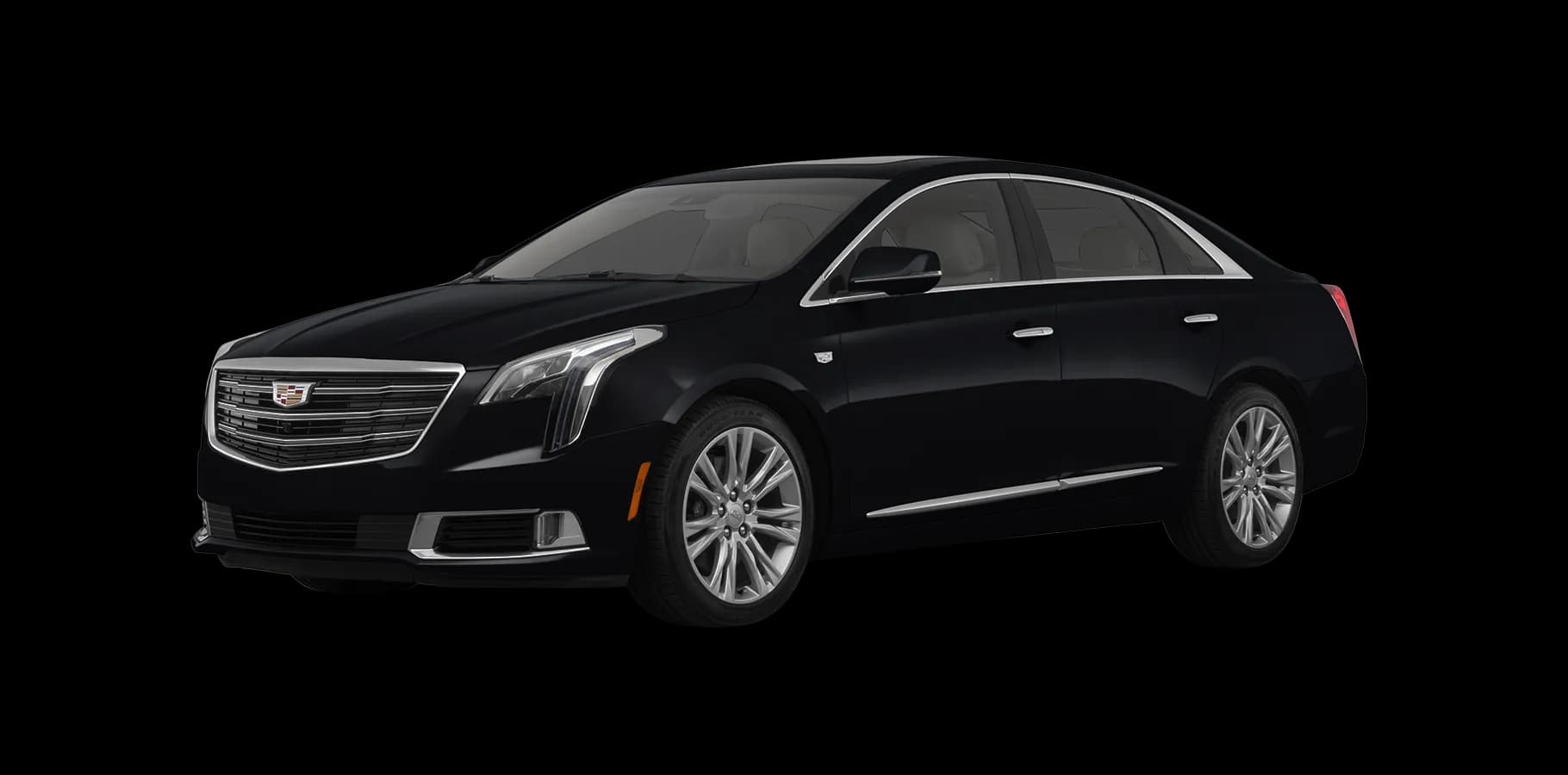
Luxury sedans (executive, full-size): quiet cabins, roomy rear seats, good for solo executives or pairs.
-
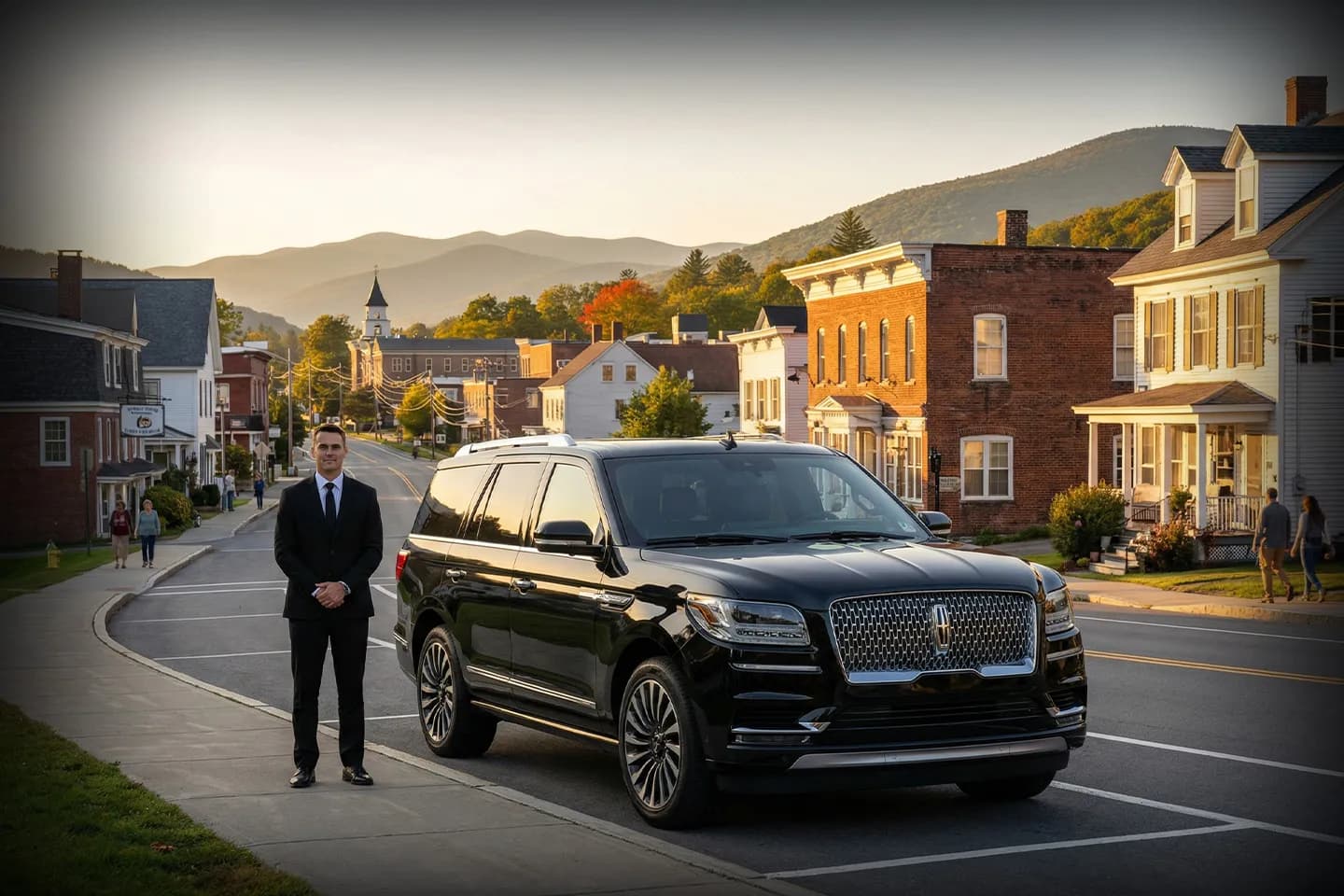
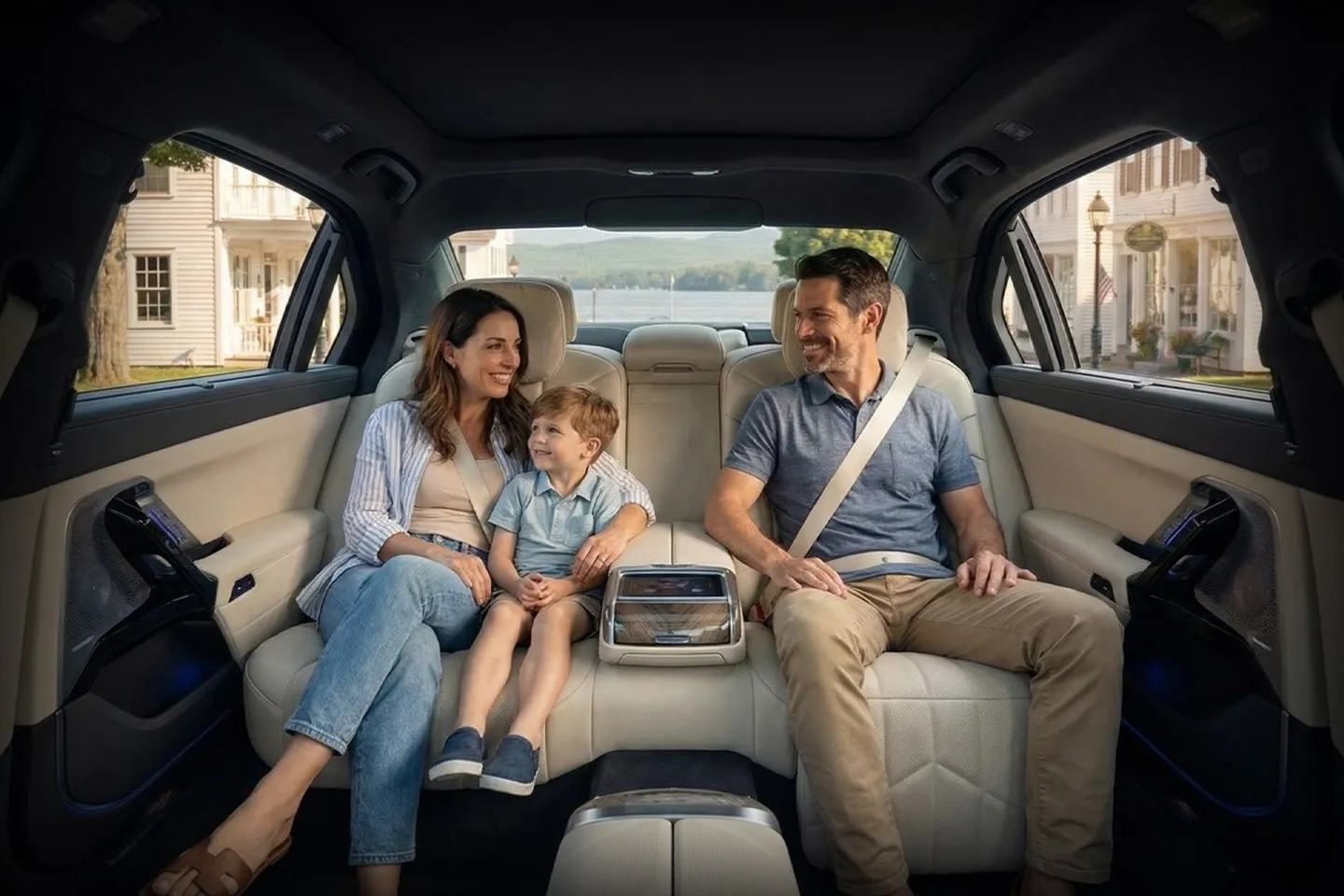
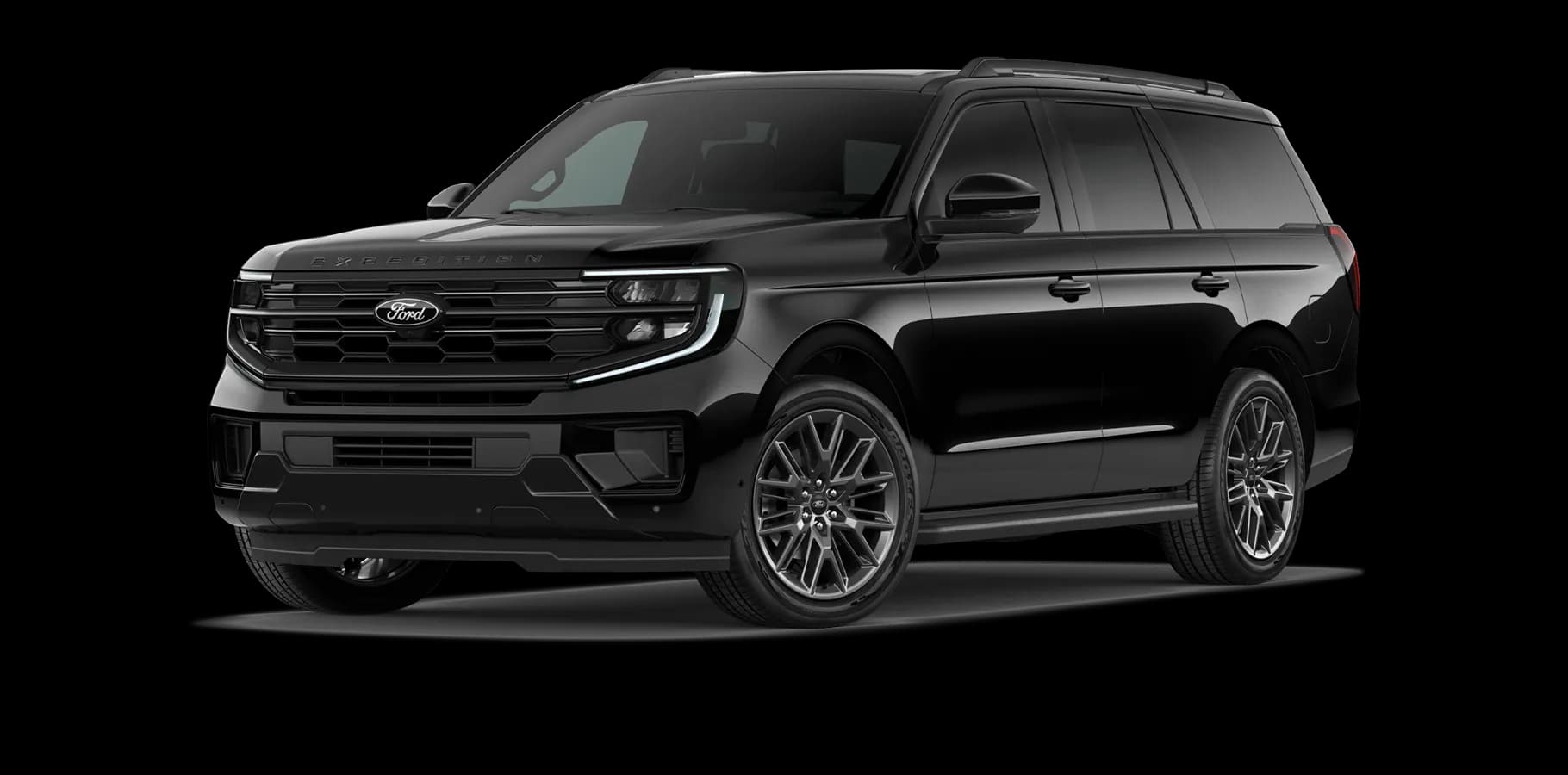
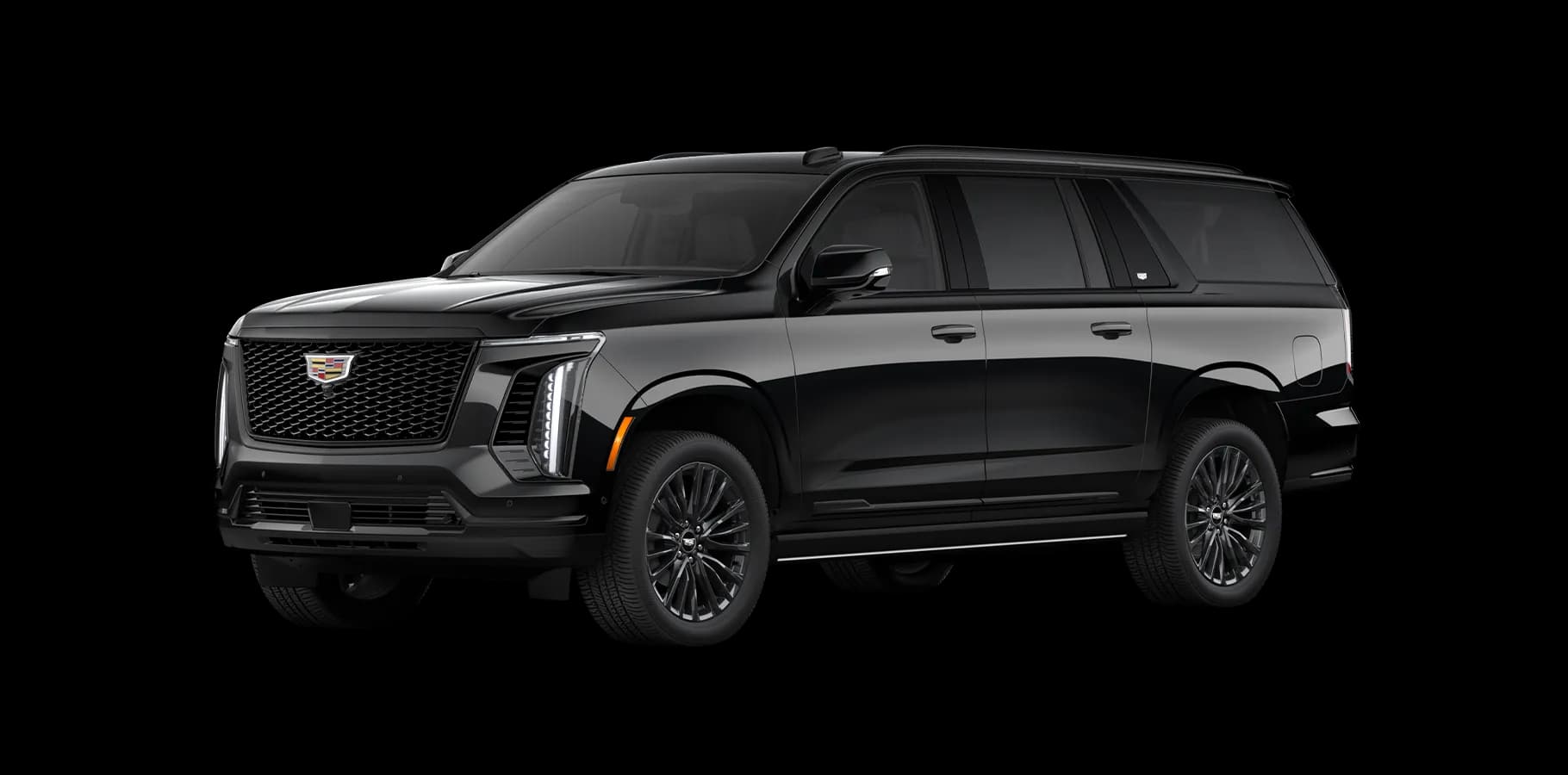
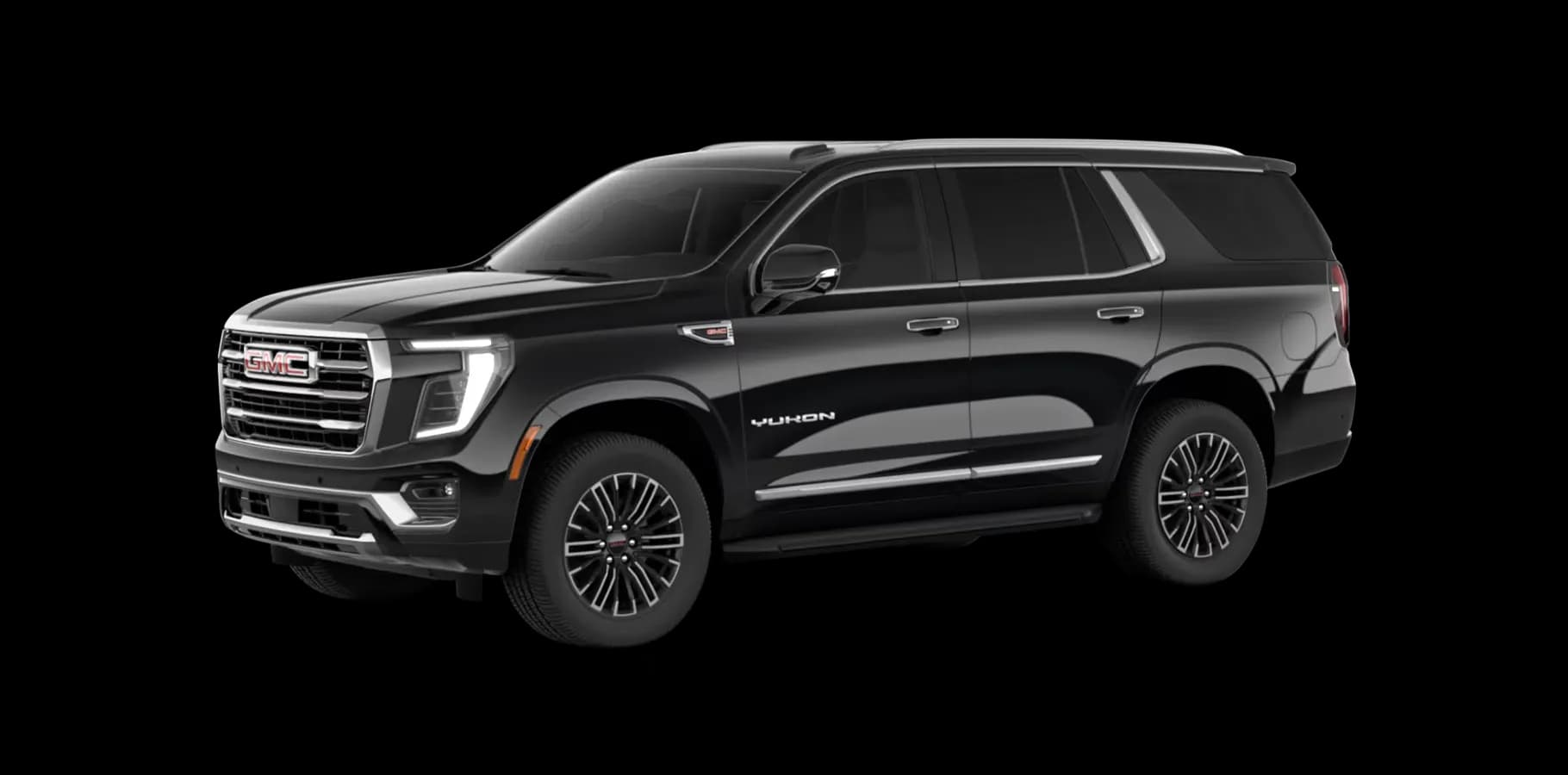
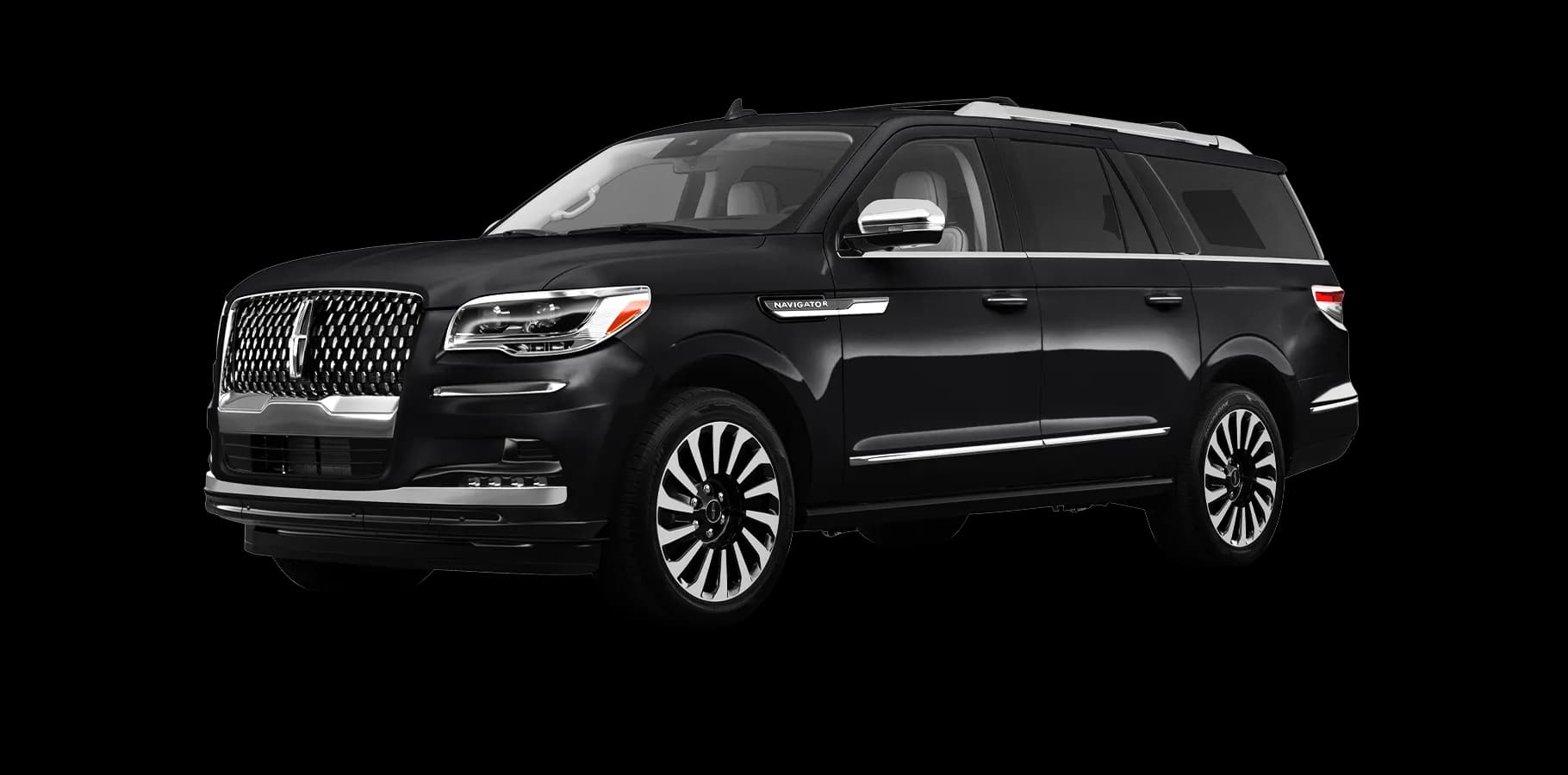
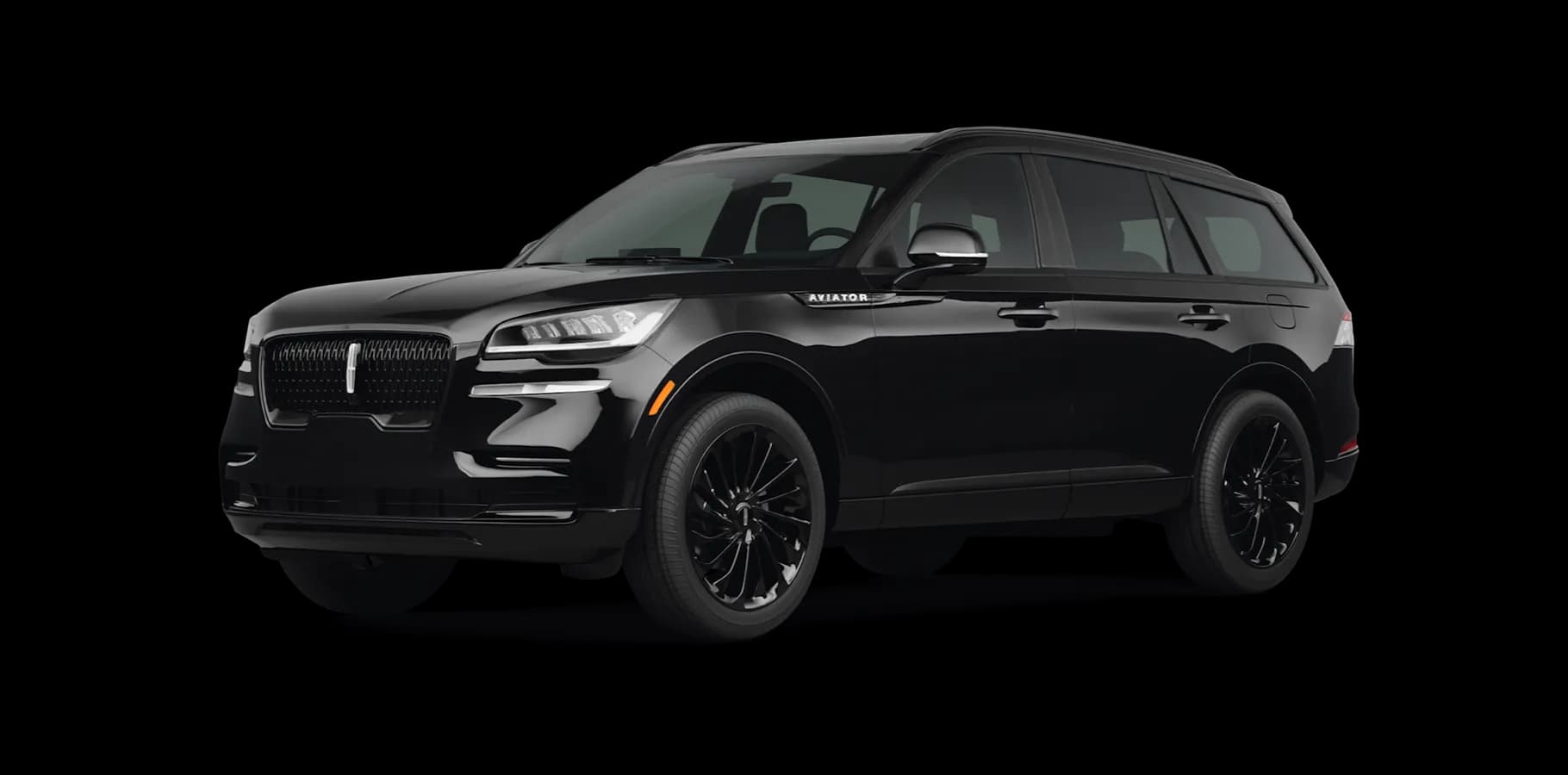
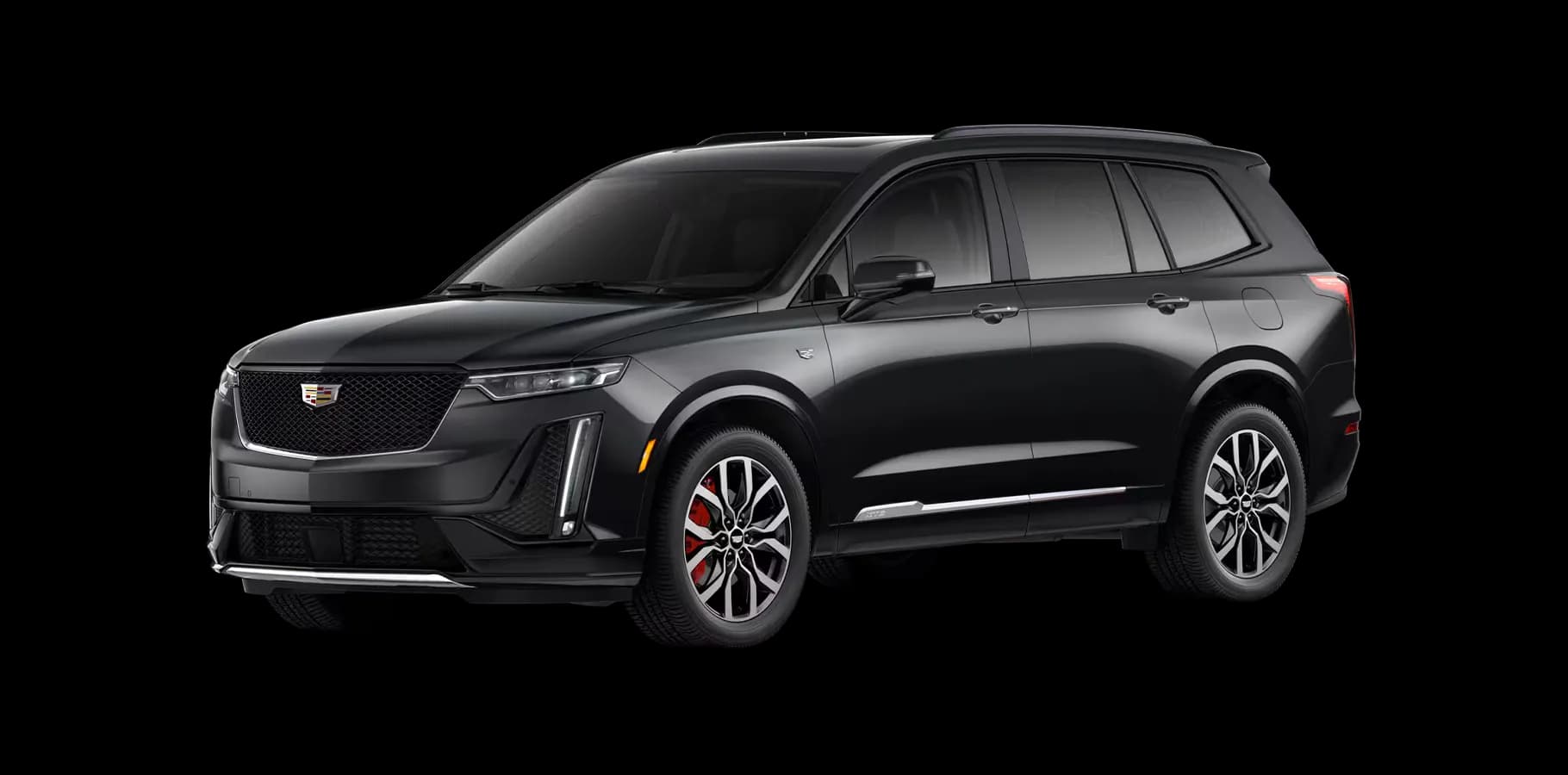
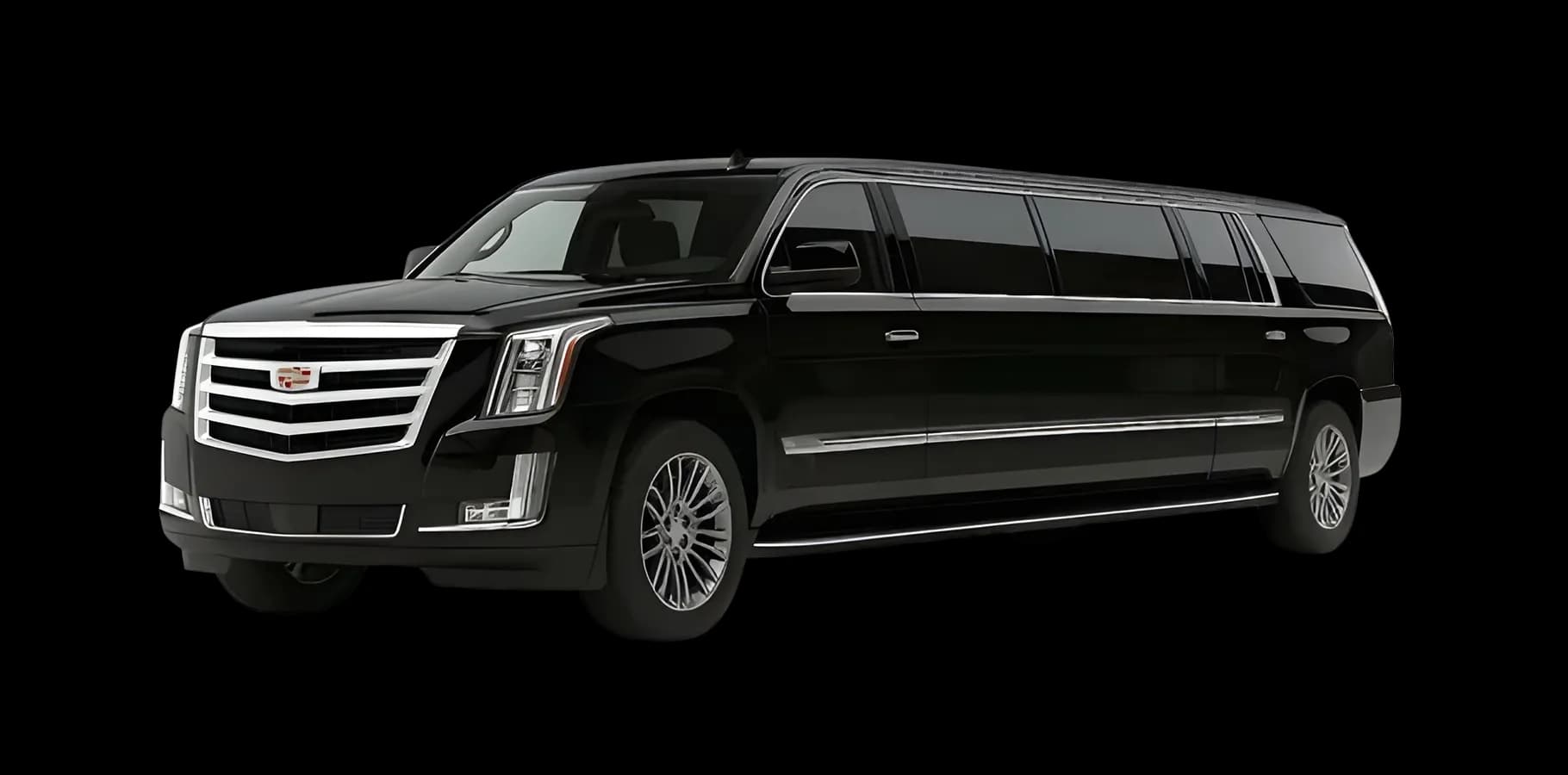
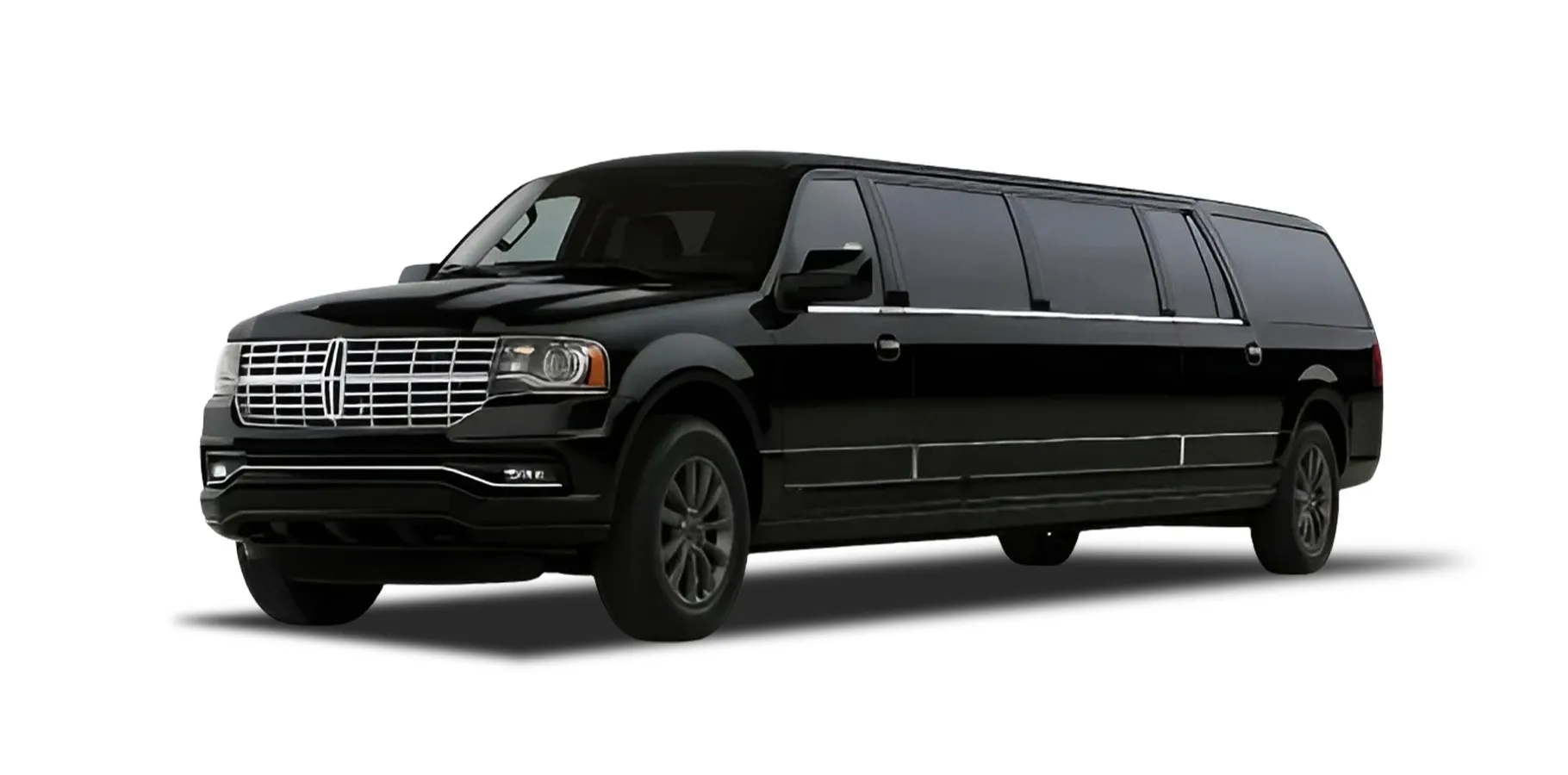
Luxury SUVs: more space for passengers and bags; common for families or small groups.
-
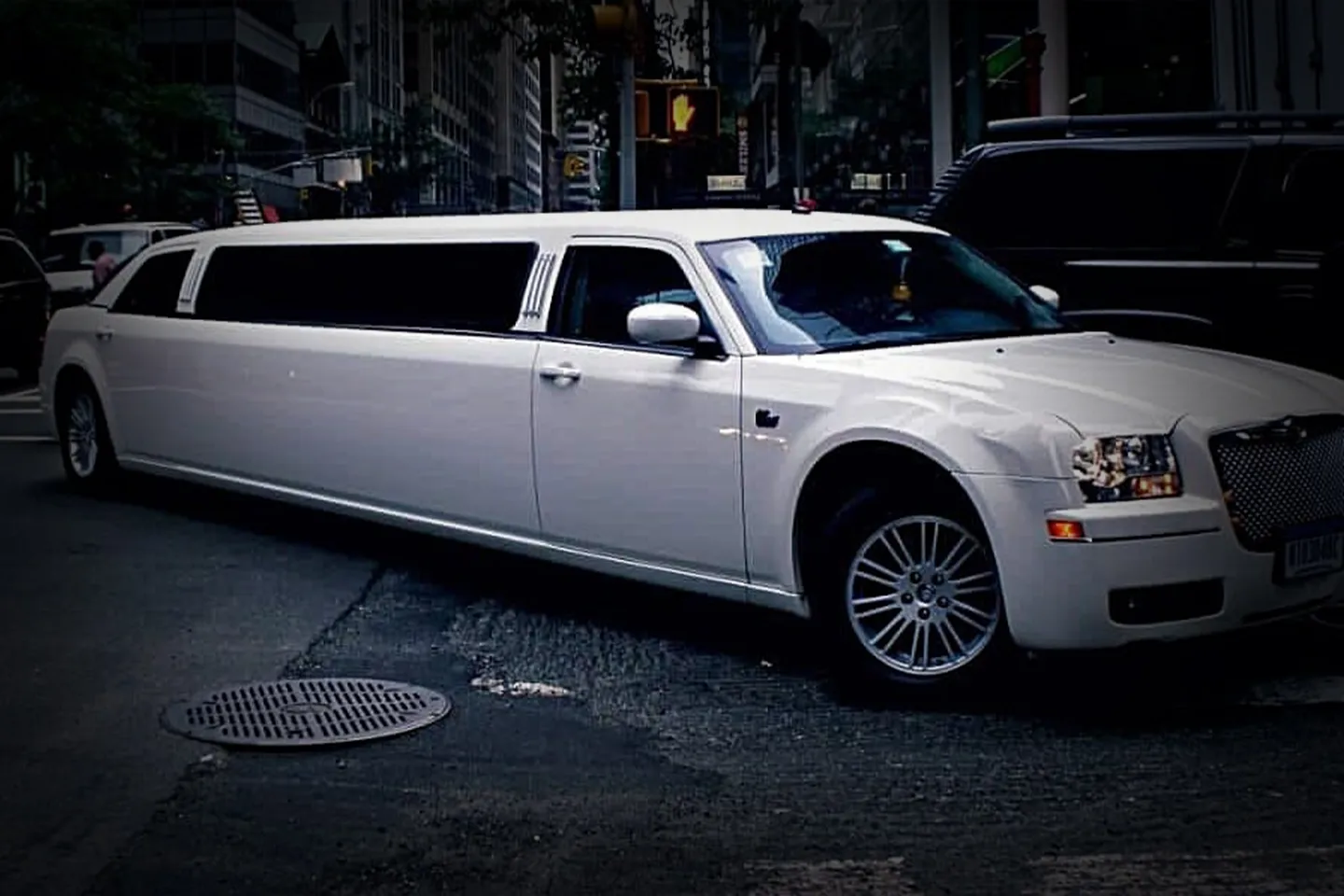
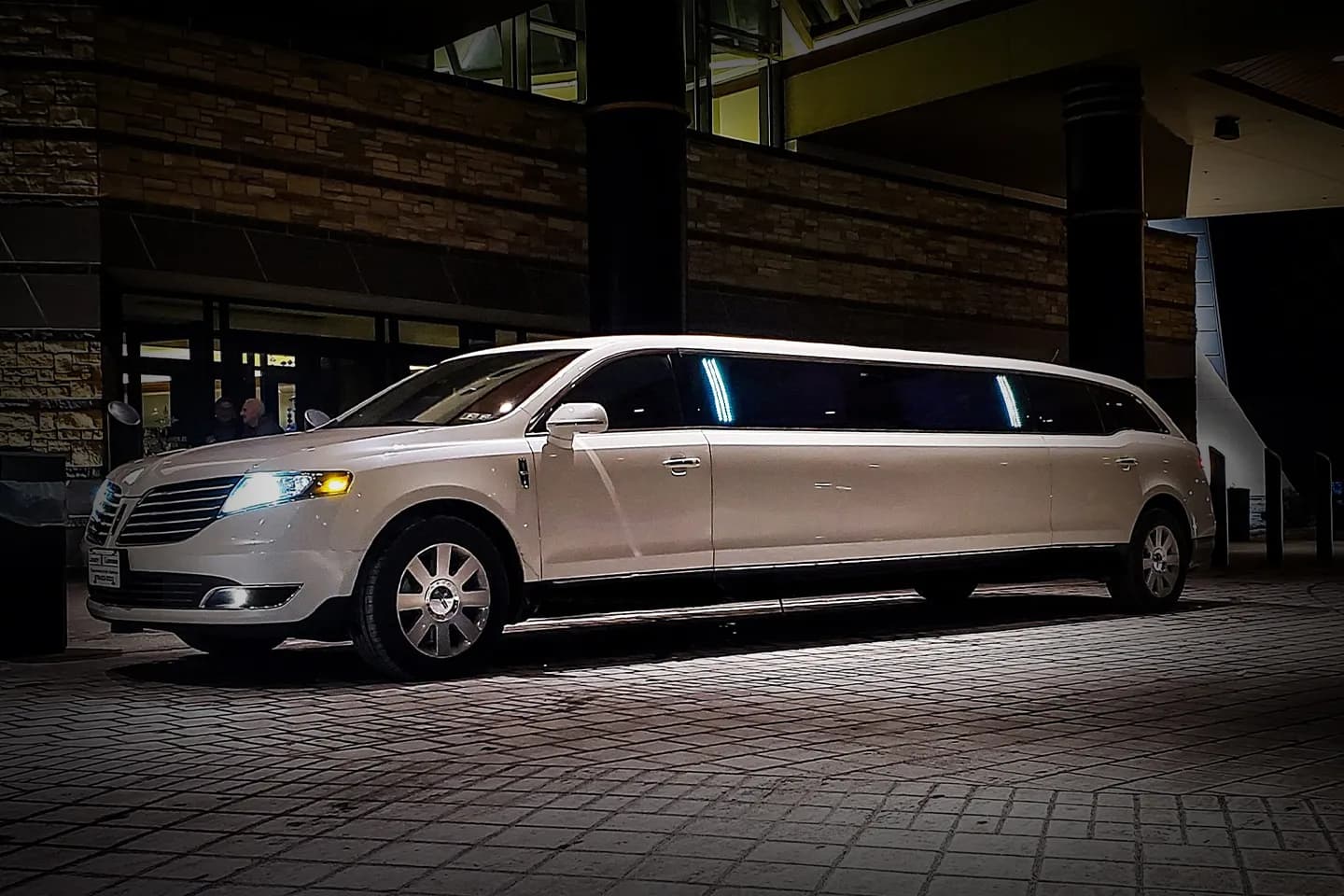
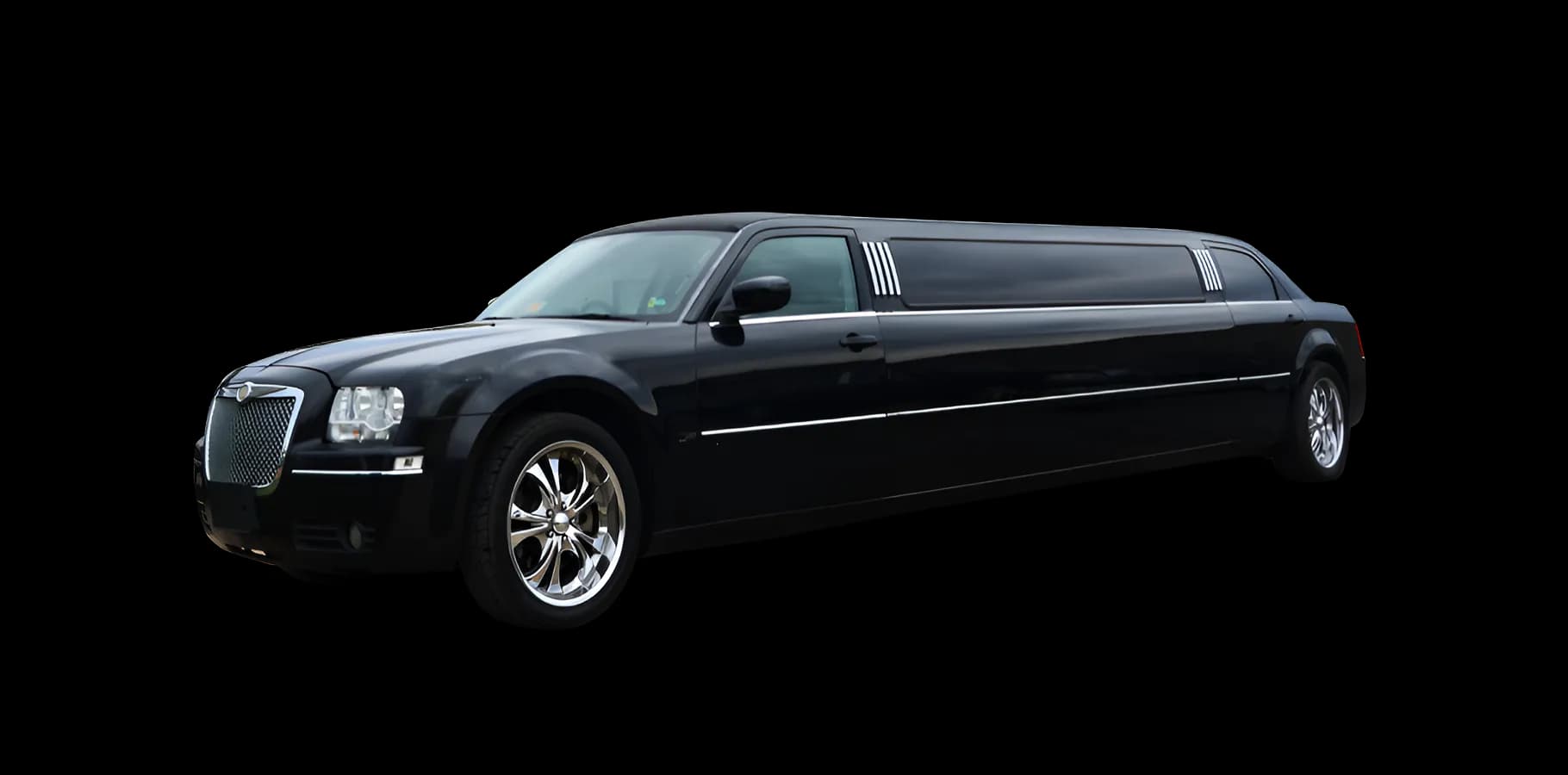
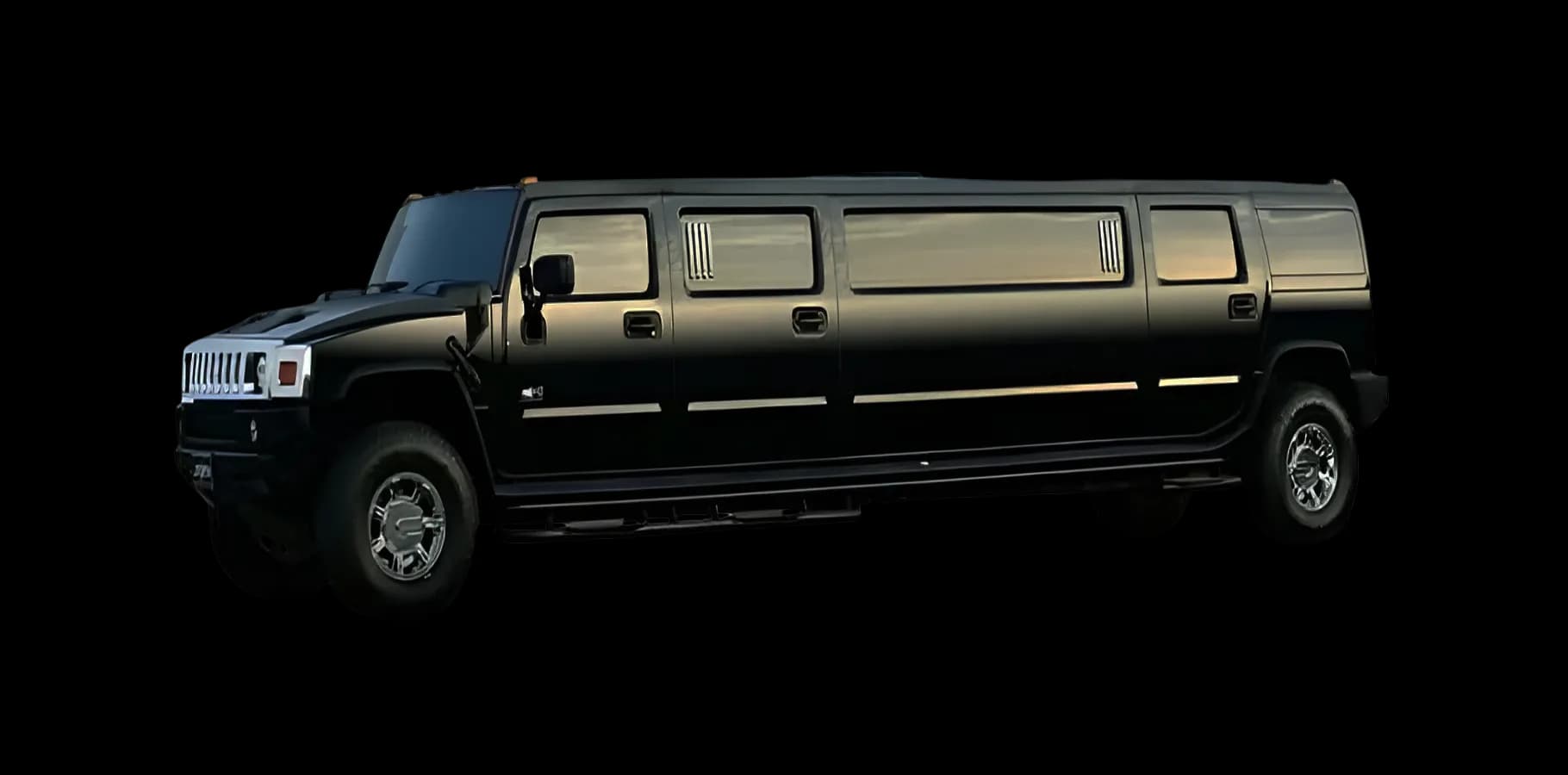
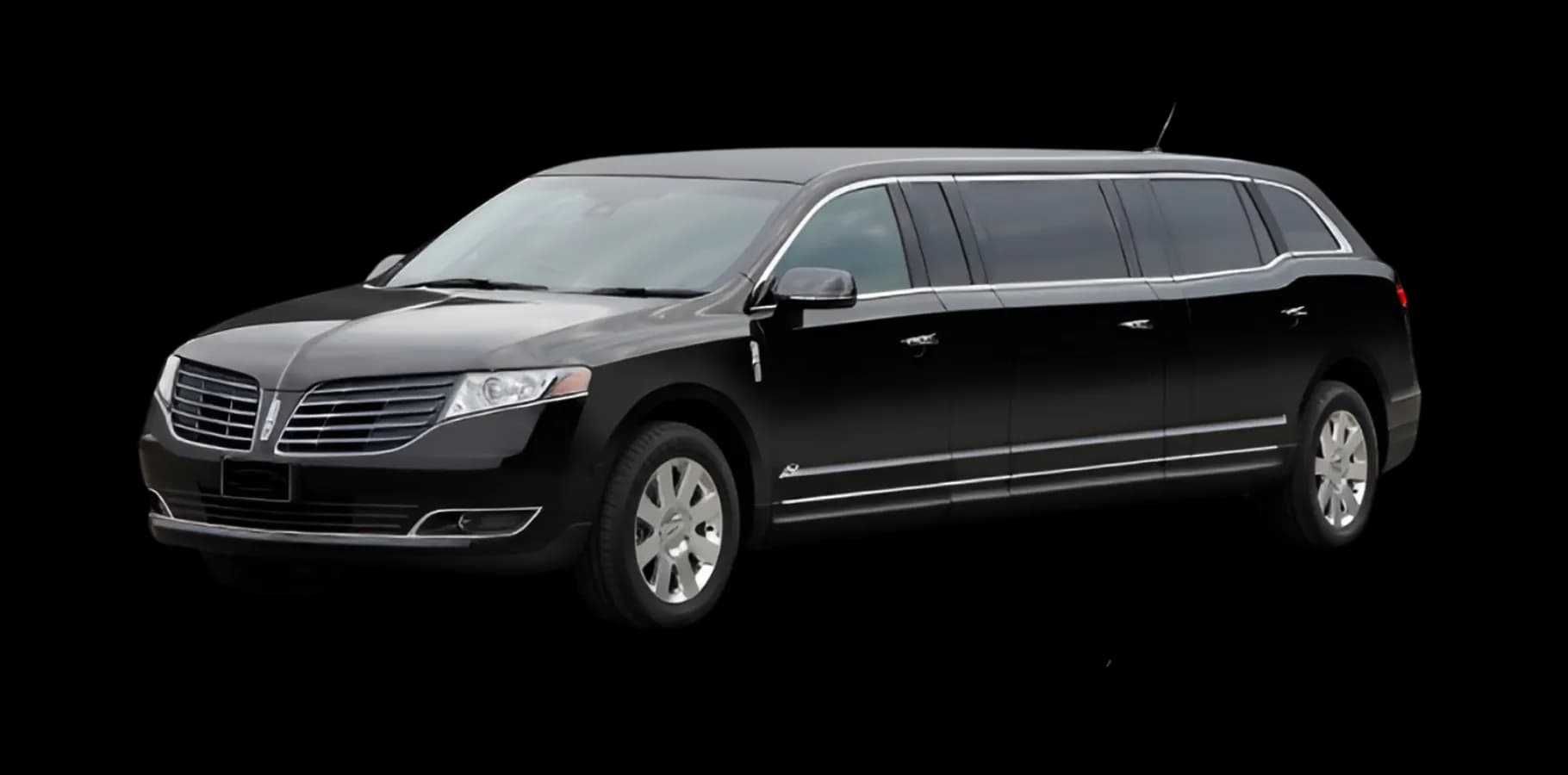
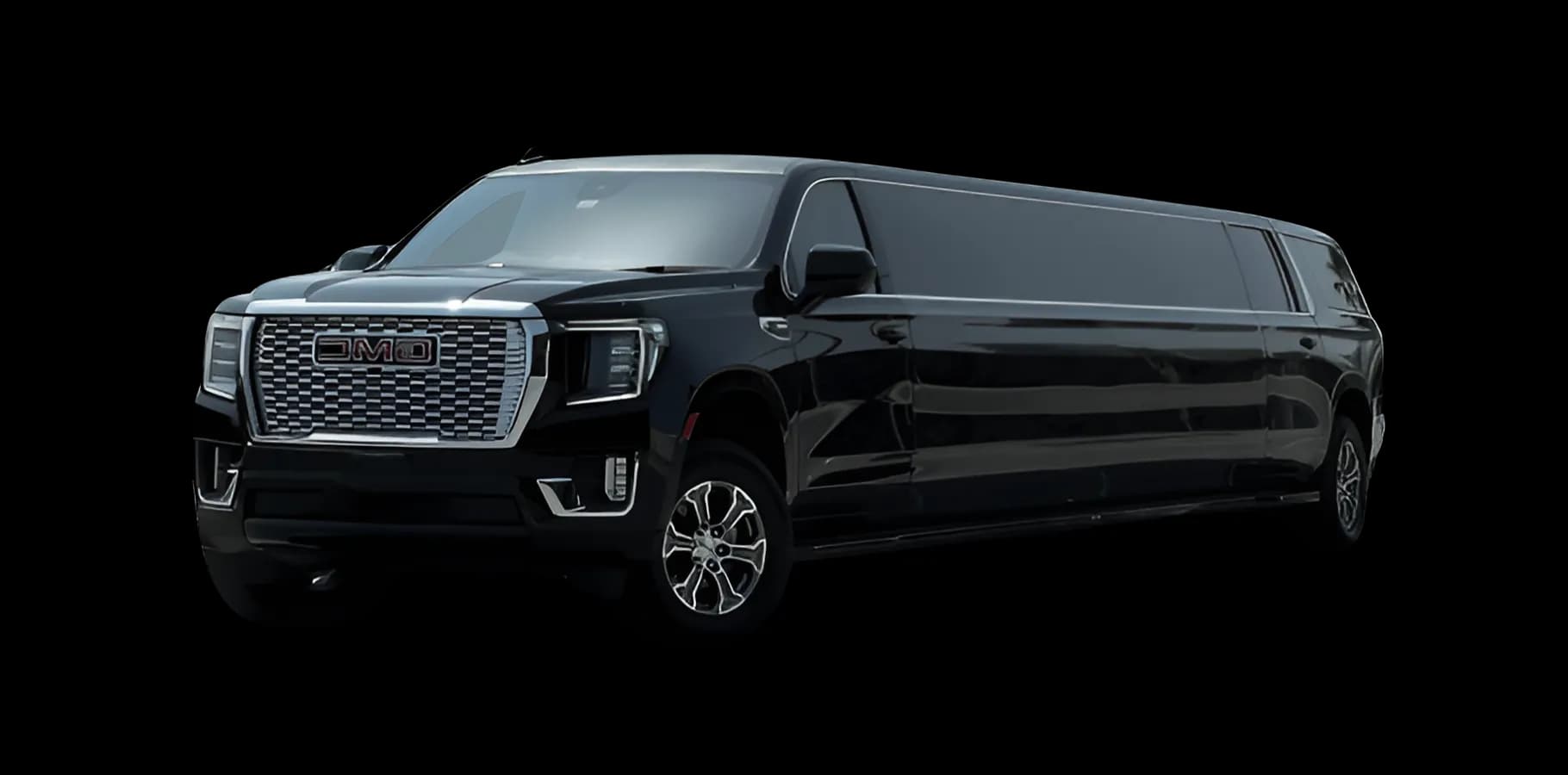
Stretch limousines: event vehicles that prioritize group seating and on-board amenities.
-
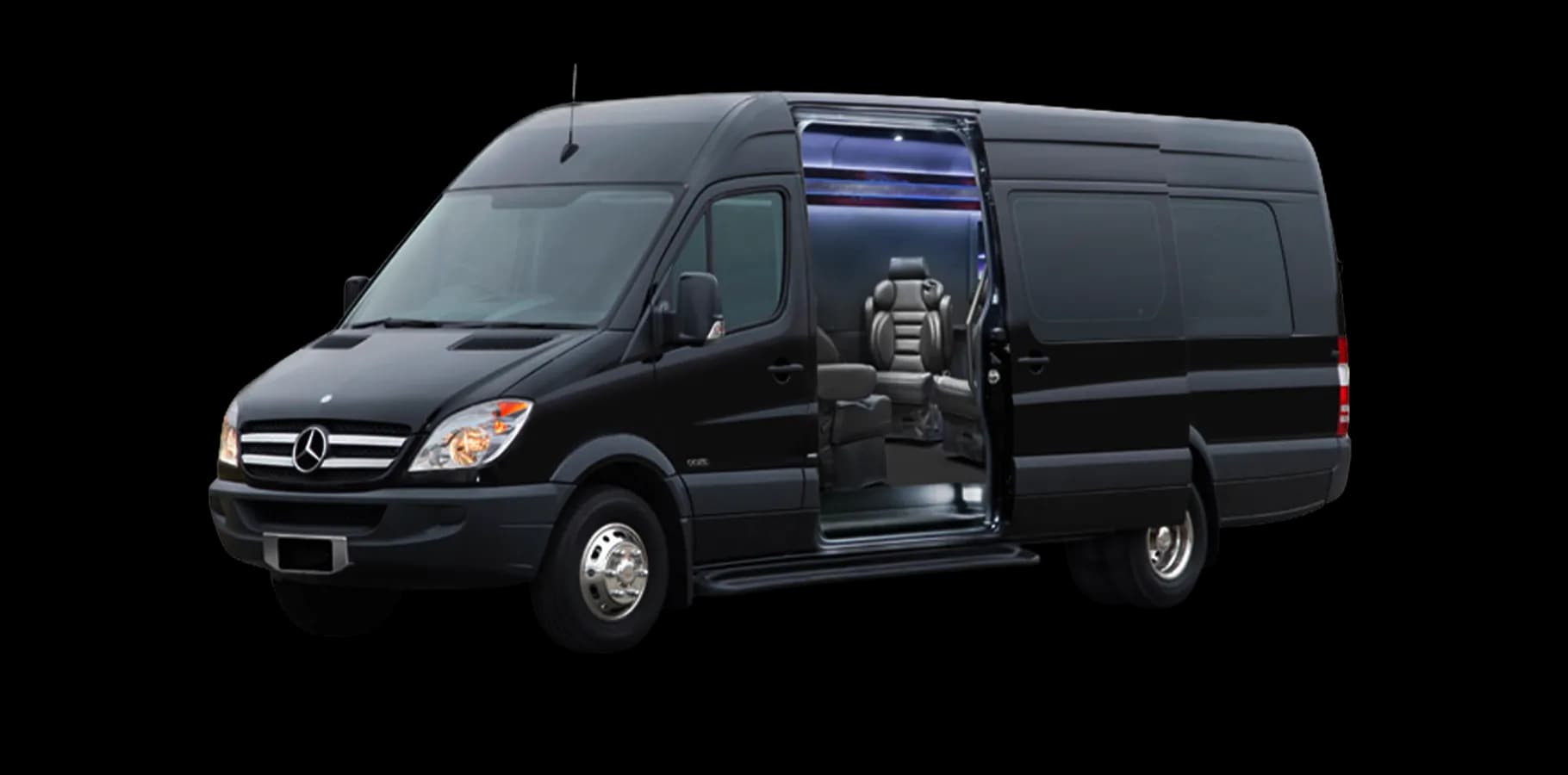
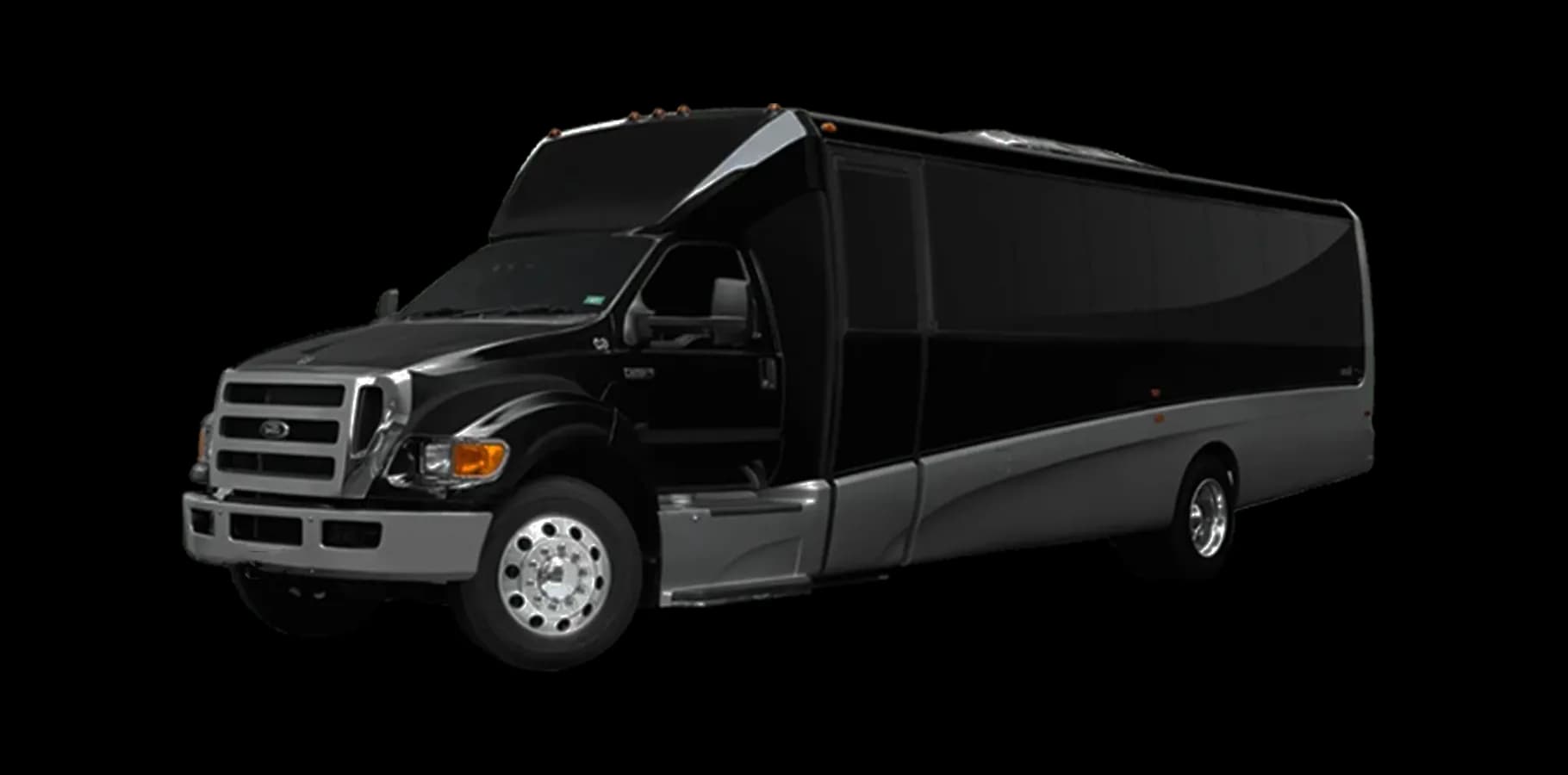
Executive vans / Sprinters: for group transfers, roadshows, or when you need luggage room and comfort.
-
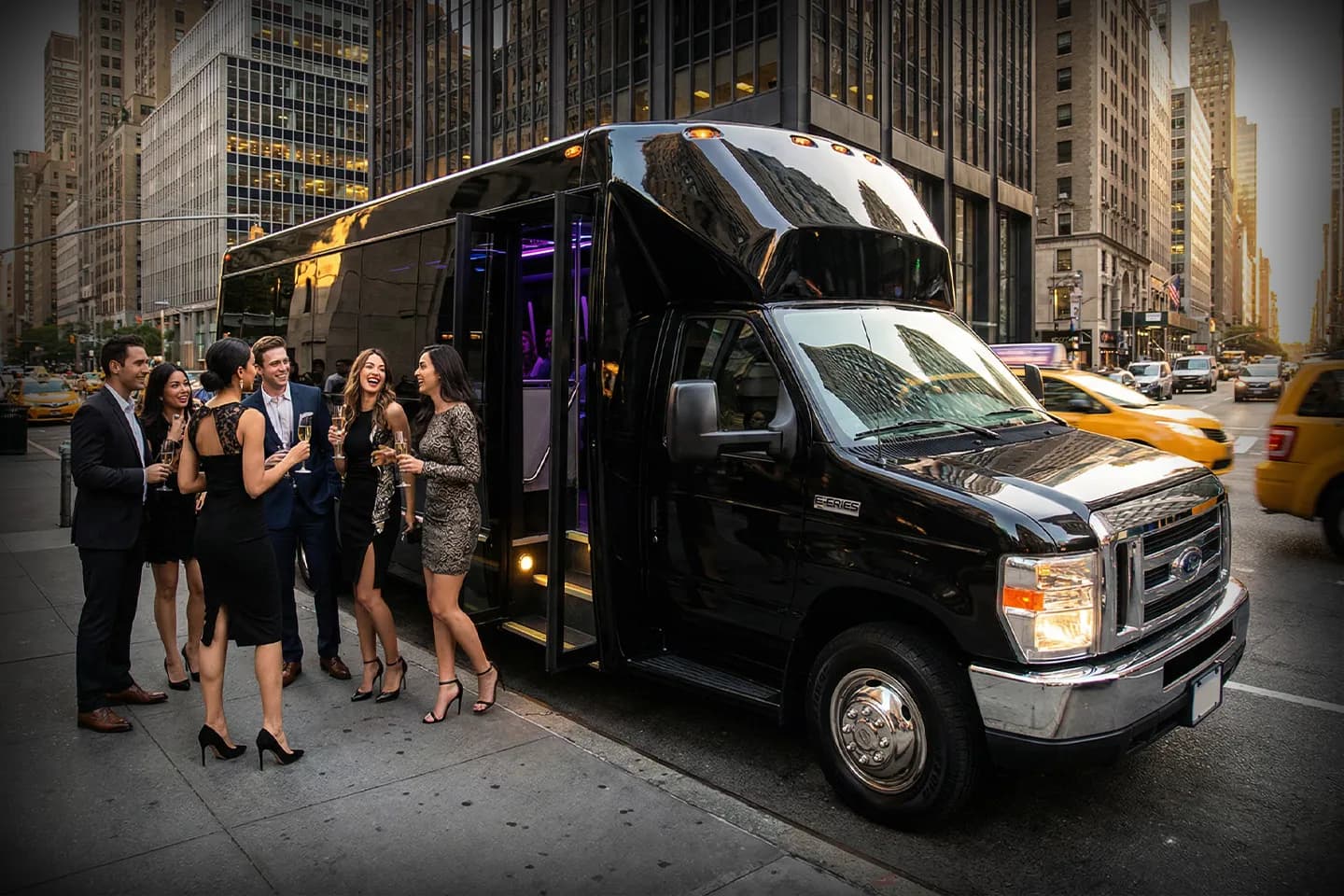
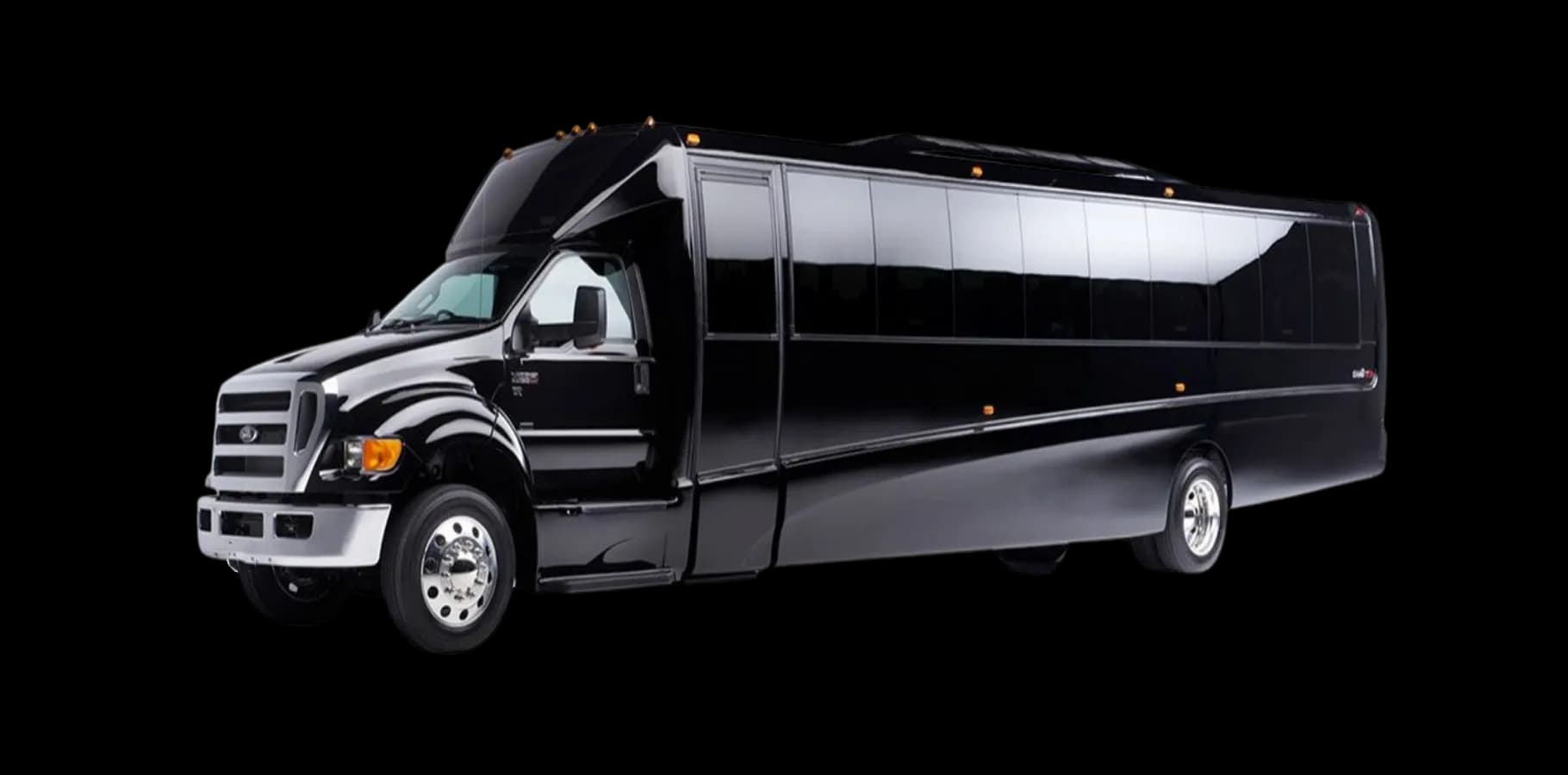
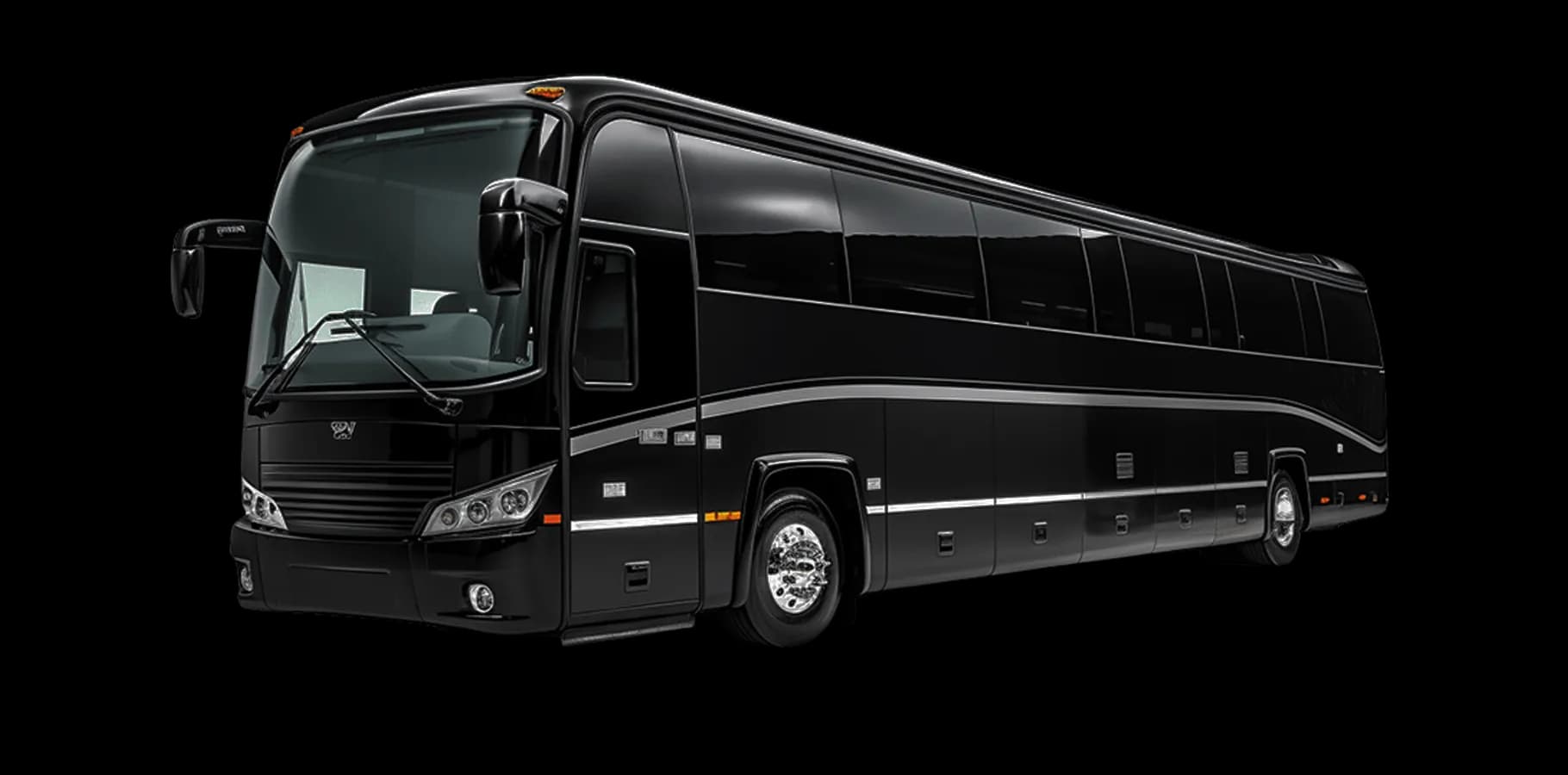
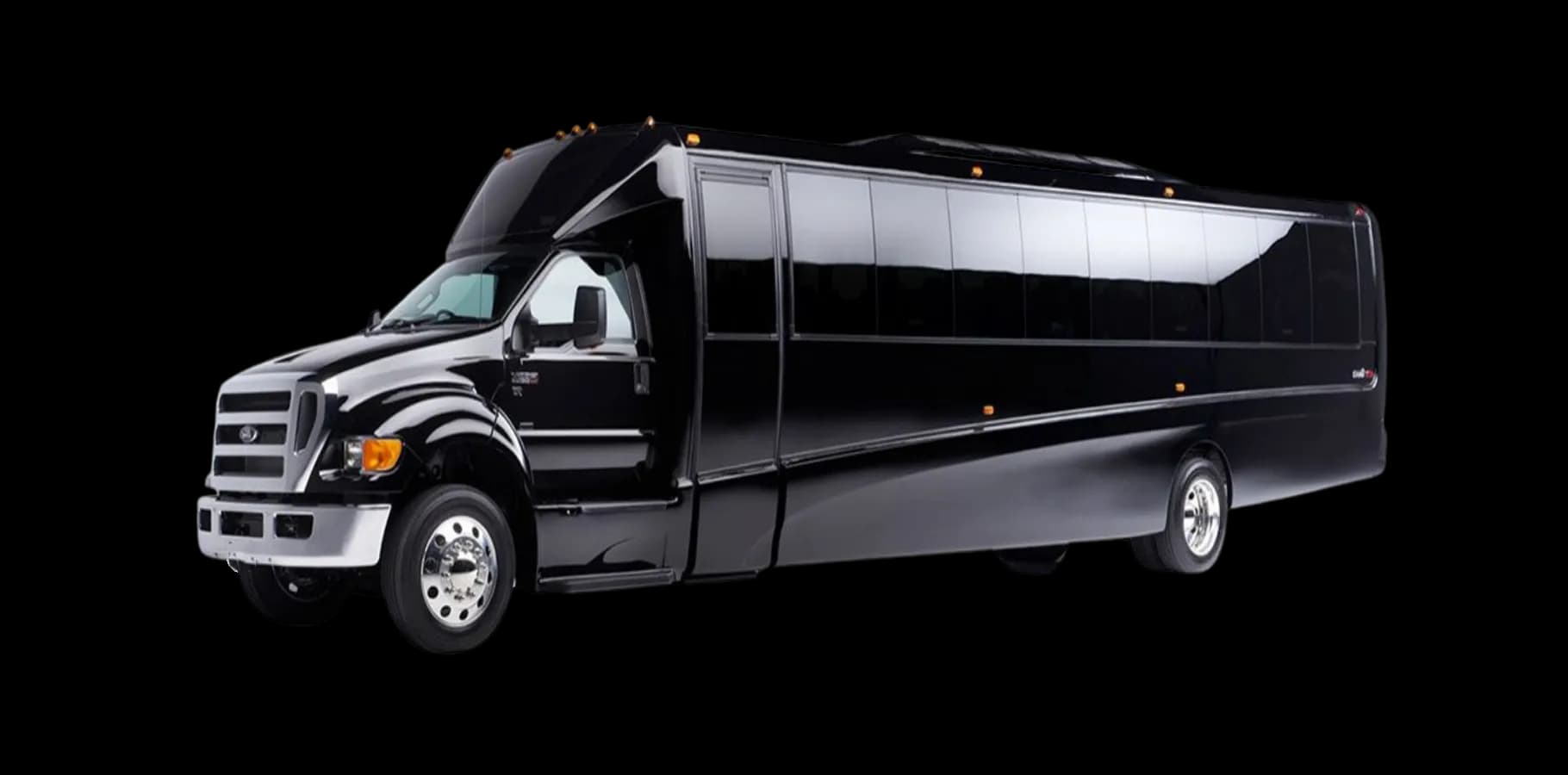
Party buses / minibuses / coaches: for large groups, tours, or shuttle needs.
-
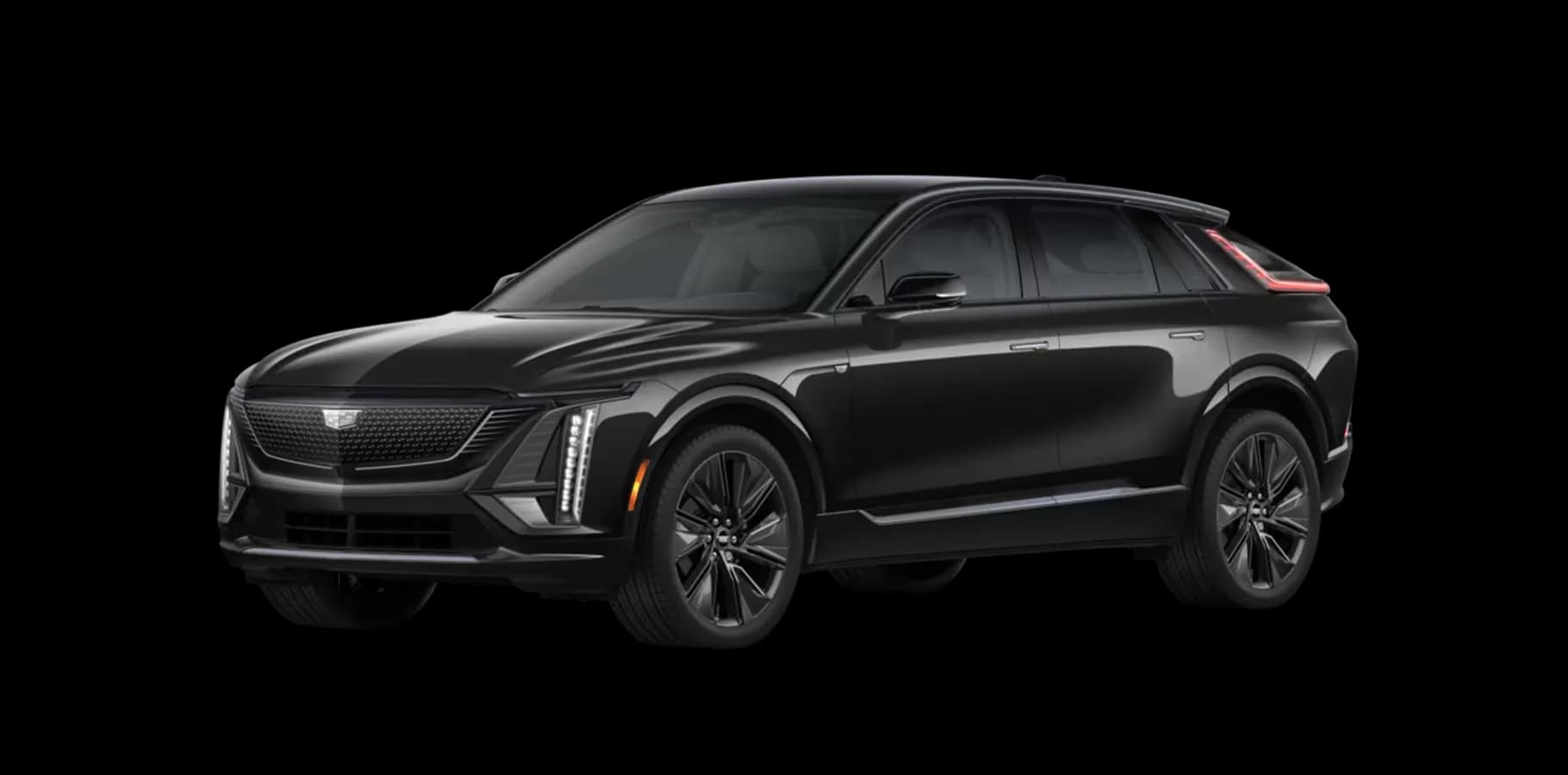
Electric and hybrid premium cars: an option for riders who prefer lower emissions and a quiet ride.
These categories are standard across NYC providers and limo services.
Why the type you pick actually matters
Which car you choose affects four practical things: space, comfort, privacy, and logistics.
-
Space: How many passengers? How many bags? A sedan handles 1–2 people with one or two large suitcases. An Escalade or Suburban handles a family with multiple suitcases. A Sprinter van handles a team plus gear.
-
Comfort: Are you working between meetings? Flagship sedans and some SUVs have quieter cabins and rear features that support working.
-
Privacy: Want a discreet ride or a social one? Limousines and party buses are social; sedans and certain SUVs offer privacy and a calm interior.
-
Logistics: Some vehicles require curb space, loading time, or certain pickup zones. Large coaches need more coordination for city pickups.
If you’re not sure which matters most, start with passenger and luggage counts, those two usually decide the category.
Sedans:
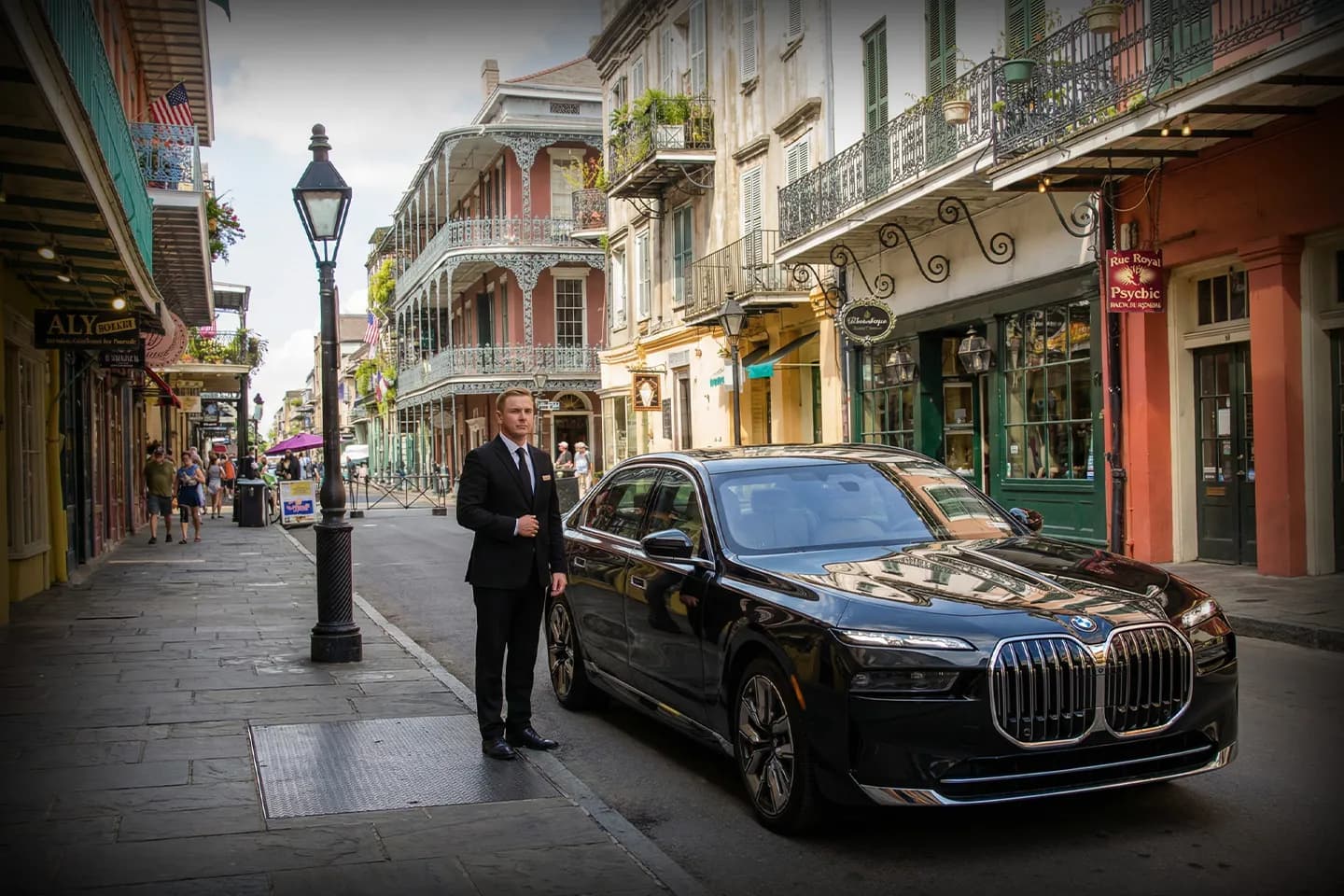
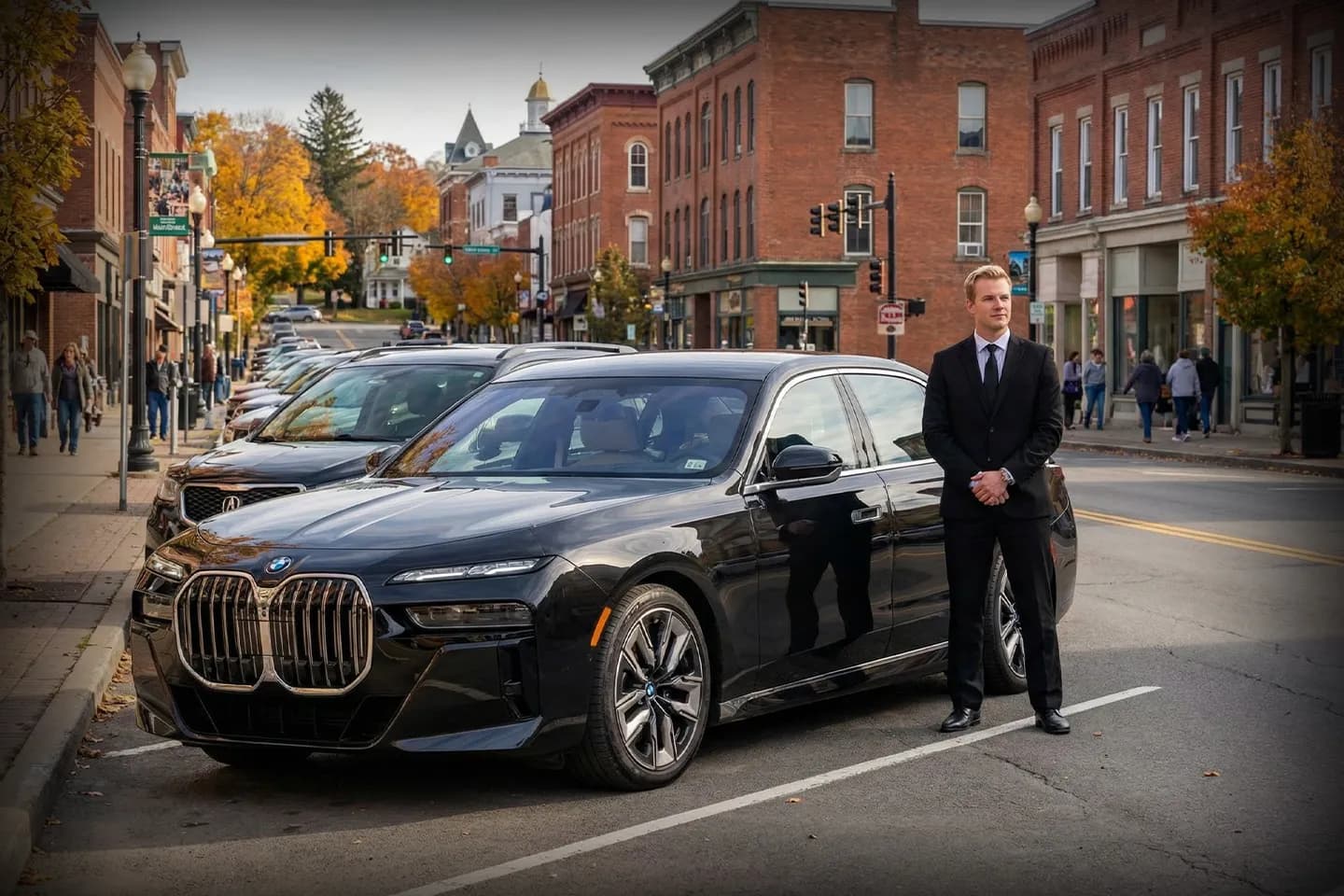
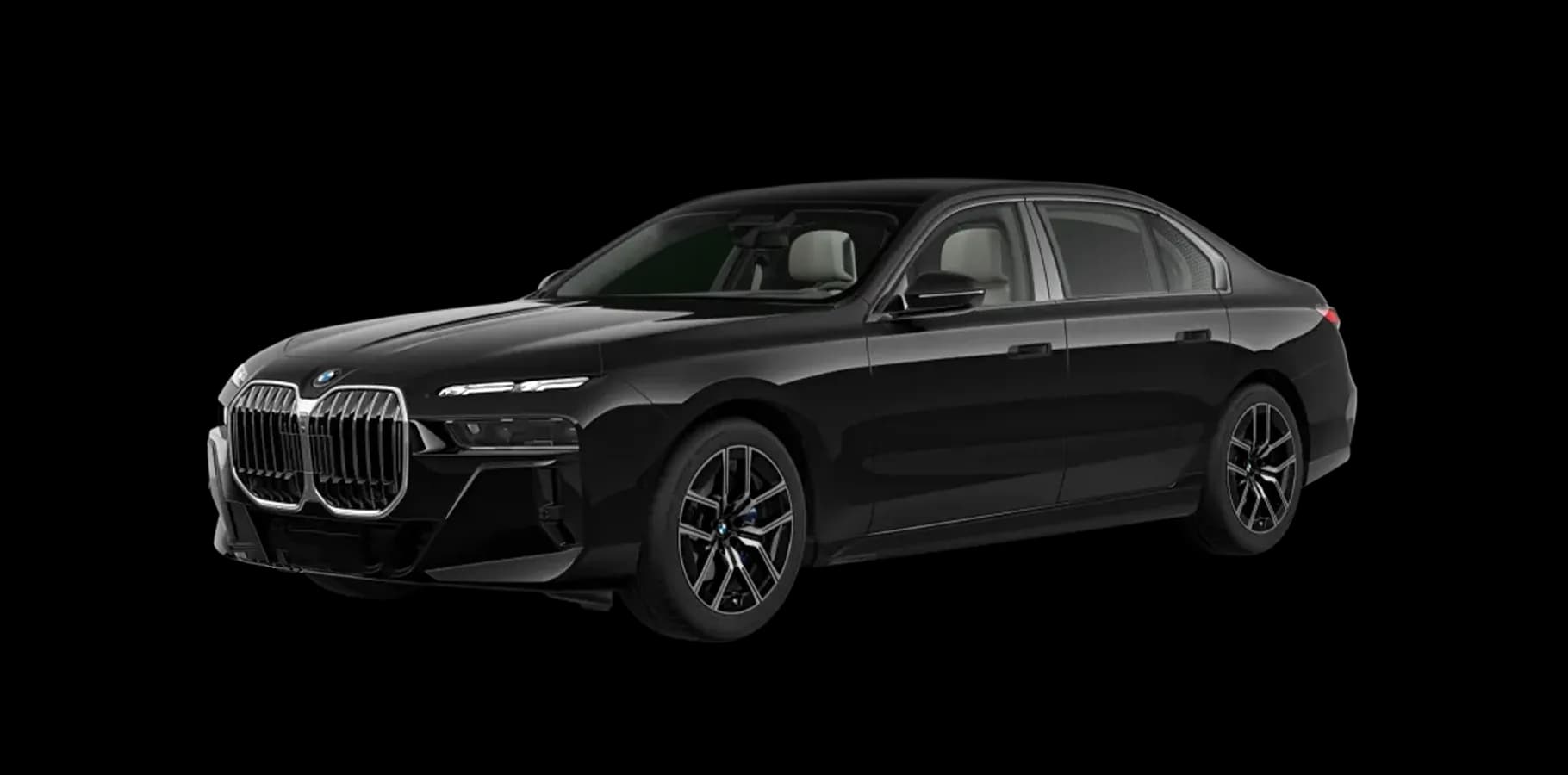
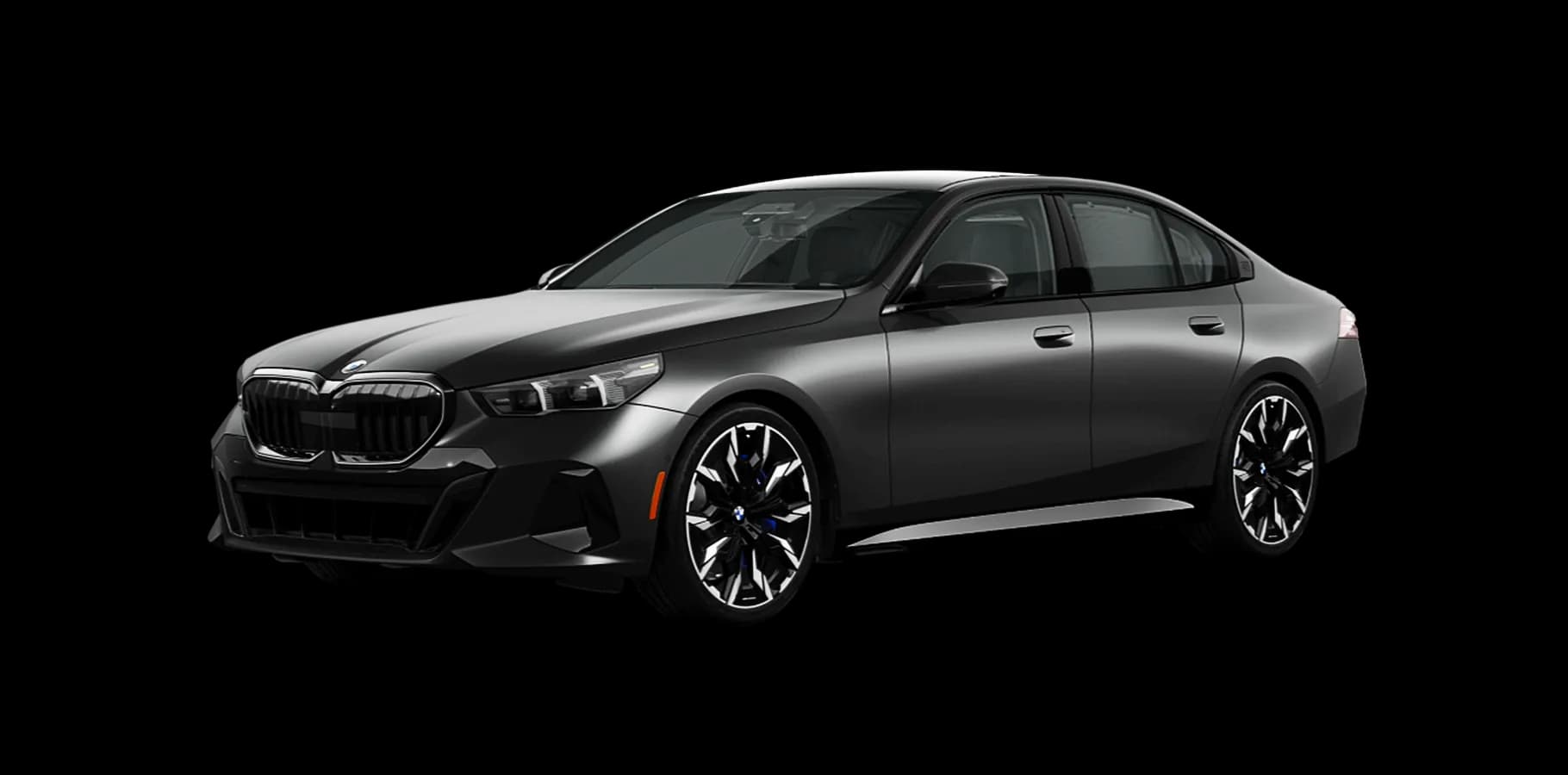
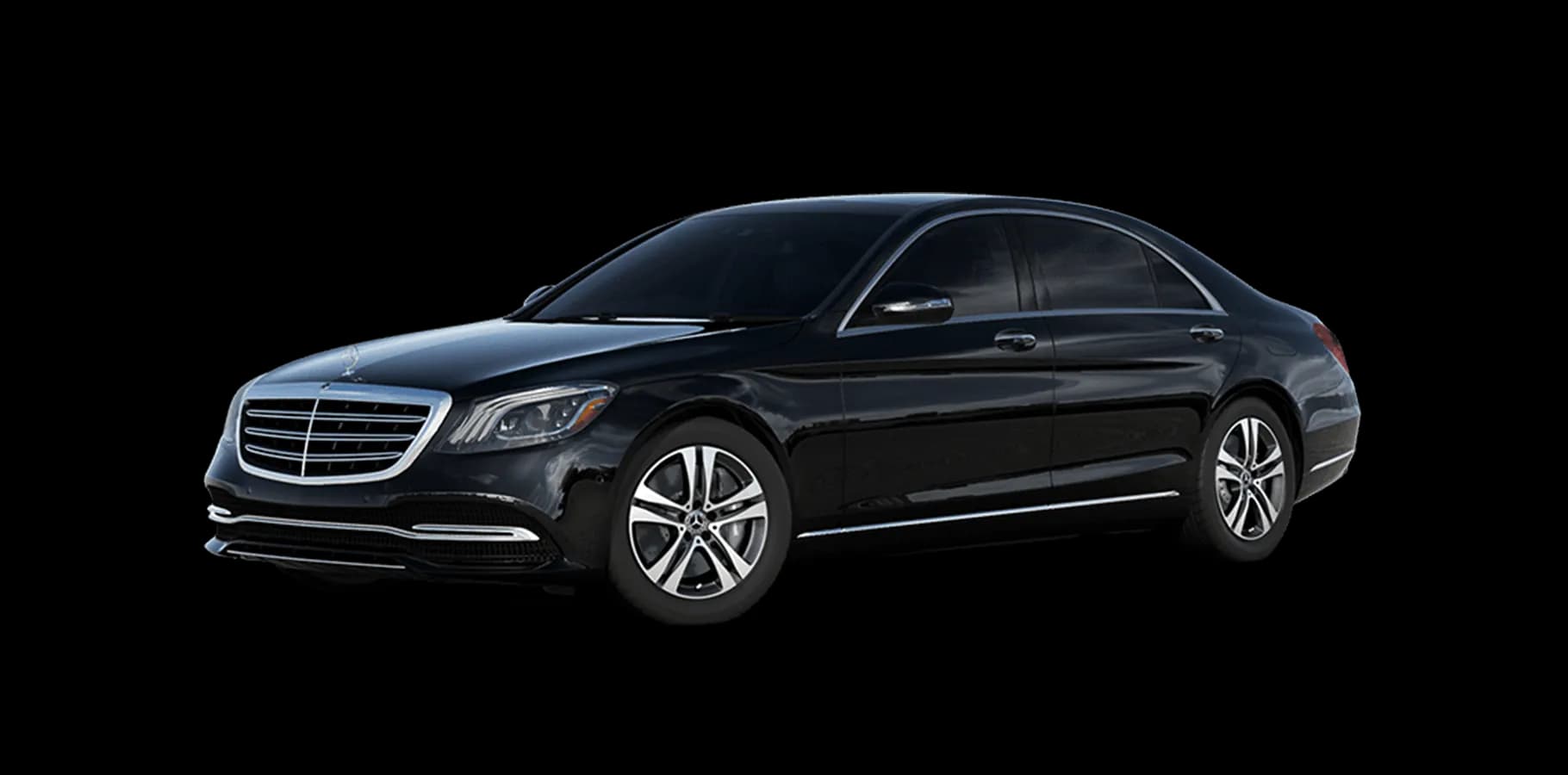
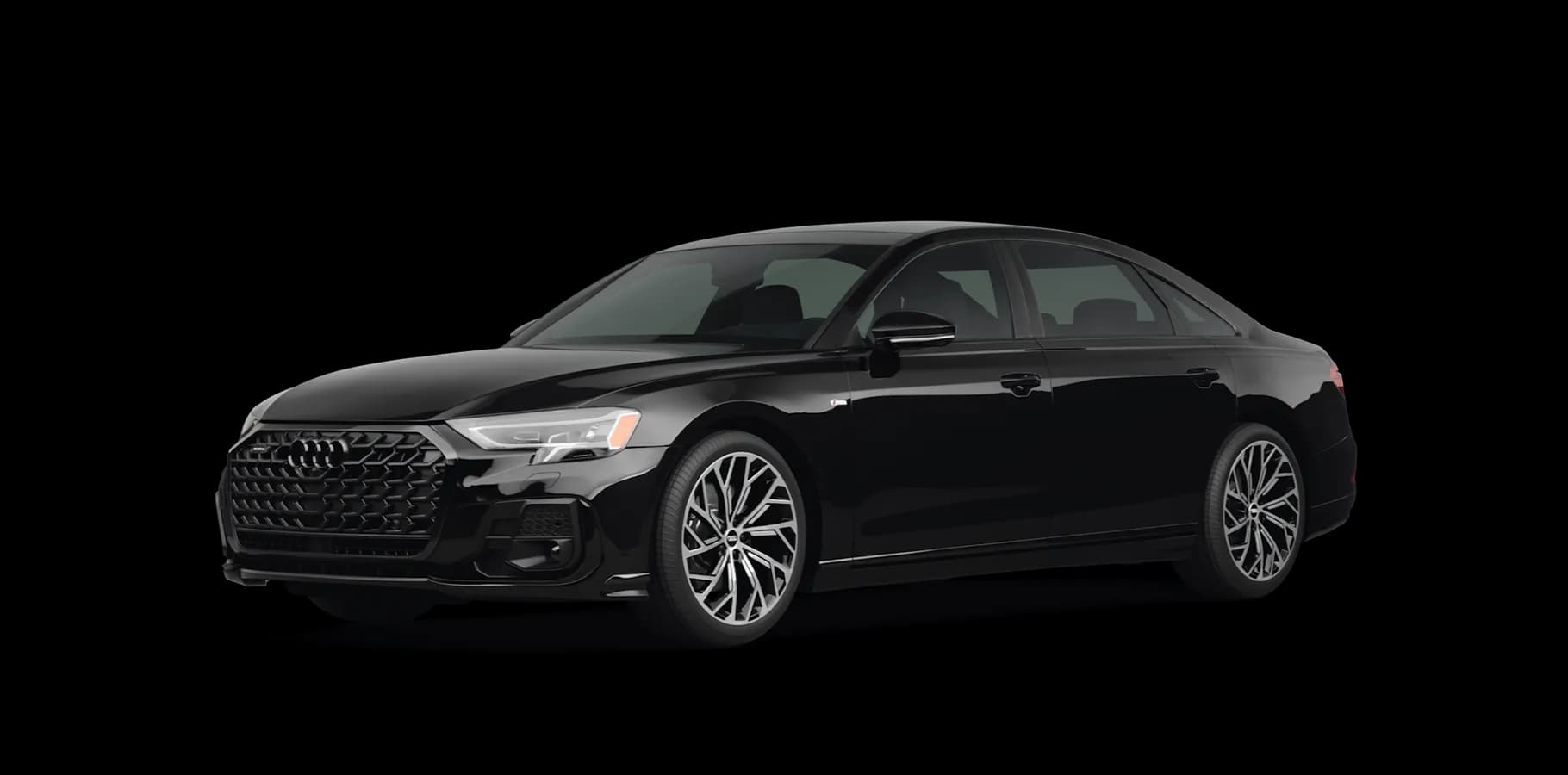
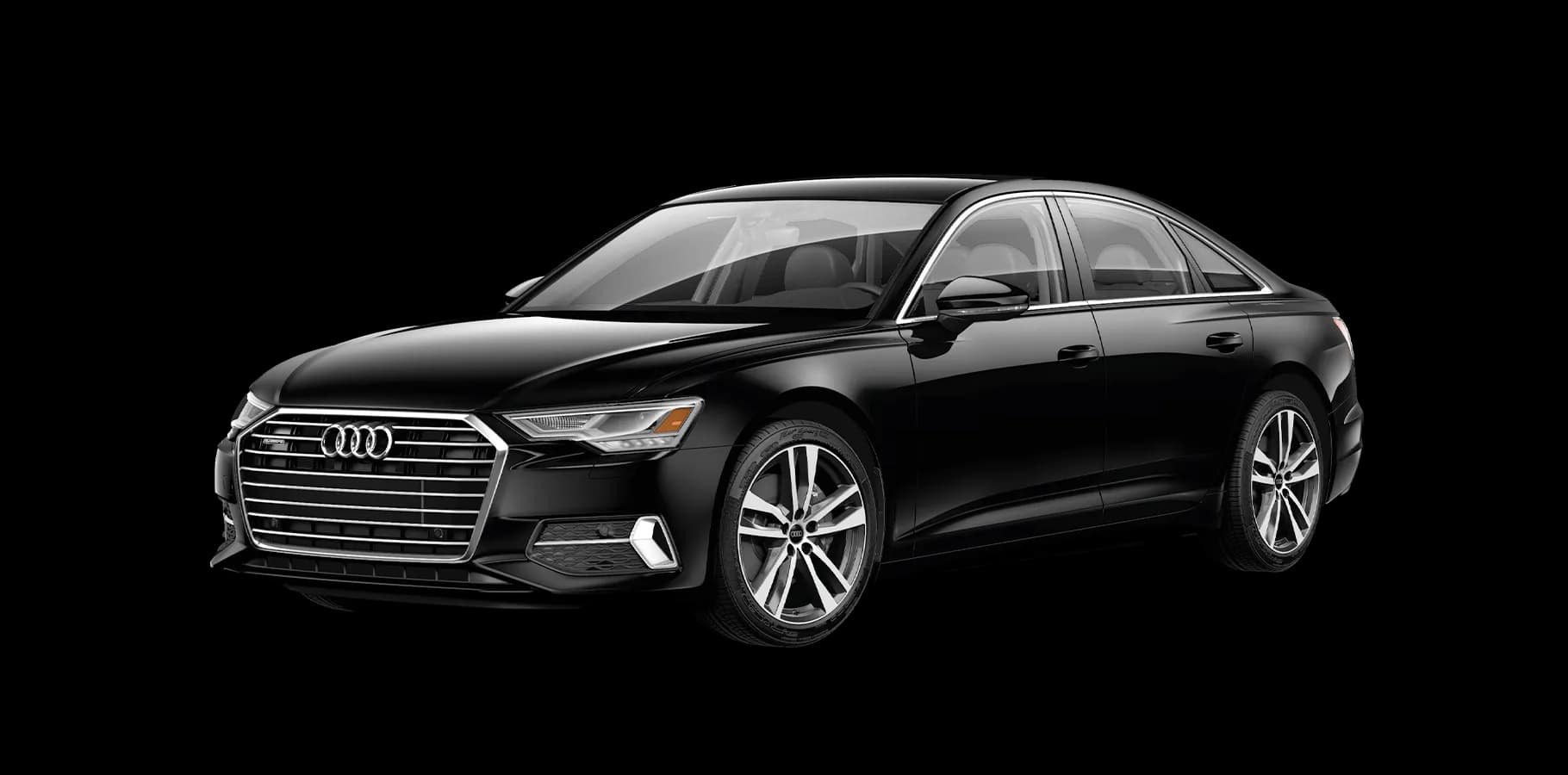
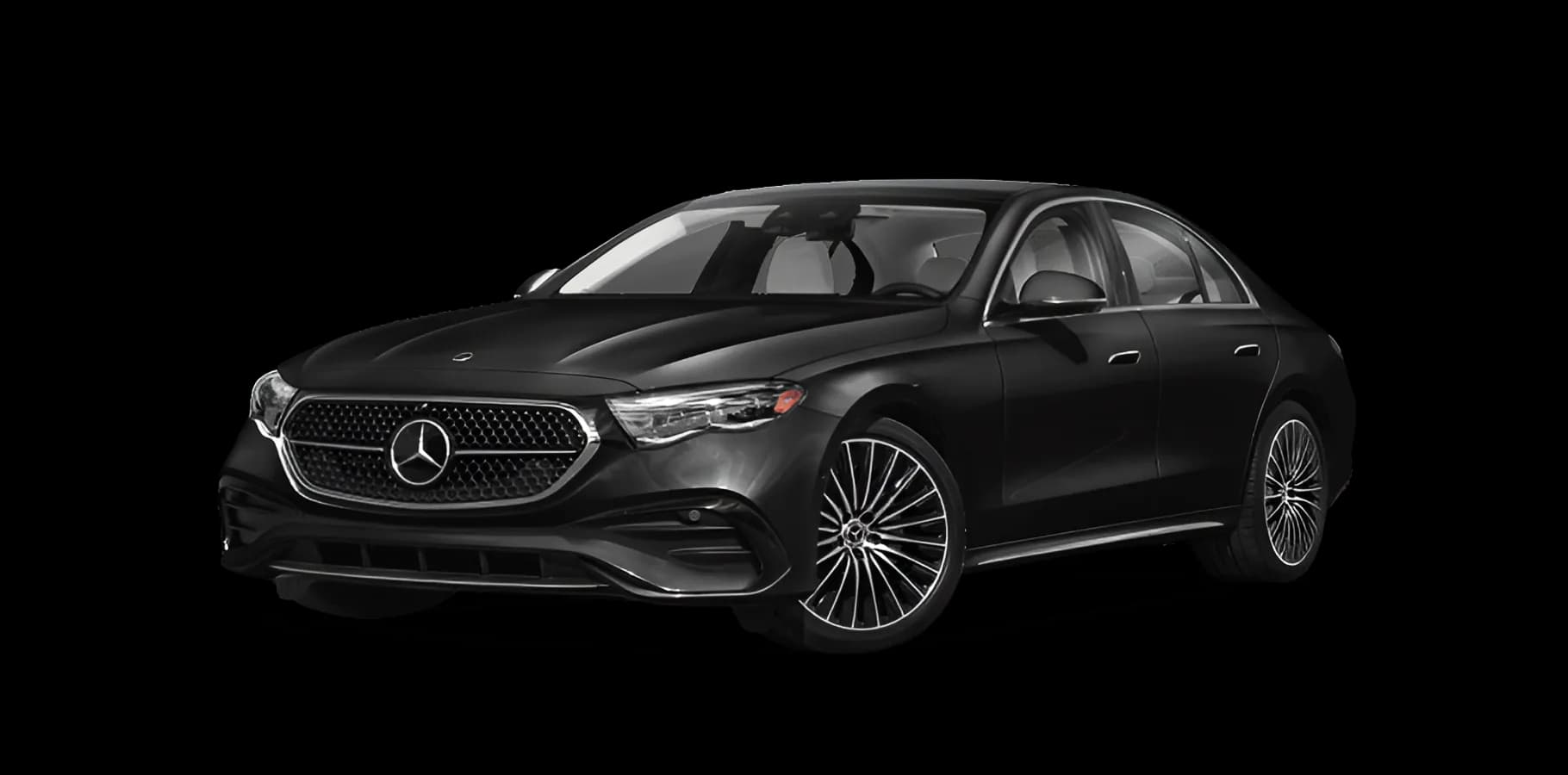
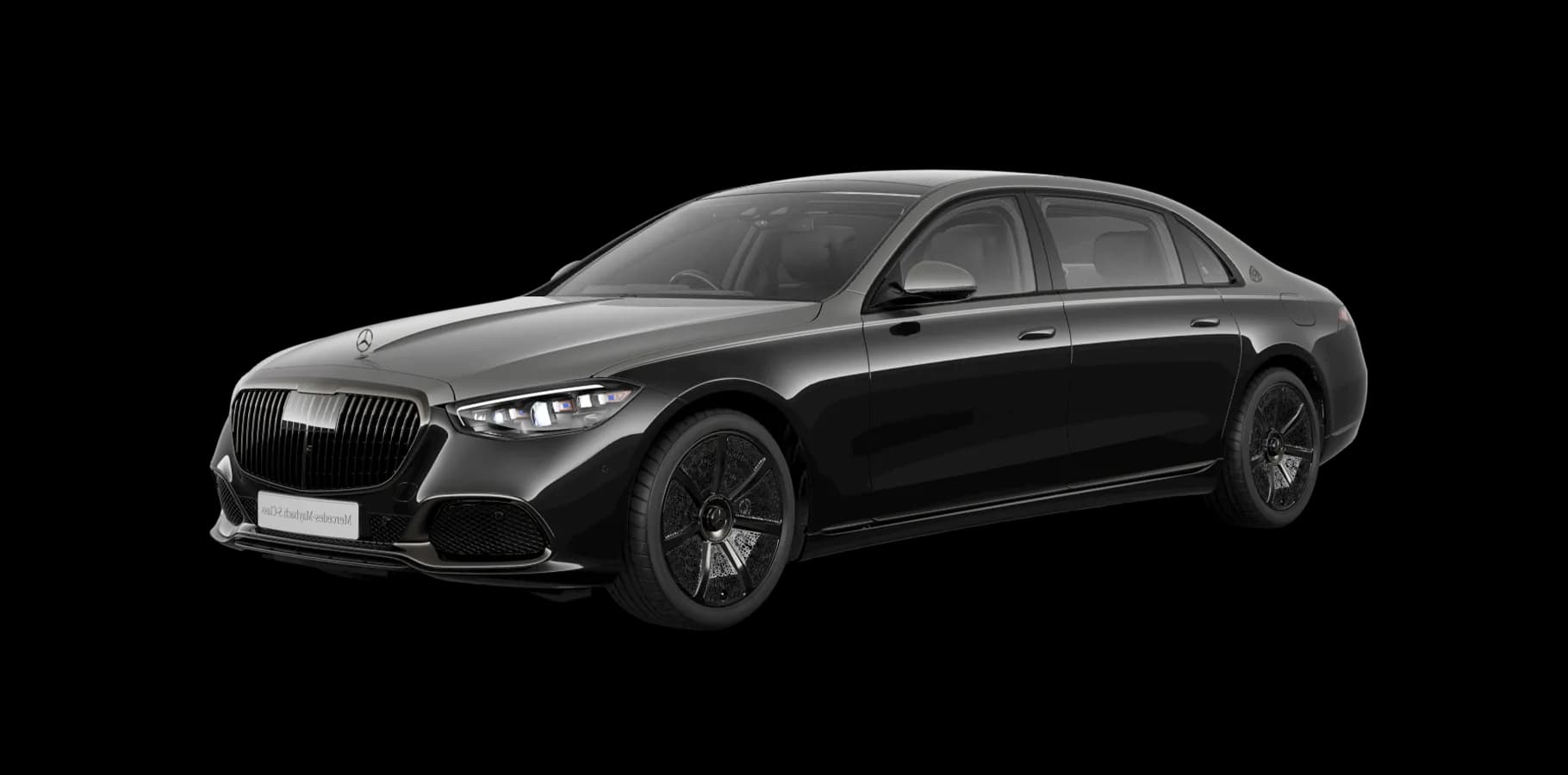
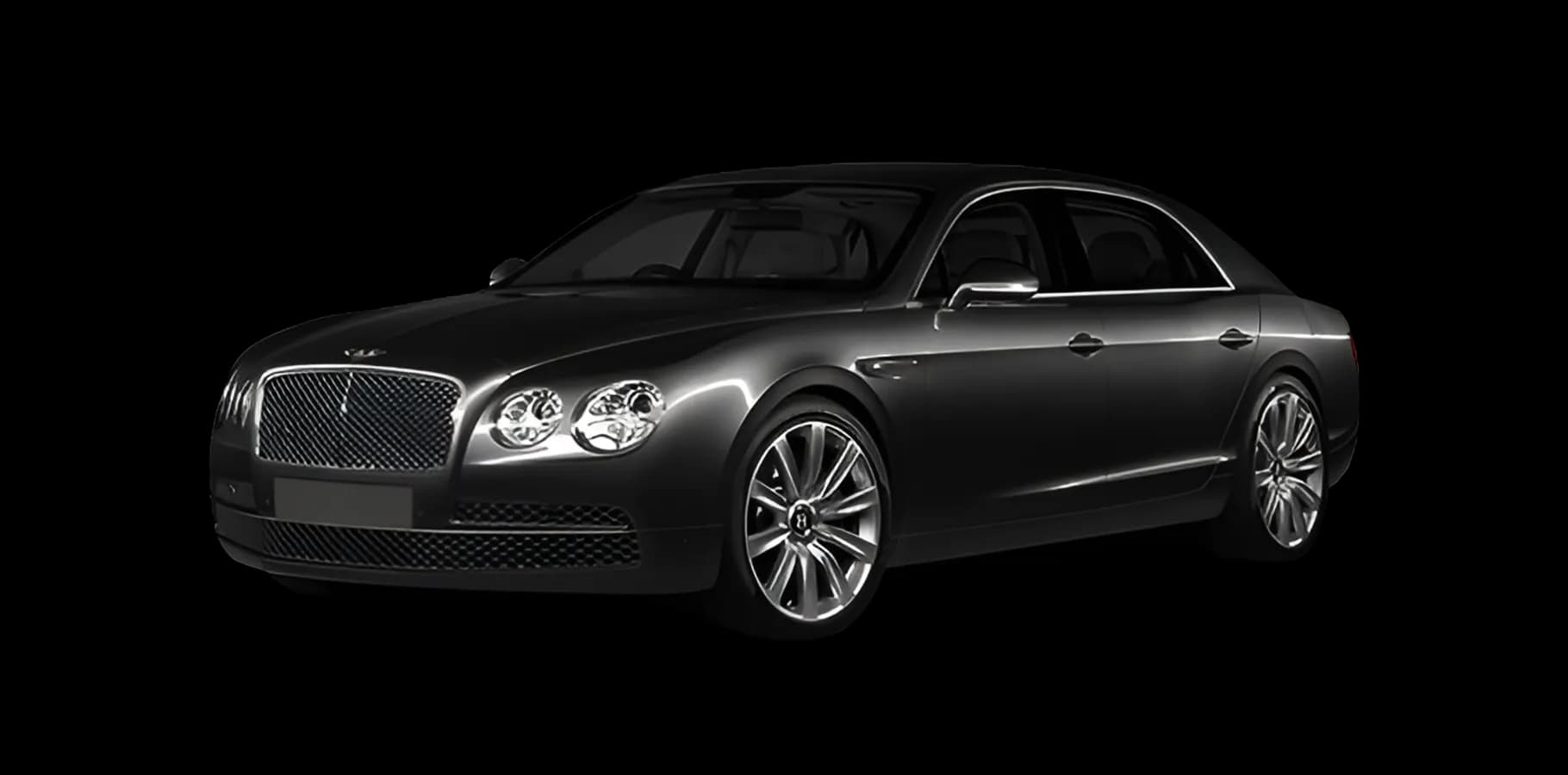
You’ll see mid-size executive sedans (Audi A6, Lexus ES) and full-size flagship sedans (Mercedes S-Class, BMW 7, Audi A8). Don’t assume model names are interchangeable.
-
Mid-size executive sedans are efficient, lower priced, and great for solo travelers or short trips.
-
Flagship sedans prioritize rear-seat space, cabin quiet, and high-end amenities (privacy shades, advanced climate, premium audio). They cost more and read as higher prestige at formal meetings.
Choose a mid-size if you value economy and speed. Pick a flagship when comfort, longer rides, or image matter.
SUVs:
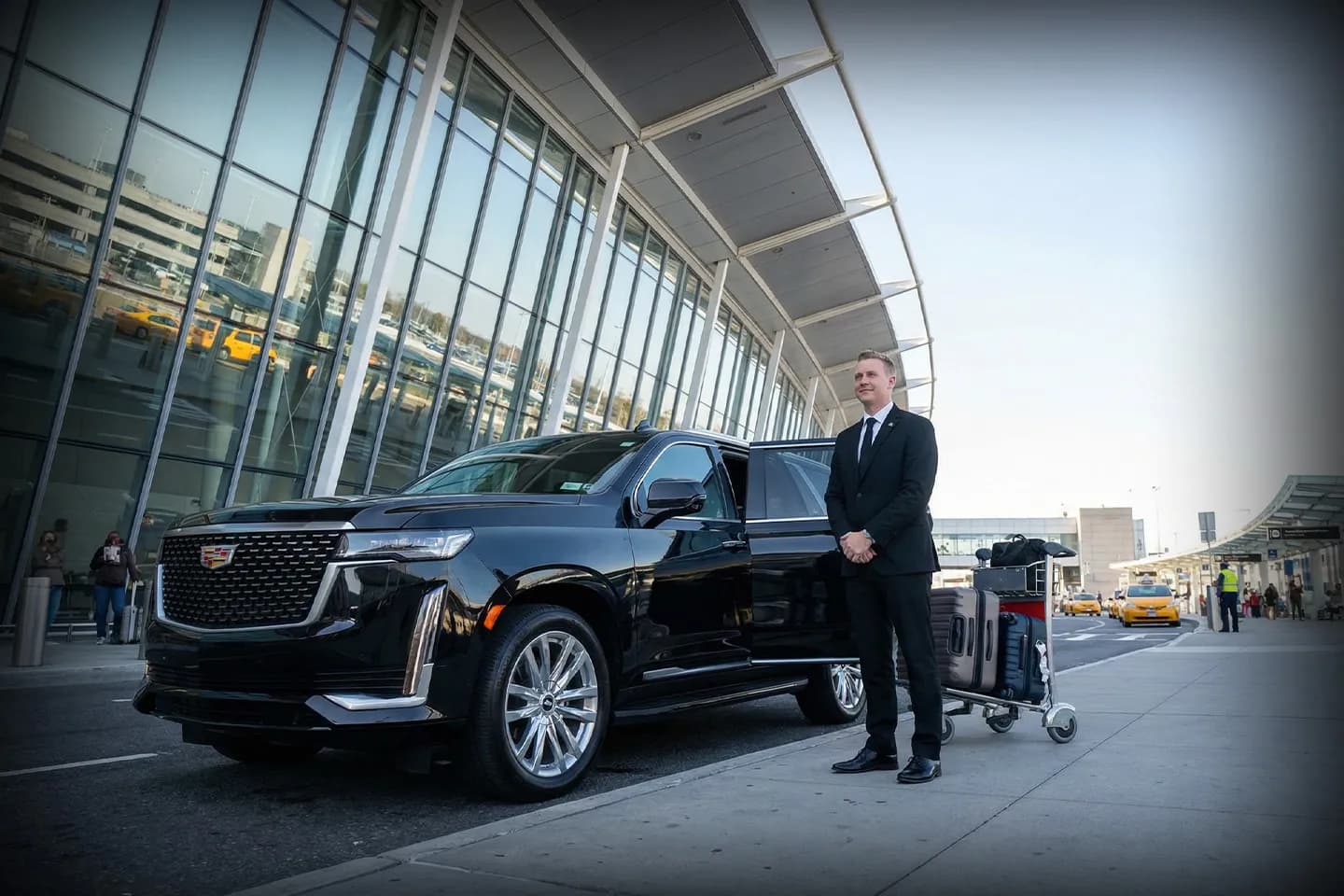
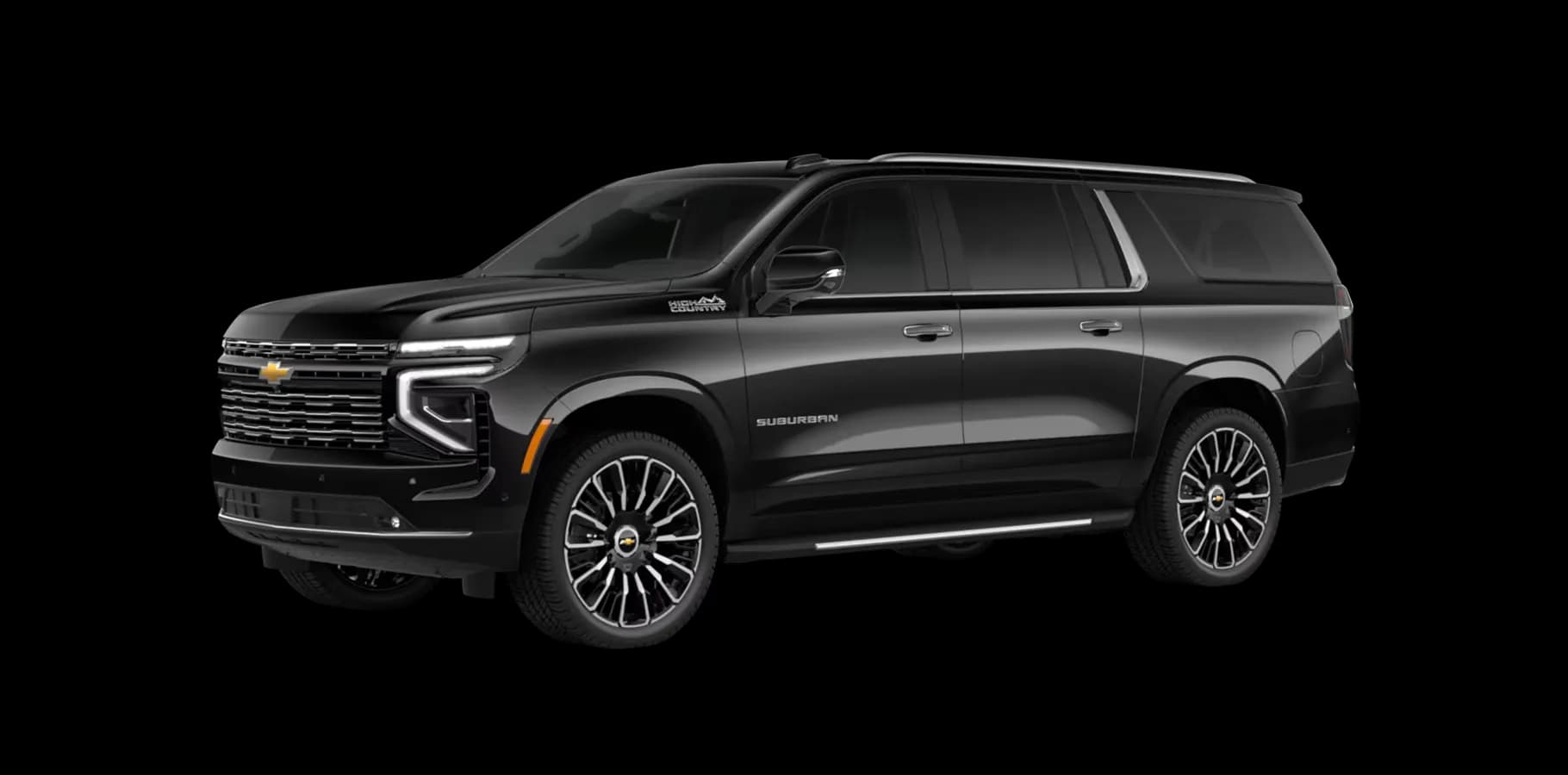
SUVs like the Cadillac Escalade, Chevrolet Suburban, Range Rover, and Lincoln Navigator work well for:
-
Family airport runs with lots of luggage.
-
Small groups (3–6) who need space and a more commanding ride.
-
Trips that mix city and suburban driving.
They give headroom and cargo capacity without needing a van. If you travel with bulky items or several suitcases, an SUV is often the practical choice.
Vans and Sprinters:
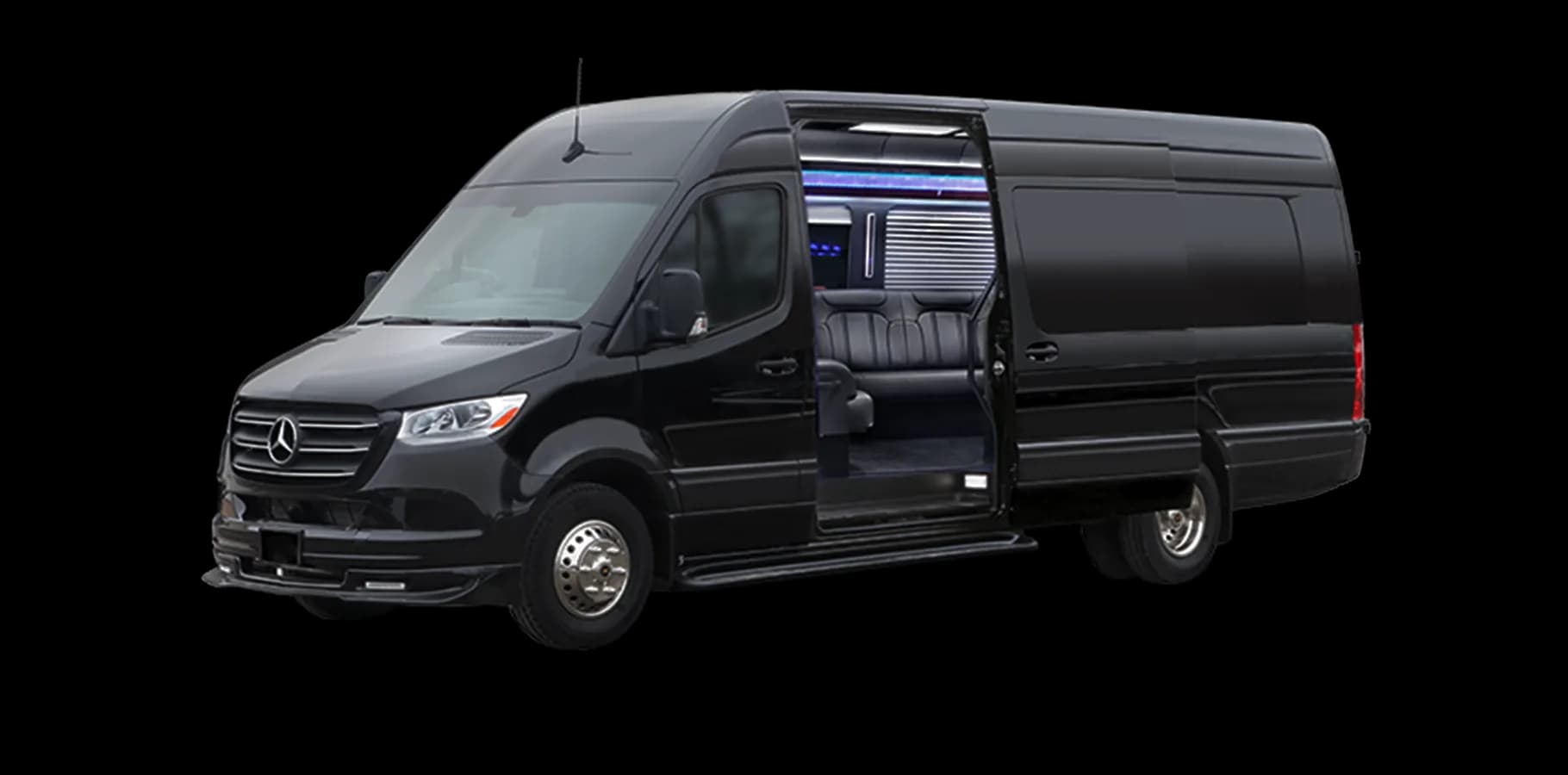
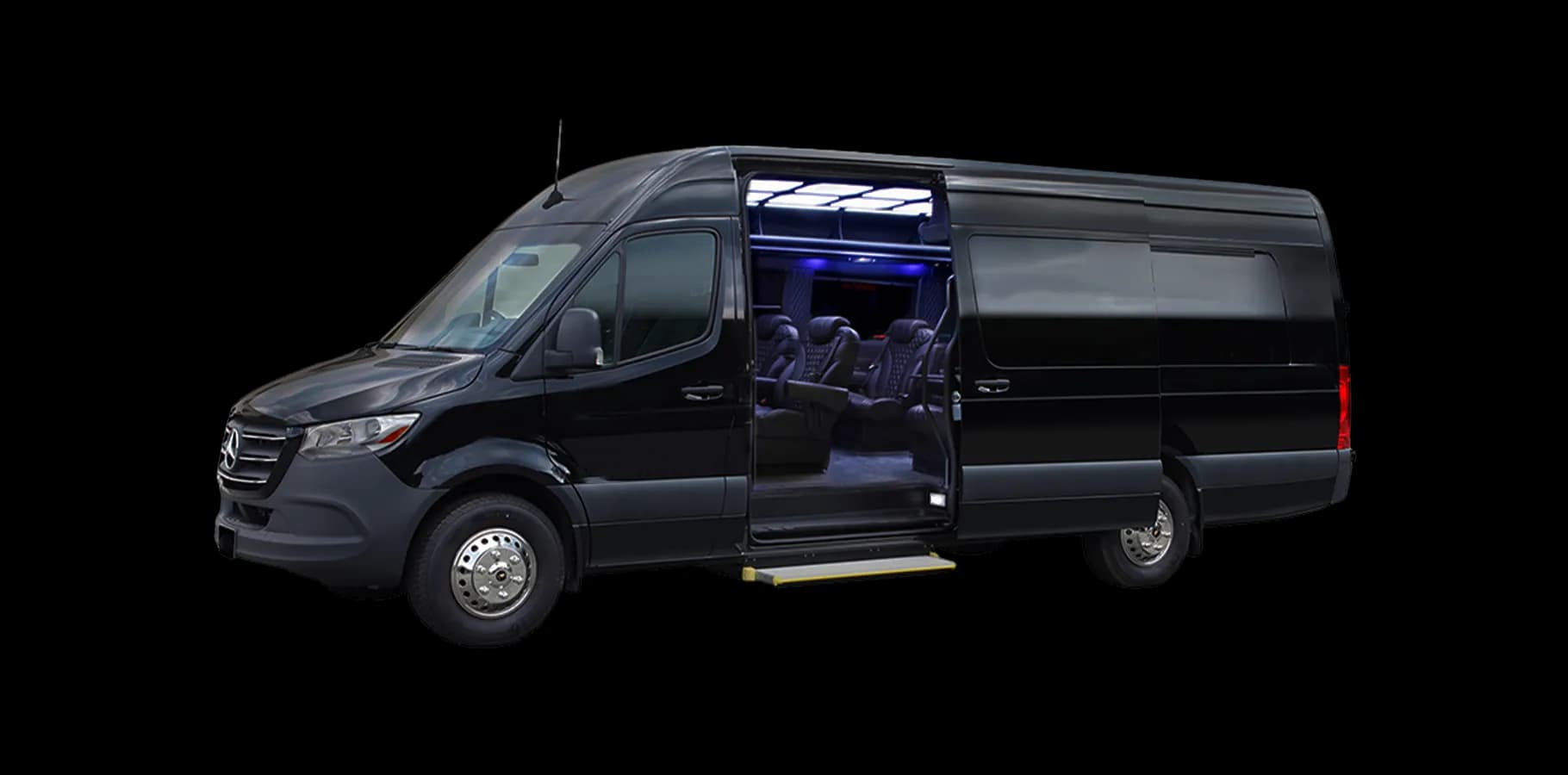
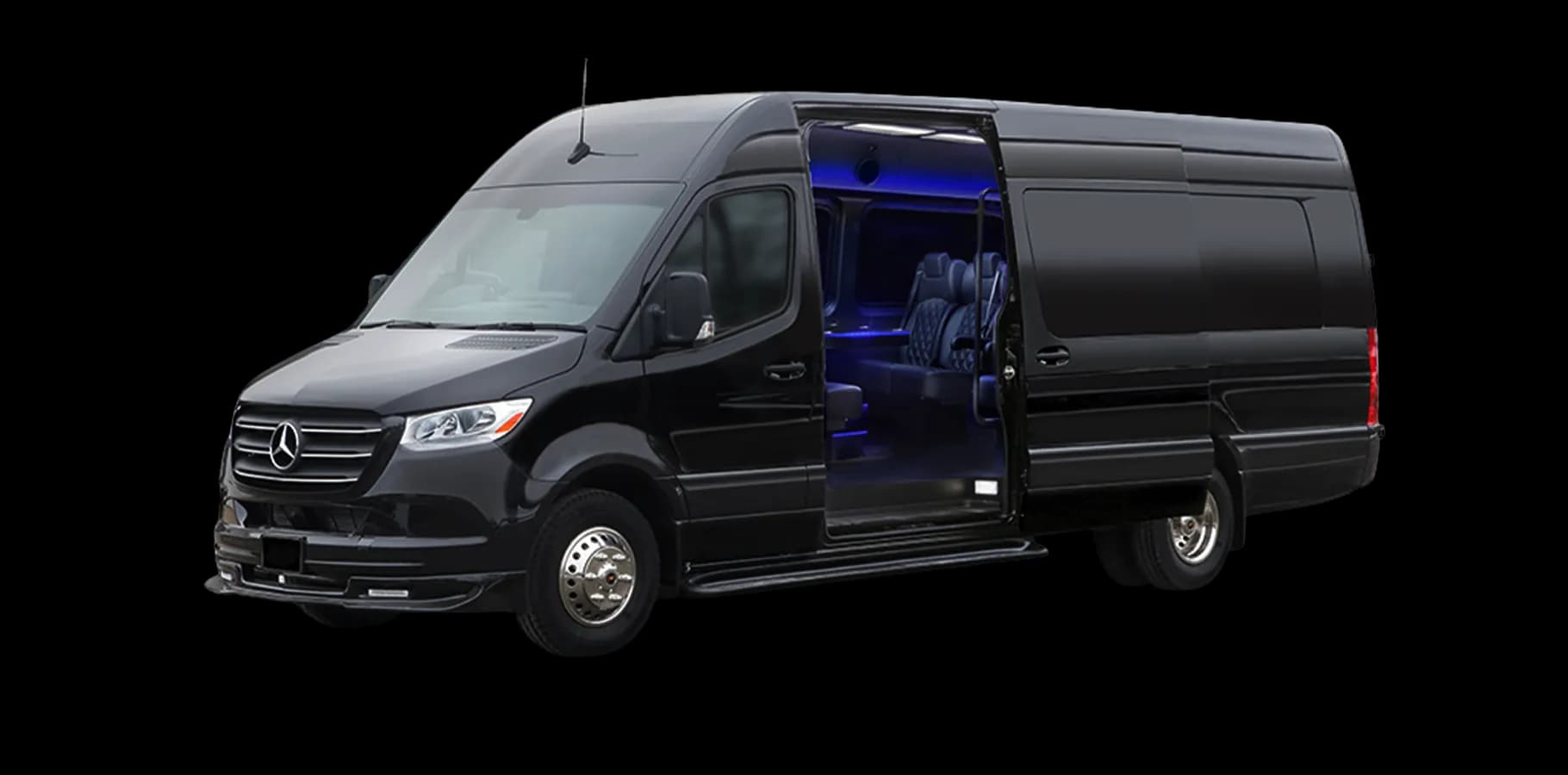
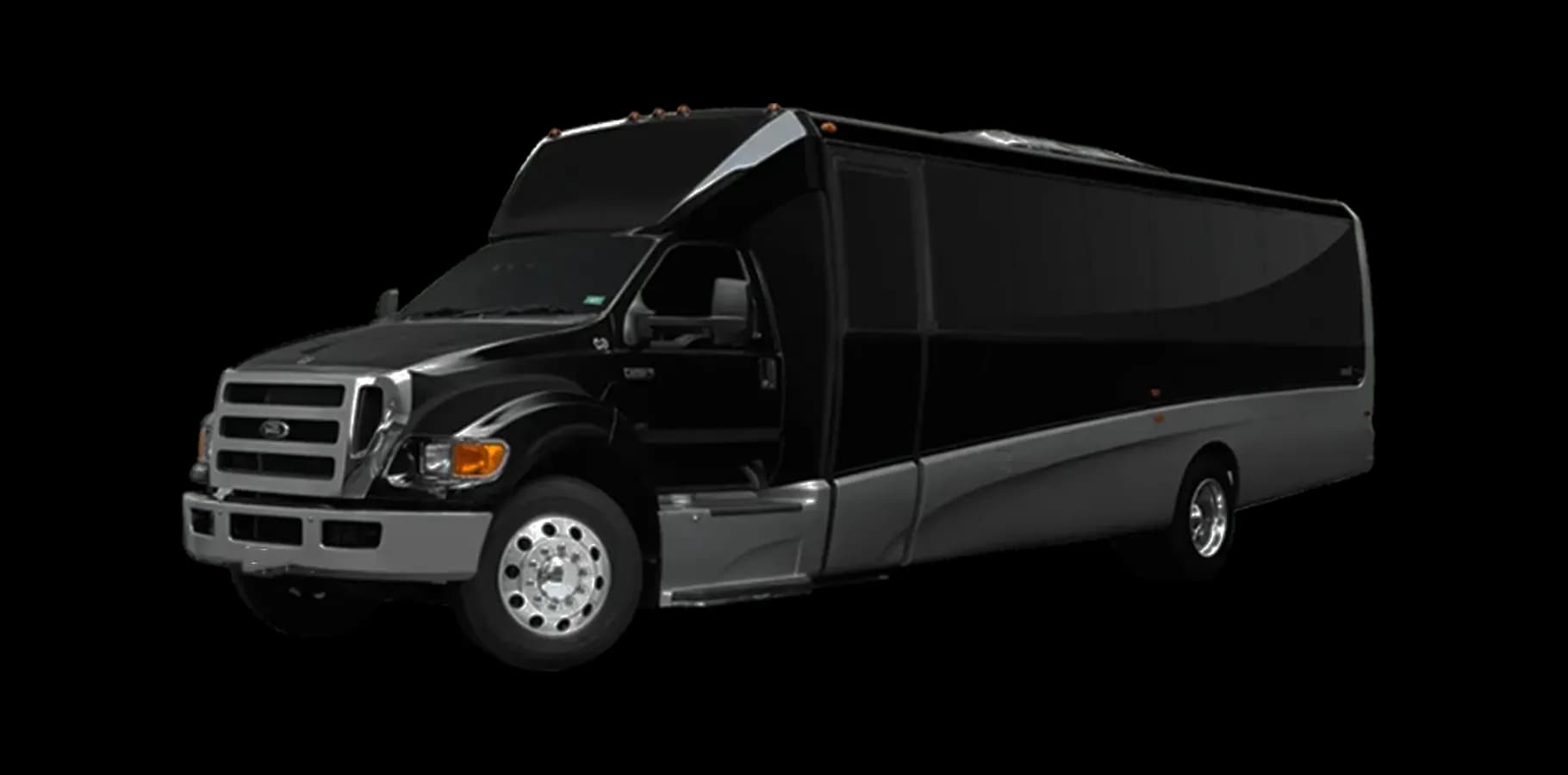
Mercedes-Benz Sprinter vans and Ford Transit executive vans are standard when:
-
You move teams or equipment for corporate events.
-
You run guided city tours with a mid-sized group.
-
You need guaranteed luggage space and a comfortable cabin for many passengers.
These vehicles are billed hourly or per trip and are easier to park and load than a full coach.
Stretch limousines and party buses:
Stretch limos and party buses are event vehicles. They’re best for weddings, proms, and celebrations where onboard amenities (lighting, bars, seating) matter more than luggage space or quiet. Expect higher rates and some restrictions on where they can stop for pickups in tighter parts of Manhattan.
Large coaches and minibuses
For 13–50 passengers — think corporate shuttles, conference transfers, or group sightseeing — coaches ensure everyone travels together. They need more planning for Manhattan pickups and are often dispatched from specific bases.
Electric and hybrid choices:
Premium electric models (Tesla Model S/X/Y, Mercedes EQS, BMW i7) are increasingly available. They deliver a quiet cabin and lower emissions, but if you plan a long trip outside NYC check charging availability at your destination or on the route. For airport runs, confirm whether the provider monitors flight times and stages pickups accordingly.
Compliance and safety
NYC rules require for-hire vehicles to meet TLC standards; some rules also specify visible documentation inside the vehicle. Asking whether a company is licensed, insured, and compliant is not pedantic — it’s practical. If you book for a VIP or a formal event, ask for the base license number and driver credentials.
A few pricing notes (high level)
Sedans usually sit at the lower end of the chauffeur price range, SUVs are mid to high, Sprinters and coaches are charged by size or by the hour, and event vehicles like stretch limos or party buses are premium. If budget is tight, ask for an itemized quote that shows time, distance, and extras.
Final thought
Choosing the right chauffeur vehicle in NYC is mostly a practical decision: match passengers and luggage to the right category, then layer on comfort and service needs. When in doubt, start with two questions: How many people? How much luggage? From there you can narrow to sedan, SUV, Sprinter, or coach and confirm licensing and amenities with the provider.
If you’ve made it this far, you probably need a chauffeur service in New York. Union Limousine has been trusted for decades. Reach us at +1 (718) 514-9881, send an email to info@unionlimousine.com , or fill out our online form for a free quote.
Admin User
Related Blogs






Related Fleets


Frequently Asked Questions