Do Insurance Companies Charge More for Black Cars in NYC?
Despite the popular belief that black cars cost more to insure in NYC, color plays no role in premium calculations. Insurers focus on risk factors such as accident history, mileage, and vehicle type instead.

Do Insurance Companies Charge More for Black Cars in NYC?
Insurance companies in NYC do not charge higher premiums based on a car's color. Rates are determined by factors like driving history, vehicle make and model, age, and location — not paint color.

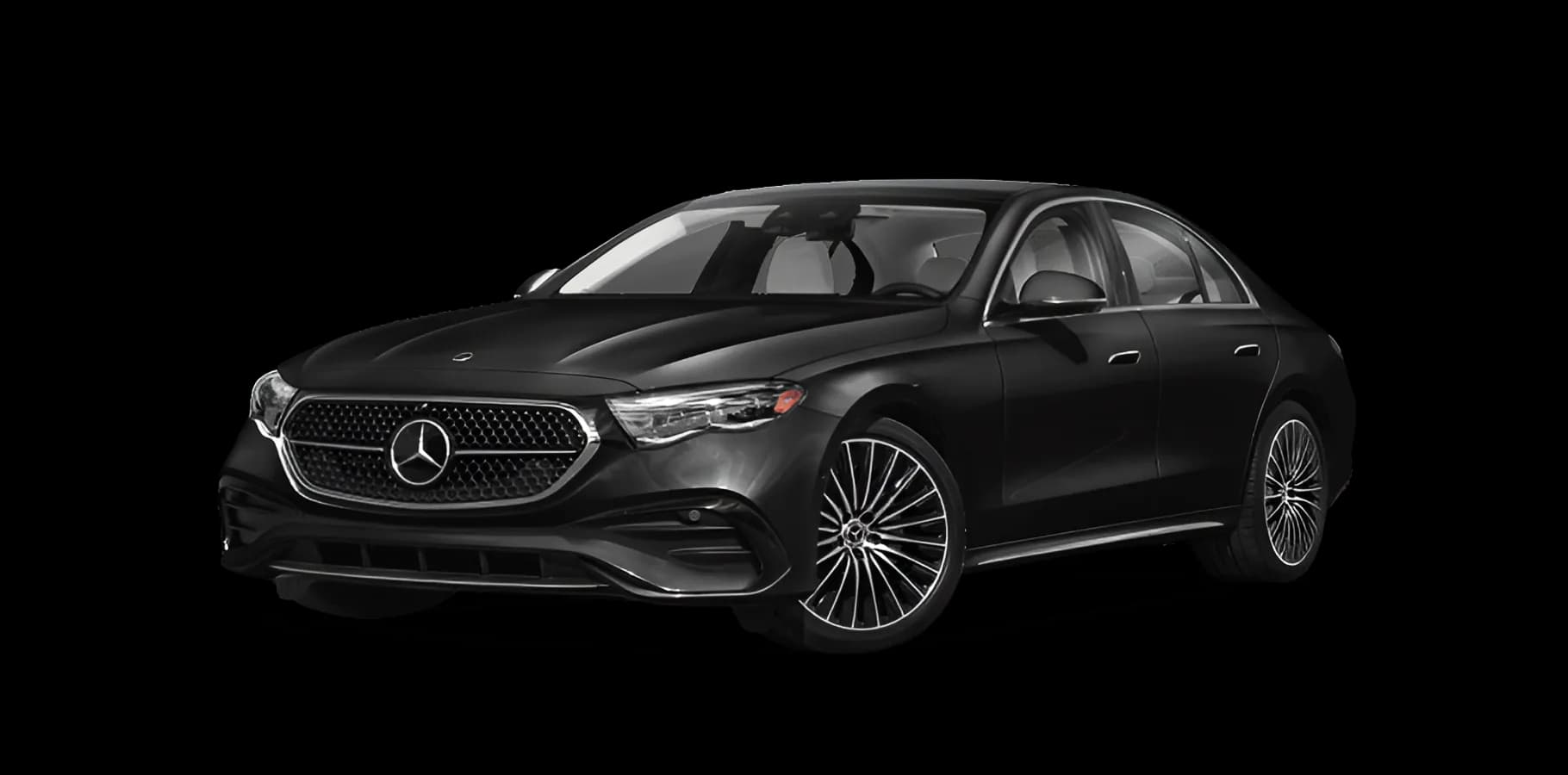
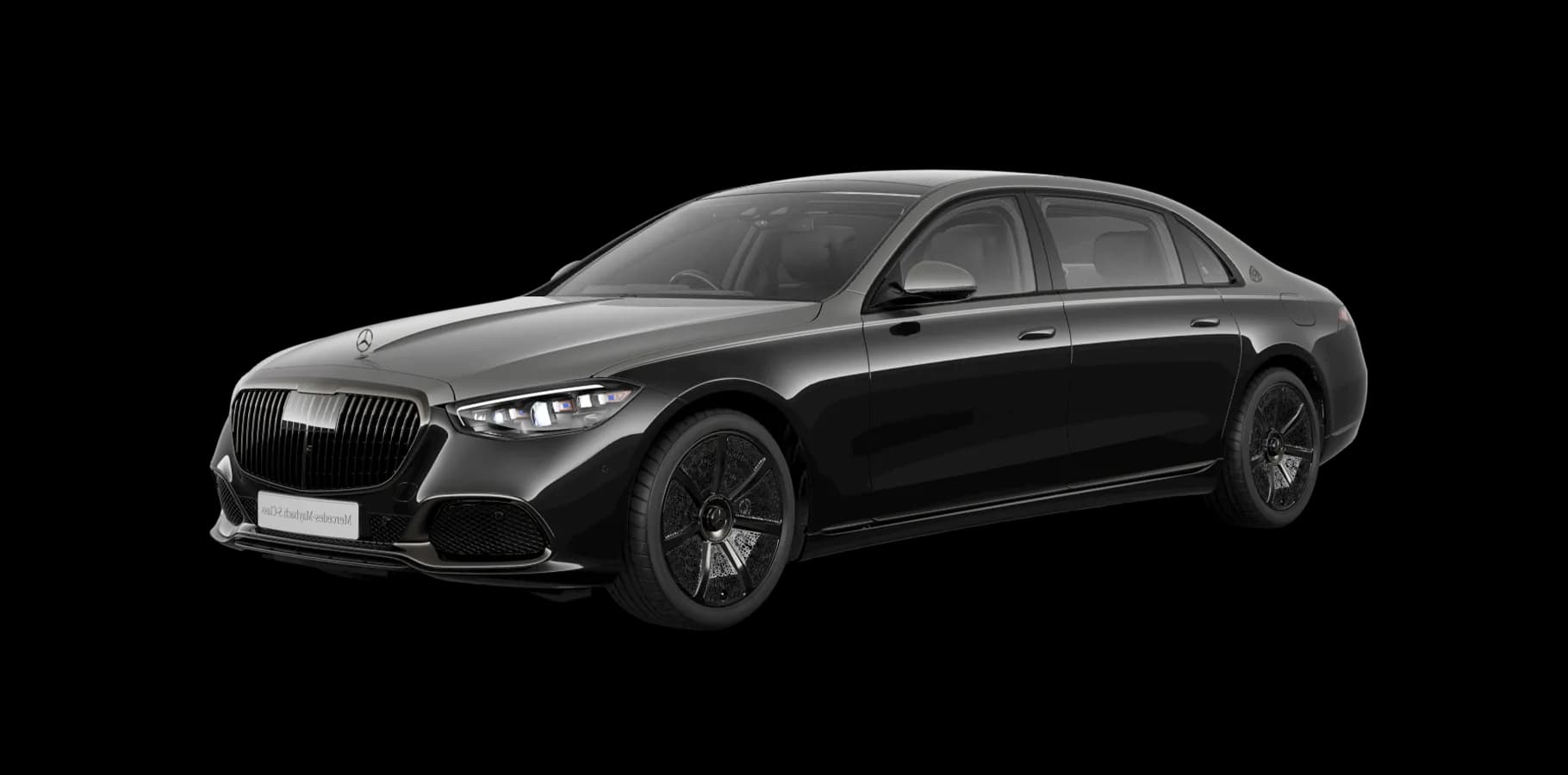
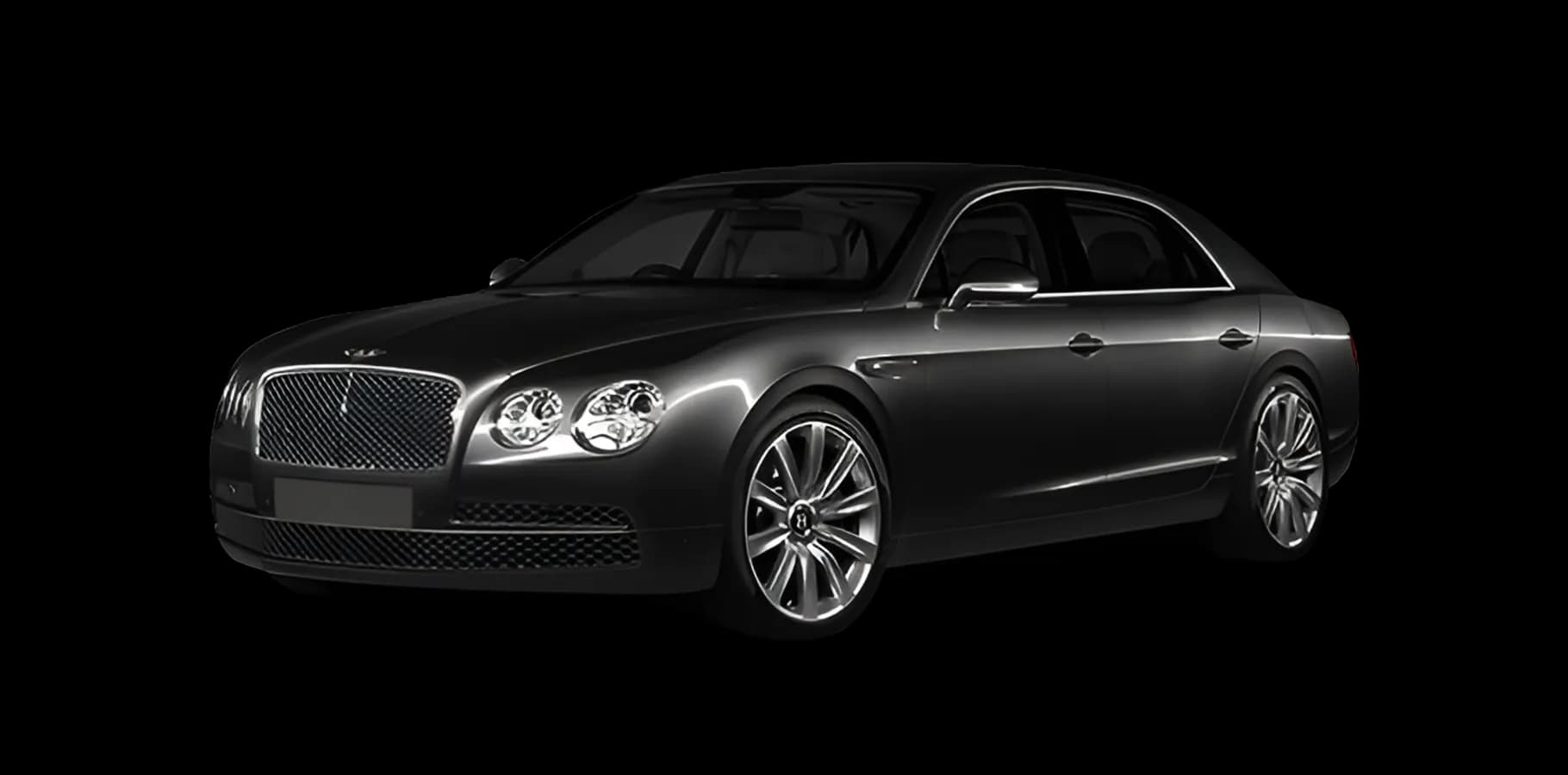
The belief that black cars cost more to insure ranks among the most persistent automotive myths circulating across New York. Drivers in Manhattan, Brooklyn, Queens, the Bronx, and Staten Island regularly ask whether choosing a sleek black sedan over a silver or white one will inflate their auto insurance premiums. At Union Limousine, we field this question from clients comparing personal vehicle costs against our commercial livery rates throughout the tri-state region of New York, New Jersey, Connecticut, and Pennsylvania.
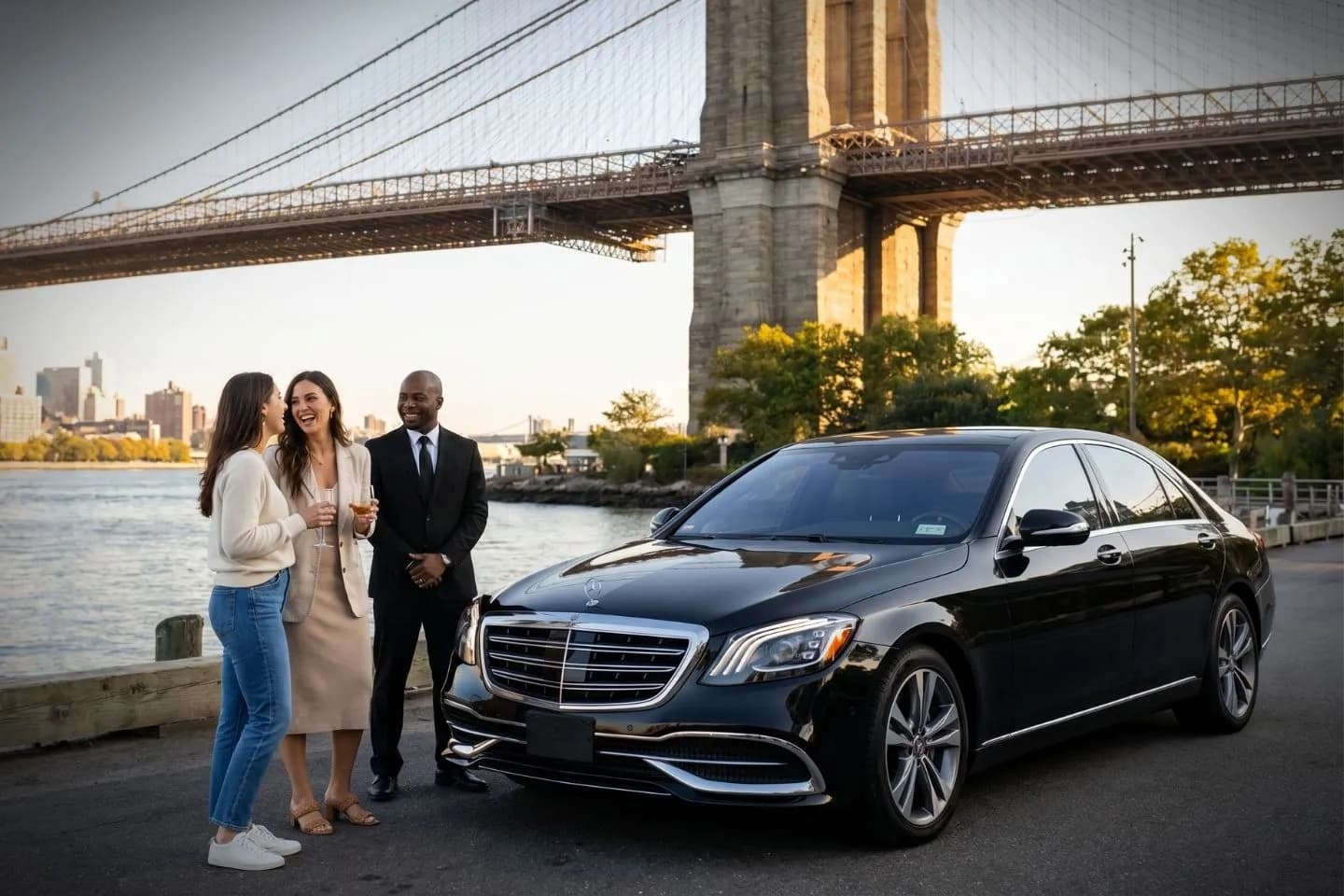
The short answer: No, insurance companies do not charge more for black cars in New York City. Vehicle color plays zero role in how carriers calculate auto insurance premiums. Yet the myth persists because of cultural associations, anecdotal experiences, and confusion between personal auto insurance and the commercial “black car” industry regulated by the NYC Taxi and Limousine Commission (TLC).
This in-depth guide explains exactly what insurers evaluate when setting rates, how New York State regulates insurance pricing, why the color myth refuses to die, and how commercial fleet operators like our team approach coverage for sedans, SUVs, stretch limousines, sprinter vans, party buses, and charter buses serving the five boroughs and Long Island.
Where Did the Black Car Insurance Myth Come from?
The notion that black cars cost more to insure has circulated for decades, fueled by several cultural and statistical misunderstandings. Understanding the origins of this belief helps explain why so many New York drivers still ask the question.
Hollywood and Pop Culture Influence
Black cars dominate luxury and sports car advertising. From James Bond's Aston Martin to executive sedans in corporate films, black represents power, speed, and sophistication. Drivers naturally associate the color with high-performance vehicles, which do carry higher insurance premiums. The confusion lies in conflating the vehicle type with the color itself.
Visibility and Accident Statistics
Some academic studies suggest black vehicles experience marginally higher accident rates due to reduced nighttime visibility. While this data exists, US insurance carriers do not incorporate color-based risk modeling into their underwriting algorithms. The variations are too small and inconsistent to justify color-based pricing tiers under regulatory scrutiny.
Theft Statistics Misinterpretation
Black ranks among the most popular vehicle colors nationally, which means black cars appear frequently in theft reports purely because of their prevalence. White, silver, and gray vehicles are stolen at comparable rates when adjusted for population share. The National Insurance Crime Bureau (NICB) consistently reports that thieves target makes and models, never paint colors.
What NYC Auto Insurance Companies Actually Evaluate?
When carriers calculate premiums for New York drivers, they rely on dozens of measurable risk factors. We've outlined the primary considerations below based on guidance from the National Association of Insurance Commissioners (NAIC) and the New York State Department of Financial Services (DFS).
Vehicle Make, Model, and Year
Insurers assess the specific vehicle by its Vehicle Identification Number (VIN). A 2024 BMW M3 carries dramatically different premiums than a 2018 Toyota Camry regardless of color. Repair costs, parts availability, and theft frequency for that exact model drive pricing decisions.
Engine Size and Performance Class
High-horsepower vehicles statistically generate higher claim frequencies. Sports cars, performance sedans, and luxury coupes face premium surcharges tied to engine displacement and horsepower ratings. A V8 muscle car will always carry a higher rate than a four-cylinder sedan from the same manufacturer.
Vehicle Safety Ratings
The Insurance Institute for Highway Safety (IIHS) and National Highway Traffic Safety Administration (NHTSA) publish ratings that insurers use directly in their underwriting. Vehicles earning Top Safety Pick+ designations qualify for safety discounts. Color never appears in these evaluations.
Driver Profile and Claims History
Personal factors weigh heavily in premium calculations. Age, marital status, credit-based insurance scores (where permitted by state law), motor vehicle records, prior claims, and continuous insurance history all influence rates. A 25-year-old driver with two speeding tickets in Brooklyn will pay substantially higher premiums than a 45-year-old clean-record driver in Staten Island operating the same vehicle.
Garaging ZIP Code
Where you park your car overnight matters enormously. ZIP codes within Manhattan and dense Brooklyn neighborhoods carry higher rates due to elevated theft, vandalism, and accident frequency. Suburban areas in Nassau County and Suffolk County typically see lower base rates than the five boroughs.
Annual Mileage and Vehicle Usage
Pleasure-use vehicles driven under 7,500 miles annually qualify for low-mileage discounts. Commuter vehicles racking up 15,000+ miles face higher premiums. Vehicles used for business purposes, ride-share work, or delivery services require commercial coverage entirely separate from personal auto policies.
New York State Insurance Regulations on Vehicle Color
The New York State Department of Financial Services oversees all insurance pricing within the state. Carriers must file their rate structures with DFS and demonstrate actuarial justification for any factor used in premium calculations.
According to the Insurance Information Institute (III), no major US insurance carrier files rates that incorporate vehicle color as a rating variable. The III has publicly debunked the color-pricing myth across multiple consumer publications, fact sheets, and industry briefings.
New York Insurance Law Article 23 governs rate-making practices statewide. Insurers must justify each rating variable with statistical evidence linking that factor to claim frequency or severity. Vehicle color has never met this regulatory threshold, and no carrier has ever attempted to file color-based rates with DFS.
Personal Auto Insurance vs. NYC Black Car Commercial Insurance
Here's where many New Yorkers get confused. The term “black car” in NYC carries dual meanings:
- A black-colored personal vehicle – the subject of the color myth
- A TLC-licensed luxury for-hire vehicle – an entirely different commercial classification
When NYC residents reference “black car service,” they typically mean luxury sedan transportation regulated by the Taxi and Limousine Commission. These vehicles operate under commercial auto insurance policies with minimum liability requirements far exceeding personal coverage.
TLC Insurance Requirements
The NYC Taxi and Limousine Commission mandates the following minimum coverage for for-hire vehicles operating within the five boroughs:
- $100,000 per person bodily injury liability
- $300,000 per accident bodily injury liability
- $200,000 personal injury protection (PIP)
- $25,000 property damage liability
- Uninsured and underinsured motorist coverage
Our fleet at Union Limousine carries coverage levels well above these statutory minimums, reflecting our commitment to passenger safety across every trip serving Manhattan, Brooklyn, Queens, the Bronx, and Staten Island.
Why Commercial Premiums Exceed Personal Rates?
Commercial livery insurance carries substantially higher costs compared to personal auto coverage because of increased exposure: higher annual mileage, passenger liability, longer operating hours, and broader geographic coverage. A TLC-licensed sedan operating throughout the five boroughs may carry annual premiums between $5,000 and $9,000 depending on the carrier and vehicle profile. None of that pricing relates to the vehicle's paint color.
Borough by Borough Insurance Cost Variations Across NYC
Geographic location drives substantial premium differences across the New York metropolitan area. We've broken down the typical patterns observed by carriers across our service region.
Manhattan
The borough's congestion, limited parking availability, frequent theft incidents, and high pedestrian density push premiums to the top of the New York scale. ZIP codes covering Midtown, the Financial District, and the Upper East Side consistently rank among the costliest insurance markets nationwide. Drivers should expect annual premiums roughly 40 to 60 percent above the national average.
Brooklyn
Premium rates vary dramatically across Brooklyn neighborhoods. Williamsburg, DUMBO, and Park Slope typically see moderate rates, while areas with higher claim frequencies face surcharges. Coverage for vehicles garaged in Brooklyn averages 15 to 25 percent above national means.
Queens
The borough's mixed urban-suburban profile produces moderate premiums overall. Long Island City and Astoria face Manhattan-adjacent pricing pressure, while neighborhoods further east approach Nassau County rate structures. Queens drivers benefit from a wider range of garaging options compared to denser boroughs.
The Bronx
Bronx ZIP codes historically rank among the highest-premium areas in the country. Theft frequency, uninsured motorist rates, and accident severity all contribute to elevated pricing. Drivers in the South Bronx face particular underwriting scrutiny.
Staten Island
The borough generally offers the lowest insurance premiums within the five boroughs, reflecting lower population density and reduced traffic complexity compared to Manhattan or Brooklyn. Staten Island residents typically enjoy rates competitive with inner Nassau County.
Nassau County and Suffolk County
Long Island drivers typically enjoy lower premiums than their NYC counterparts. Carriers view suburban Long Island as a less risky garaging environment. Nassau County rates generally run 20 to 35 percent below Manhattan averages, with Suffolk County rates running even lower. Many of our regular clients commute between Long Island and Manhattan for business travel.
Our Fleets at Union Limousine Approaches Commercial Insurance
We operate a diverse fleet engineered for every type of New York transportation request. Each vehicle class carries its own insurance considerations, and we maintain coverage tailored to each segment.
Sedans (1 to 3 Passengers)
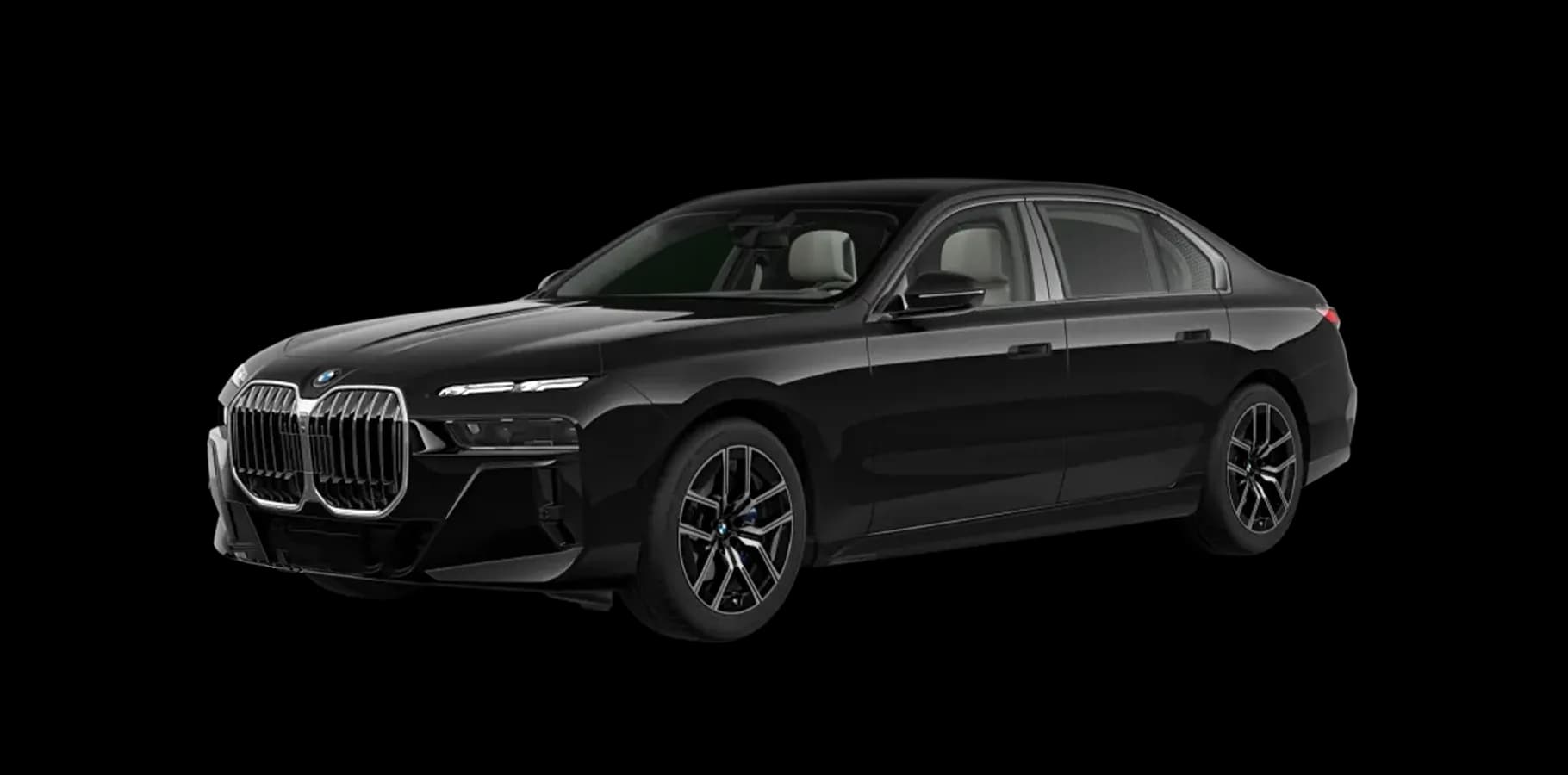
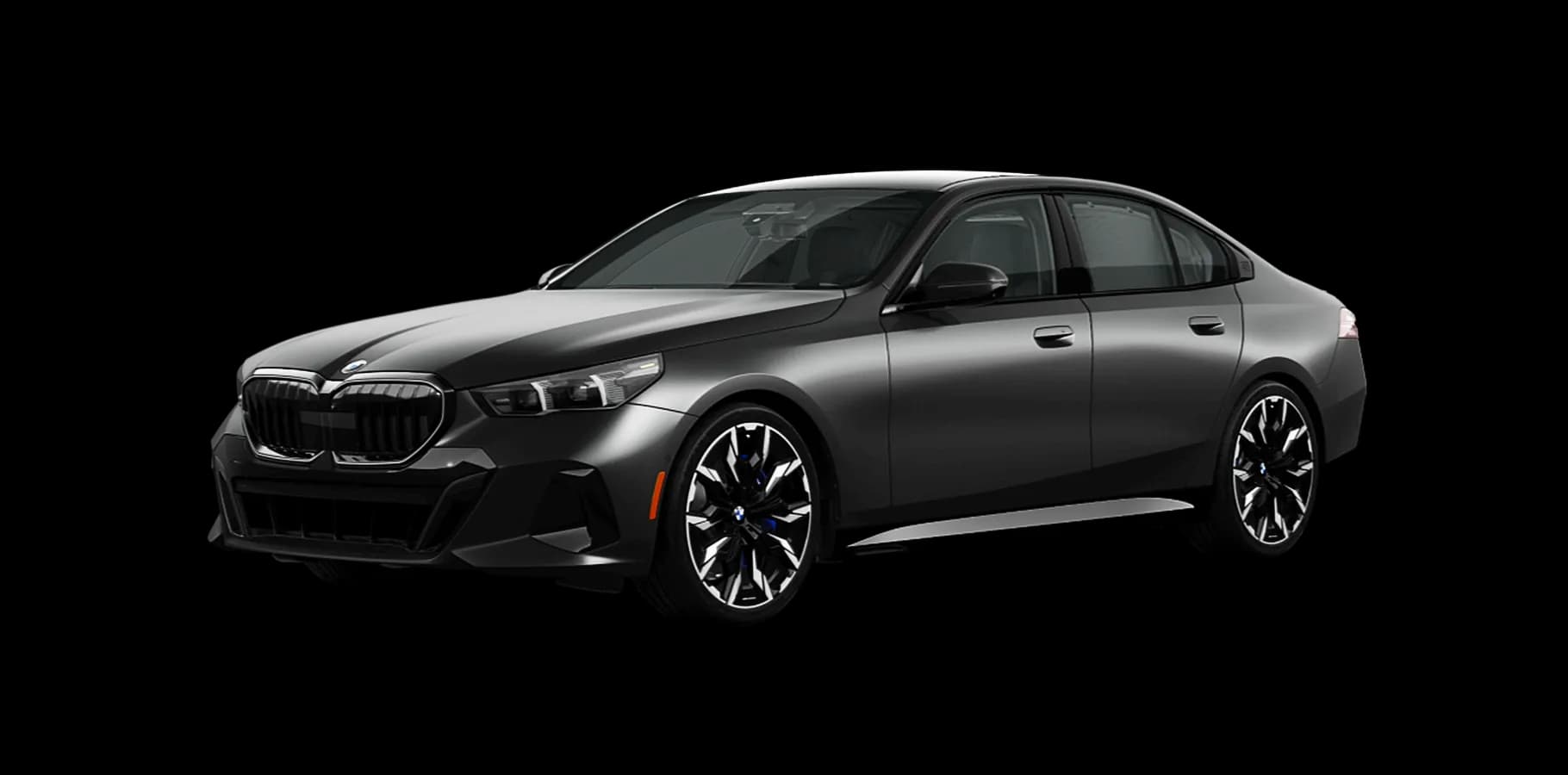
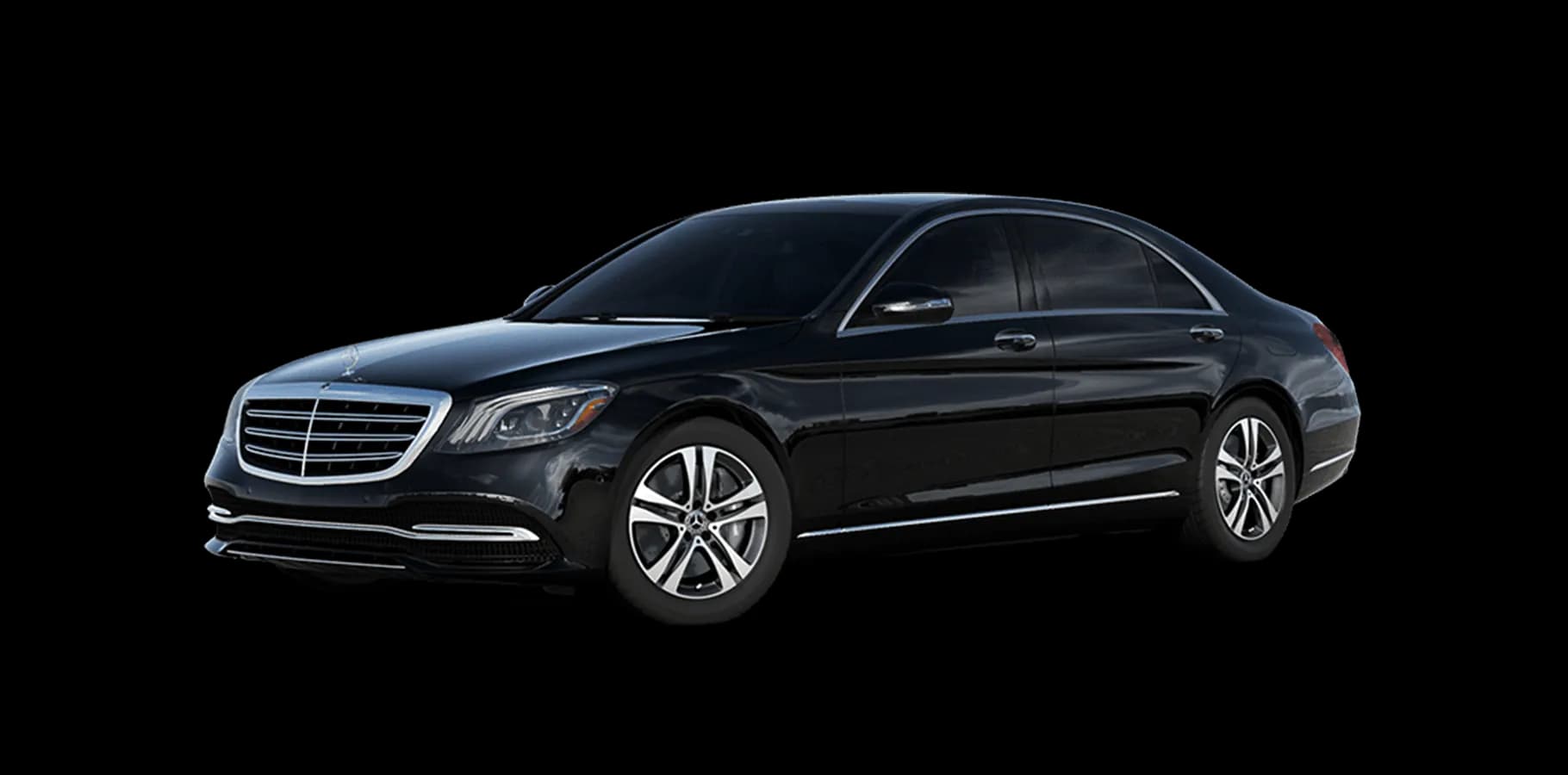
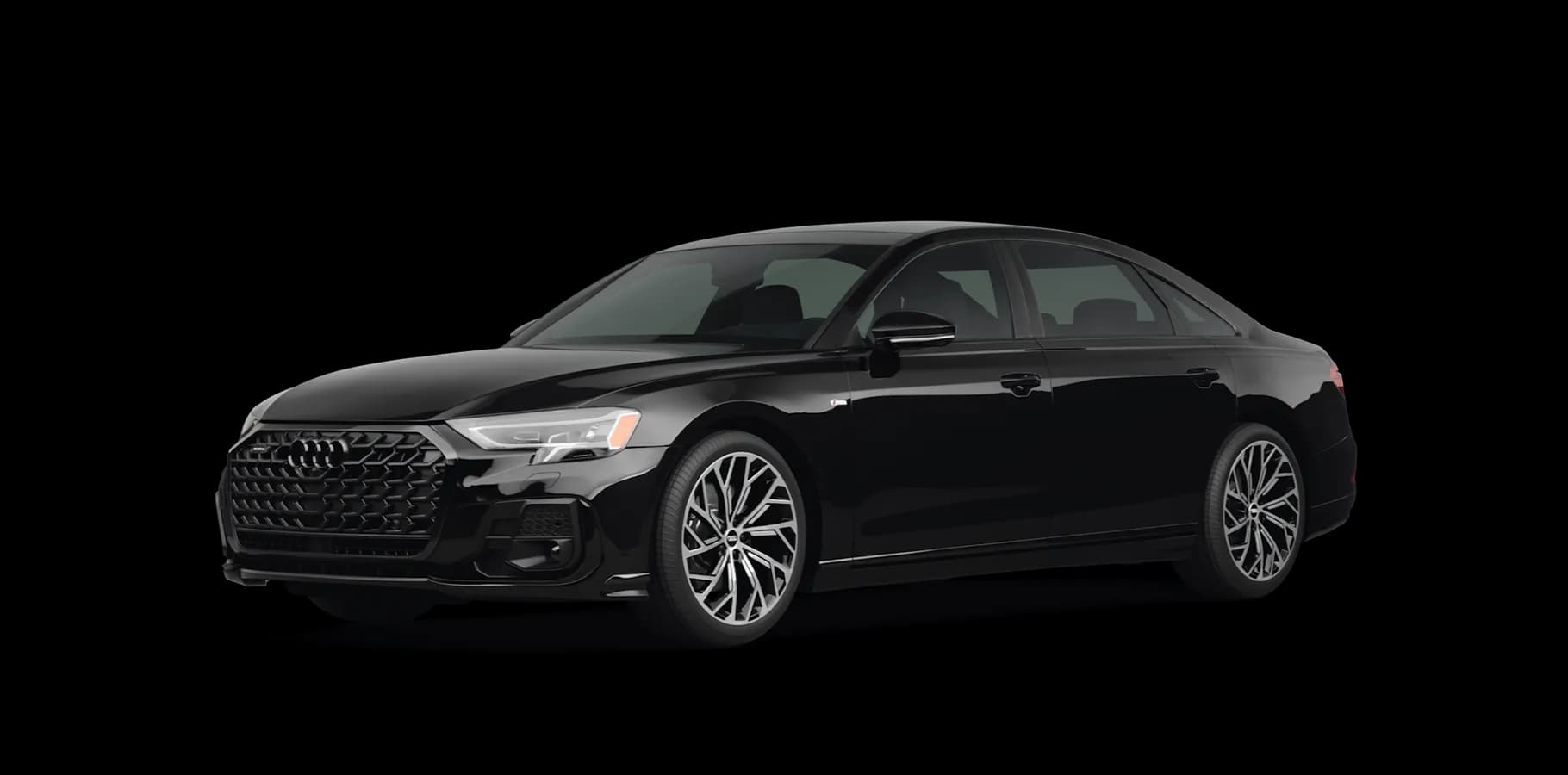
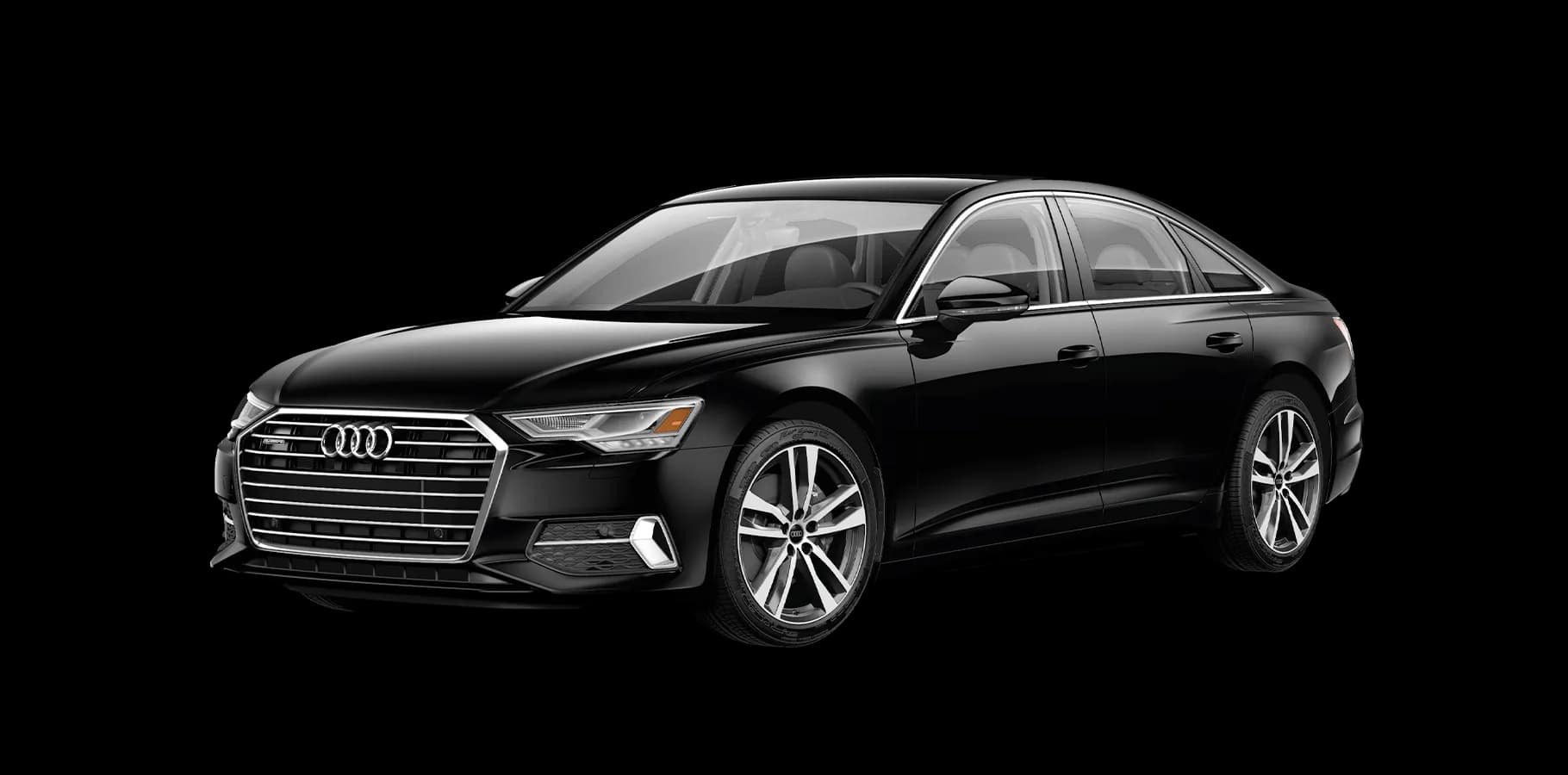
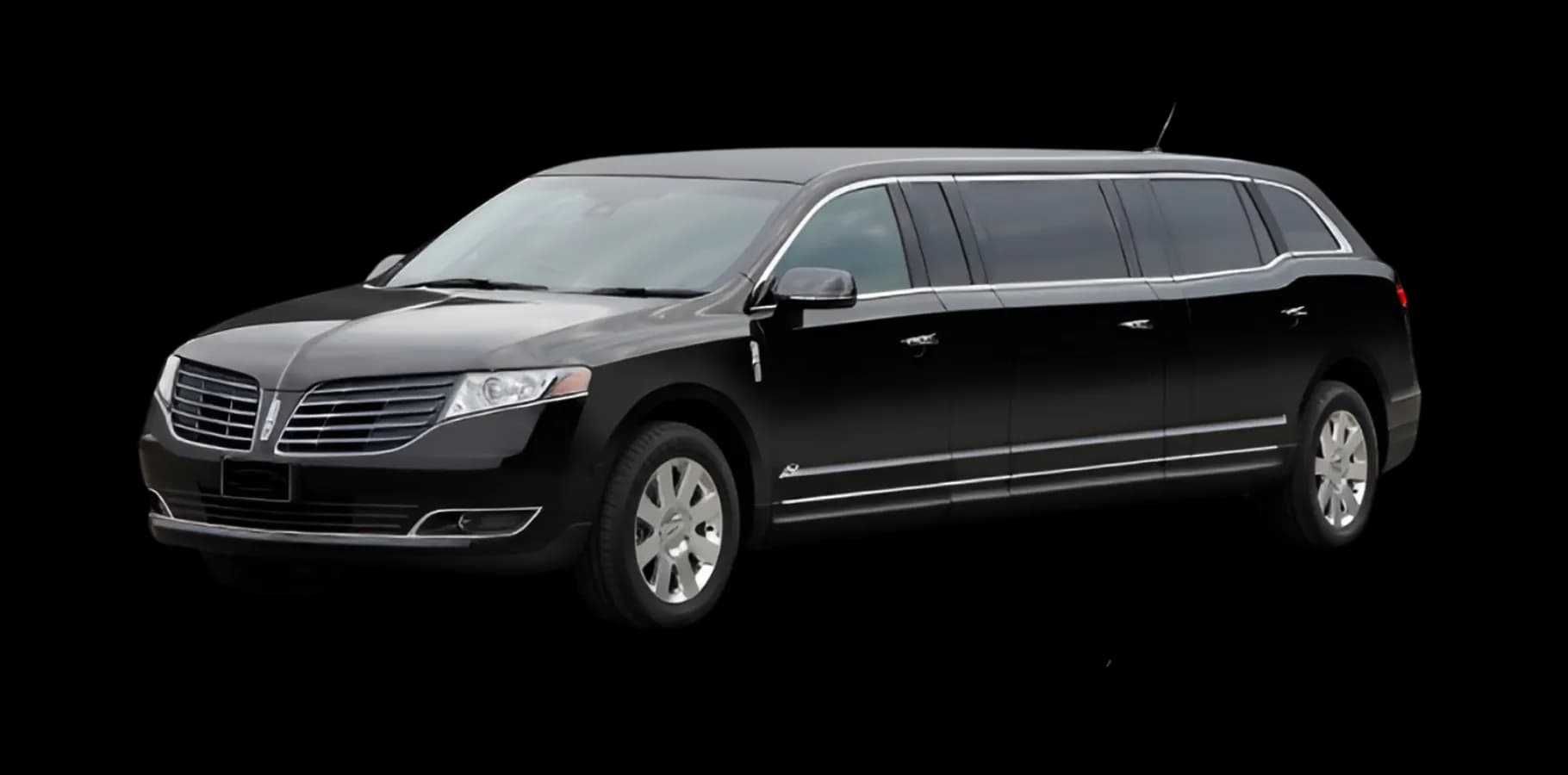
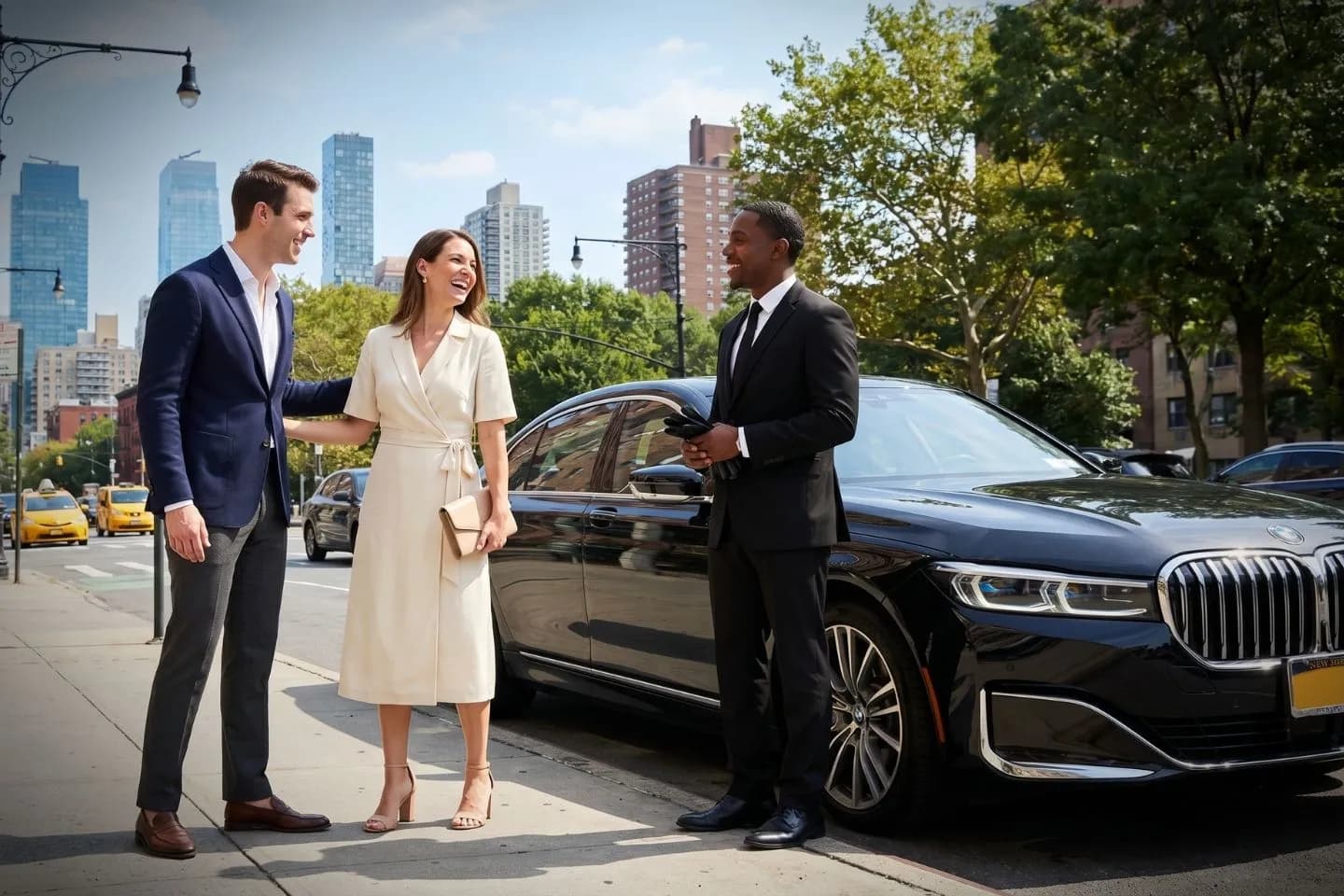
Our luxury sedans serve corporate clients, airport transfers, and individual transportation throughout the tri-state region. These TLC-licensed vehicles carry comprehensive commercial coverage designed for high-frequency executive service. Common use cases include LaGuardia, JFK, and Newark airport runs, business meetings, and point-to-point travel within Manhattan.
SUVs (1 to 6 Passengers)
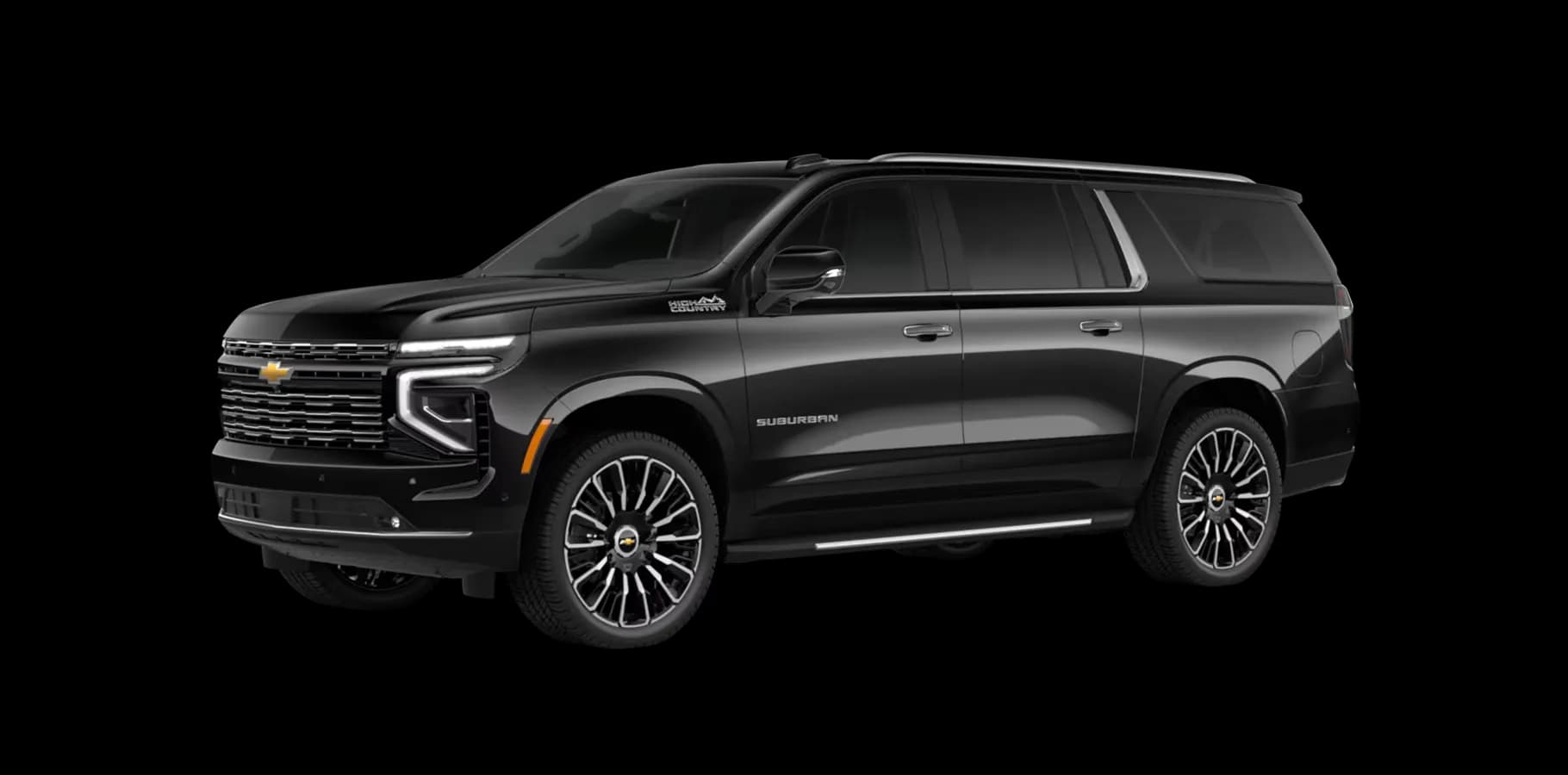
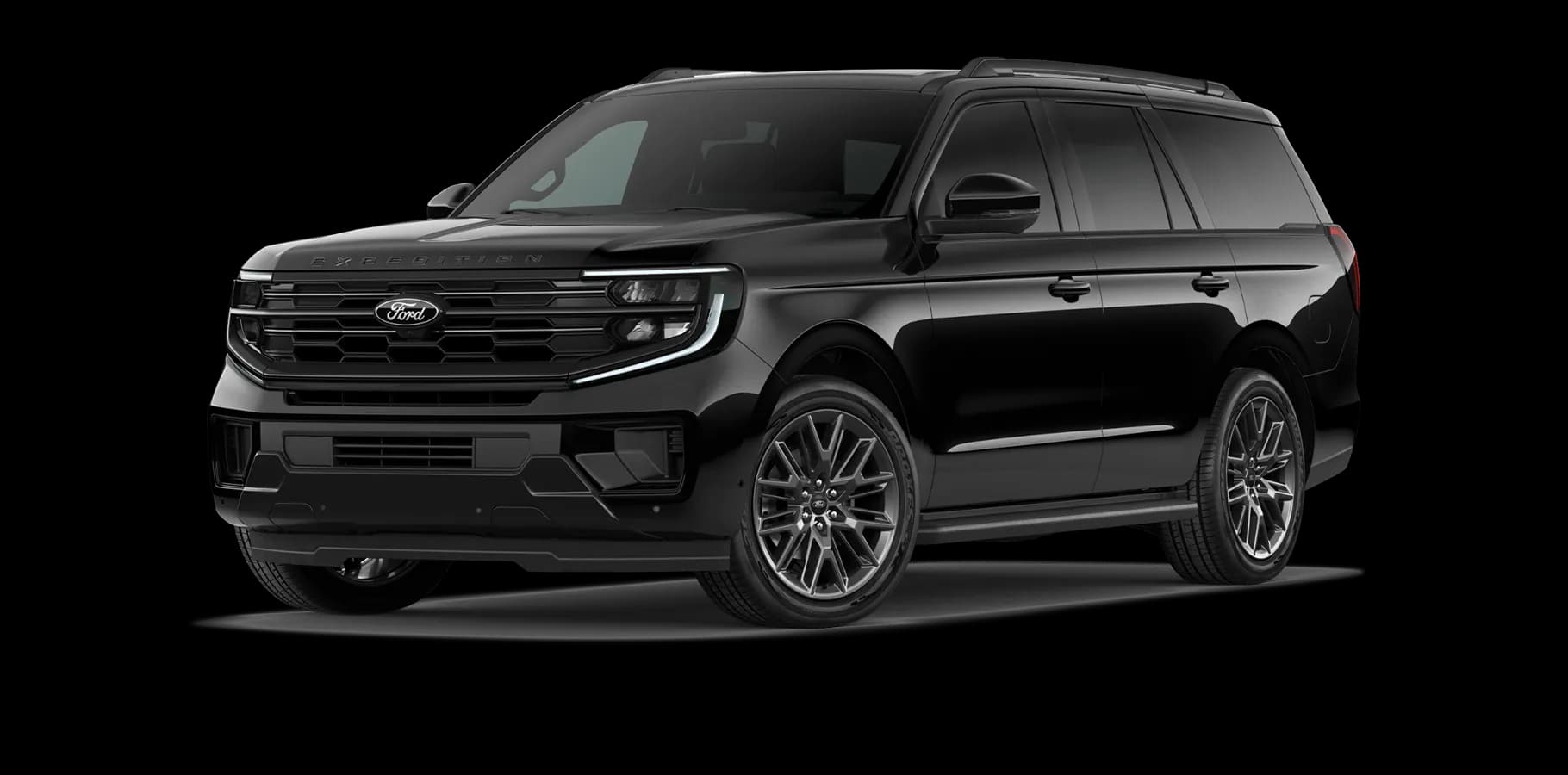
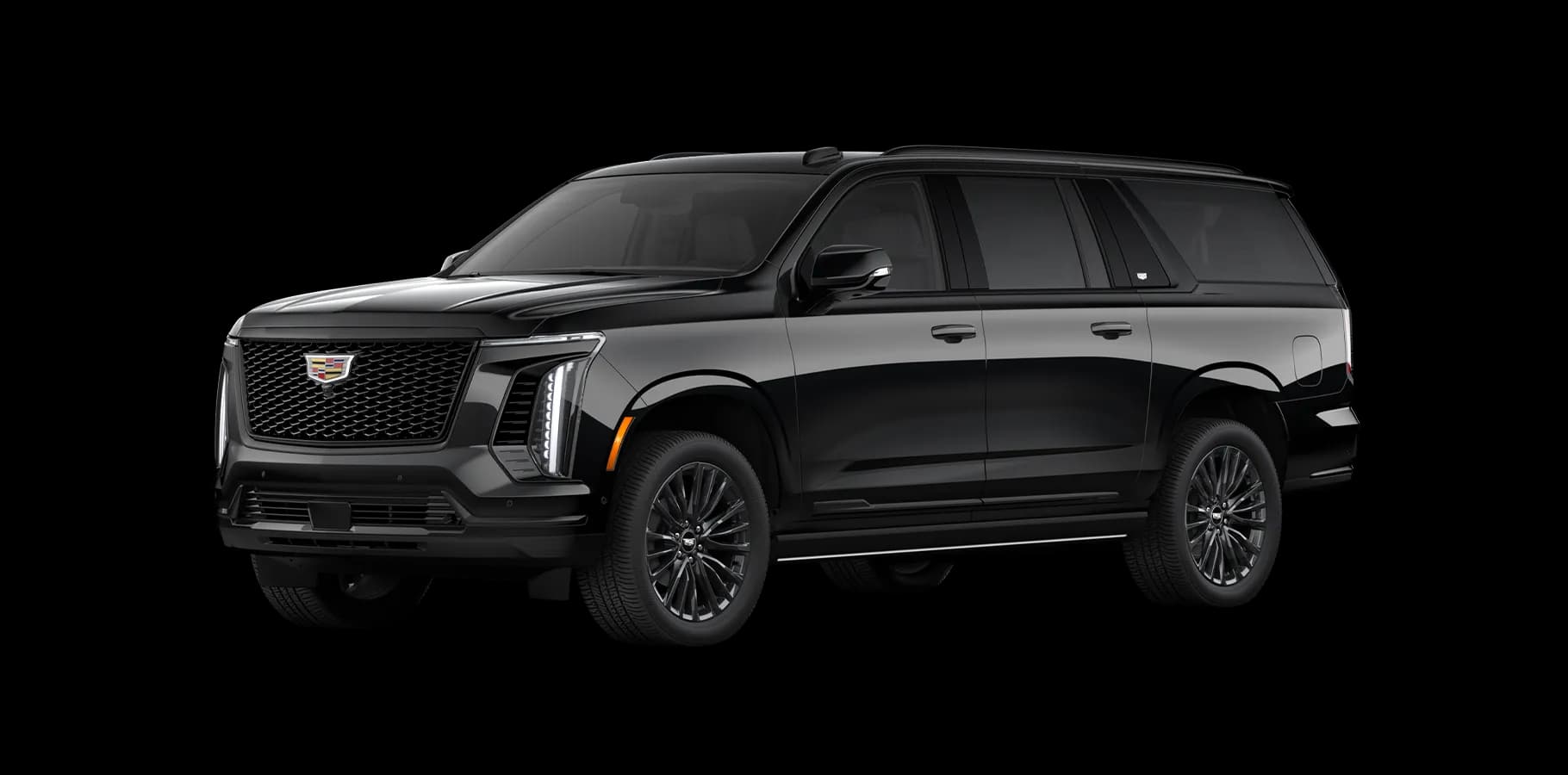
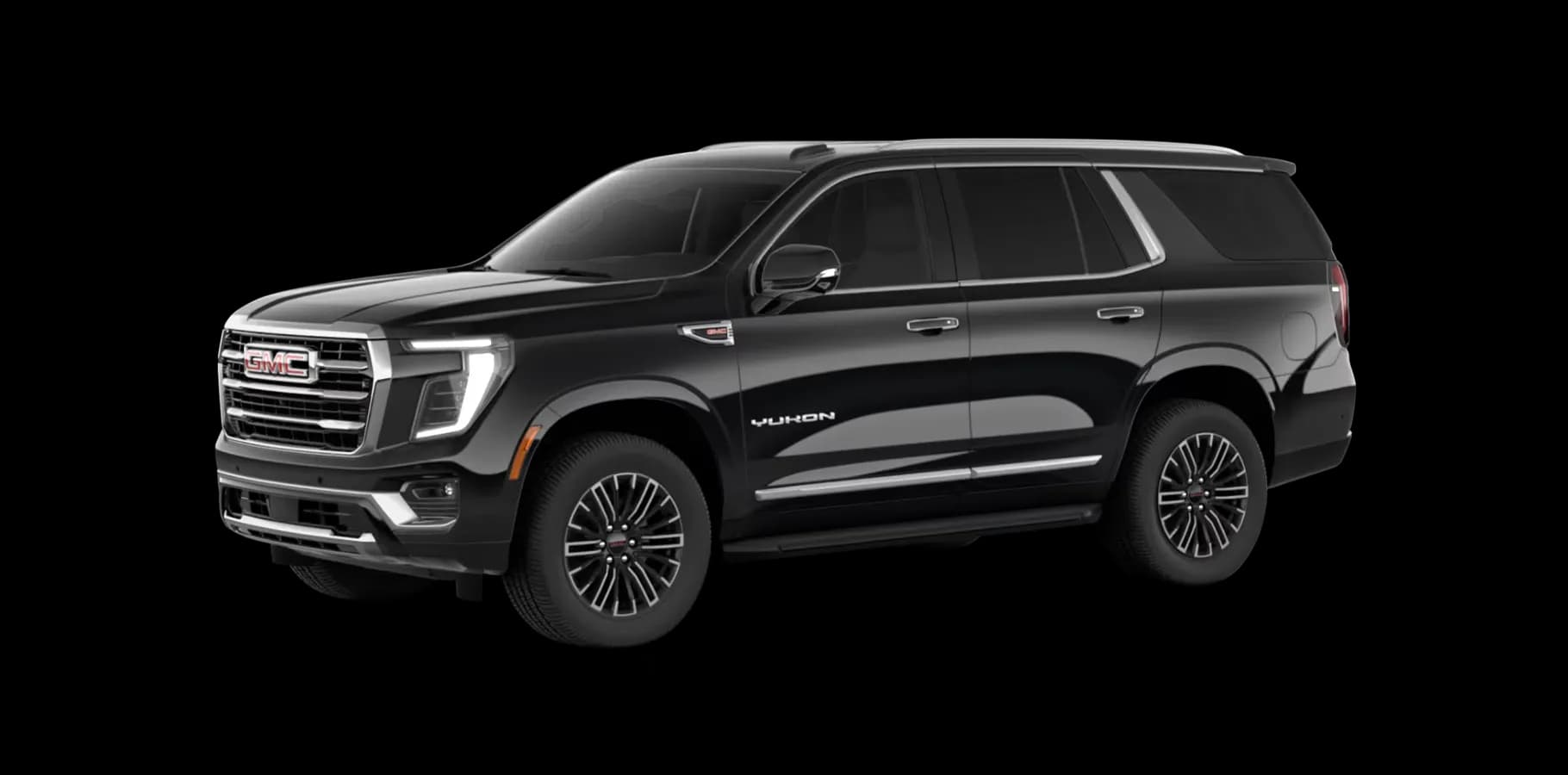
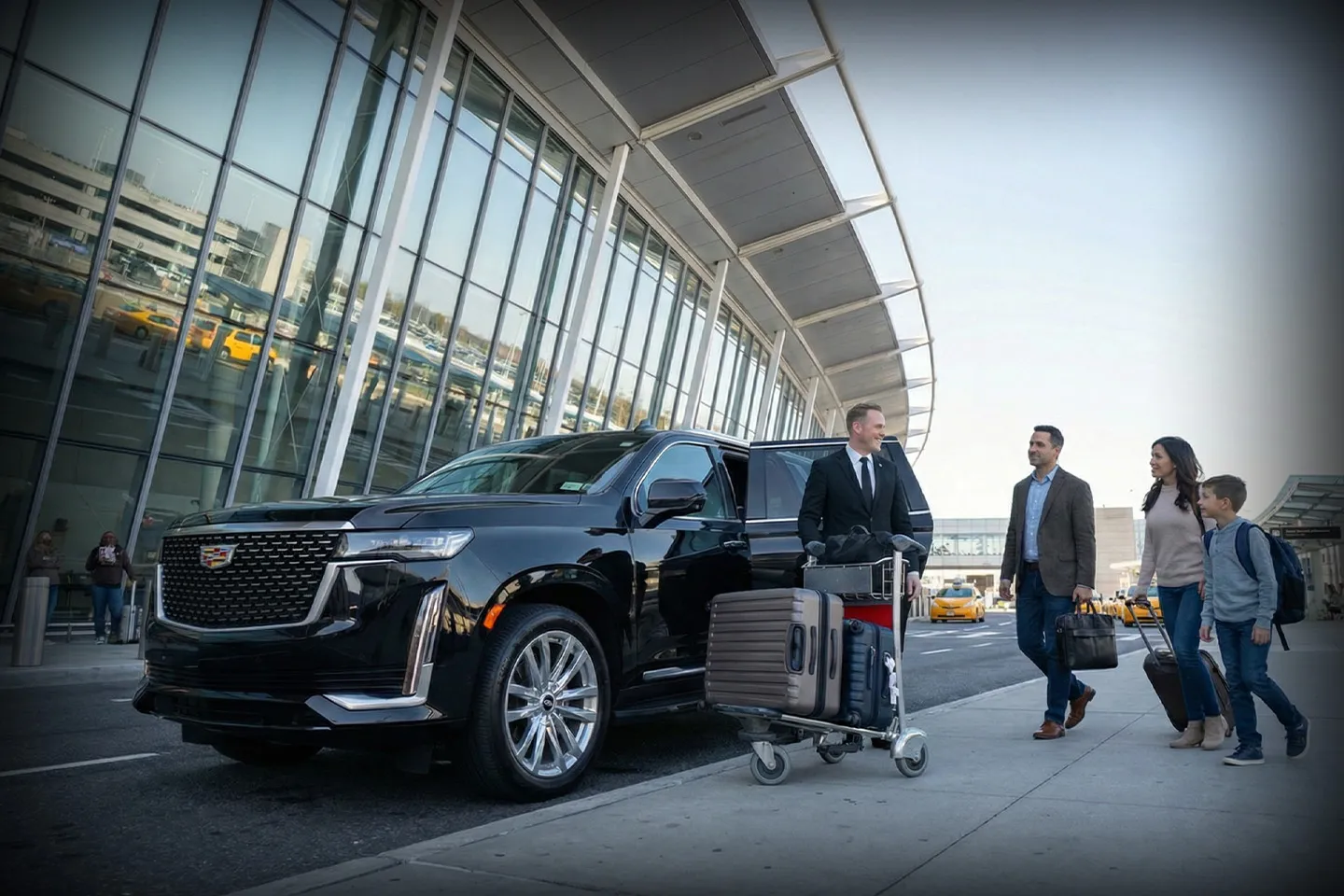
We deploy premium SUVs for clients requiring extra luggage capacity, family transportation, or small group travel. Coverage reflects the higher vehicle value and passenger capacity. SUVs handle airport runs with golf clubs or extensive luggage, family events, and group corporate travel.
Stretch Limousines (6 to 20 Passengers)
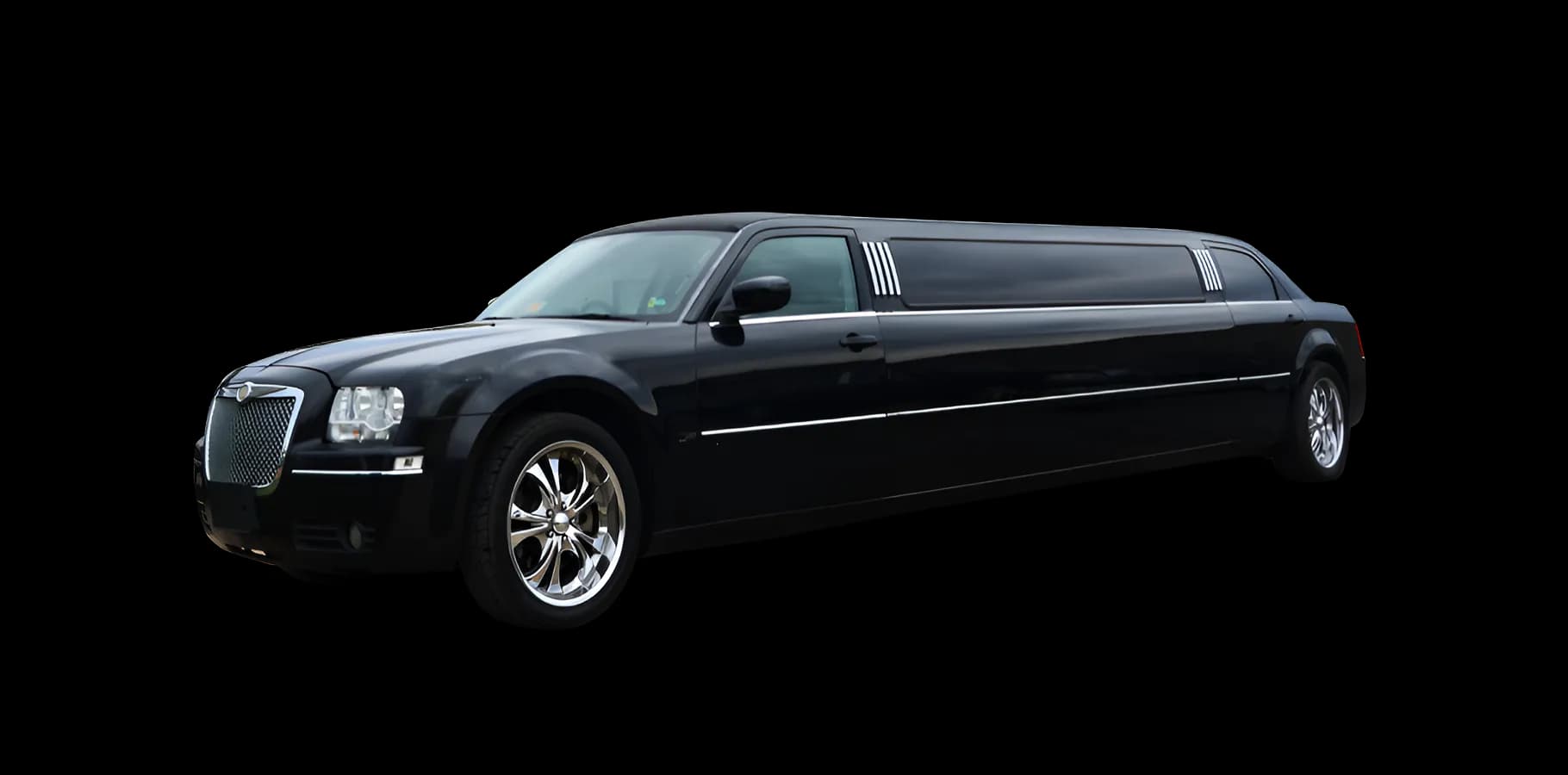
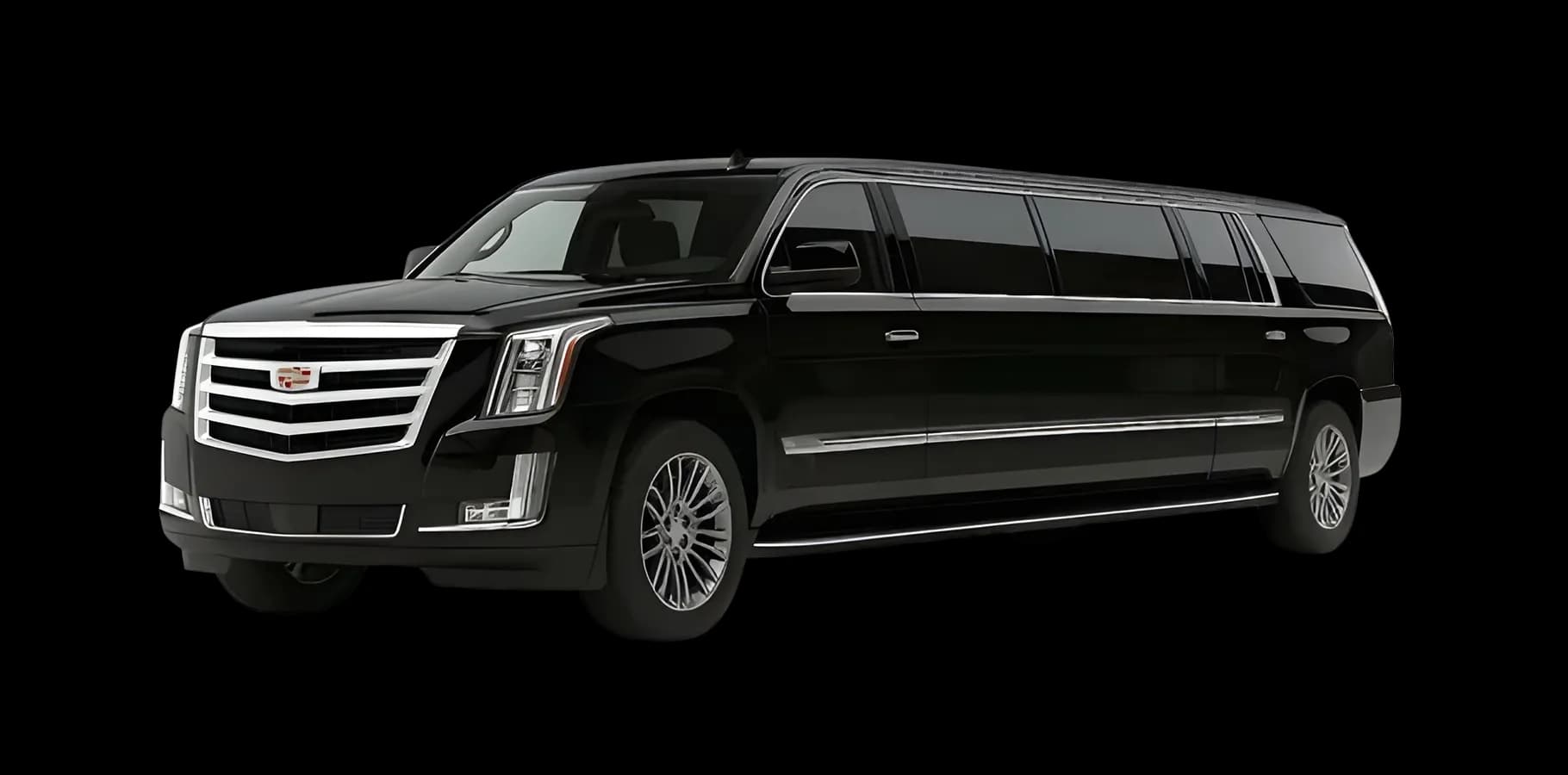
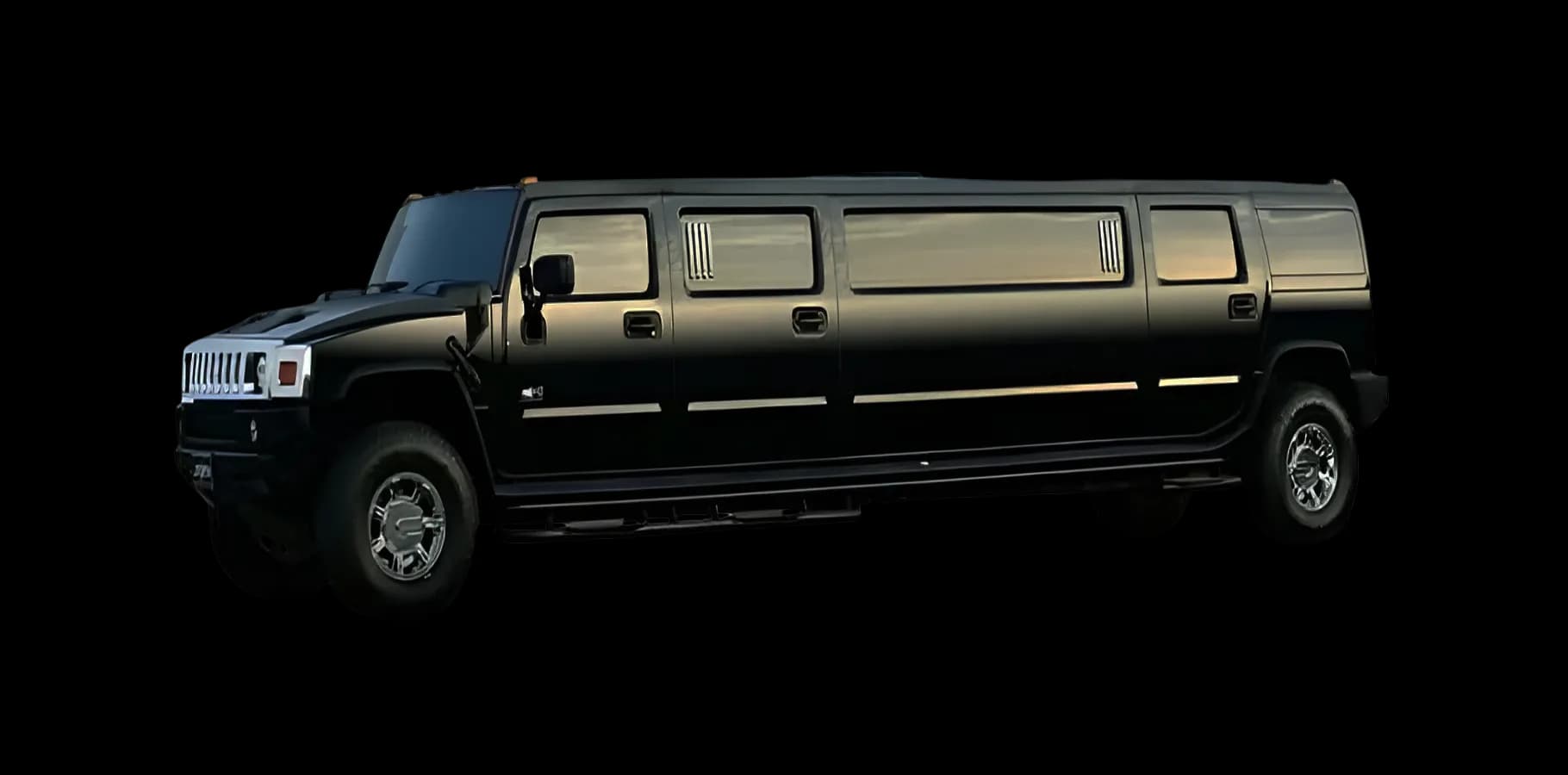
Stretch limos handle weddings, proms, anniversaries, and milestone celebrations across the five boroughs and Long Island. Specialty livery coverage protects passengers and vehicles during these high-value occasions. Our stretch limos remain a top choice for bridal parties and prom groups throughout Queens and Brooklyn.
Sprinter Vans (10 to 14 Passengers)
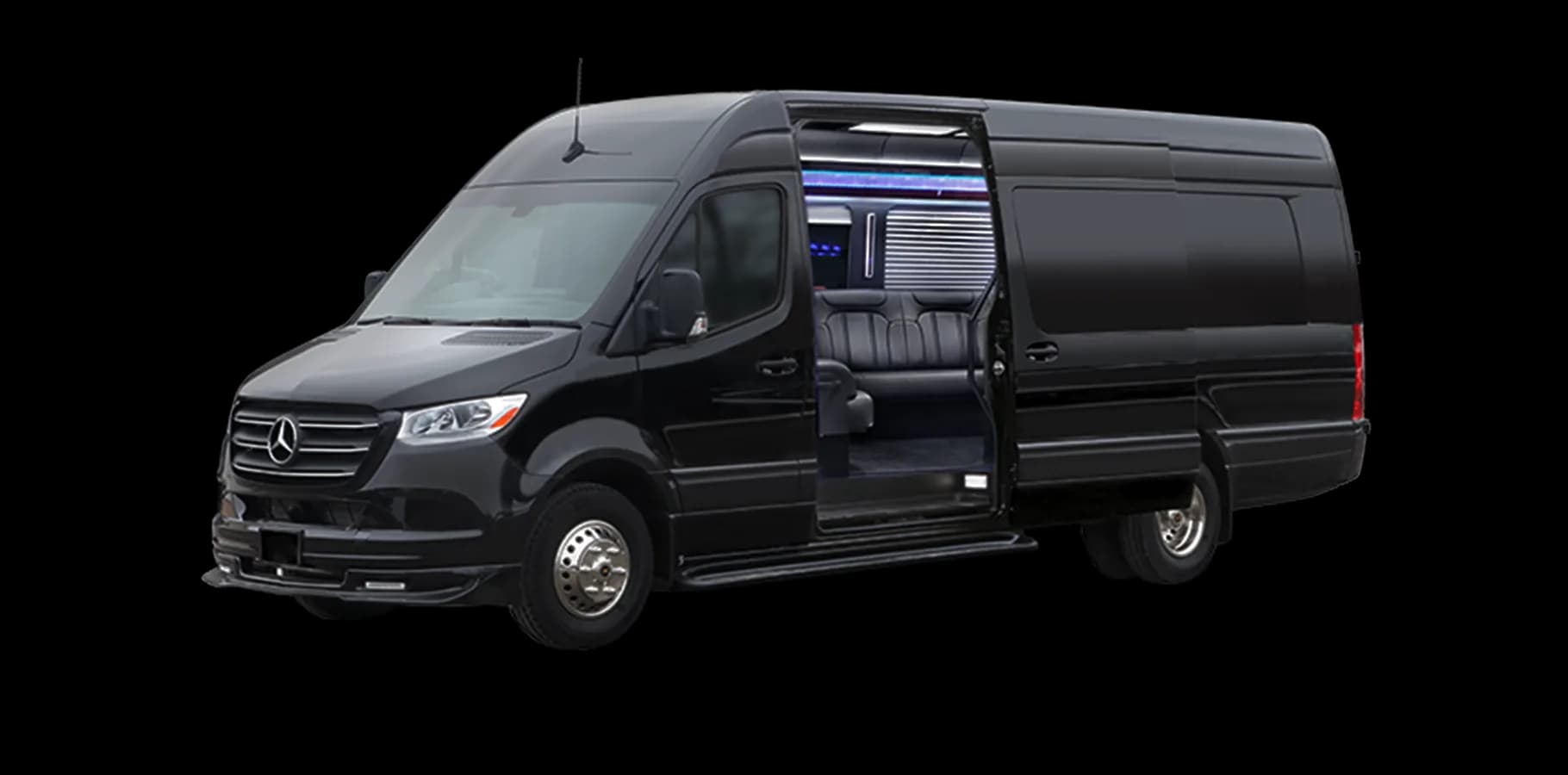
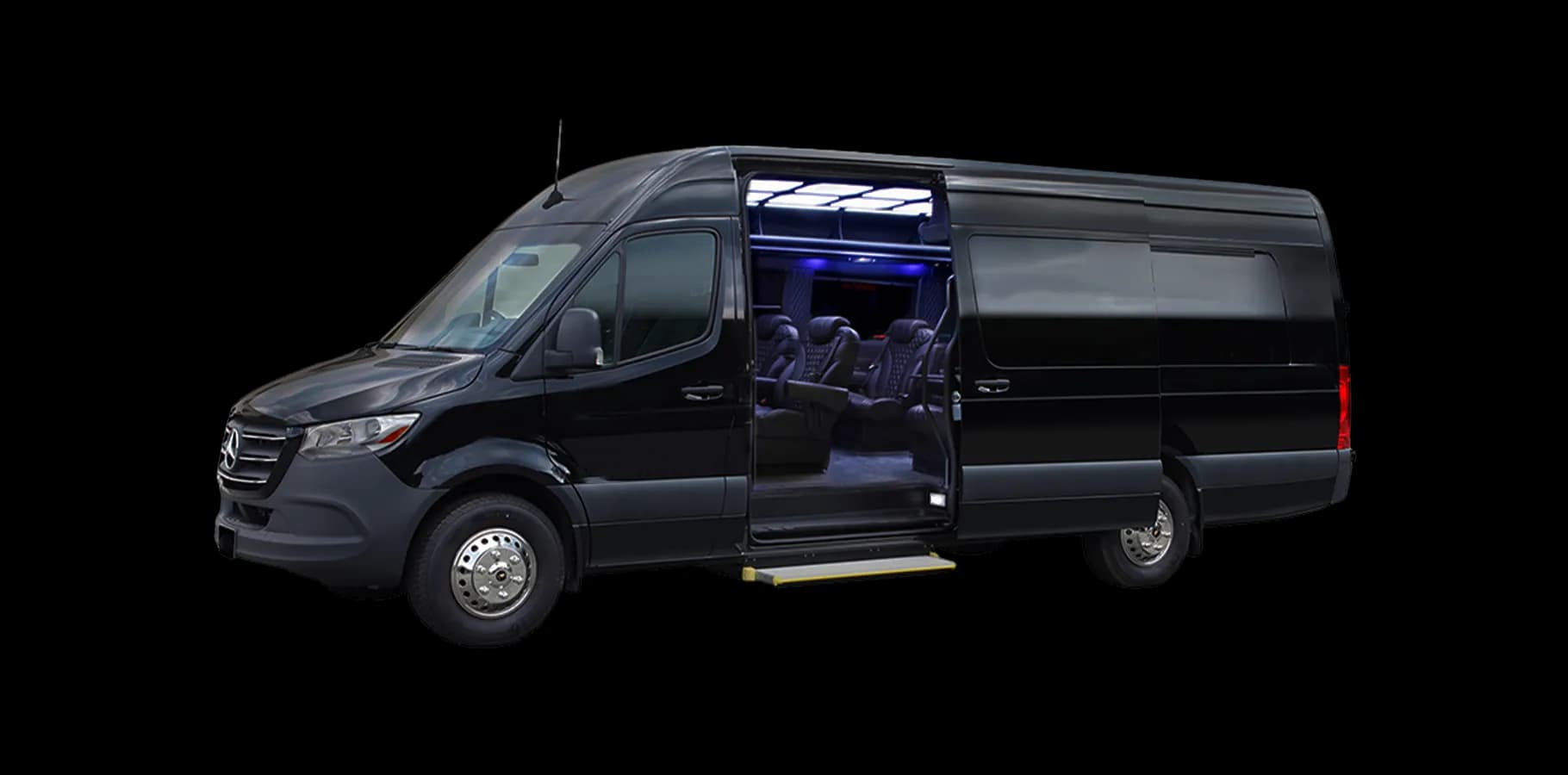
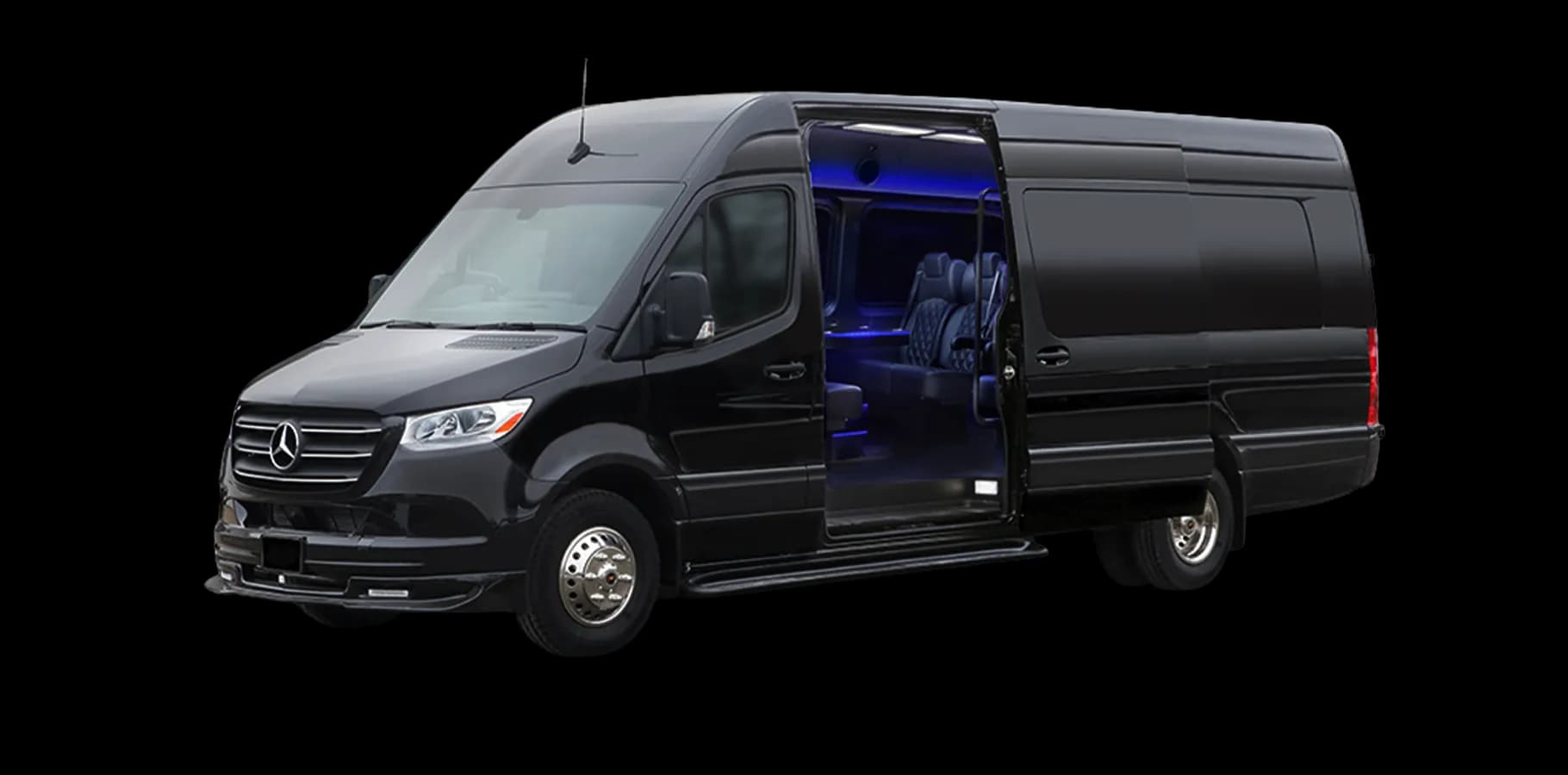
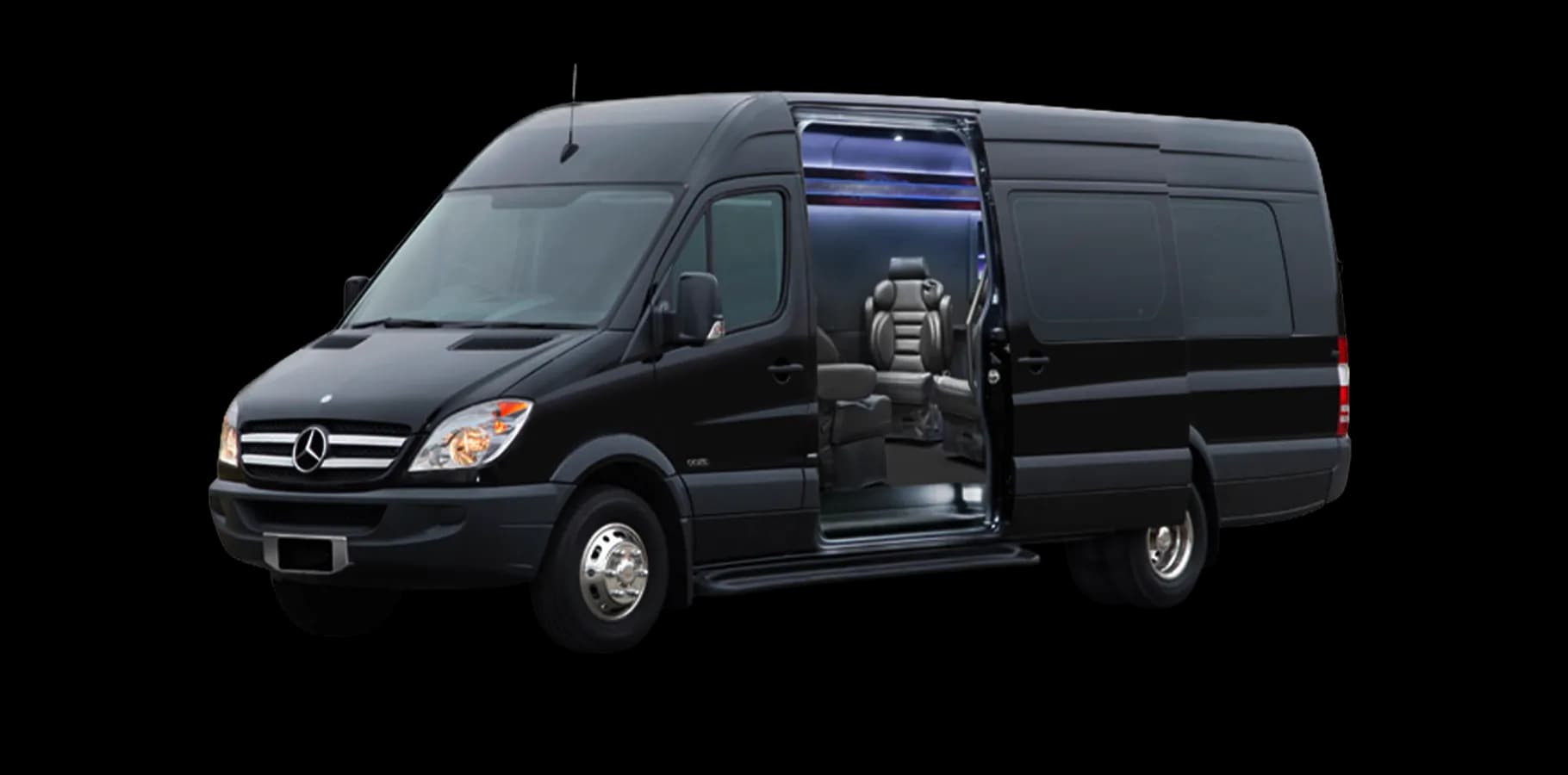
Mercedes-Benz Sprinter vans offer executive transportation for mid-sized corporate groups, wedding parties, and family events. We carry passenger-specific liability coverage tailored to multi-occupant transport. Sprinter vans excel at airport shuttles, corporate retreats, and bachelor or bachelorette parties.
Party Buses (15 to 40 Passengers)
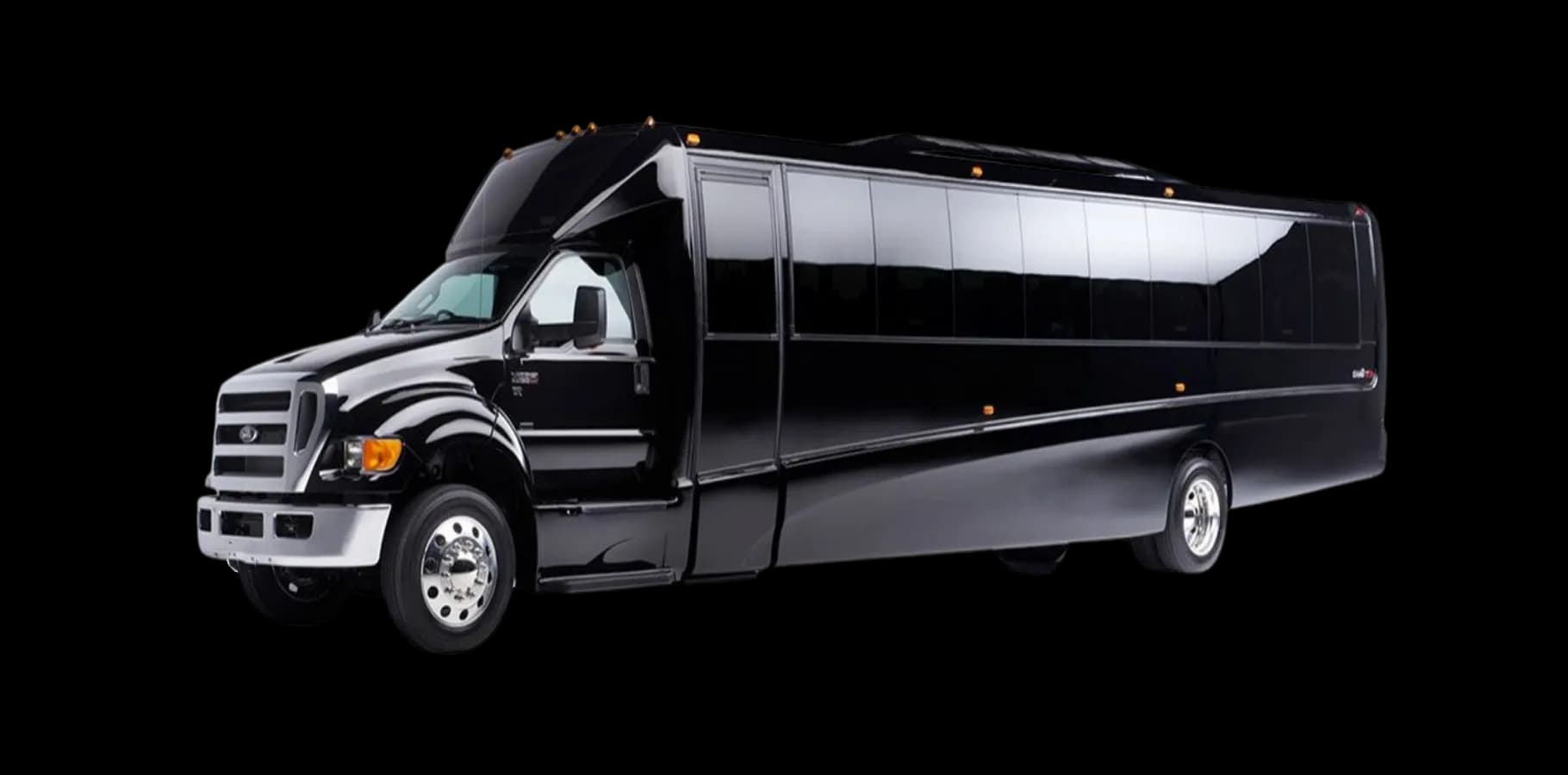
Party buses require specialized insurance reflecting their entertainment configuration, lighting systems, and passenger capacity. Coverage addresses both transportation liability and venue-style passenger considerations. Popular for birthdays, bachelorette nights, casino trips, and brewery tours across the tri-state region.
Mini Charter Buses (20 to 30 Passengers)
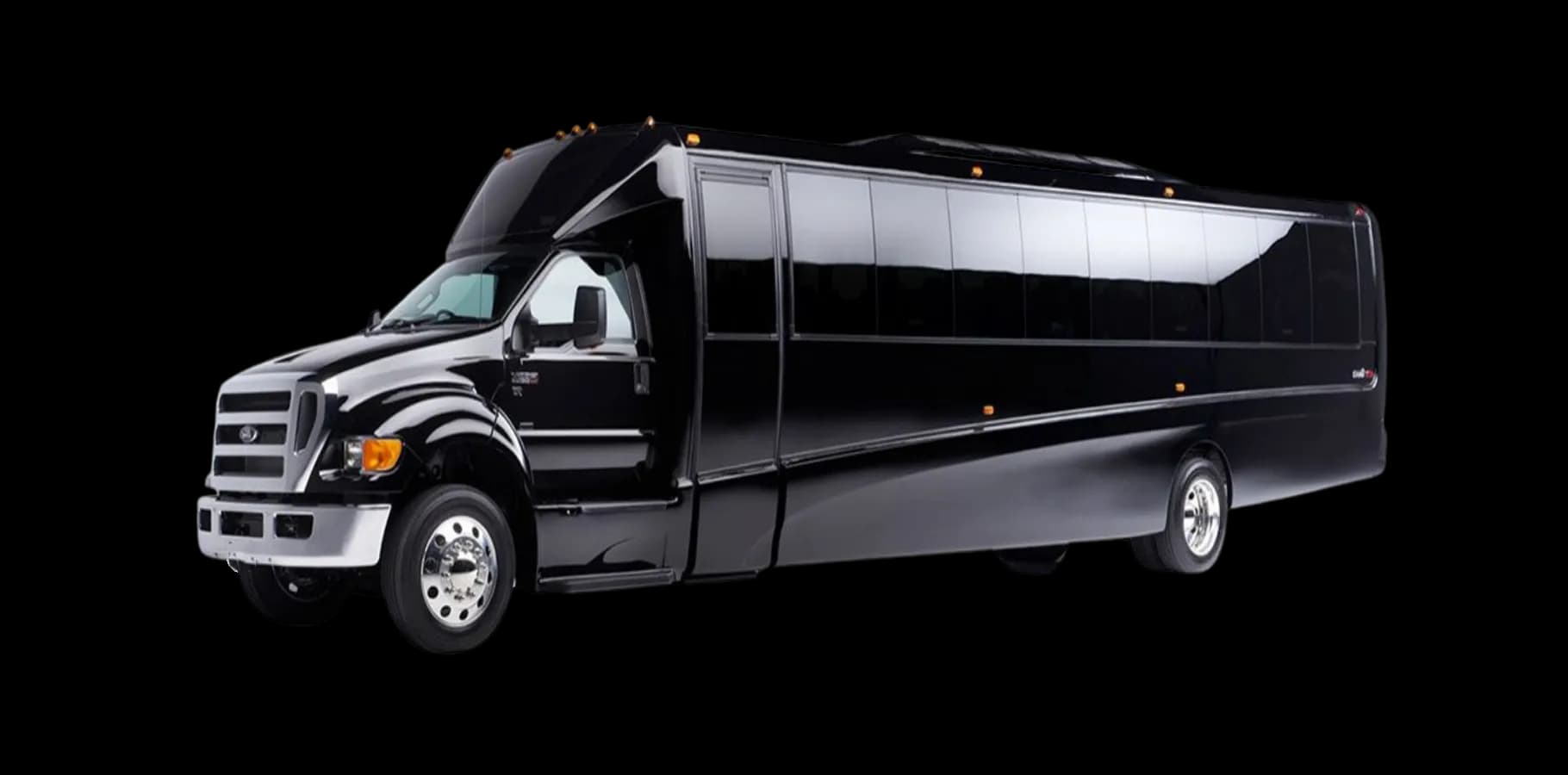
Mini charter buses transport sports teams, corporate retreats, and tour groups throughout Manhattan, Brooklyn, Queens, the Bronx, and Staten Island. Insurance reflects interstate operating capabilities serving New York, New Jersey, Connecticut, and Pennsylvania routes. Use cases include school field trips, corporate offsites, and wedding shuttle service.
Full-Size Charter Buses (40 to 56 Passengers)
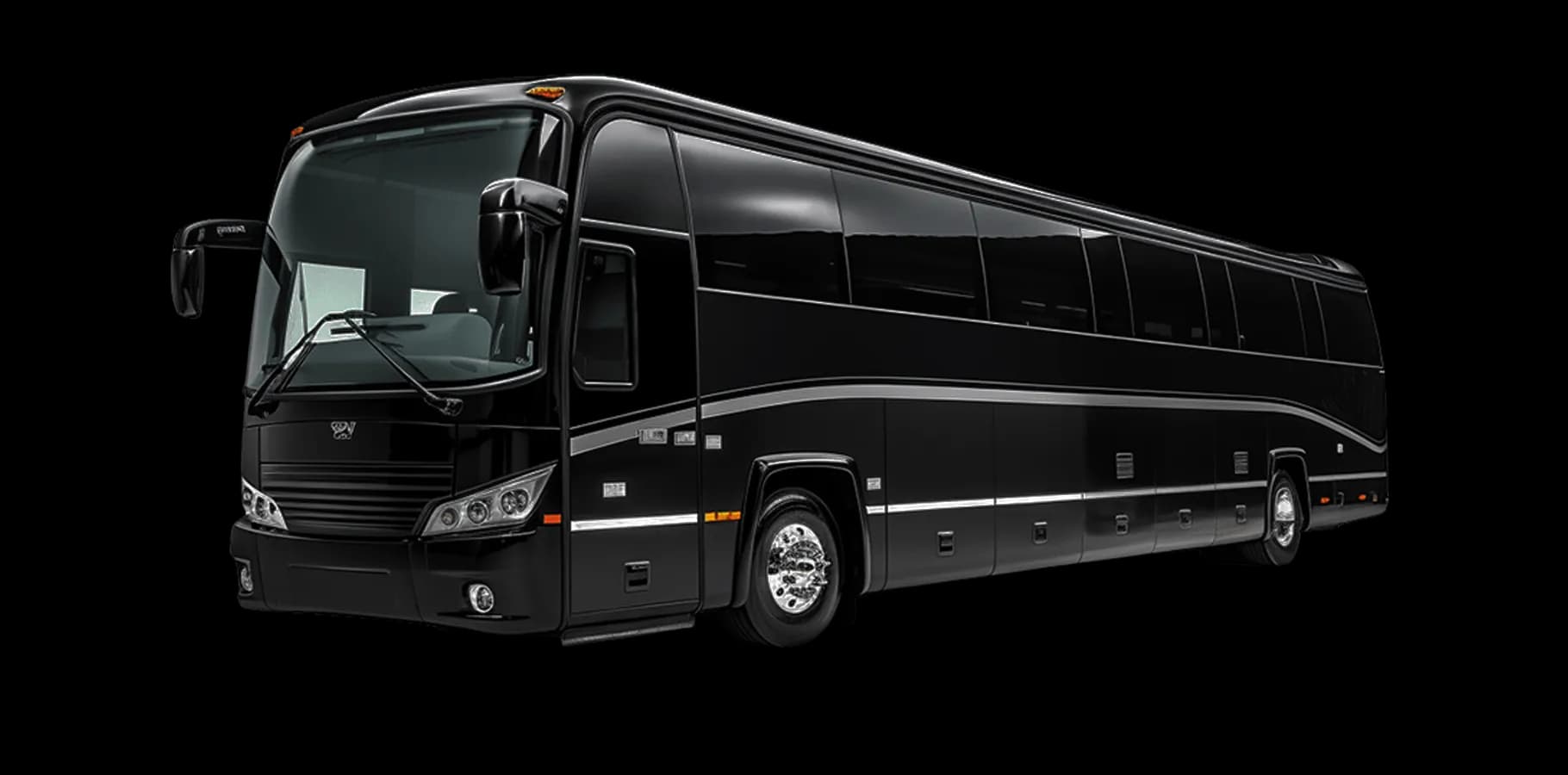
Our largest vehicles support major corporate events, school trips, conventions, and group tours across the Northeast corridor. Commercial motor carrier coverage protects passengers on extended trips throughout the tri-state region and beyond. Full-size charters serve casino runs to Atlantic City, sporting events in Philadelphia, and overnight tours to Boston or Washington DC.
Color plays no role in any of these coverage decisions. Whether a vehicle wears black, white, silver, or charcoal paint, the underwriting evaluates passenger capacity, vehicle value, operational profile, and safety equipment.
Why Paint Color Didn’t Change the Insurance Cost?
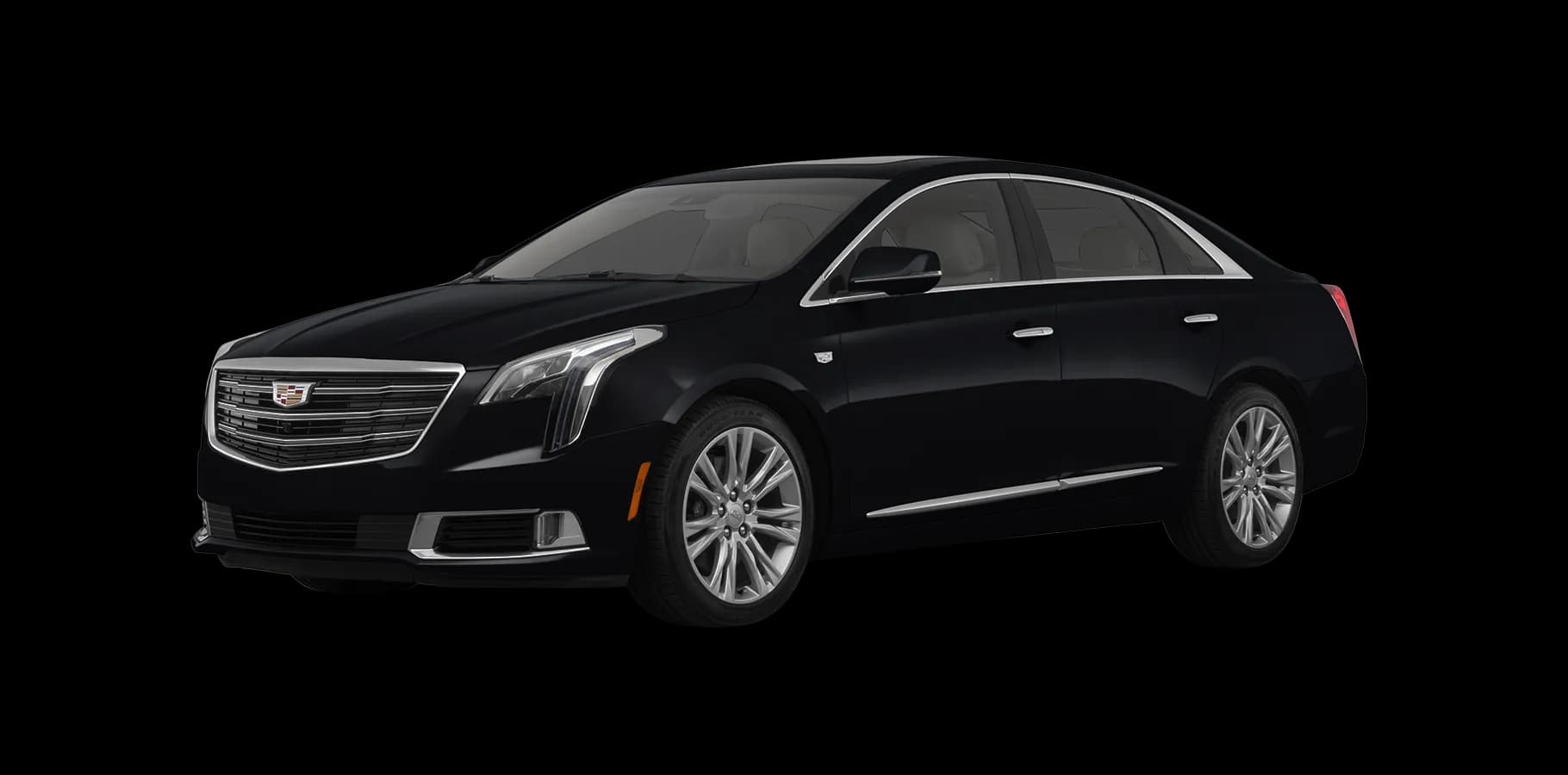
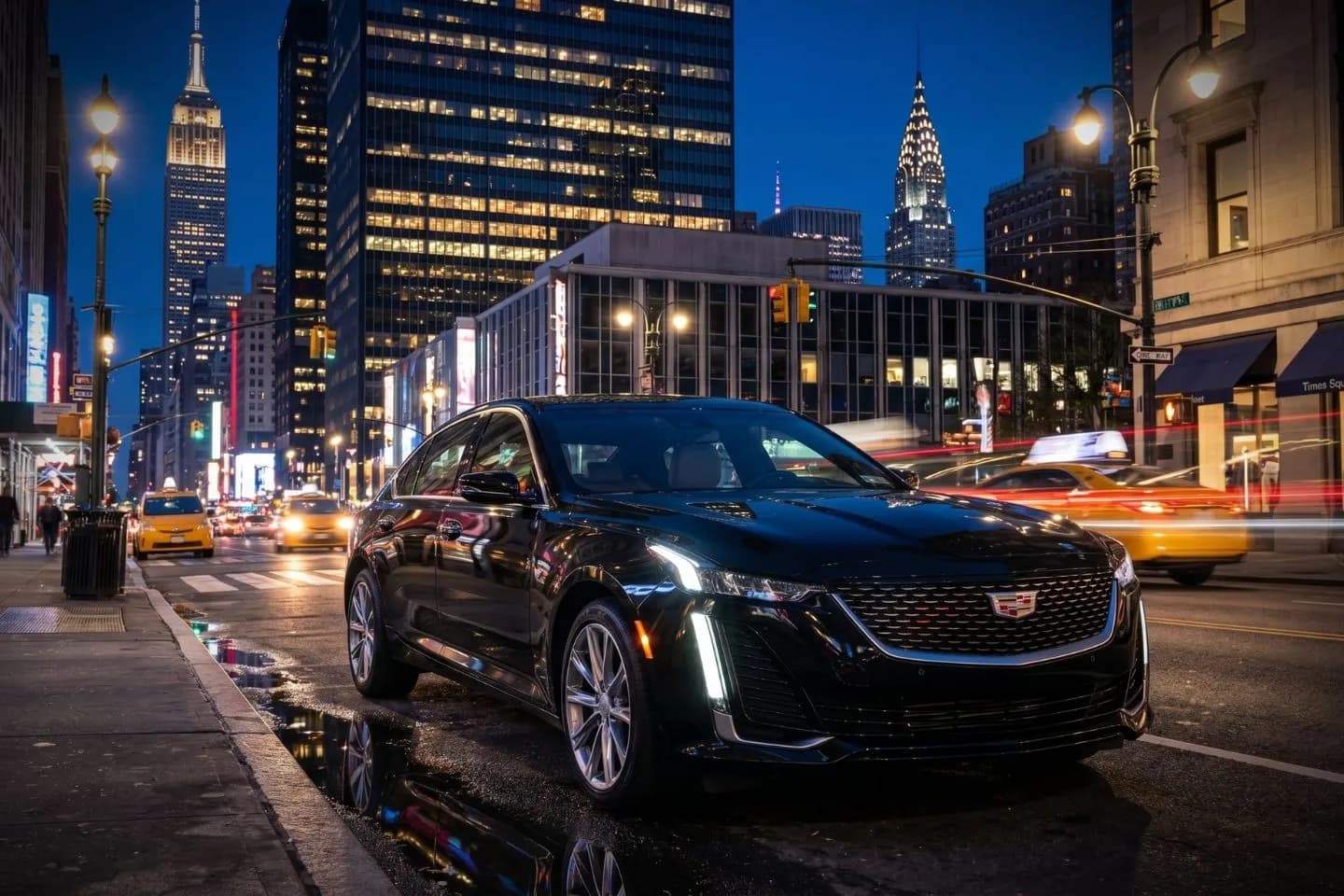
Consider two clients who purchased identical 2023 Cadillac CT5 sedans from the same Brooklyn dealership in 2024. One chose Stellar Black Metallic; the other selected Crystal White Tricoat. Both drivers live in the same Park Slope ZIP code, hold clean driving records, and drive comparable annual mileage.
When both requested quotes from three major carriers (GEICO, Allstate, and Progressive), the premium offers came within $12 of each other across all carriers. The minor variations stemmed from VIN-specific factory equipment differences, never from paint color. This pattern repeats consistently across the consultations our team conducts with clients comparing personal vehicle costs against our chauffeured service rates.
Factors that Genuinely Lower NYC Auto Insurance Costs
If color won't affect your premium, what actually works to reduce New York auto insurance bills? We've assembled the strategies that produce measurable savings for our clients across the five boroughs and Long Island:
- Maintain continuous coverage without lapses for 36 or more months
- Complete an approved defensive driving course (10 percent discount in NY for three years)
- Bundle auto and homeowners or renters policies with the same carrier
- Increase your deductible from $500 to $1,000 (typically saves 15 to 20 percent)
- Install anti-theft devices recognized by your carrier
- Park in a secured garage rather than street parking when possible
- Maintain a strong credit-based insurance score
- Drive fewer than 7,500 miles annually if your commute allows
- Enroll in safe-driver telematics monitoring (carrier-dependent)
- Review coverage annually as vehicle value depreciates
What does this mean for NYC Drivers vs. Riders?
Whether you're shopping for a personal vehicle or comparing transportation options for your next corporate event, wedding, or airport transfer, vehicle color should never factor into your financial calculations. Insurance carriers and commercial fleet operators alike base their pricing on quantifiable risk factors, regulatory requirements, and operational realities.
We at Union Limousine welcome questions from clients curious about the difference between personal auto insurance and professional livery coverage. Our team transports passengers throughout Manhattan, Brooklyn, Queens, the Bronx, Staten Island, Nassau County, Suffolk County, and the broader tri-state corridor including New Jersey, Connecticut, and Pennsylvania. Every vehicle in our fleet carries protection exceeding TLC minimum requirements.
Book Your Next Trip with Union Limousine
Ready to experience fully insured, professionally chauffeured transportation across Manhattan, Brooklyn, Queens, the Bronx, Staten Island, Nassau County, Suffolk County, and the broader tri-state region of New York, New Jersey, Connecticut, and Pennsylvania? Our team is standing by to coordinate your airport transfer, corporate travel, wedding, prom, bachelor or bachelorette party, sporting event, or group charter. Every vehicle in our fleet – sedans, SUVs, stretch limousines, sprinter vans, party buses, mini charter buses, and full-size charter buses – carries coverage exceeding TLC and DOT requirements.
- Email: info@unionlimousine.com
- Phone: +1 (718) 514-9881
- Online Booking: Reserve now at www.unionlimousine.com
Contact us today for transparent pricing, flexible scheduling, and the chauffeured service New Yorkers have trusted for premium ground transportation across the tri-state region.
Conclusion
The persistent rumor that insurance companies charge more for black cars in NYC has no factual foundation. New York State insurance regulations, federal industry standards, and decades of actuarial science confirm that vehicle color carries zero weight in premium calculations. Carriers evaluate the make, model, year, engine, safety ratings, driver profile, garaging location, and annual mileage when setting your rates – never the paint code on the door jamb.
The confusion intensifies in NYC because “black car” carries a separate meaning within the TLC-licensed for-hire industry. Commercial livery vehicles operate under entirely different insurance frameworks with higher minimum coverage requirements and dramatically different premium structures. We hope this guide has clarified the distinction and equipped you with accurate information for your next vehicle purchase or transportation booking across the five boroughs.
If you're planning corporate travel, a wedding, airport transfer, prom, bachelor party, sporting event, or any group transportation across the five boroughs or the tri-state region, our fleet stands ready to serve you with fully insured, professionally chauffeured vehicles.
Frequently Asked Questions
Admin User
Related Blogs









Related Fleets