 Account
 Book Now
 Book Now
 Our Fleets
Every New Yorker has a version of this debate. One friend swears by the yellow cab because the driver has a hack license and the medallion number is painted on the roof. Another only opens the Uber app because the plate, the driver photo, and the route all sit on a screen before the car pulls up. Both are describing real safety features, and both are missing half the picture. We have been operating a licensed car service in New York since 1997, and our chauffeurs share the same streets, the same airport lots, and the same Taxi and Limousine Commission rulebook as both camps. What follows is the comparison we give riders who ask us directly.
This guide covers how New York City licenses and inspects taxis and rideshare vehicles, where each option wins on safety, how the answer changes across Manhattan, Brooklyn, Queens, the Bronx, Staten Island, Nassau County, and Suffolk County, and what a prebooked chauffeur adds on airport runs to JFK, LaGuardia, and Newark, with prices and route details for the trips New Yorkers book most.
Which is Safer in NYC: Taxi, Uber, or Chauffeur?
Inside the five boroughs, a yellow taxi and an Uber are closer on safety than most people expect, because both drivers hold the same TLC license and both vehicles carry TLC plates. The yellow cab has the edge on physical protection and vehicle upkeep. Uber has the edge on trip records and rider controls. The biggest safety gap opens once you leave the city line, ride late at night, travel with children, or need a vehicle bigger than a sedan. In those situations a licensed black car or chauffeur service pulls ahead of both.
How New York Regulates Taxis, Uber, and Black Cars?
New York City is unusual. In most American cities, Uber and Lyft operate under a state transportation network company law with a light background check run by a private vendor. In New York City, every Uber, Lyft, yellow taxi, green cab, livery car, and black car driver must hold a for hire driver license issued by the New York City Taxi and Limousine Commission. That single rule flattens the vetting difference that exists elsewhere in the country.
The TLC License Every Driver Must Hold
To earn a TLC driver license, an applicant needs a valid New York State driver license, must be fingerprinted for a criminal history check, pass a drug test, complete a 24 hour driver education course, pass a defensive driving course, complete wheelchair accessible vehicle training, and pass a medical exam. The license then renews on a cycle that includes ongoing drug testing and a review of the driving record. A yellow cab driver and an UberX driver in Queens have cleared the same checkpoints. Where Uber layers an additional third party background check on top, a yellow cab garage layers its own hiring standards on top. Neither side can honestly claim the other is unvetted.
Vehicle Inspections and Age Limits
Yellow taxis are inspected at the TLC facility in Woodside, Queens, three times a year, and the TLC retires them after a fixed number of years in service. Rideshare vehicles must also carry TLC plates and pass TLC inspection, but the cycle is longer and day to day upkeep falls on an individual owner who may be driving 60 hours a week to cover a lease. This is where riders see the widest variation. Research compiled by the Insurance Institute for Highway Safety shows front crash prevention, lane departure prevention, and blind spot detection all reduce real world crashes, and those features are far likelier to be present and working in a newer, fleet maintained vehicle than in an older car that changes hands between drivers.
Insurance Requirements by Vehicle Class
Yellow taxis in New York carry commercial liability coverage set by TLC rule, with personal injury protection that pays regardless of fault. Rideshare trips in the city carry commercial coverage from the moment a trip is accepted until the rider steps out, and Uber states that coverage on active trips is in the seven figure range. The soft spot in the rideshare model is the window when a driver is logged in but has not accepted a trip, when coverage drops to a lower tier. Licensed black car and limousine operators typically carry $1.5 million to $5 million per vehicle plus workers compensation through the Black Car Fund, which is why corporate travel managers write those minimums into their vendor contracts.
Driver Fatigue Rules That Apply Citywide
Since 2017 the TLC has capped drivers at 10 hours of passenger time in any 24 hour period and 60 hours in any seven day period, tracked electronically through the taxi meter system and the rideshare apps. The cap exists for a reason. The National Safety Council reports that being awake for 20 consecutive hours impairs a driver to a degree comparable to legal intoxication, and crash risk climbs between midnight and 6 am when the body clock expects sleep. A yellow cab on a 12 hour shift and an Uber driver stacking two apps both hit those limits. A dispatched chauffeur working a scheduled assignment usually does not come close.
Where Yellow Taxis Hold the Safety Edge?
Partitions, Cameras, and Trip Records
Every yellow cab must carry either a bulletproof partition or an in vehicle security camera, and most carry both. The medallion number sits on the roof light, both rear doors, and the receipt, so a rider or a witness can identify the exact vehicle in seconds. The meter system logs GPS coordinates for every trip, and a complaint filed through 311 with the medallion number lands in a TLC enforcement queue with the power to suspend a license. Rideshare vehicles are not required to carry a partition or camera, and a complaint goes first to the app company, which decides on its own timeline if and when to escalate.
Metered Fares Remove the Surge Argument
Safety includes financial safety. A yellow cab meter starts at $3.00, adds $0.70 for each fifth of a mile or each minute in slow traffic, and stacks fixed surcharges: a $1.00 improvement surcharge, a $2.50 state congestion surcharge south of 96th Street, a $0.75 congestion relief zone toll south of 60th Street, $1.00 during weekday rush hour from 4 pm to 8 pm, and $0.50 overnight from 8 pm to 6 am. There is no surge pricing. A rider stepping out of a Broadway theater at 10:45 pm on a Saturday pays the same rate as a rider at 10:45 am on a Tuesday. Uber prices the same trip dynamically, and a rainstorm or a Yankees game can double the fare with no advance warning.
- Yellow taxi: fixed meter, partition or camera required, TLC complaint pathway, roof medallion identification
- Uber: dynamic pricing, no partition, complaint routed through the app, identification through plate and photo match
- Black car: quoted price in advance, dispatched chauffeur, direct line to the operator, written booking record
Where Uber Holds the Safety Edge?
Digital Trip Records and Rider Tools
Uber built its safety toolkit in public after a string of incidents in the late 2010s, and the tools are useful. The rider sees the driver name, photo, plate, and vehicle model before the car arrives. A trip can be shared live with a family member. A PIN can be required before the trip starts so the wrong car cannot pull away with you inside. An in app emergency button shares location with dispatchers, and a ride check feature flags long unexplained stops. A street hailed yellow cab offers none of that until you read the medallion number off the door yourself. For a solo rider heading home from Williamsburg at 1 am, the live trip share alone is a meaningful advantage.
The Wrong Car Problem and How to Avoid It
The flip side of app hailing is the risk of getting into a car that is not yours. Predators have exploited crowded pickup zones outside Madison Square Garden, Barclays Center, and the Meatpacking District by pulling up to anyone staring at a phone. The habit that closes that gap is simple: match the plate, ask the driver to say your name before you say theirs, and turn on PIN verification for late rides. Yellow cabs avoid this problem entirely because the vehicle is unmistakable and no matching step is needed.
Which Ride Is Safest Across NYC and Long Island?
The safest and most practical ride depends on where you are traveling, when you are traveling, and what you need from the vehicle. Manhattan has dense taxi coverage and short pickup times, while outer boroughs and Long Island often have fewer street hails and longer waits. Late at night, traveling with children, or arranging transportation for a larger group can also change which option makes the most sense.
Manhattan Landmark Trips and Late Nights
Below 96th Street, yellow taxis are easy to find, especially around major tourist areas and busy commercial streets. For short daytime trips between destinations such as the Metropolitan Museum of Art, Rockefeller Center, Times Square, and the World Trade Center, both yellow taxis and Uber can be practical choices.
Price can vary considerably depending on traffic, time of day, tolls, and rideshare demand. A taxi may be less expensive for a short trip when Uber pricing is elevated, while a prebooked car service can make more sense when you want a confirmed pickup rather than searching for a vehicle at the curb.
Late at night, advance booking becomes more important. A prebooked Manhattan car service gives you a scheduled pickup, vehicle details, and chauffeur information before you leave your destination. Instead of looking for an available vehicle on a busy street outside Lincoln Center, Times Square, or a Financial District office, you know where and when your chauffeur will meet you.
For business travelers, families, and visitors carrying luggage, that added certainty can be more valuable than simply choosing the first available ride.
Brooklyn, Queens, the Bronx, and Staten Island
Transportation options become less uniform as you move beyond Manhattan. Yellow taxis remain available, while green taxis serve areas outside the traditional yellow taxi service zone. In neighborhoods such as Bay Ridge, Bayside, Riverdale, and Tottenville, however, street hails may be less convenient, making app-based rides and prebooked car services more practical.
For daytime travel, Uber can be a convenient choice when you need a ride on demand. The equation changes when your trip involves children, luggage, a larger group, or a fixed pickup time.
Consider a family traveling to the New York Aquarium in Coney Island with a toddler, or a group leaving the Queens Museum in Flushing Meadows Corona Park after a Mets game. In these situations, the main question isn't simply whether a vehicle is available. You also need to know whether the vehicle has enough seating and whether the requested child safety equipment has been arranged in advance.
Our Brooklyn car service and Queens car service can be arranged with SUVs and requested child safety seats when available. Our Bronx car service and Staten Island car service also provide prebooked transportation for passengers who prefer a scheduled pickup rather than relying on street availability.
The same principle applies when traveling across major connections such as the Bruckner Expressway and Verrazzano Narrows Bridge. A professional chauffeur who already has the pickup details and destination can provide a more predictable experience, particularly when you're traveling at a busy time or coordinating transportation for several passengers.
If you're comparing options specifically in Queens, our guide to the safest car service in Queens looks at the same factors, including licensing, vehicle standards, driver qualifications, booking procedures, and passenger safety.
Airport Rides to JFK, LaGuardia, and Newark
Airports concentrate every safety variable at once: fatigue after a long flight, luggage, unfamiliar pickup zones, and drivers who have been circling for hours. Our New York airport car service handles hundreds of these transfers a week, and here is how the three options compare at each terminal.
JFK to Manhattan: Flat Fare Versus Surge
The TLC sets a $70 flat fare for a yellow cab between JFK and any address in Manhattan, plus tolls, the state congestion surcharge, a $1.75 airport access fee, and a $5 rush hour surcharge on weekdays from 4 pm to 8 pm. The taxi line at every terminal is staffed by dispatchers, so you never wonder which car is yours. Uber from JFK to Midtown swings between $65 and $130 depending on the hour, and the rideshare lots at Terminals 4 and 8 can mean a 20 to 40 minute wait after an international arrival with drivers canceling and reassigning. A prebooked JFK airport car service sedan runs $110 to $160 to Midtown with tolls and the airport fee included, and the chauffeur tracks your flight and meets you inside baggage claim.
LaGuardia Pickup Zones
LaGuardia has no flat fare, so a metered taxi to Midtown lands between $40 and $60 plus surcharges and the RFK Bridge or Queens Midtown Tunnel toll. The rebuilt Terminal B and Terminal C route rideshare pickups to dedicated levels that are well lit and camera covered, which has improved the wrong car problem considerably. A LaGuardia car service sedan costs $85 to $130 to Midtown and $75 to $105 for the short hop to Astoria or Long Island City, and an SUV costs $120 to $180 to Midtown.
Newark Liberty and the New Jersey Rules
A New York yellow cab can drop you at Newark but cannot legally pick you up there, so the return trip is a New Jersey taxi at a metered rate plus a $20 out of state charge and tolls if you head back to Manhattan. Rideshare drivers at EWR wait in a holding lot and add a New Jersey airport fee. A Newark airport car service sedan to Midtown runs $120 to $180 and an SUV $160 to $240, with the New Jersey Turnpike and Hudson River crossing tolls itemized on the quote so nothing is a surprise at the curb.
What a Prebooked Car Service Adds
So far, we’ve compared yellow taxis and rideshare services that operate within New York’s regulated for hire transportation system. A licensed black car or limousine service adds another layer of planning and direct accountability. Instead of requesting whichever available driver is nearby, you book through a transportation company that manages the vehicle, chauffeur, scheduling, and customer service.
That difference becomes especially important when the trip has specific requirements. You may need a particular vehicle class, additional luggage space, a larger SUV for a family, child safety equipment, an airport pickup, or a chauffeur who is scheduled to meet you at a specific time and location.
If you want to understand the practical difference between an app based driver and a professional chauffeur, our guide to Uber driver vs chauffeur differences explains how training, presentation, service expectations, and accountability can differ.
At Union Limousine, vehicle maintenance and pretrip checks are part of the operating process. Chauffeurs are screened during hiring and are expected to meet the company's service and driving standards. For larger vehicles and group transportation, additional federal and state requirements may also apply depending on the vehicle and type of operation.
The biggest advantage of prebooking isn't simply having another transportation option. It's having the trip arranged in advance, with the vehicle type, pickup details, passenger requirements, and service expectations established before the chauffeur arrives.
Our Fleet, Capacities, and Prices
Prices below are hourly or point to point ranges for New York City in 2026, before sales tax, tolls, and gratuity. Every vehicle in our fleet is listed with photos and seat counts.
Sedans: 1 to 3 Passengers
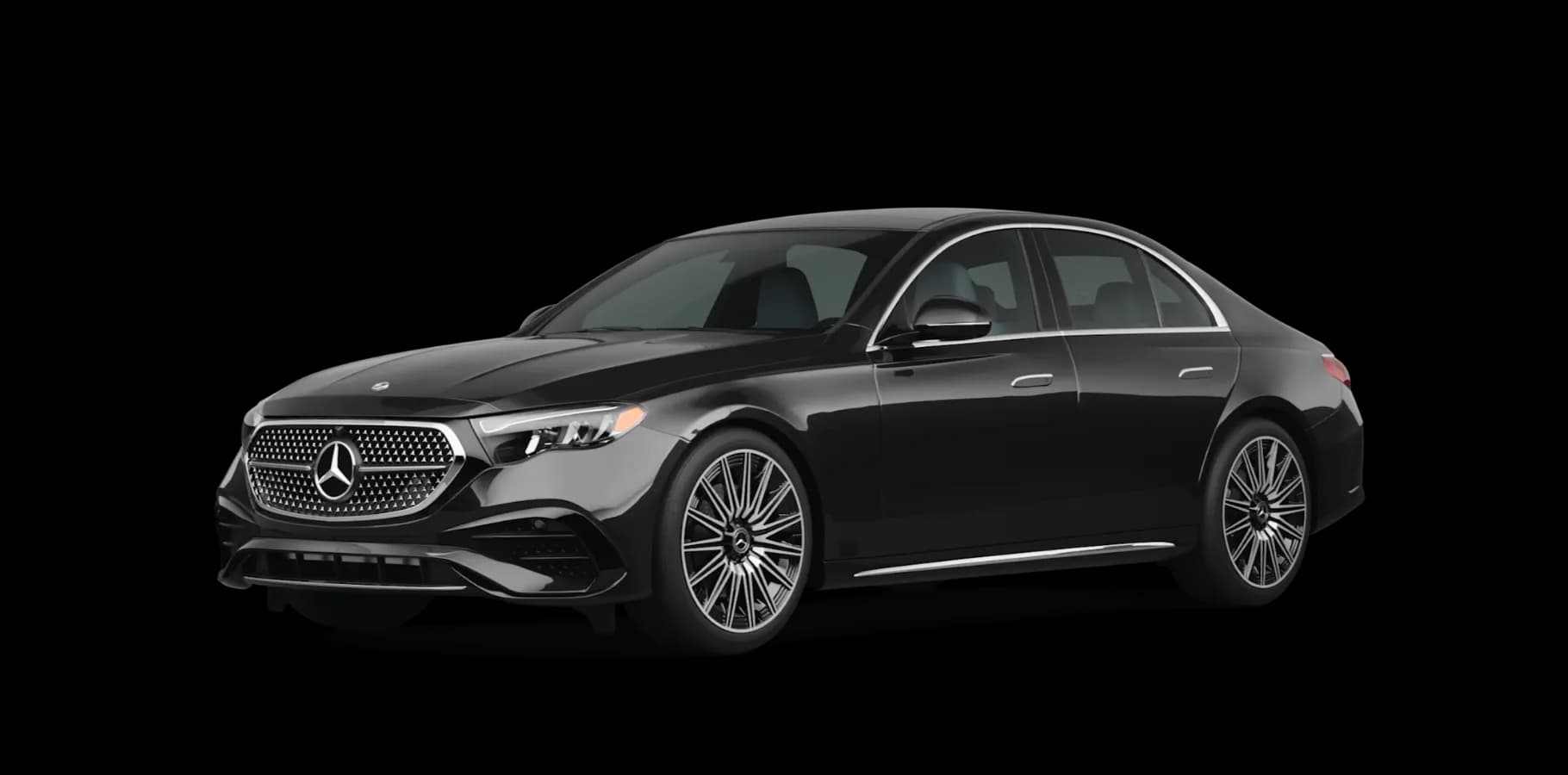
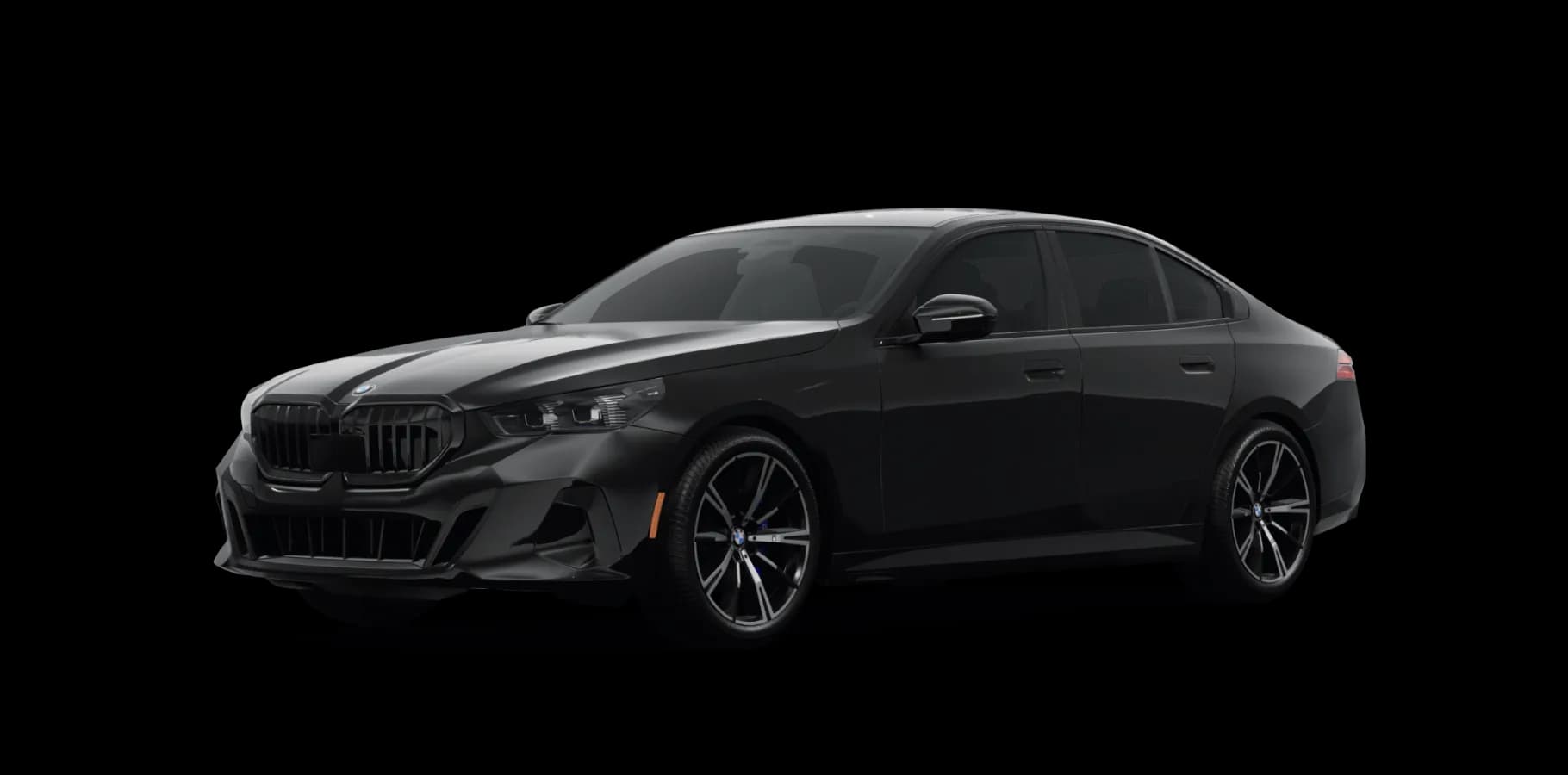
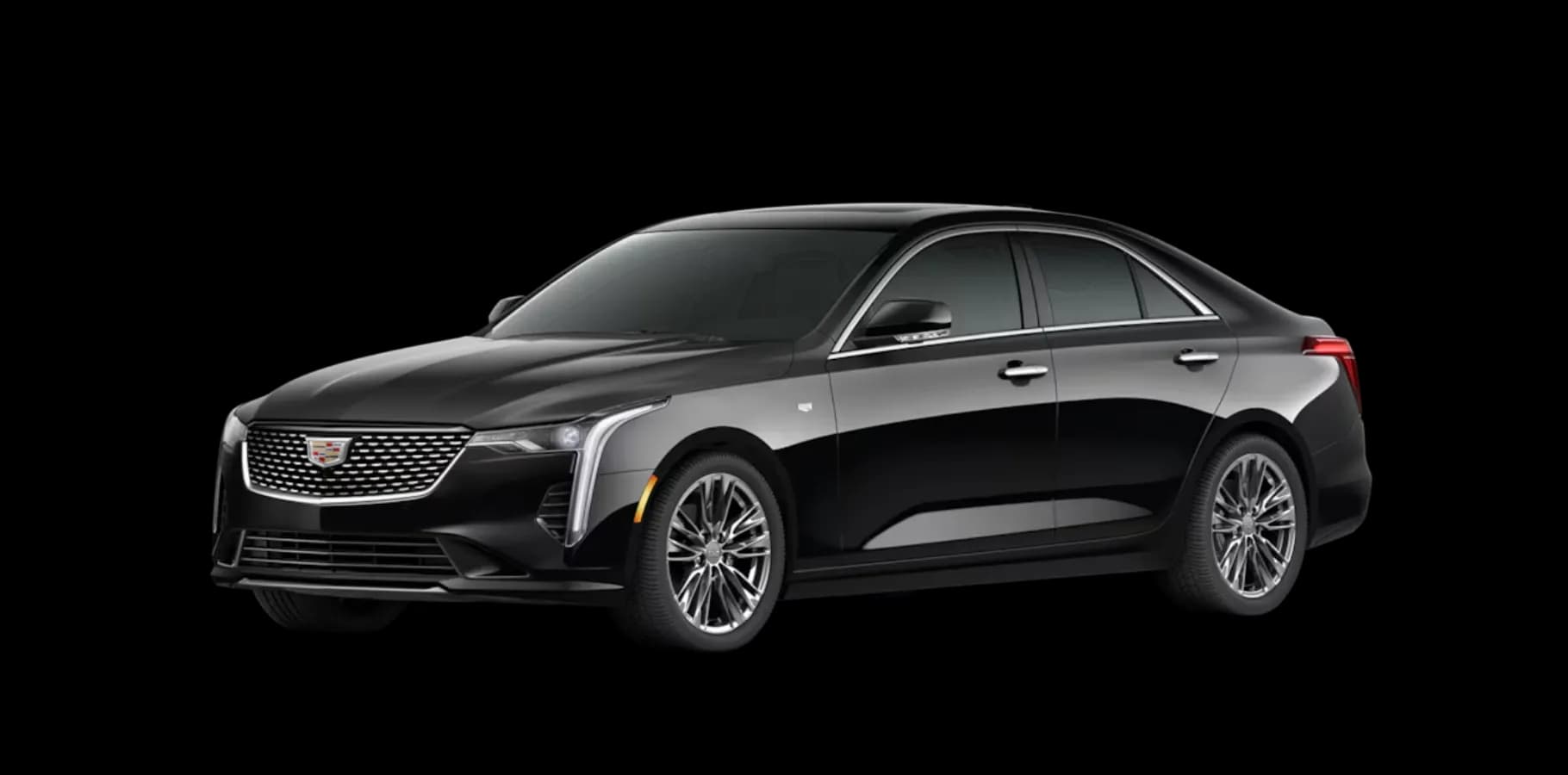
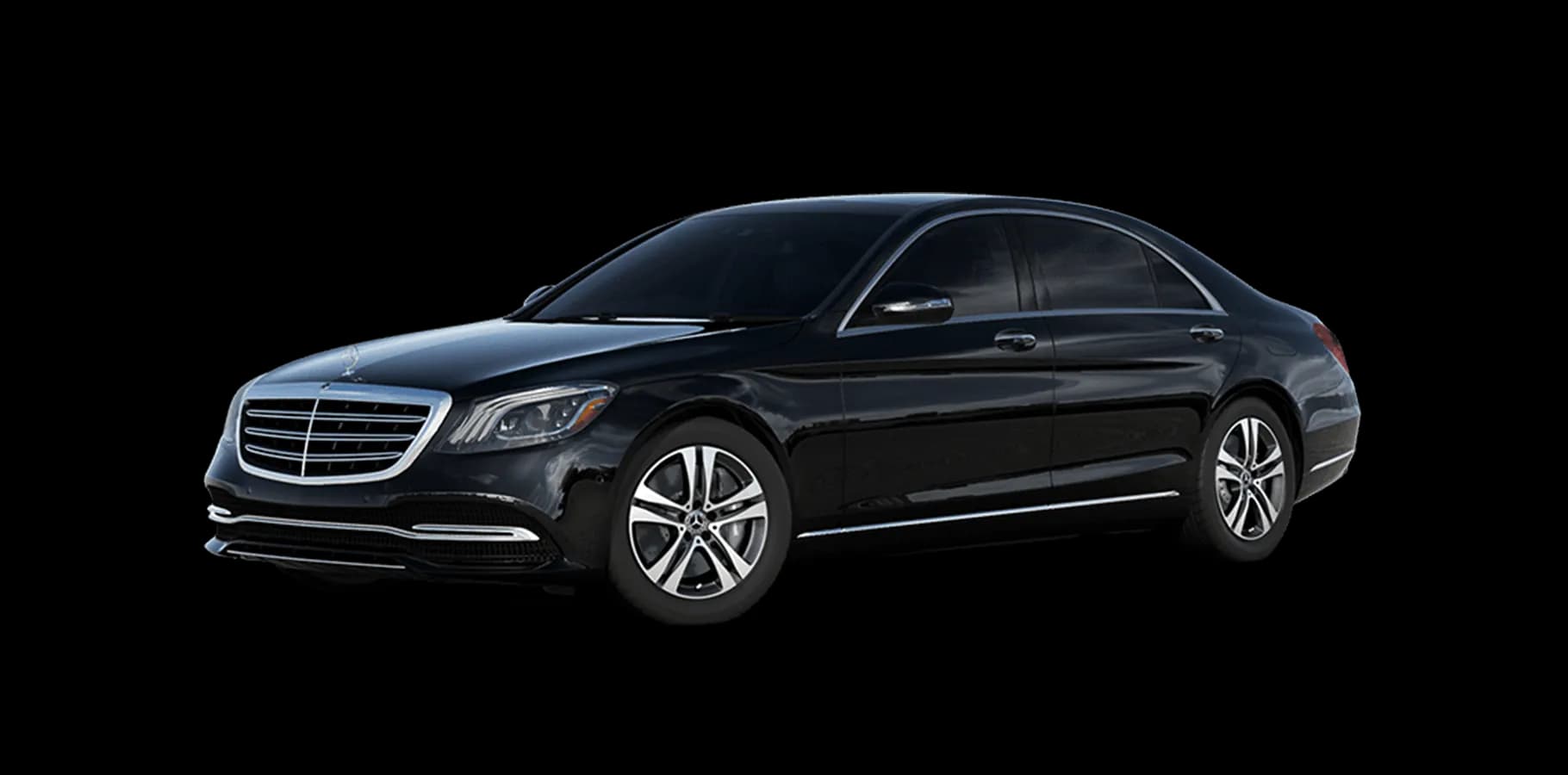
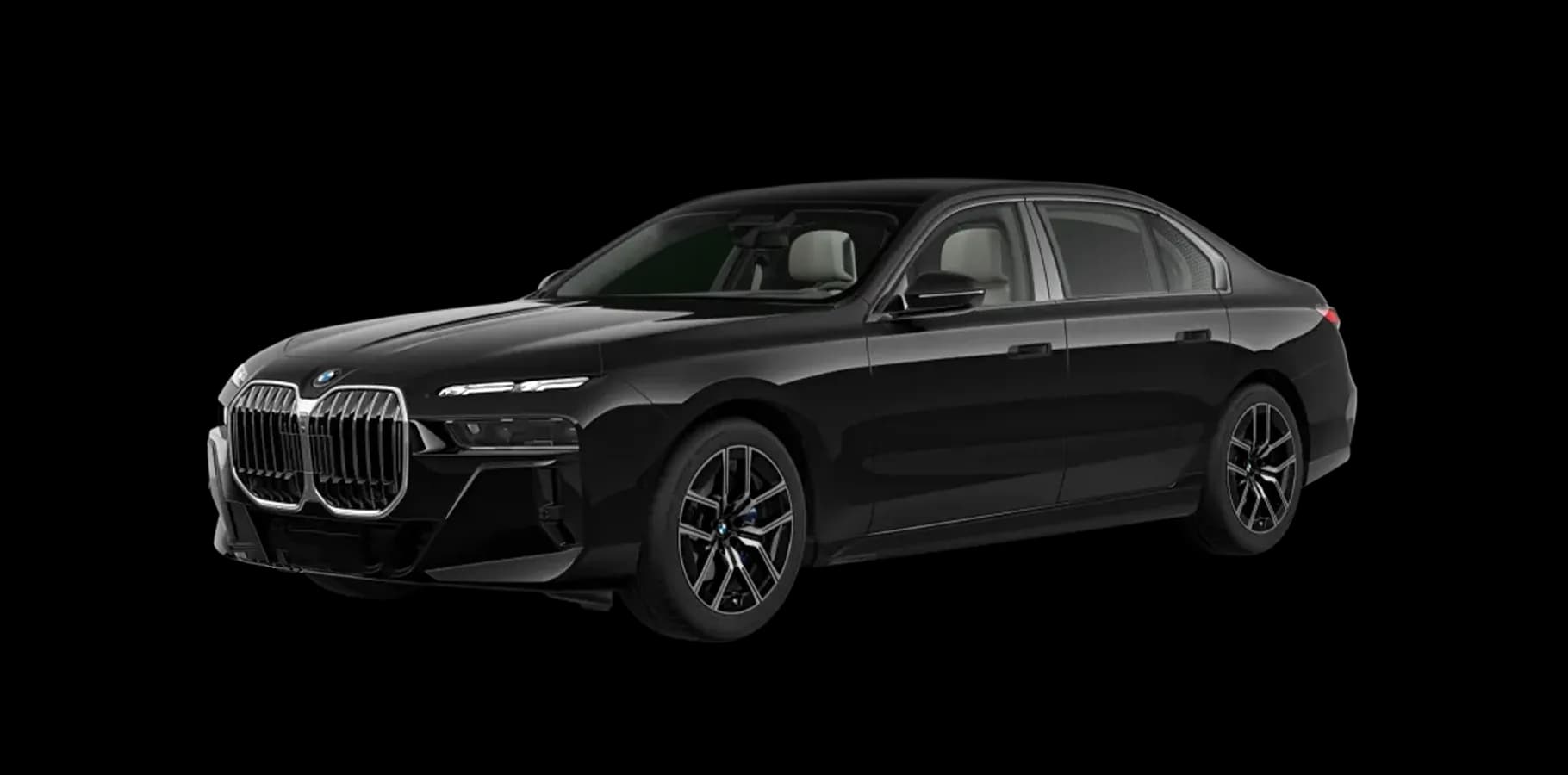
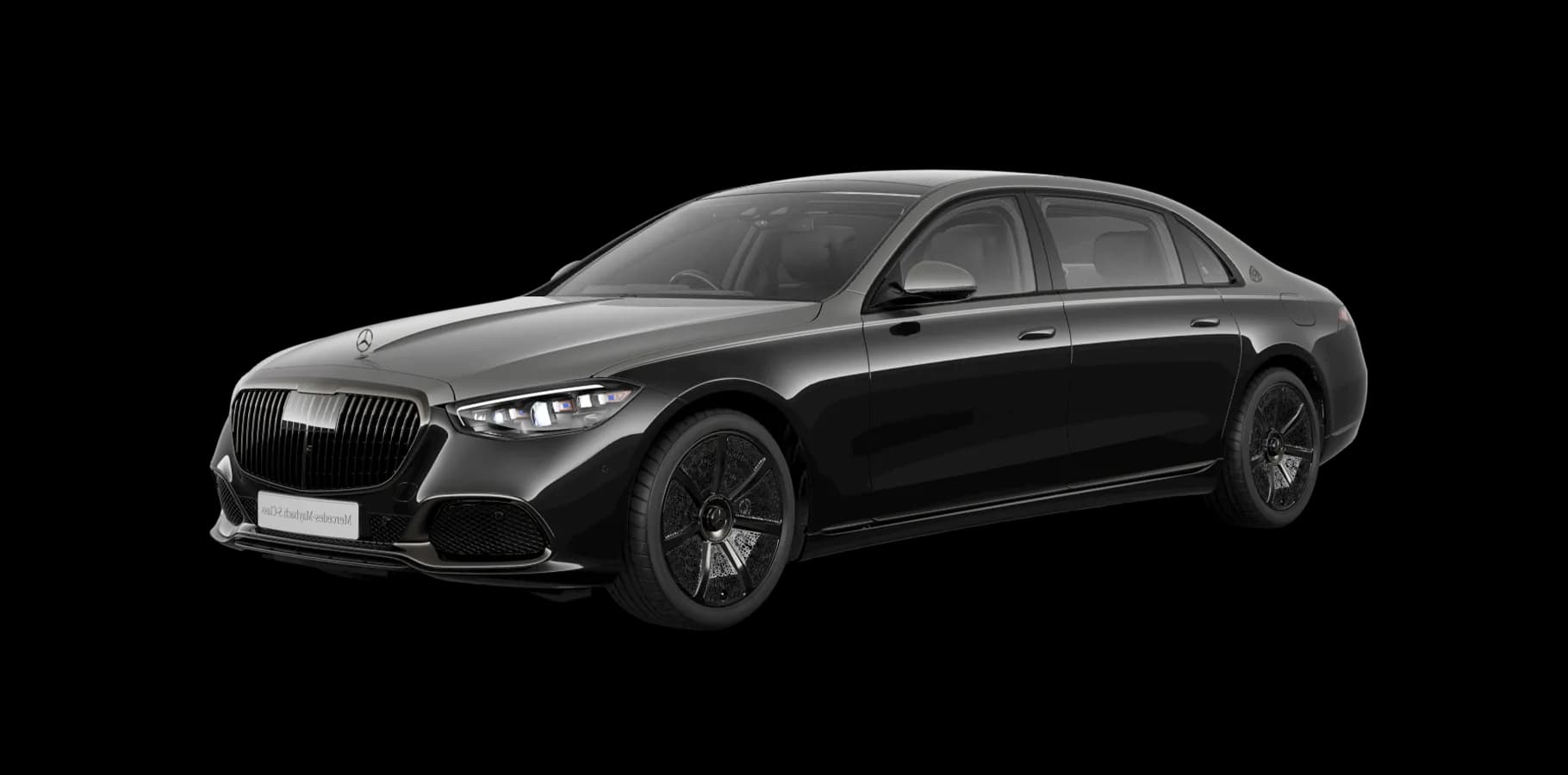
Executive sedans such as a Mercedes S Class, BMW 7 Series, or Cadillac CT6 seat up to three with two large suitcases. They price at $85 to $120 per hour or $75 to $160 for most point to point trips in the city, and they are the right call for solo airport transfers, business meetings, and late night returns for one or two riders.
SUVs: Up to 6 Passengers
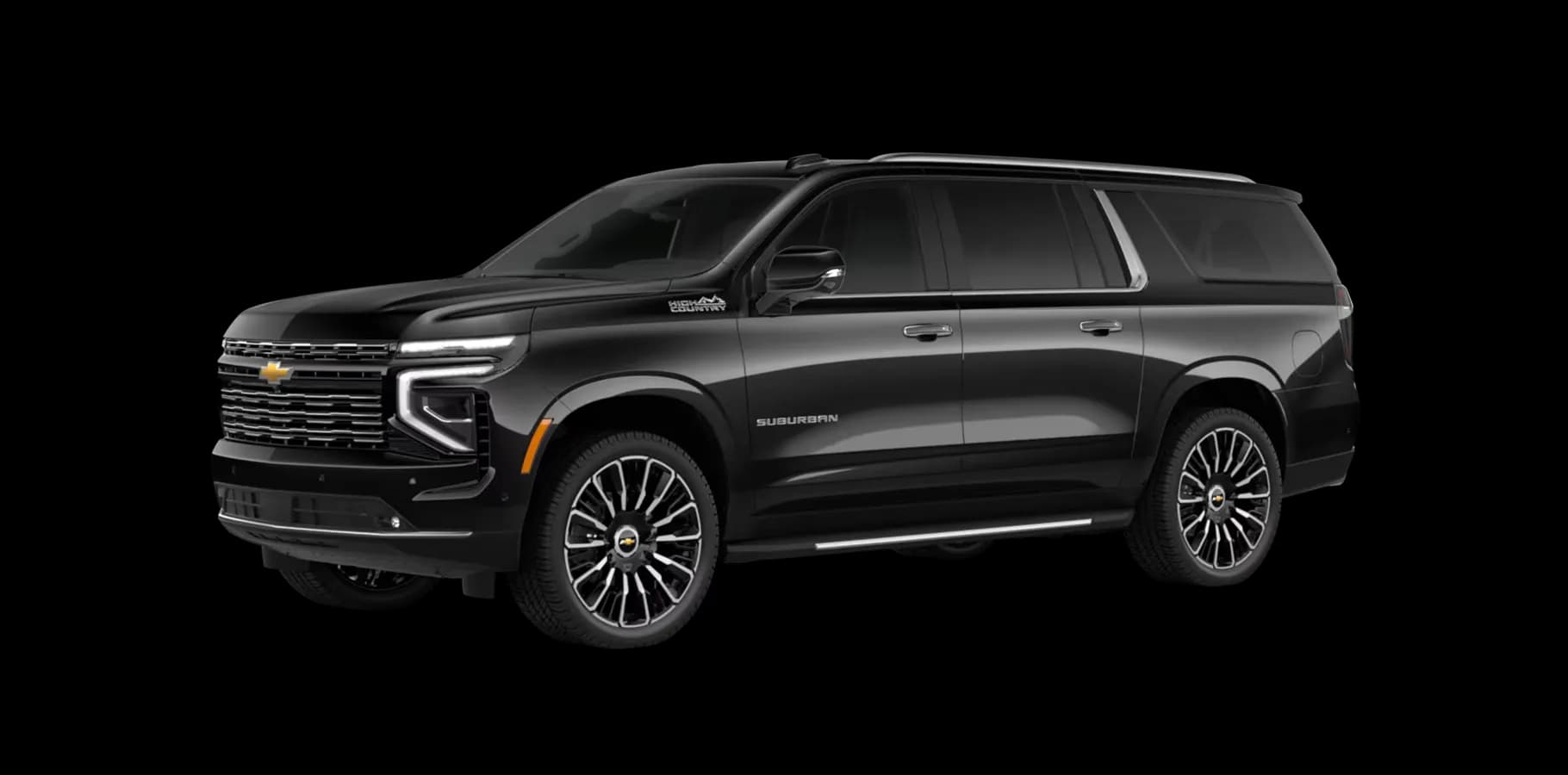
A Cadillac Escalade seats six with four to six bags and is the vehicle we dispatch for families with car seats, ski and golf luggage, and executive teams. Expect $110 to $160 per hour or $100 to $270 point to point across the boroughs.
Stretch Limousines: 8 to 20 Passengers
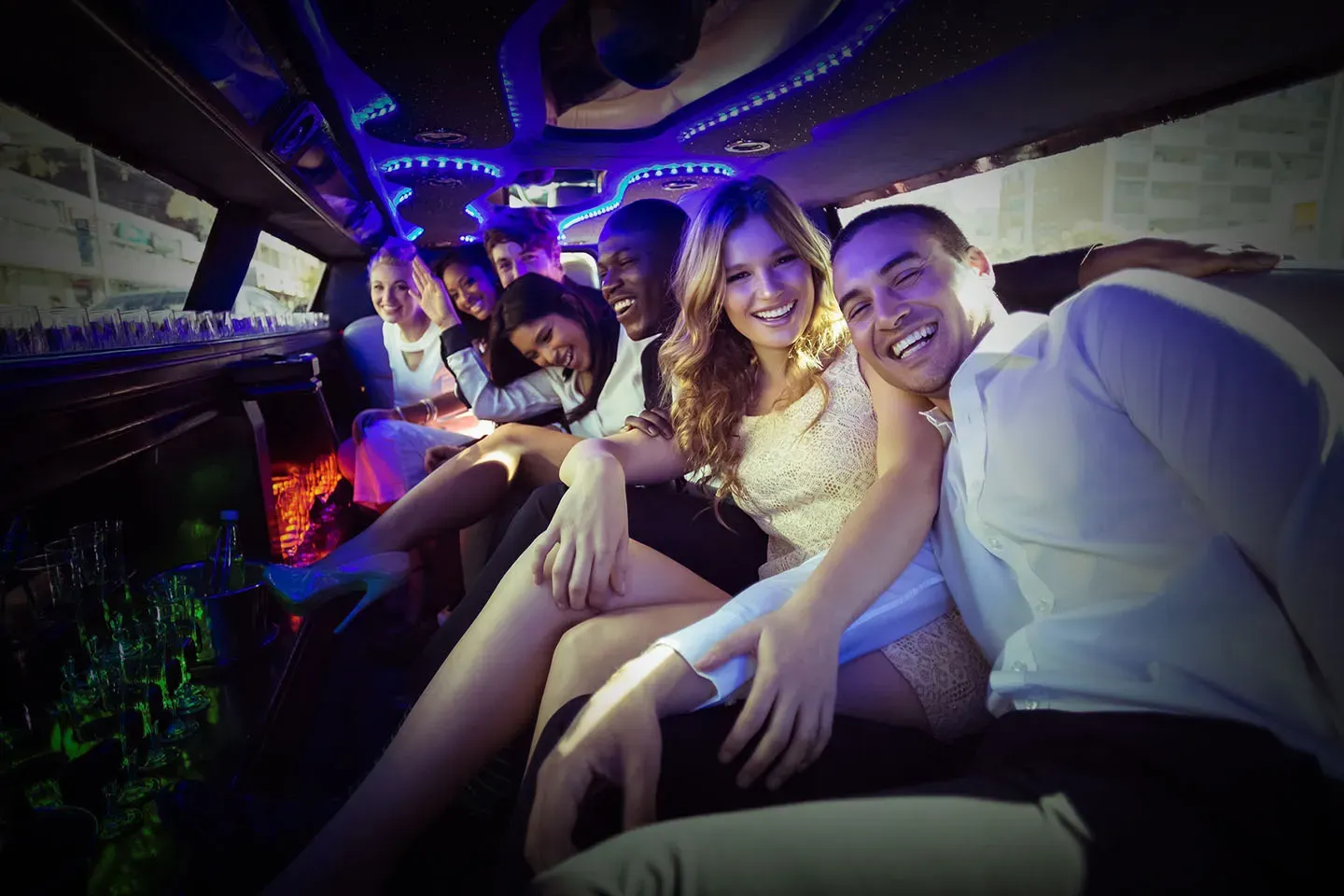
Stretch Escalades and ESV limousines seat 8 to 20 depending on the model and price at $150 to $250 per hour with a three hour minimum on weekends. They cover weddings, proms, and Broadway nights, and every stretch in our limo service in New York carries the federal seat belt and emergency exit equipment that became mandatory after the 2018 Schoharie crash investigation.
Sprinter Vans: 7 to 16 Passengers
Executive, luxury, and jet configuration Sprinters seat 7 to 16 and price at $150 to $225 per hour or $250 to $450 for airport transfers. Our Sprinter van service in New York is the best value per seat for wedding shuttles, corporate offsite runs, and group airport pickups from Nassau County to JFK, which cost about $250 to $350 one way.
Party Buses: 24 to 44 Passengers
Party buses seat 24, 30, or 44 with perimeter seating, sound systems, and bar areas, and price at $250 to $450 per hour with a four hour minimum on Friday and Saturday nights. Unlike a convoy of six Ubers leaving a Long Island City rooftop at 2 am, a single vehicle with one professional CDL driver keeps the whole group together and accounted for.
Mini Charter Buses: 24 to 36 Passengers
Mini coaches seat 24, 31, or 36 and price at $175 to $275 per hour. They handle school trips to the American Museum of Natural History, corporate shuttles between Midtown hotels and the Javits Center, and airport group transfers where a Sprinter would need two runs.
Full Size Charter Buses: Up to 56 Passengers
Full size coaches seat 56 with under floor luggage bays, restrooms, and reclining seats, priced at $200 to $350 per hour or $1,400 to $2,400 per day for trips to Atlantic City, Philadelphia, or the Hudson Valley. Our charter bus service in New York operates under federal motor carrier rules, including hours of service tracking and roadside inspection readiness that no taxi or rideshare model can match for a large group.
Sample Route Prices Across the Region
- Midtown Manhattan to Park Slope or Williamsburg: sedan $95 to $150, SUV $130 to $200
- Midtown Manhattan to Astoria, Forest Hills, or Flushing: sedan $90 to $160, SUV $125 to $210
- Midtown Manhattan to Riverdale or Yankee Stadium: sedan $95 to $150, SUV $130 to $200
- Riverdale to White Plains: sedan $110 to $145
- St. George or Tottenville to Newark Airport: sedan $115 to $160 plus the Goethals Bridge toll
- Garden City or Mineola to JFK: sedan $110 to $150, 25 to 40 minutes by the Southern State Parkway
- Huntington to JFK: sedan $175 to $230, about 35 miles
- Patchogue to Islip MacArthur Airport: sedan $65 to $90
- Montauk to JFK: sedan $525 to $650, roughly 110 miles
Reading a Quote: Tolls, Surcharges, and Gratuity
A quote from us itemizes the base fare, tolls at the cash rate, the state congestion surcharge where it applies, any airport access fee, and gratuity if you ask us to include it. Additional stops add $15 to $25 on point to point trips, and late night pickups between midnight and 5 am may carry a $10 to $25 fee. A meet and greet inside the terminal at JFK or Newark adds $15 to $30 for parking and walk time. Compare that line by line against a taxi receipt or a surged Uber total and the safer option is often the cheaper one on a Friday evening in the rain.
A Rider Safety Checklist for Any New York Ride
Whichever option you pick, these habits close the gaps our dispatchers hear about most often.
- Match the plate and the driver photo before opening the door of any app hailed car, and use PIN verification after dark
- In a yellow cab, note the medallion number on the door or receipt so a lost item or a complaint can be traced through 311
- Share your trip live with someone, either through the app or by texting the plate and pickup time
- Sit in the rear seat and buckle up. New York State law requires rear seat belts for all passengers, and taxi and rideshare crashes are overwhelmingly rear seat injuries
- For children under eight, book a vehicle with a car seat installed in advance, because taxis are exempt from the car seat law and rideshare drivers are not required to carry one
- Ask any car service for its TLC base license number and check it in the TLC public lookup before a first booking
Book a Safer Ride with Union Limousine
If your next trip involves an airport, a late night, a child seat, a large group, or a destination past the Nassau line, reserve a chauffeur with Union Limousine. Every chauffeur holds a current TLC license and a second internal background check, every vehicle is owned and maintained in house, and every booking is confirmed in writing with the plate and chauffeur name sent before pickup. Call +1 (718) 514-9881, email info@unionlimousine.com, or book online in about two minutes. Our chauffeur service in New York covers all five boroughs, Long Island, and the three major airports around the clock, and our car service page explains hourly and point to point options for every vehicle class.
Conclusion
So, are NYC taxis safer than Uber? Inside the city they are close to even, because the TLC vets every driver the same way. Yellow cabs win on partitions, cameras, meter transparency, and a regulator that answers complaints. Uber wins on live trip sharing, driver identification, and coverage in neighborhoods a cab never reaches. Both fall short on Long Island, at airports after a long flight, with children, and with groups. For those trips the safest choice in New York is a licensed chauffeur who is dispatched to you by name, in a vehicle the company owns and inspects, with coverage well above the legal minimum. That is the standard we hold at Union Limousine, and it is why so many of the people who read a comparison like this end up booking a prebooked car for the rides that matter most. To learn more about why the rideshare habit took hold in the first place, read our post on why people prefer Uber over taxis in NYC and decide which side of the debate fits your next trip.