 Account
 Book Now
 Book Now
 Our Fleets
Every New Yorker who has watched an app fare jump from $28 to $71 in the rain has asked the same question: is a prebooked NYC car service actually cheaper than Uber or Lyft? The honest answer depends on where you are going, what time you are leaving, how many people are riding, and how much a missed flight or a late client meeting would cost you. This guide compares the two options across Manhattan, Brooklyn, Queens, the Bronx, Staten Island, Nassau County and Suffolk County, with route examples, the current New York City fees that land on every app receipt, fleet pricing, and the regulations that shape each fare.
Uber vs. Car Service in New York: Which Ride Costs Less?
On a quiet weekday afternoon, a solo passenger taking a short hop across Manhattan will usually pay less with UberX or a standard Lyft ride. Once you add rush hour, bad weather, an airport pickup with luggage, a group of four or more, or an itinerary with several stops, a flat-ratecar service quote often comes out lower after all surcharges are applied. Here is how the comparison usually shakes out in New York:
- Short solo trips during off peak hours: Uber or Lyft is cheaper by $20 to $50.
- Airport transfers with luggage and a tracked flight: car service is close to even off peak and cheaper during peak arrival banks.
- Rush hour, rain, snow and event nights: car service is cheaper because the quote never surges.
- Groups of five to fourteen: a Sprinter van beats two or three UberXL bookings on a per seat basis.
- Days with three or more stops: hourly car service is cheaper than stacking separate app rides with wait time charges.
How Uber and Lyft Pricing Works in New York City?
Uber and Lyft operate in the five boroughs as high volume for hire services licensed by the New York City Taxi and Limousine Commission (TLC). Their fares combine a base charge with distance and time, then adjust for demand. What many riders miss is that the city sets a legal floor under every app trip. Since March 1, 2026, the TLC minimum driver pay rate has been $1.283 per mile and $0.681 per minute inside city limits, and $1.757 per mile and $0.725 per minute on trips that end outside the city. The fare you see in the app sits above that floo, because the platform adds its own margin, taxe,s and surcharges on top.
The Base Fare, Per Mile and Per Minute Formula
Take a standard 7.5 mile, 30 minute trip from Astoria to Midtown. The driver minimum alone is roughly $30 under the 2026 rates. Add the platform service fee, sales tax and the mandatory New York surcharges described below, and the rider typically pays $42 to $55 at a normal hour. That is the true starting point for any comparison, and it is already close to what a professional sedan charges for the same route once tolls and gratuity are folded in.
Surge Pricing and What Triggers It in NYC
Surge is where app pricing separates from car service pricing. Multipliers of 1.5x to 3x are common during the 7 to 9 a.m. and 4 to 7 p.m. commuter windows, during rain or snow, when Broadway lets out around 10:30 p.m., after Yankees and Mets games, throughout the US Open in Queens, and during United Nations General Assembly week each September when Midtown East is gridlocked. A $45 ride can turn into a $110 ride in the span of ten minutes, and the fare you locked in when you requested the car is not the fare you pay if you cancel and rebook.
Surcharges Added to Every App Ride in New York
New York layers several mandated charges onto rideshare fares. They are small on their own, but they add up fast on daily trips:
- New York State congestion surcharge: $2.75 on every for hire trip that begins, ends or passes through Manhattan south of 96th Street.
- MTA Congestion Relief Zone per trip charge: $1.50 on Uber and Lyft rides that touch Manhattan at or below 60th Street. Licensed black cars and taxis pay $0.75 per trip for the same zone.
- State and city sales tax of 8.875 percent on the fare.
- A Black Car Fund workers compensation surcharge of a few percent.
- Airport pickup and drop off fees at JFK, LGA and EWR that run several dollars per trip.
- Tolls on the Queens Midtown Tunnel, Hugh L. Carey Tunnel, RFK Bridge, Verrazzano Bridge and the Hudson River crossings, passed through at the cash or transponder rate.
- Wait time charges after the first two minutes at pickup, and cancellation fees once a driver is en route.
How NYC Car Service Pricing Works?
Professional chauffeured transportation is priced in the opposite direction. We quote the full amount before the trip, the quote is fixed regardless of traffic or weather, and the two main structures are flat rates and hourly rates. Union Limousine has run this model in New York City since 1997, which is long enough to have priced every airport, borough and Long Island route thousands of times.
Flat Rates for Airport and Point to Point Trips
Flat rates apply to airport car service in New York and to fixed point to point trips such as Midtown to Brooklyn Heights or the Upper West Side to Newark. The rate is tied to the route and vehicle class, so a JFK to Midtown sedan transfer costs the same at 5 p.m. on a Friday in a rainstorm as it does at 2 p.m. on a Tuesday. Most flat rates include tolls, the $0.75 Congestion Relief Zone charge, and a set window of complimentary waiting time at the airport.
Hourly Rates for Days With Multiple Stops
Hourly bookings cover the vehicle and chauffeur for a block of time, usually with a two orthree-hourr minimum. This is the structure that wins for site visits, roadshows, wedding day logistics, medical appointments with return trips, and tours that stop at four or five landmarks. Every app ride, by contrast, would be quoted separately and would carry its own surcharges and wait time fees.
What a Car Service Quote Usually Includes?
- Tolls and the Congestion Relief Zone charge, built into the number you approve.
- Live flight tracking with 60 minutes of free waiting on domestic arrivals and 90 minutes on international arrivals.
- Curbside or inside terminal meet and greet, with luggage assistance.
- A late model vehicle assigned to your reservation in advance, with the chauffeur name and plate sent before pickup.
- No surge, no demand multiplier and no rebooking penalty if a flight is delayed.
- Optional prepaid gratuity so the receipt is a single line item for expense reports.
Sample Fares Across New York
The figures below reflect typical 2026 fares observed across the service area. App prices are ranges because they move by the minute; car service prices are the flat rates a rider would approve in advance for a sedan, including tolls and zone charges. Gratuity is excluded from both columns so the comparison is fair.
|
Route |
Uber or Lyft, normal |
Uber or Lyft, peak |
Car service sedan, flat |
|
Midtown to Financial District (4 mi) |
$24 to $34 |
$45 to $70 |
$75 |
|
JFK to Midtown Manhattan (16 mi) |
$75 to $105 |
$130 to $180 |
$110 to $135 |
|
LaGuardia to Midtown Manhattan (9 mi) |
$48 to $70 |
$90 to $120 |
$90 to $110 |
|
Newark to Midtown Manhattan (17 mi) |
$85 to $120 plus tolls |
$150 to $200 |
$125 to $155 |
|
Park Slope, Brooklyn to Midtown (7 mi) |
$35 to $50 |
$70 to $95 |
$85 to $100 |
|
Riverdale, Bronx to JFK (22 mi) |
$75 to $100 |
$140 to $175 |
$120 to $140 |
|
St. George, Staten Island to Newark (12 mi) |
$55 to $80 |
$110 to $140 |
$105 to $125 |
|
Midtown to Garden City, Nassau (22 mi) |
$95 to $130 |
$160 to $210 |
$140 to $165 |
|
Midtown to Huntington, Suffolk (38 mi) |
$140 to $190 |
$240 to $300 |
$190 to $230 |
Reading the Numbers
Two patterns stand out. First, the app advantage on short Manhattan trips is real and worth $30 to $50 when the city is calm. Second, the moment demand rises, app pricing crosses above the car service flat rate on every airport and outer borough route in the table. Airport runs at peak times are where riders feel this most, because arrival banks at JFK and LGA cluster between 3 p.m. and 9 p.m., exactly when Manhattan traffic is heaviest. Suffolk and Nassau trips also tip toward car service because app drivers are paid the higher out of town per mile rate once a trip ends past the city line, and that cost shows up in the rider fare.
When Uber or Lyft Is the Cheaper Choice?
We will be direct about where rideshare wins. It wins on price for:
- Trips under three miles inside Manhattan or a single borough, outside commuter hours.
- One or two passengers with no checked luggage.
- Same hour, unplanned rides such as a late dinner or a drugstore run.
- Riders who are flexible about vehicle type and are happy to wait a few extra minutes for a cheaper match.
- Short hops between adjacent Brooklyn or Queens neighborhoods where no toll or zone charge applies.
If most of your rides fit that description, an app is the rational default. The comparison changes for the trip types below.
When NYC Car Service Costs Less in New York?
Airport Pickups With Live Flight Tracking at JFK, LGA, and EWR
Airport pickups are the clearest case. If your flight lands two hours late, an app driver who accepted the request earlier has already left, and you request again at whatever the current surge happens to be. A prebooked JFK car service tracks the tail number, adjusts the pickup automatically and charges the same flat rate. There is also a practical wrinkle at JFK right now: ride app pickups for JetBlue Terminal 5 have been temporarily relocated to the Howard Beach AirTrain station during the terminal redevelopment, which means an AirTrain ride with your bags before the app car even appears. A chauffeur meets you at arrivals with a name sign.
The same logic applies to a LaGuardia car service pickup, where the airport requires rideshare riders to walk to designated lots, and to a Newark Airport car service transfer, where Hudson River tolls and the Manhattan zone charges stack onto an app fare that was already high because the trip crosses state lines.
Rush Hour, Rain and Event Nights
New York has around 250 weekday rush hours a year, plus dozens of rain days, several major snow events and a nightly wave of theater, arena and stadium releases. Each is a surge trigger. A rider who commutes by app from the Upper East Side to Hudson Yards five days a week will pay a different price every single day. A rider with a standing car service booking pays one number all year and can budget it in January.
Groups of Four or More
UberXL seats up to six, but luggage space is limited and the XL premium applies on top of surge. A family of six flying out of JFK with six checked bags will usually need two XL vehicles. A single Sprinter van service in New York carries up to fourteen passengers with a dedicated luggage compartment at a flat rate, so the per seat cost lands well below the per seat cost of two app rides. The gap widens further for wedding parties, sports teams and corporate groups, where a charter bus service in New York replaces a dozen app bookings with one invoice.
Corporate Travel and Hourly Bookings
For business travelers, the cost of a ride includes the cost of being late. A chauffeur service in New York booked by the hour holds the vehicle between meetings in Midtown, the Financial District and Long Island City, so there is no wait time charge, no rematch delay and no surge on the third leg of the day. Finance and legal teams also value the itemized receipt with tolls and gratuity included, which is why hourly bookings are the default for roadshows and site tours.
Reliability, Regulation and Safety Behind the Price
TLC Licensing and Commercial Insurance
Both rideshare drivers and chauffeurs in New York City must hold a TLC driver license, which requires a fingerprint background check, a drug test, a defensive driving course and an annual medical exam. The vehicle must carry a TLC vehicle license and commercial liability insurance far above the private auto minimum. The difference is the base structure. App drivers are independent contractors dispatched by an algorithm. Chauffeurs at Union Limousine are dispatched by a human operations desk that assigns a specific vehicle and driver to your reservation the day before, confirms it by text, and monitors the trip in real time.
Driver Lockouts and App Availability
Availability is a hidden cost. In 2024 theNew York City Comptroller and the Taxi Workers Alliance publicly challenged the practice of app companies locking drivers out of the platform mid shift to manage utilization data, and the TLC adopted lockout protections in 2025. The effect for riders was longer wait times at the very hours when demand spikes, because fewer cars were logged in. A reserved car service is immune to this dynamic: the vehicle assigned to you at 4 a.m. for a 6 a.m. JFK departure is not subject to whether the app happens to be accepting drivers that morning.
Vehicle Age and Condition Standards
TLC rules set inspection schedules and vehicle age limits for every for hire vehicle, but the app cannot tell you which car will arrive. Chauffeured fleets are typically retired earlier than the legal limit, detailed between trips and stocked with bottled water and phone chargers. When the trip is a client pickup or an anniversary dinner, that consistency is part of what the flat rate buys.
Fleet Options and Typical New York Rates
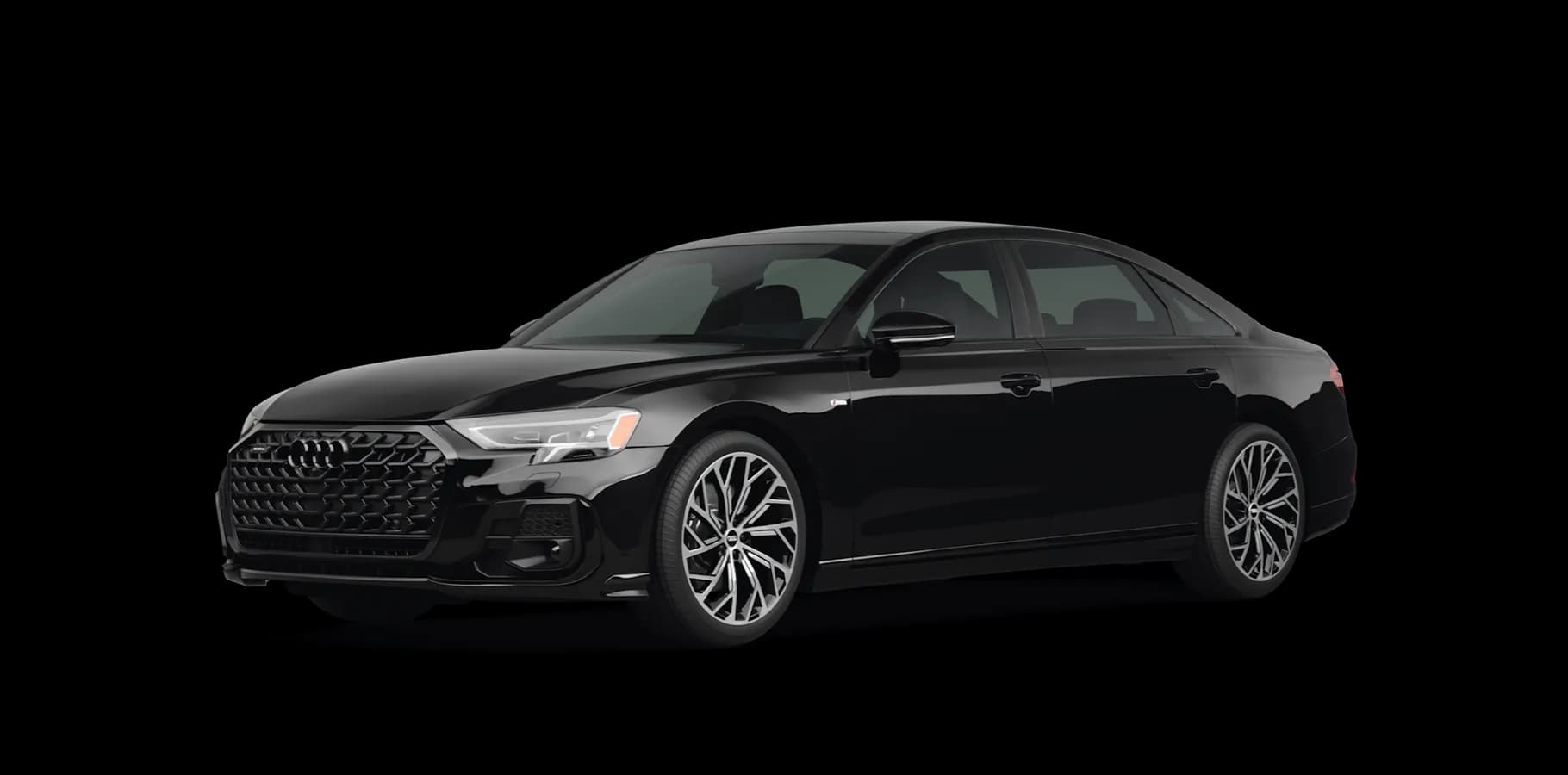
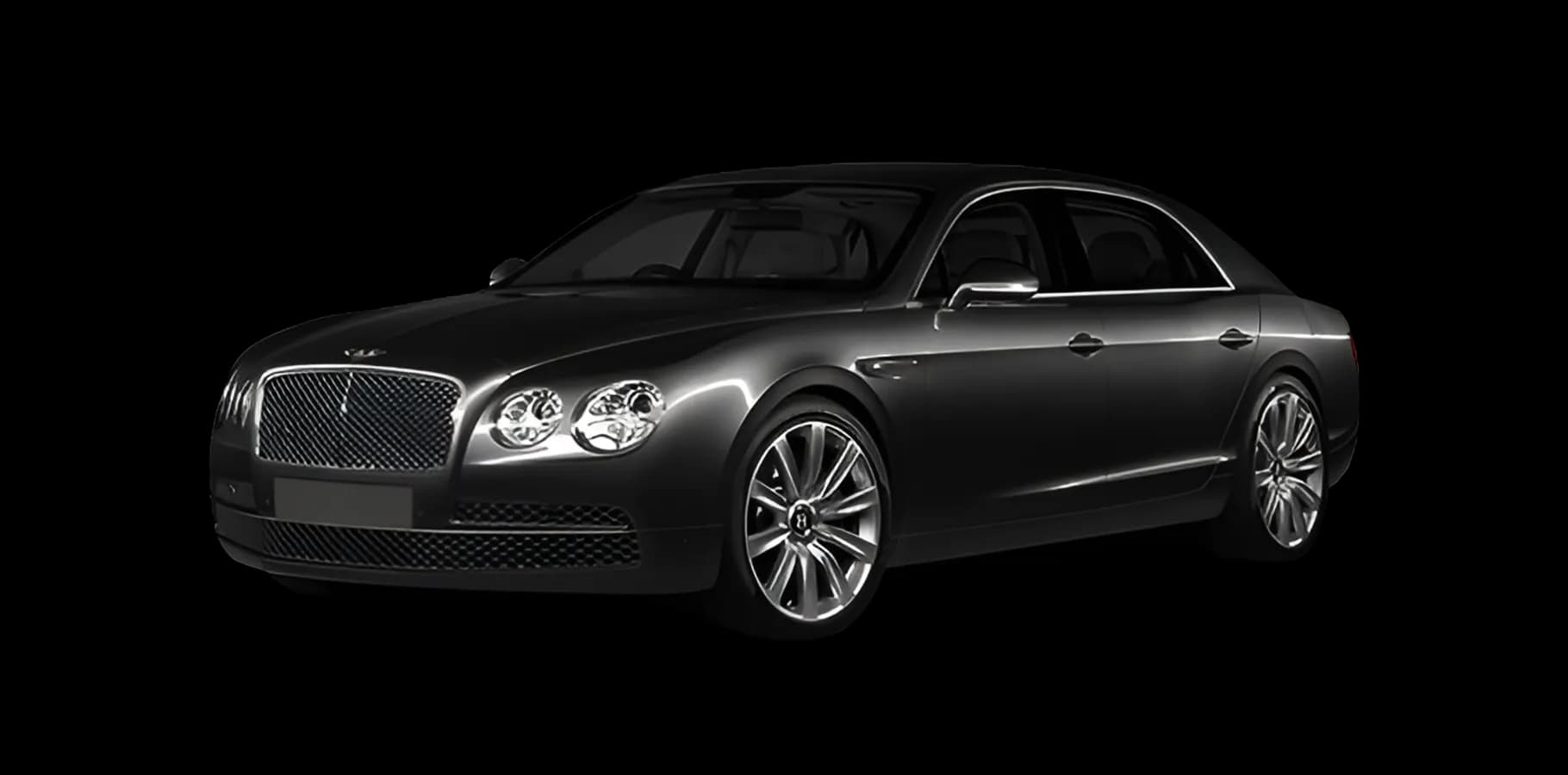
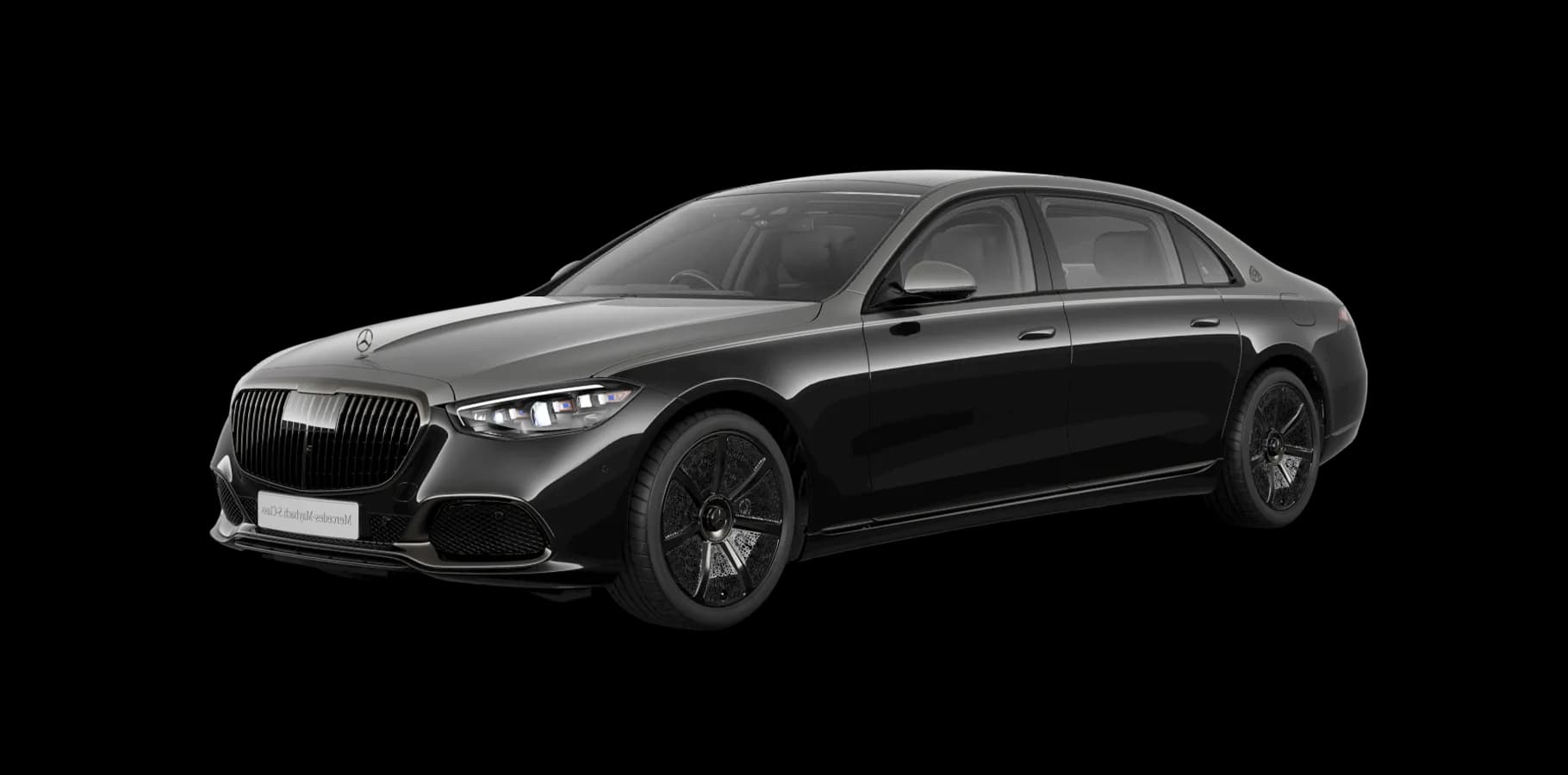
Choosing the right vehicle is the single biggest lever on price. Here is how our fleets break down for New York City and Long Island trips, with the capacity range and the use cases where each one is the economical choice.
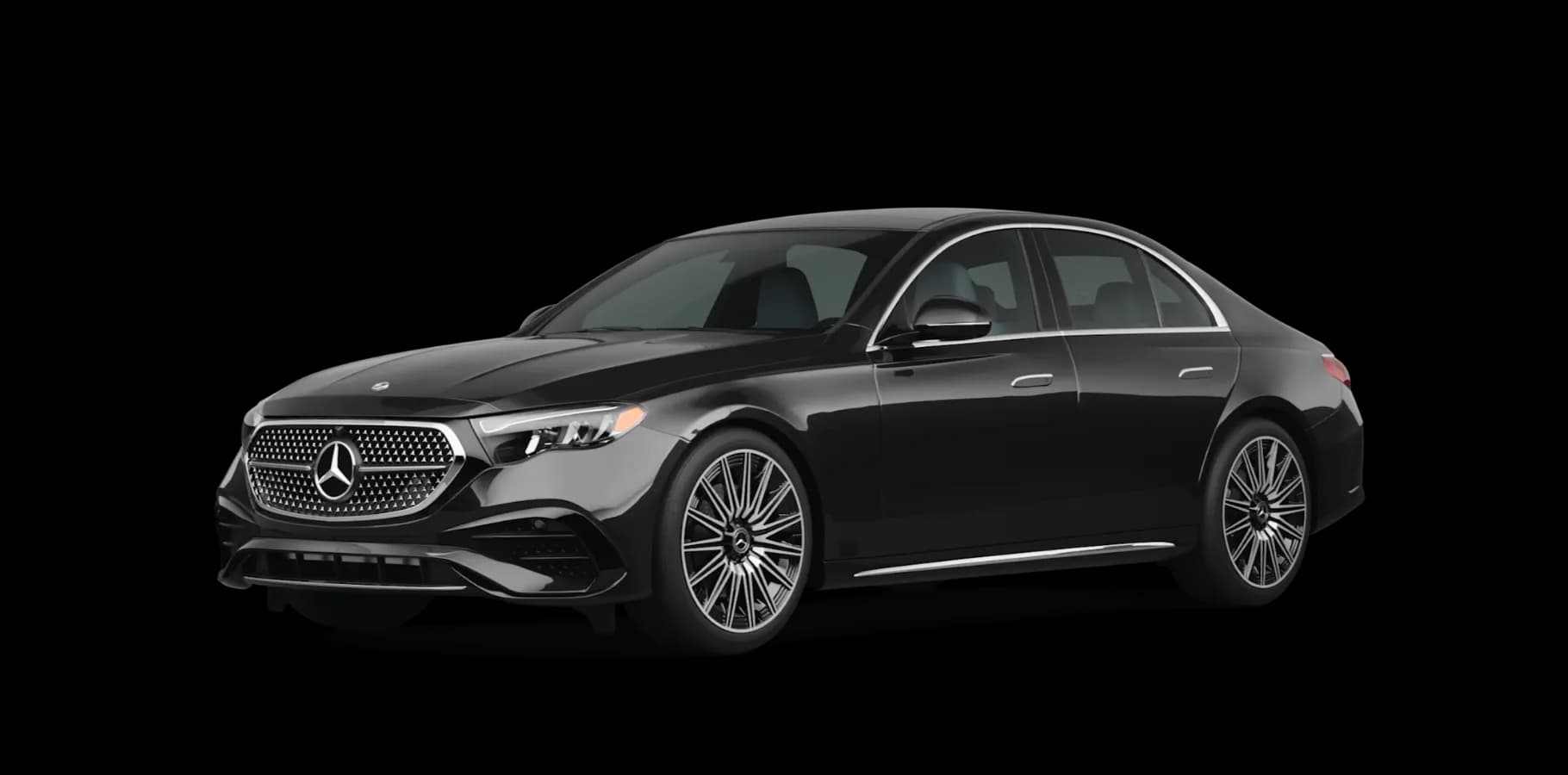
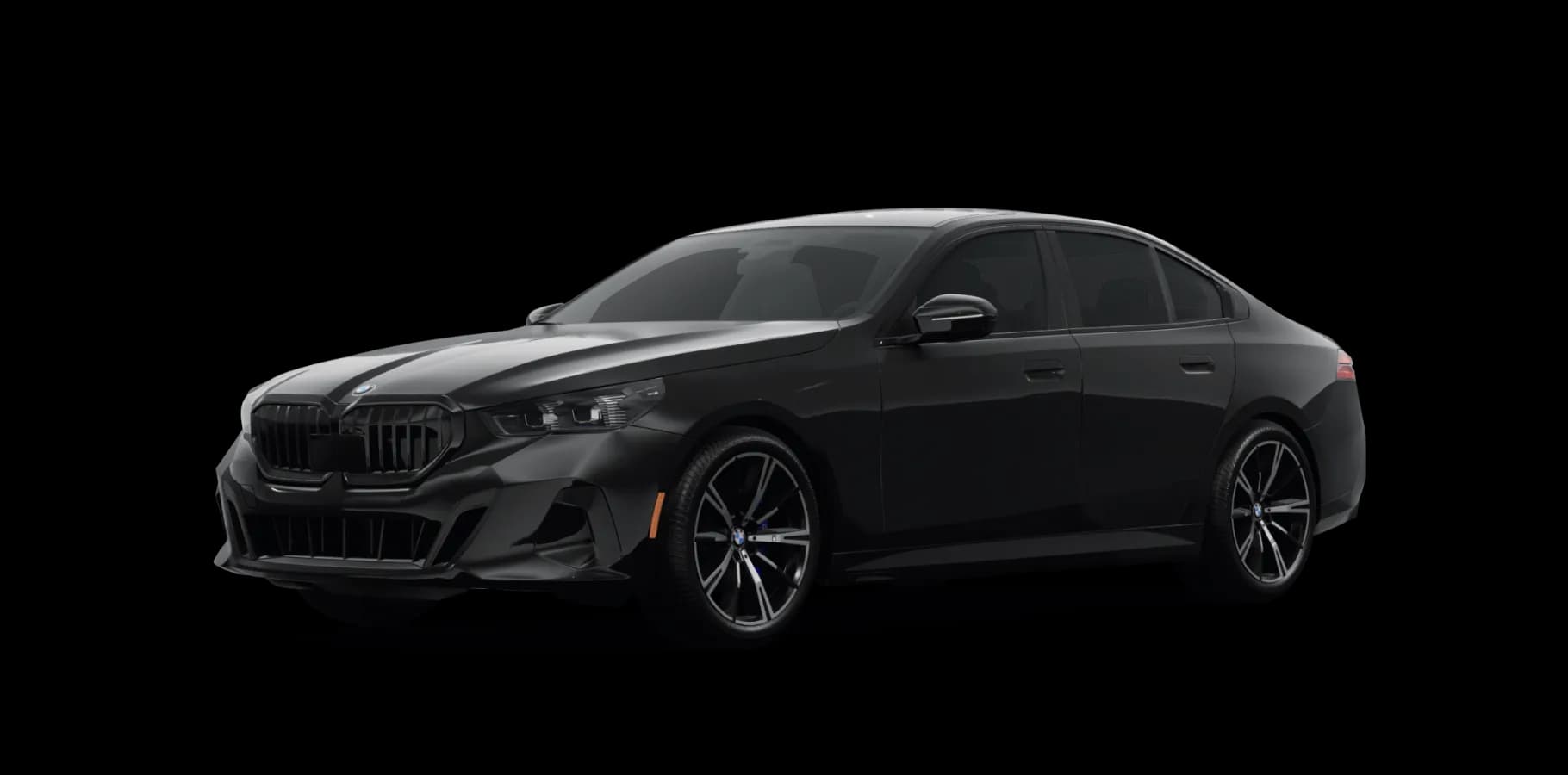
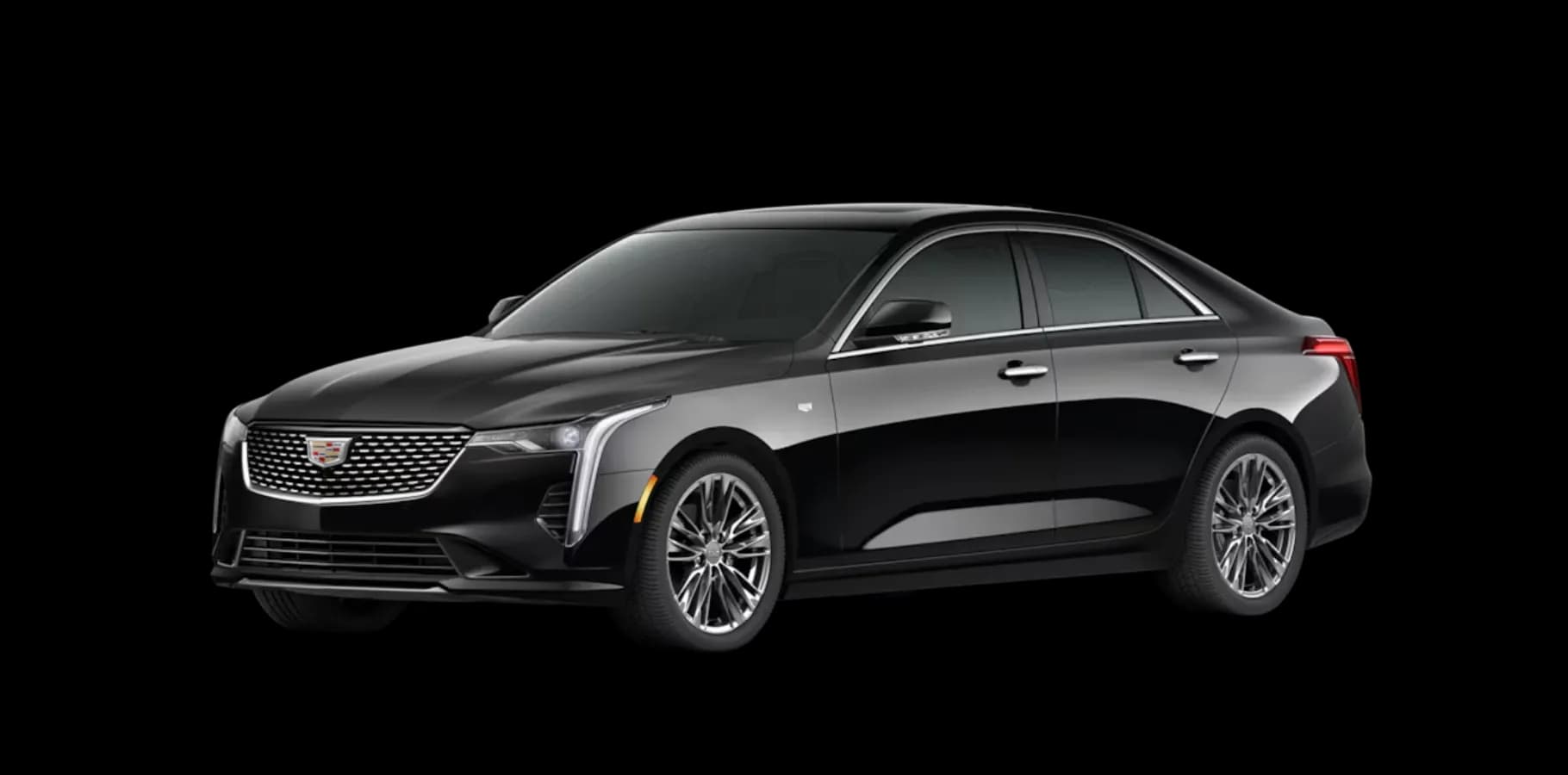
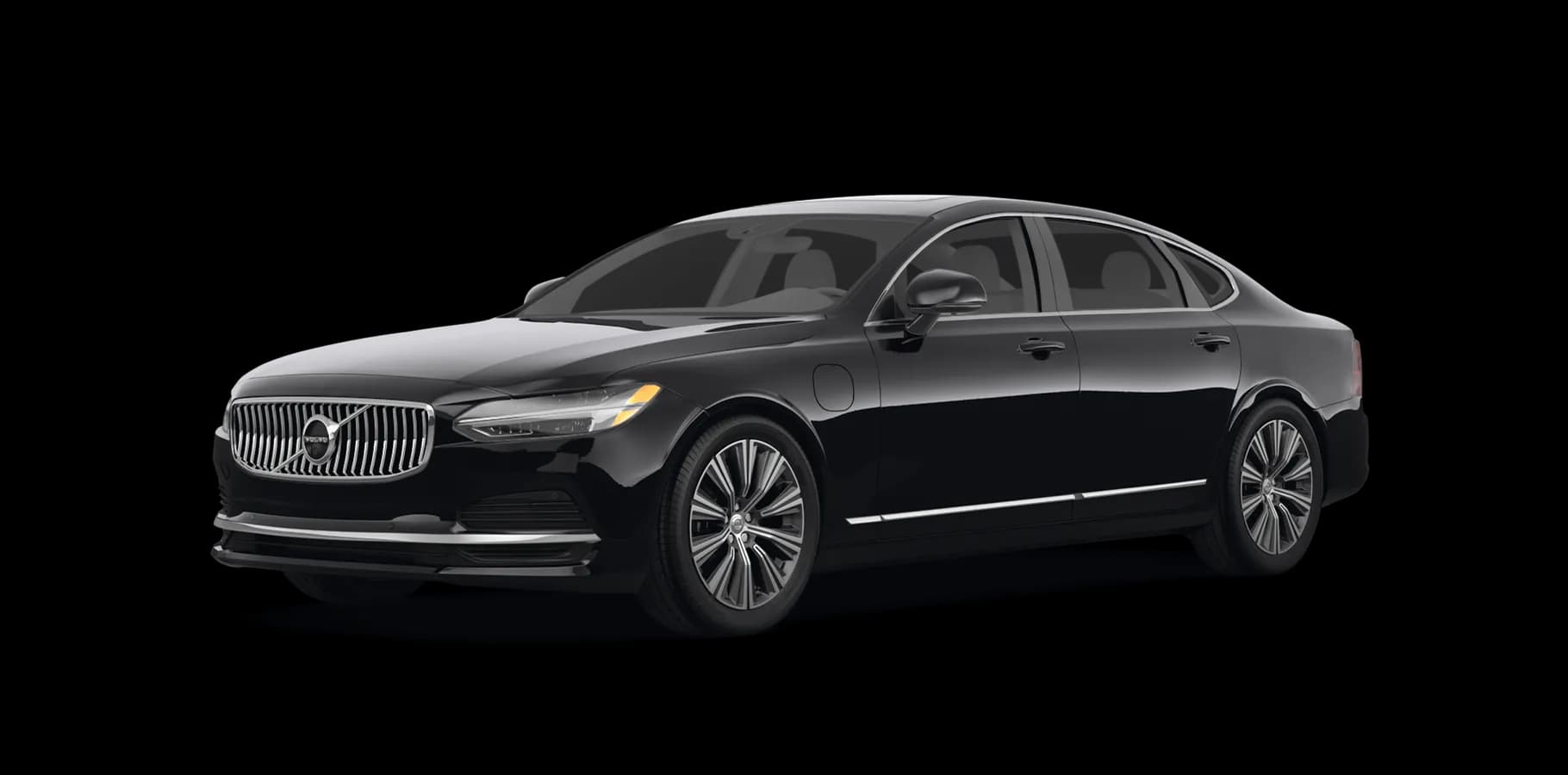
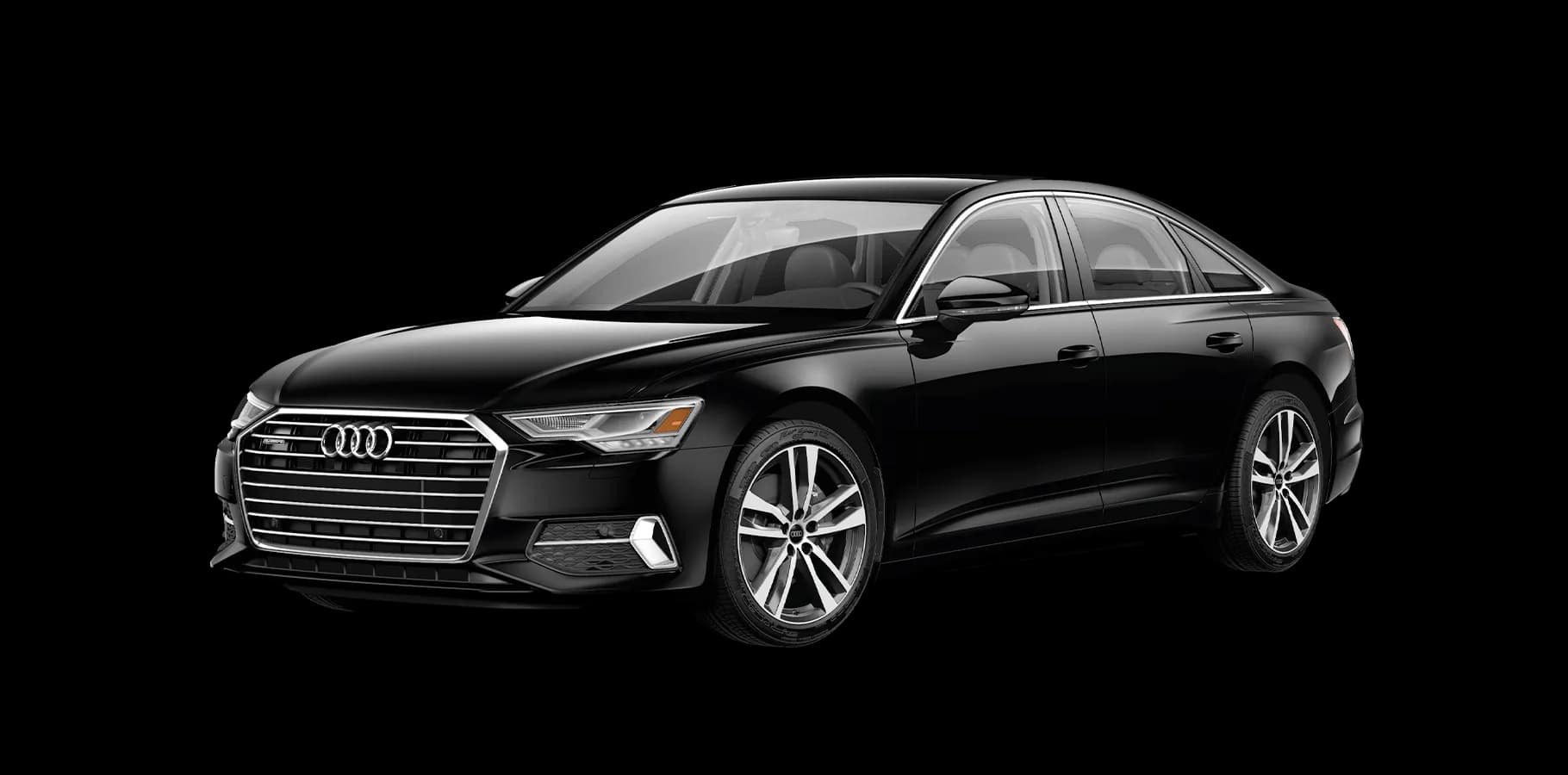
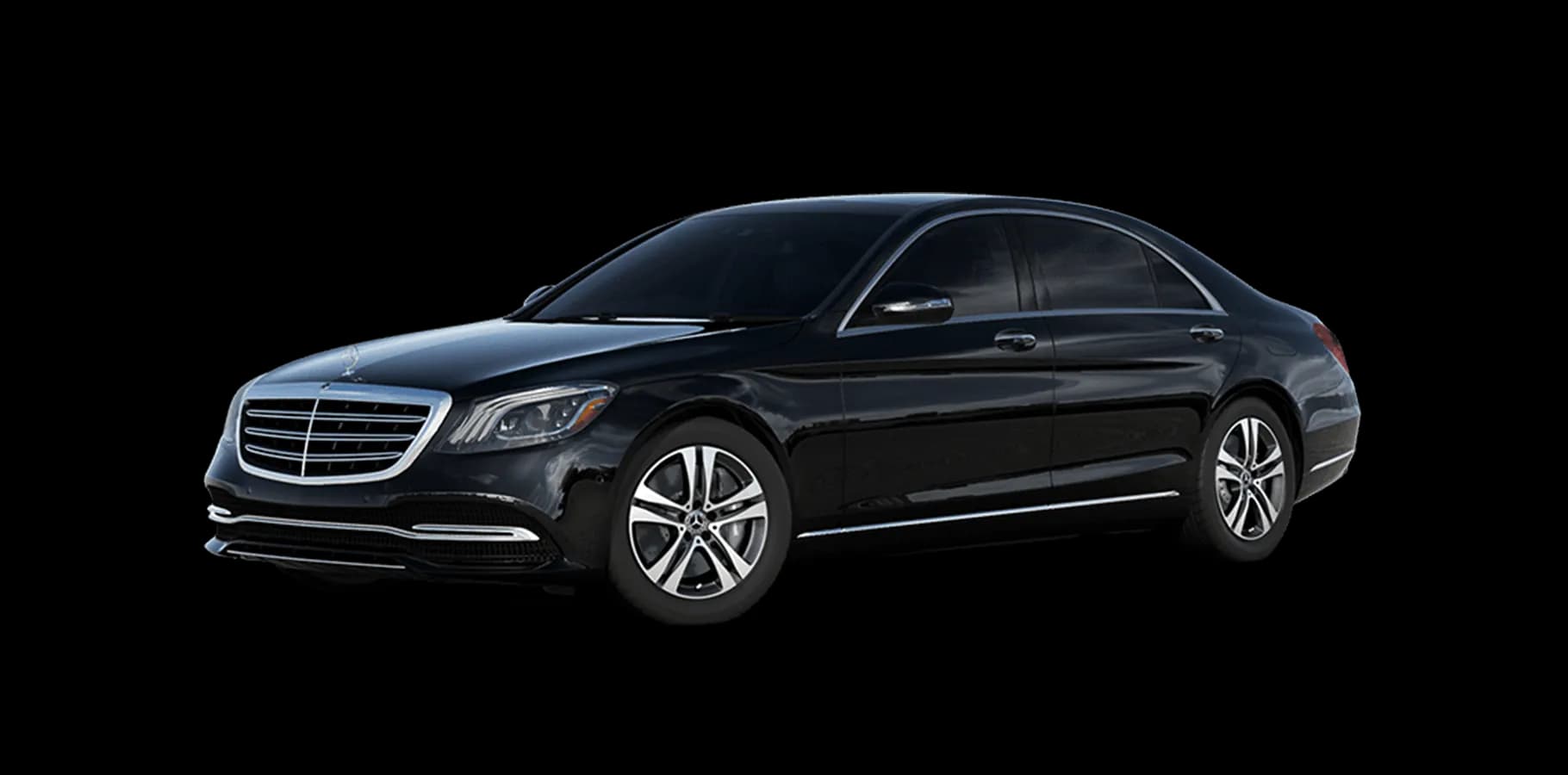
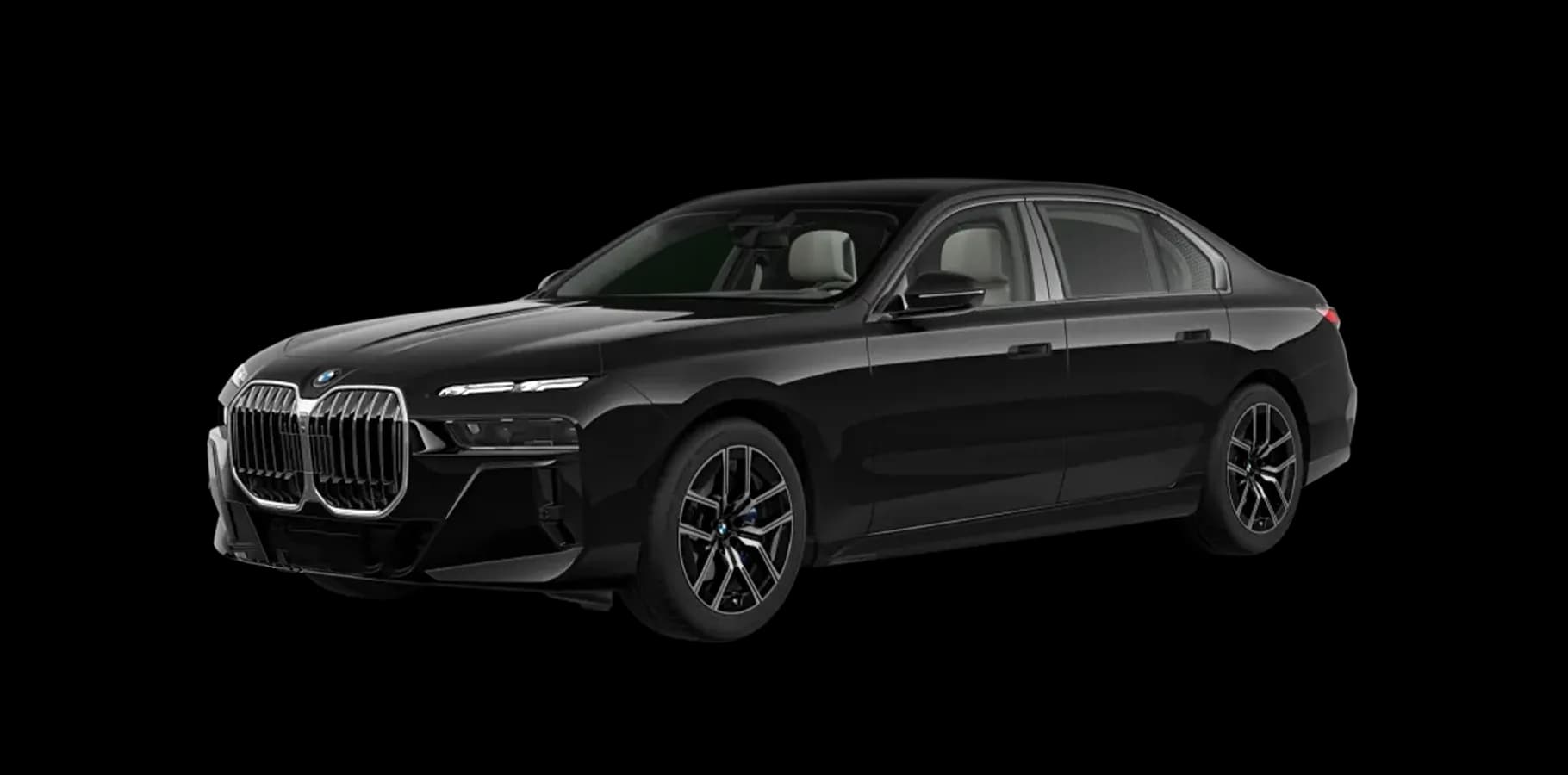
Sedans
- Capacity: 1 to 3 passengers with 2 to 3 large bags.
- Use cases: airport transfers, executive commutes, dinner and theater runs, medical appointments.
- Typical New York rate: $85 to $110 per hour, or $110 to $135 flat from JFK to Midtown.
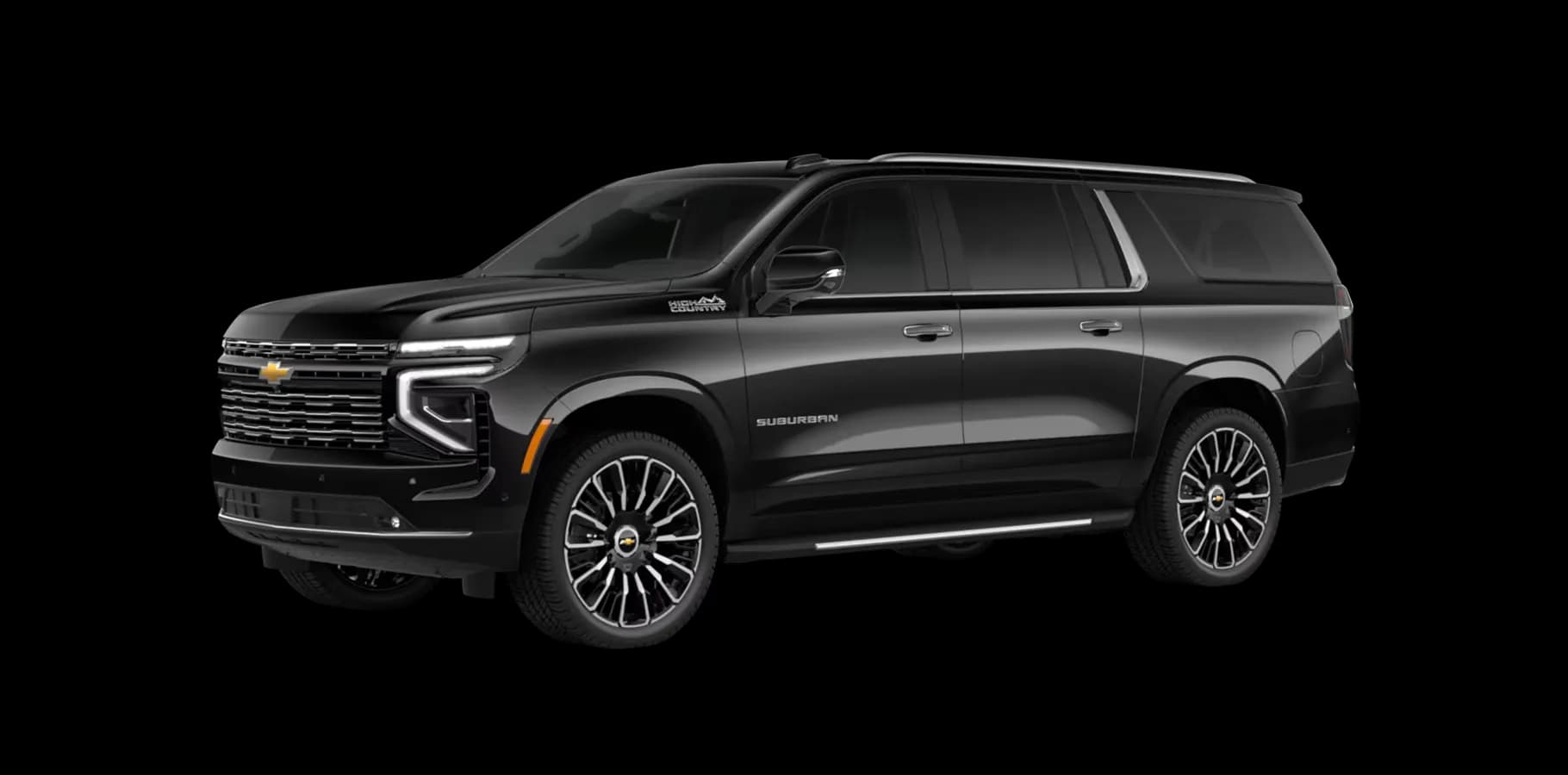
SUVs
- Capacity: up to 6 passengers with 5 to 6 large bags.
- Use cases: families flying with luggage, small teams, ski and golf trips to Suffolk County, winter weather days.
- Typical New York rate: $110 to $140 per hour, or $140 to $170 flat from JFK to Midtown.
Stretch Limousines
- Capacity: 8 to 20 passengers depending on the chassis.
- Use cases: weddings, proms, milestone birthdays, wine tours on the North Fork, night out packages.
- Typical New York rate: $150 to $250 per hour with a three hour minimum. See our limo service in New York page for packages.
Sprinter Vans
- Capacity: 10 to 14 passengers with a rear luggage area.
- Use cases: group airport transfers, corporate shuttles, bachelor and bachelorette weekends, cruise terminal transfers.
- Typical New York rate: $150 to $200 per hour, or $250 to $320 flat from JFK to Manhattan.
Party Buses
- Capacity: 20 to 44 passengers with lounge seating, sound and lighting.
- Use cases: birthdays, bar crawls, sweet sixteens, Hamptons weekends, concert nights at UBS Arena or Barclays Center.
- Typical New York rate: $250 to $400 per hour with a four hour minimum.
Mini Charter Buses
- Capacity: 25 to 35 passengers with underfloorr luggage bays.
- Use cases: school trips, church groups, conference shuttles, wedding guest transport between hotel and venue.
- Typical New York rate: $180 to $260 per hour, or day rates for out of town trips.
Full Size Charter Buses
- Capacity: 45 to 56 passengers with restroom, reclining seats and climate control.
- Use cases: corporate offsites, sports teams, university groups, multi day tours across the tri state area.
- Typical New York rate: $220 to $350 per hour, with mileage based pricing on long trips.
Popular Routes and Landmarks Across the Service Area
Manhattan
Manhattan is where the price gap is narrowest on short trips and widest on airport runs. A Manhattan car service booking is most valuable for the Midtown core, where zone charges, surge and gridlock all overlap.
Midtown and Lower Manhattan Landmarks
Popular pickup and drop off points include Times Square, Rockefeller Center, the Empire State Building, Hudson Yards, Lincoln Center, Grand Central Terminal, Moynihan Train Hall, One World Trade Center and The Battery. Every one of these sits inside the Congestion Relief Zone, so an app ride carries the $1.50 charge and a black car carries $0.75.
Governors Island Ferry Trips From the Battery Maritime Building
A frequent summer request is a drop off at the Governors Island ferry at the Battery Maritime Building, 10 South Street, where ferries depart every 30 minutes from Lower Manhattan and seasonal weekend service runs from Brooklyn Bridge Park Pier 6 through early November. Friday evenings around the ferry terminal are a reliable surge pocket because the Staten Island Ferry, Governors Island and Wall Street commuters all exit at once.
Booking Tip for Ferry Departures
Book the drop off for 20 minutes before the ferry, not the ferry time itself, and give the South Street address so the chauffeur approaches from the FDR Drive side and avoids the Whitehall Street queue.
Brooklyn and Queens
A Brooklyn car service is most often booked for Barclays Center events, Brooklyn Bridge Park, DUMBO, Coney Island, the Brooklyn Cruise Terminal in Red Hook, and airport runs from Park Slope, Williamsburg and Bay Ridge. A Queens car service covers Citi Field, the USTA Billie Jean King National Tennis Center, Flushing Meadows Corona Park, Astoria, Long Island City, and both major airports, which makes Queens the borough where app airport surge is the most frequent complaint.
The Bronx and Staten Island
A Bronx car service serves Yankee Stadium, the Bronx Zoo, the New York Botanical Garden, Wave Hill in Riverdale and Fordham University, with the RFK Bridge and Throgs Neck Bridge as the main tolled links to Queens and the airports. A Staten Island car service is booked most for Newark Airport, Snug Harbor Cultural Center, the St. George waterfront and Empire Outlets, and for Manhattan trips over the Verrazzano Bridge where app availability thins out late at night.
Nassau County and Suffolk County on Long Island
Long Island is where flat rates most consistently beat app pricing, because distance pushes app fares up and the trip ends outside the city where drivers earn the higher out of town rate. A Nassau County car service handles Garden City, Great Neck, Manhasset, UBS Arena at Belmont Park, Jones Beach and Gold Coast estates such as Planting Fields Arboretum in Oyster Bay, reached from Manhattan by the Long Island Expressway to Exit 41 North. A Suffolk County car service covers Huntington, Stony Brook, Islip MacArthur Airport, the Hamptons and Montauk, and our broaderLong Island car service page lists winery tours and beach day rates for both counties.
How to Get the Best Price on New York Ground Transportation?
- Compare the all in total, including surge, tolls, zone charges and tip, against the flat quote for the same route at the same hour.
- Book 24 hours ahead for airports and event nights; last minute app requests at those times are where surge does the most damage.
- Match the vehicle to the headcount and luggage. A sedan for two or an SUV for a family of five will each beat a mismatched booking.
- Use hourly service for any day with three or more stops.
- Check airport pickup rules before you land, since terminal construction at JFK changes where app cars are allowed to wait.
- Ask about round trip and recurring commute pricing, which is common for car service and unavailable on apps.
- Read our related guides on which ride is cheaper than Uber in NYC, whether a car service is more expensive than Uber in New York, and whether limos are cheaper than Ubers in NYC for route specific breakdowns.
Book Your NYC Car Service Today
Ready to lock in a flat rate for your next airport transfer, business day or group trip? Union Limousine serves all five boroughs, Nassau County, Suffolk County and every major airport with sedans, SUVs, stretch limousines, Sprinter vans, party buses and charter buses. Get an instant quote online or call our dispatch team any hour of the day, and compare it against the app before you decide. The number you see is the number you pay.
Conclusion
Is NYC car service cheaper than Uber or Lyft? For a short ride across town on a quiet afternoon. No, the app will usually save you $20 to $50. For airport transfers during peak arrival hours, any trip in rain or rush hour, groups of five or more, hourly itineraries, and most Nassau and Suffolk County routes, a flat rate car service is often cheaper once surge, zone charges, wait time and rebooking fees are counted, and it is always more predictable. The smart approach in New York is to use each option for what it does best and to price the trip on its true total, never on the base fare alone. Union Limousine publishes flat rates for exactly that reason, so the comparison can be made before the car arrives.