 Account
 Book Now
 Book Now
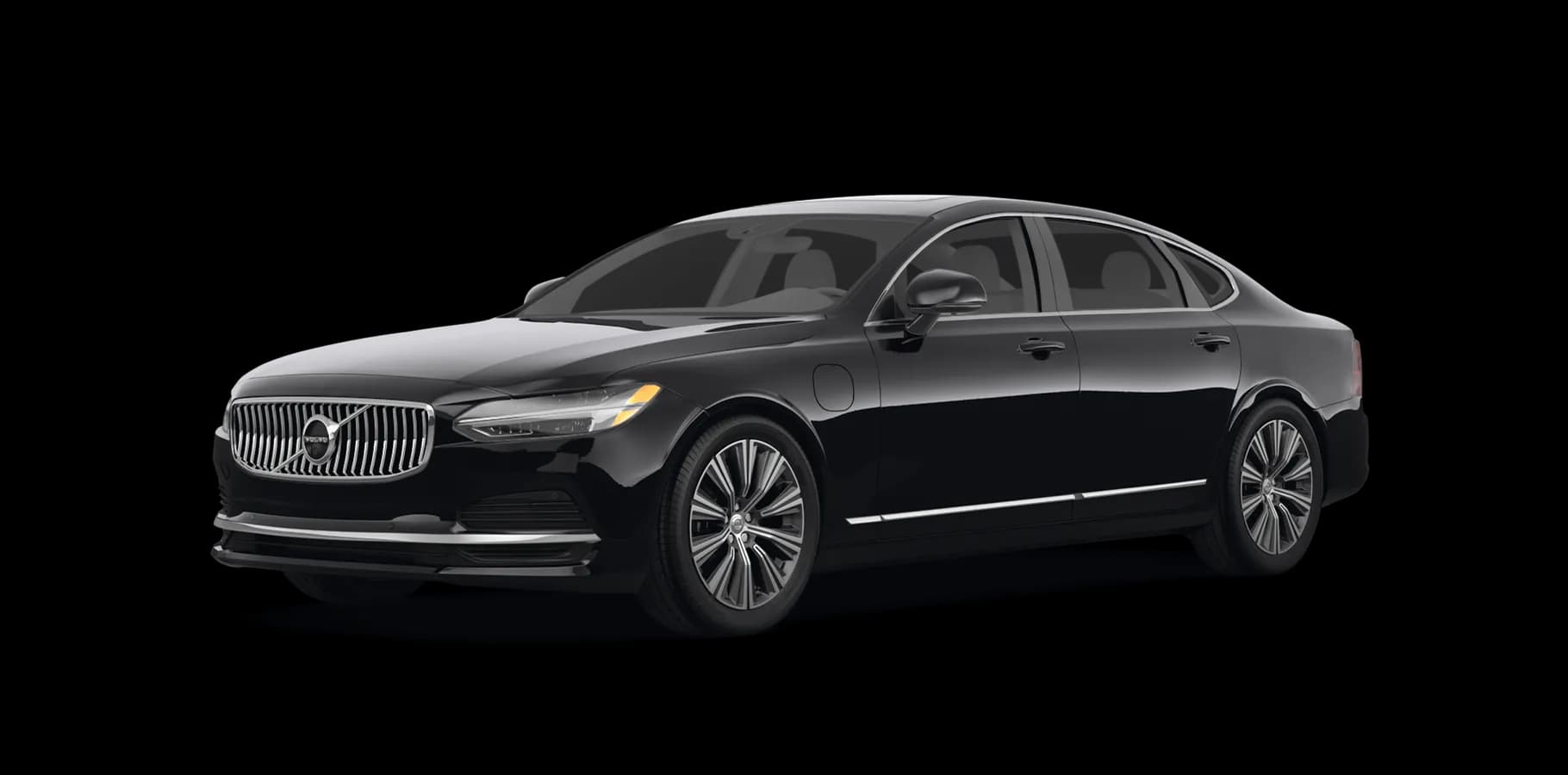
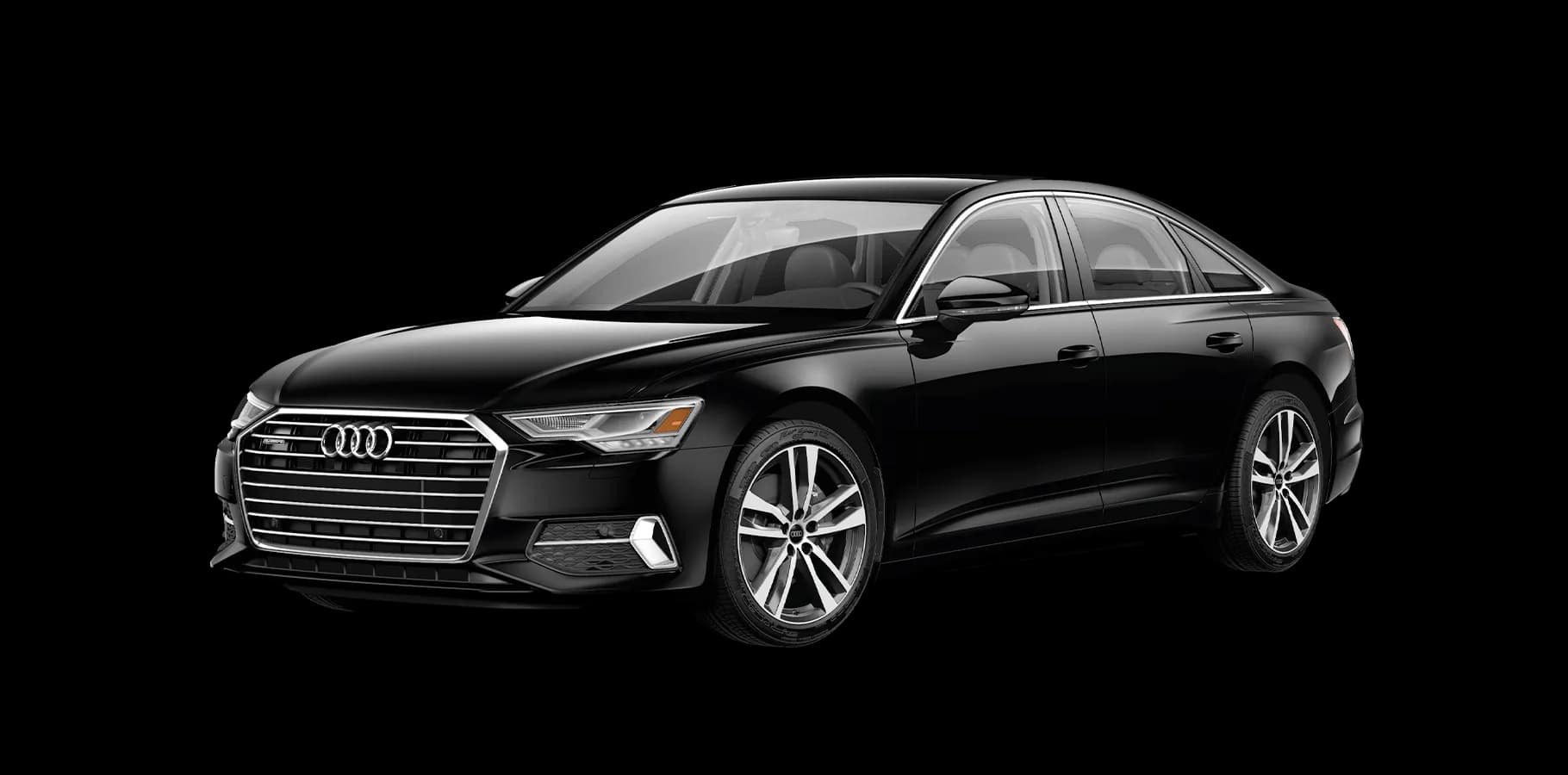
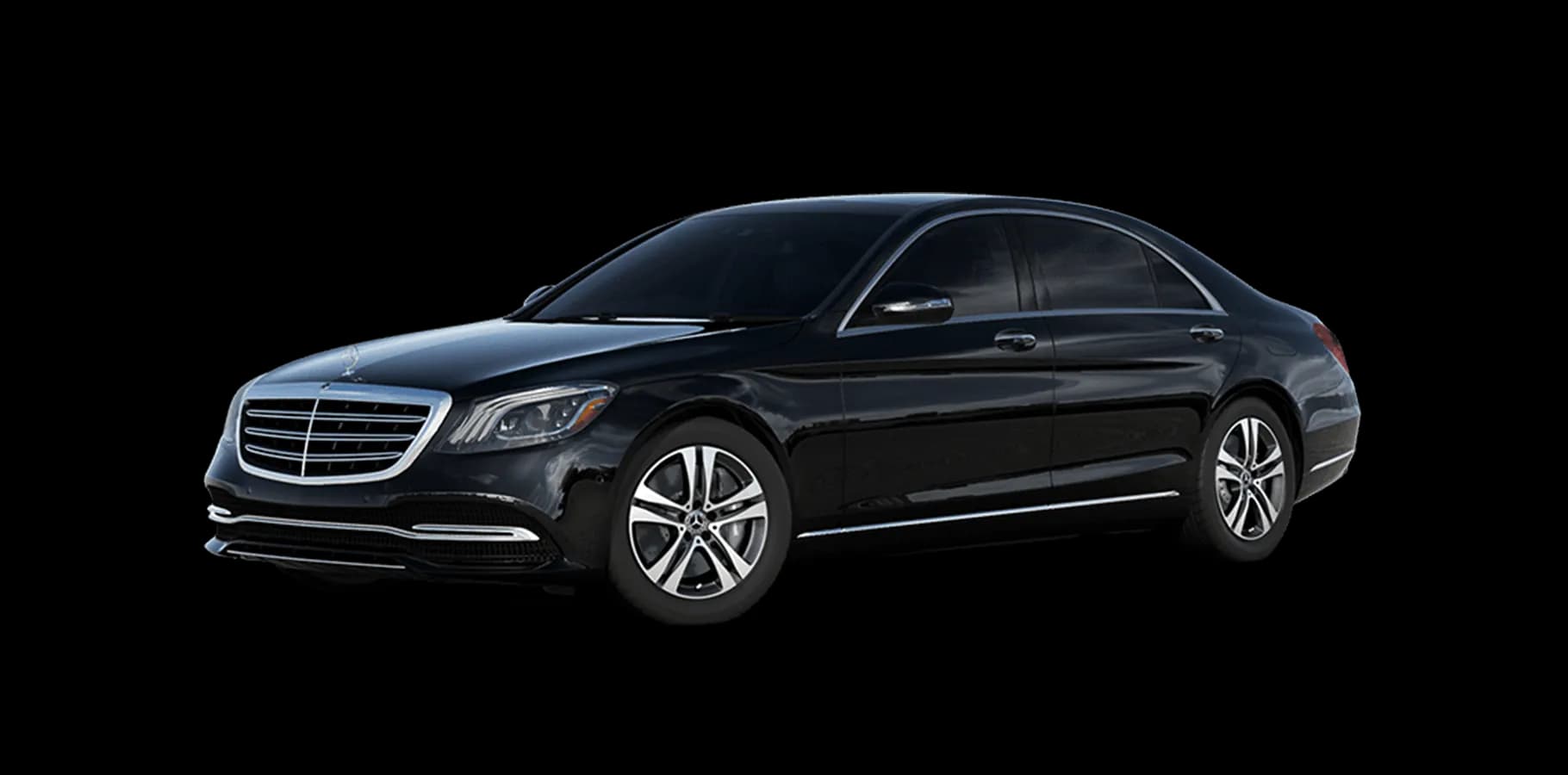
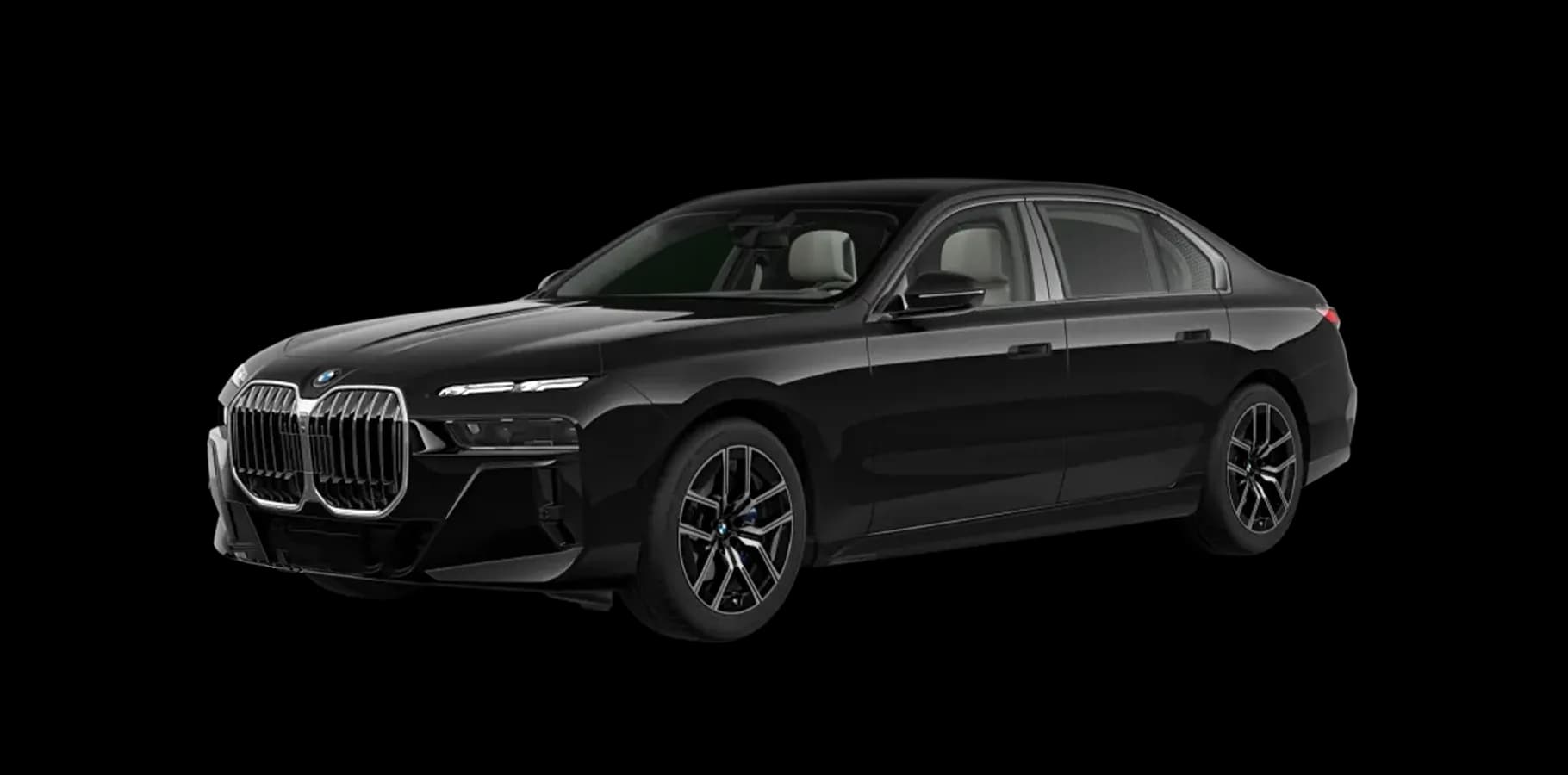
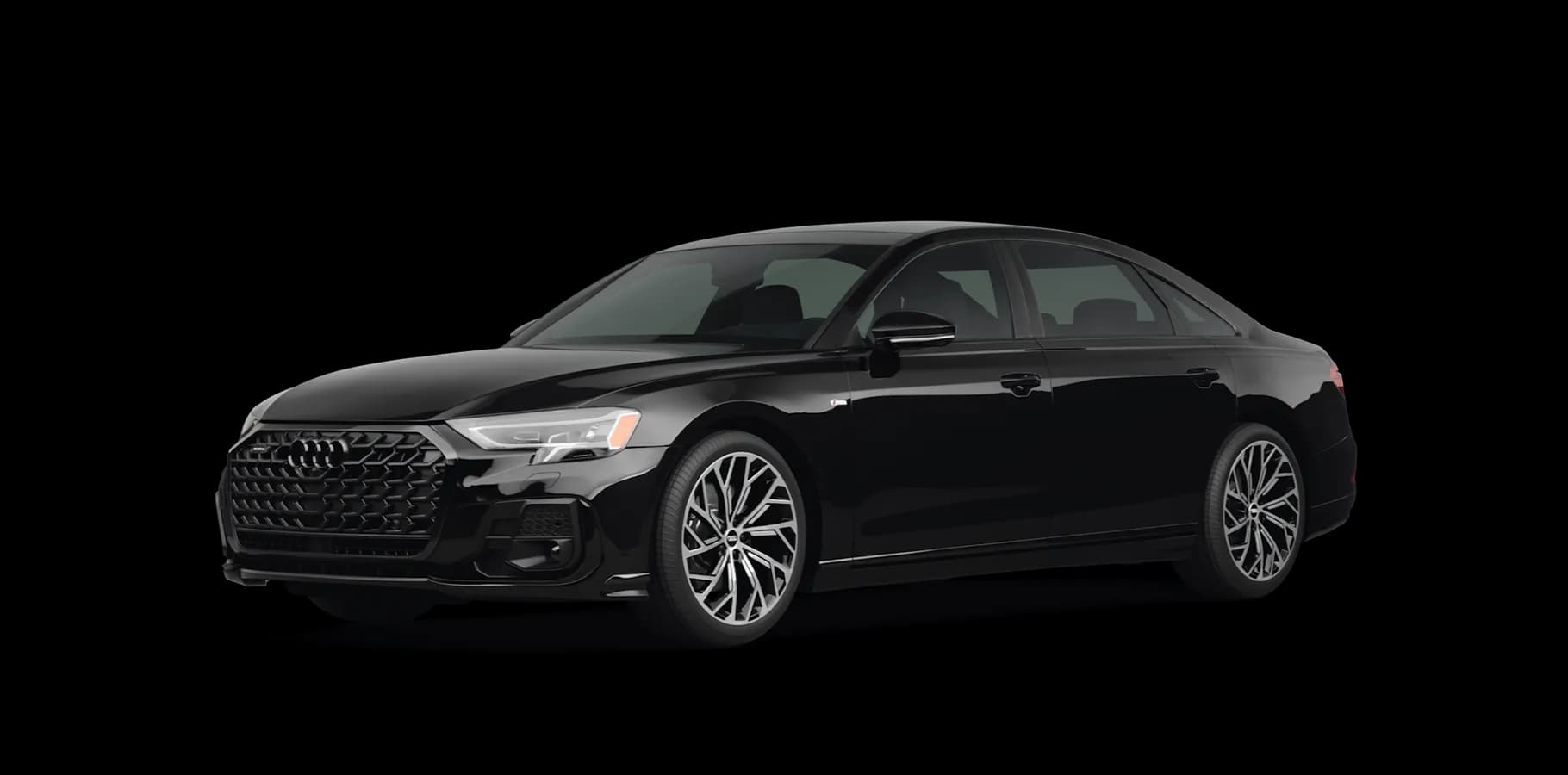
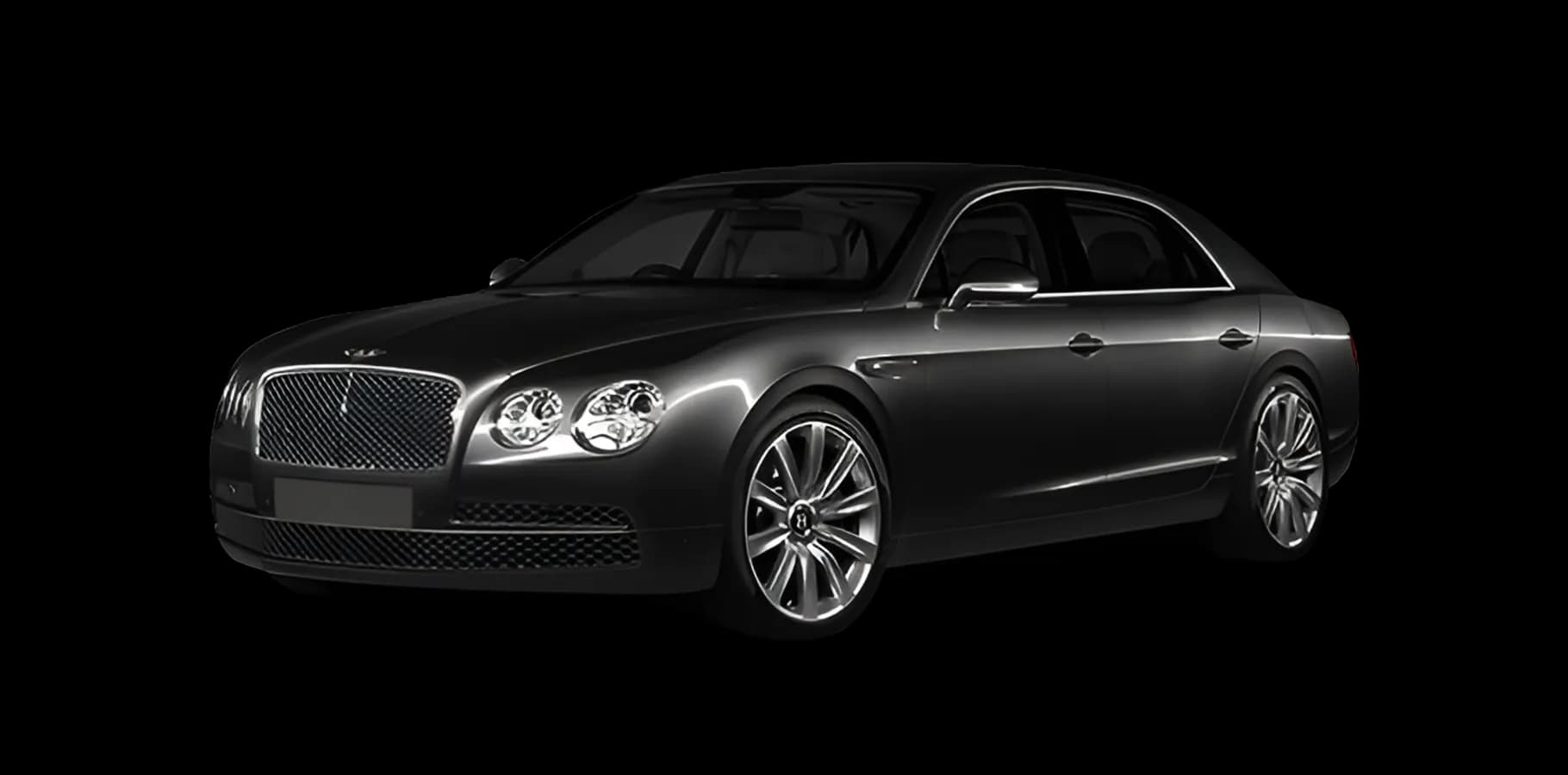
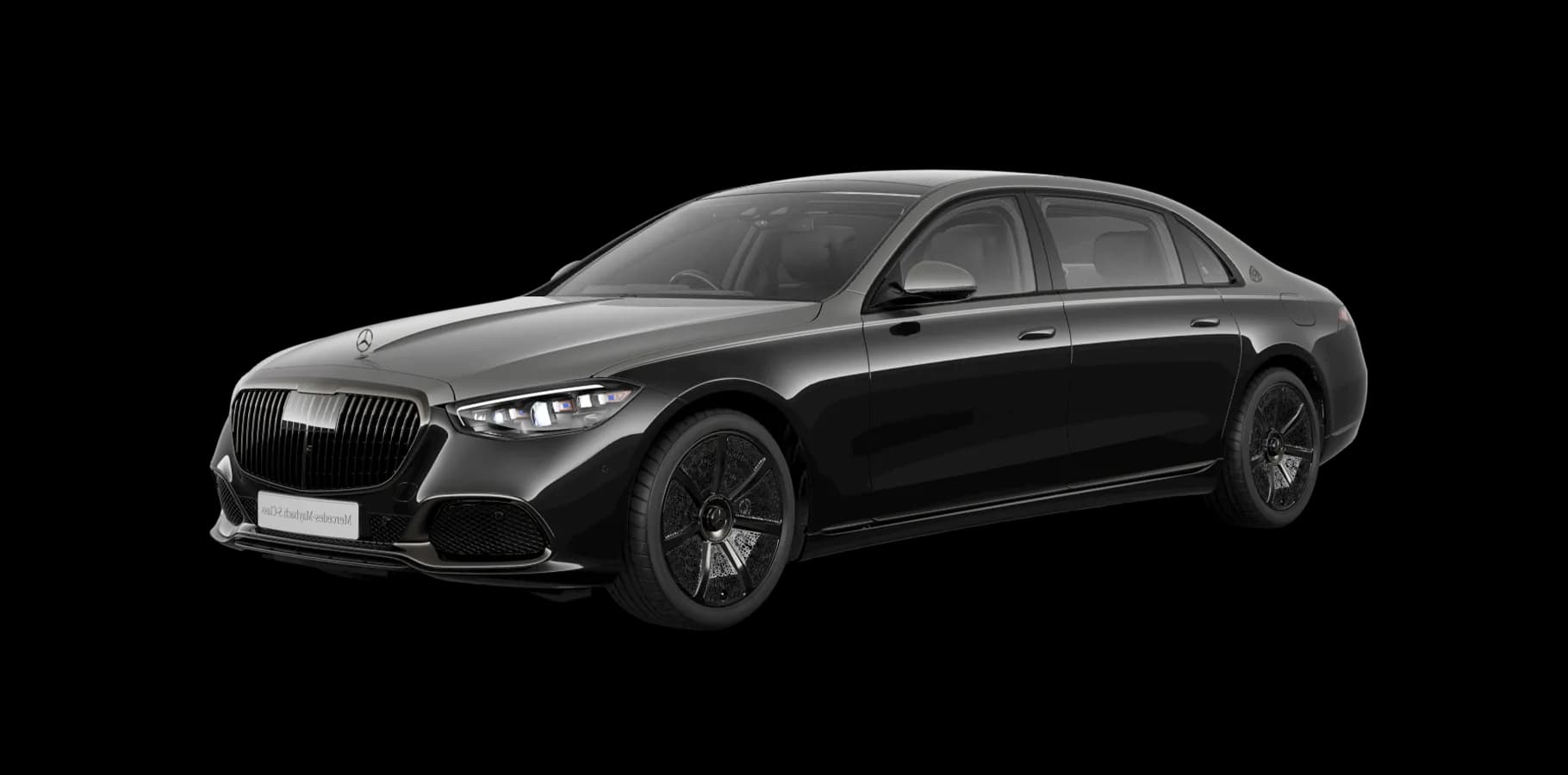
 Our Fleets
Book a chauffeured sedan from JFK to Midtown, compare the receipt with a rideshare fare for the same trip, and the same question comes up every time: why is chauffeur service expensive in New York City? The plain answer is that a licensed operator in the five boroughs pays for a long list of costs that a gig driver in a personal car never sees. Commercial insurance, Taxi and Limousine Commission licensing, garage storage in Manhattan, tolls on almost every river crossing, congestion charges, salaried professional drivers, and vehicles that cost as much as a small apartment all sit inside the hourly rate. This guide walks through each layer so you can judge whether professional chauffeur service in New York fits your trip, and it lays out what We charge by vehicle, by route, and by borough.
What a New York Chauffeur Rate Actually Covers?
When We quote $150 to $200 for a sedan from JFK to Manhattan, the fare is paying for a great deal beyond the 16 miles of road. A single licensed vehicle in New York City carries roughly $100,000 to $250,000 in annual operating cost before it earns a dollar. The largest line items are:
- Commercial liability insurance mandated by the TLC, typically $8,000 to $15,000 per vehicle per year
- A salaried, background checked, TLC licensed chauffeur earning $55,000 to $75,000 plus benefits
- Vehicle purchase or lease payments on luxury sedans, SUVs, Sprinter vans, and coaches
- Garage storage in or near Manhattan at $600 to $2,000 per month per vehicle
- Bridge and tunnel tolls, the Congestion Relief Zone charge, and the state congestion surcharge
- Fuel priced well above the national average, plus premium grades for luxury engines
- Maintenance, detailing after every trip, and licensed mechanic labor at $180 to $250 per hour
- Dispatch software, flight tracking, 24 hour phone support, and administrative staff
Every one of these costs is higher in New York than in almost any other American market. That gap, multiplied across a fleet, is the reason a professional chauffeur costs what it does here.
How New York Regulation Pushes Chauffeur Prices Up?
The New York City Taxi and Limousine Commission regulates every for hire vehicle that picks up passengers inside the five boroughs. Compliance is expensive by design, because the rules exist to keep unsafe vehicles and unvetted drivers off the road. A legitimate operator absorbs all of it.
TLC Licensing, Inspections, and Base Requirements
Each vehicle needs a TLC for hire vehicle license, a TLC inspection cycle, a commercial registration, and affiliation with a licensed dispatch base. Each driver needs a TLC Driver License, which requires fingerprinting, a defensive driving course, a drug test, and a criminal background check, followed by periodic renewals. Vehicles also age out under TLC retirement rules, so a black car company replaces cars on a schedule whether or not the vehicle still runs well. On top of licensing, every black car fare in the city carries a Black Car Fund surcharge, currently 2.25 percent, which funds workers' compensation and safety programs for drivers. The surcharge is small on a single trip but it is one more percentage point layered into the price.
Insurance, Liability Limits, and Workers' Compensation
Insurance is the single most misunderstood cost in the industry. A personal auto policy is void the moment a vehicle carries a paying passenger, so operators buy commercial livery coverage at NYC rates that run close to 140 percent above the national average. Vehicles that seat over a handful of passengers move into federal territory: interstate carriers must hold at least $1,500,000 in liability coverage for vehicles seating up to 15 passengers and $5,000,000 for 16 or more, and most New York operators carry those limits on every van and bus regardless of the route. New York also treats chauffeurs as employees for injury coverage. Under the state's Black Car Law, drivers affiliated with black car bases are covered through a dedicated injury compensation fund, and independent livery bases in New York City, Nassau, and Westchester must provide workers' compensation coverage for their drivers through a benefit fund or a full New York policy. Those premiums, plus disability and paid family leave coverage, are folded into the hourly rate.
Federal Rules for Sprinter Vans and Buses
Once a vehicle seats nine or more passengers for hire, the operator falls under Federal Motor Carrier Safety Administration rules. That means a USDOT number, driver hours of service logs, a random drug and alcohol testing program, annual vehicle inspections, and drivers with a commercial driver's license and passenger endorsement. New York adds its own Article 19A bus driver qualification file, with annual reviews and biennial physicals. A charter bus driver in New York is a credentialed professional whose file is audited by the state, and that oversight is part of why a coach costs $250 to $450 per hour.
Vehicle Costs: Why a Chauffeur Fleet Costs Millions
The vehicles themselves are the largest capital cost in the business. A rideshare driver can put a five year old compact car on the road. A chauffeur company cannot, because clients expect current model luxury vehicles with clean interiors and every amenity working.
Purchase Price and Depreciation
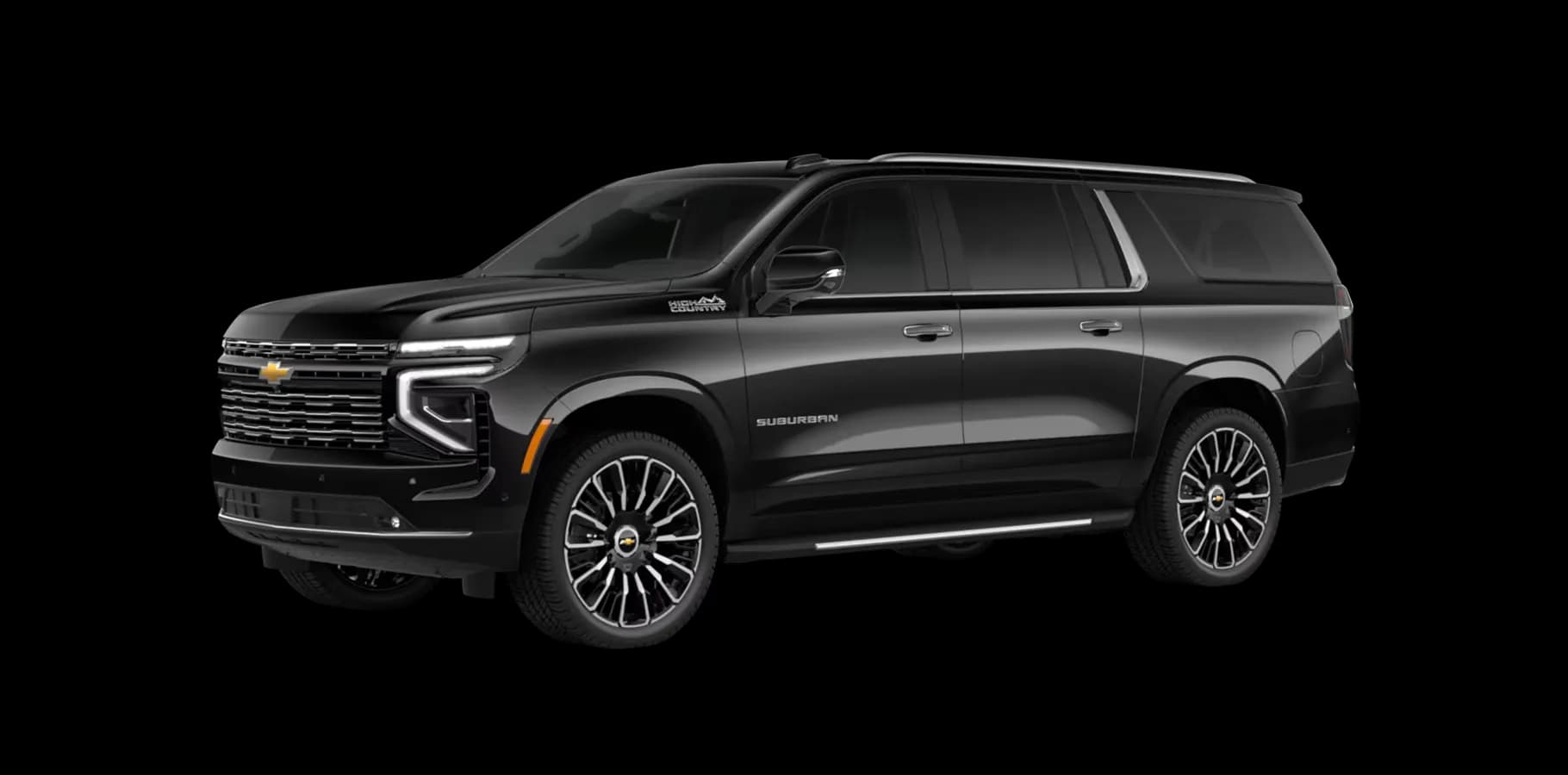
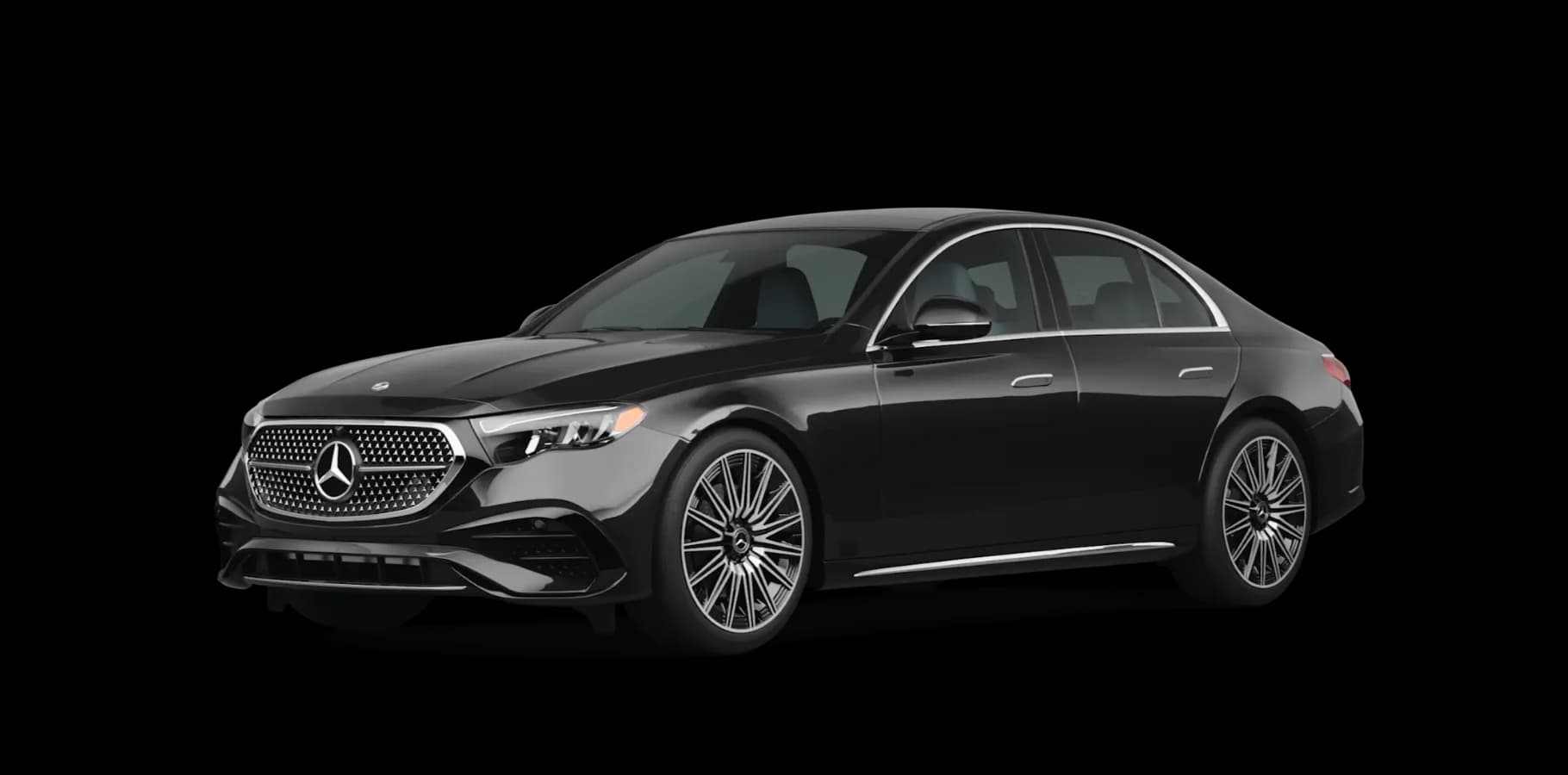
A luxury sedan such as the Mercedes Benz S Class costs $80,000 to $120,000 new. A premium SUV such as the Cadillac Escalade SUV or Lincoln Navigator runs $90,000 to $130,000, and even a full size Ford Expedition in a chauffeur ready Platinum trim starts above $70,000 before the tint, partition, and interior upgrades. A stretch limousine costs $100,000 to $200,000 because it is a coachbuilt vehicle, a Sprinter van in executive configuration runs $70,000 to $100,000, a party bus runs $150,000 to $300,000, a mini coach $120,000 to $180,000, and a full size motorcoach $350,000 to $500,000. These vehicles cover 40,000 to 60,000 miles a year in stop and go traffic, so depreciation is steep and replacement cycles are short. Across a full fleet of sedans, SUVs, stretches, vans, and buses, the capital tied up in vehicles alone can exceed $2.5 million.
Maintenance, Detailing, and Downtime
New York streets are brutal on suspensions, tires, and brakes. Potholes on the BQE and the Van Wyck, salt in winter, and constant braking on the FDR mean a chauffeur vehicle visits a mechanic several times as often as a family car. Maintenance and repair budgets run $5,000 to $15,000 per vehicle per year, and licensed mechanic labor in the city is priced at $180 to $250 per hour. Every vehicle is also detailed after every trip, and a party bus with lighting rigs and a sound system can cost $15,000 to $25,000 a year in upkeep on its own. Every hour a vehicle spends in the shop is an hour it earns nothing, so downtime is priced into the rates of the vehicles that are working.
Garage Storage and Manhattan Parking
There is nowhere to leave a $100,000 vehicle on a Manhattan street. Commercial garage space near the core costs $600 to $2,000 per vehicle per month, and that is before hourly parking during a job. When a chauffeur waits for a client at a wedding on the Hudson, the vehicle is often parked at venue rates; the posted rates at Chelsea Piers, for example, already include the 18.375 percent Manhattan parking tax that applies to non resident vehicles. Those charges are real money on a four hour event, and they explain why hourly bookings in Manhattan cost well above the same hours in Nassau County.
Tolls, Congestion Pricing, and Fuel in New York
New York is an archipelago. Almost every trip between boroughs, to an airport, or to New Jersey crosses a tolled bridge or tunnel, and Manhattan below 60th Street now carries its own toll. These pass through charges are a large part of why a quoted fare looks high next to the base rate.
Bridge and Tunnel Tolls on Common Chauffeur Routes
A sedan running from Newark Liberty to Midtown pays a Port Authority toll at the Lincoln Tunnel that runs roughly $16 to $18 for a passenger vehicle at peak hours. A trip from JFK to Staten Island crosses the Verrazzano Narrows Bridge, one of the most expensive crossings in the country. Runs from LaGuardia into Manhattan use the RFK Bridge or the Queens Midtown Tunnel, both tolled, unless the chauffeur routes over the free Queensboro Bridge and accepts the extra traffic. Vans and buses are charged by axle and pay several times the car rate per crossing. We show tolls as a separate line so you can see exactly what the road cost.
The Congestion Relief Zone and the State Surcharge
Since January 2025, vehicles entering Manhattan at or below 60th Street pay the Congestion Relief Zone toll: $9 for a passenger car at peak times, with a per trip charge for for hire vehicles and a per entry toll of $14.40 to $21.60 for buses depending on size. That sits on top of the New York State congestion surcharge of $2.75 on every for hire trip that starts, ends, or passes through Manhattan below 96th Street, a charge that has applied since 2019. A single Midtown pickup can therefore carry two separate congestion charges before the meter of costs even reaches the toll booth.
Fuel, Idling, and City Mileage
Gasoline in the five boroughs is consistently priced above the national average, and most luxury engines call for premium grade. A full size SUV averaging 15 to 17 miles per gallon in city traffic burns roughly double the fuel per revenue mile of a compact rideshare car, and airport queues, event waits, and gridlock on the Cross Bronx all consume fuel while the vehicle earns nothing. Fuel budgets run $8,000 to $20,000 per vehicle per year, and every price spike lands on the operator first.
Labor: What a Professional Chauffeur in NYC Is Paid For
The person behind the wheel is the second largest cost after the vehicle, and this is where chauffeur service separates most sharply from app based rides. A chauffeur in New York is a trained employee, paid for the whole shift, whether the car is moving or waiting.
Wages, Benefits, and Training
New York chauffeur wages run $55,000 to $75,000 a year, compared with $35,000 to $50,000 in most other metro areas, and that figure sits before payroll taxes, health benefits, workers' compensation premiums, and paid leave. Chauffeurs are trained on route knowledge, terminal layouts at all three airports, client etiquette, luggage handling, and defensive driving, and they are dressed in a suit and tie for every job. That training costs money, and keeping a low turnover team in a city with a high cost of living costs even more.
Paid Wait Time and Deadhead Miles
When a flight into LaGuardia lands 45 minutes late, the chauffeur is paid for those 45 minutes. When a Suffolk County client books a one way transfer to JFK, the chauffeur drives back empty for 50 miles, and that deadhead time is also paid. Rideshare pricing hides these costs by pushing them onto the driver; a chauffeur company carries them and builds them into the rate. That is why airport transfers include a fixed wait allowance and why long distance one way trips carry a minimum.
Route Details and Real Prices Across the New York Service Area
Geography shapes price. Below are the routes We run most often, what they involve, and what they cost across the fleet. Every fare below is quoted flat, includes the chauffeur's wait allowance, and shows tolls and congestion charges separately.
Airport Routes: JFK, LaGuardia, and Newark
Airport transfers are the most common booking in the city, and each of the three airports has its own routing, toll, and traffic profile. Airport chauffeur service at every terminal includes flight tracking, a meet and greet inside the terminal, and 60 minutes of complimentary wait time on domestic arrivals.
JFK Airport to Manhattan
Route and Travel Time
The standard run leaves the terminal loop, takes the Van Wyck Expressway north to the Long Island Expressway, and enters Manhattan through the Queens Midtown Tunnel, about 16 miles that take 45 minutes at 5 a.m. and 90 minutes or longer in the evening rush. For Upper Manhattan the chauffeur may use the Grand Central Parkway and the RFK Bridge.
What Adds Cost on This Route
Tunnel or bridge tolls, the Congestion Relief Zone charge on entry below 60th Street, the state surcharge, terminal wait time, and a Port Authority airport pickup fee all sit on top of the base fare. A sedan through JFK car service runs $150 to $200 all in; an SUV runs $180 to $250.
LaGuardia Airport to Midtown
LaGuardia is only nine miles from Midtown, so LaGuardia car service in a sedan costs $110 to $150. The chauffeur uses the Grand Central Parkway to the RFK Bridge or the BQE to the Queens Midtown Tunnel, and the fare covers the rebuilt terminal pickup zones, which are farther from the gates than they used to be. Trips from LaGuardia to Nassau County in an SUV run $160 to $220.
Newark Liberty to Manhattan
Newark sits in New Jersey, which means New Jersey Turnpike tolls, the Lincoln Tunnel or Holland Tunnel toll, and a longer wait profile at Terminal B. A sedan booked through Newark Airport car service runs $175 to $230 to Manhattan; an SUV to the Bronx or Upper Manhattan runs $200 to $270. Because Newark is out of state, the return leg for a New York based chauffeur is a long empty drive, and that deadhead cost is built into the fare.
Borough by Borough: Manhattan, Brooklyn, Queens, the Bronx, and Staten Island
Rates inside the city are driven by distance, tolls, and how long the chauffeur will be tied up in traffic. Car service in Manhattan is the most expensive per hour because of the congestion toll, garage costs, and slow average speeds through Midtown, the Financial District, and Hudson Yards. Car service in Brooklyn between Downtown Brooklyn, Williamsburg, and Barclays Center runs $50 to $90 into Manhattan, with the Brooklyn Bridge and Manhattan Bridge both free. Car service in Queens covers Flushing, Astoria, Forest Hills, and Citi Field with short hops to both airports. Car service in the Bronx serves Yankee Stadium, Fordham, and Riverdale, where the Cross Bronx and Major Deegan add time. Car service in Staten Island always carries the Verrazzano toll and the extra mileage across the island to St. George or the Outerbridge, which is why a JFK to Staten Island sedan runs $140 to $185.
Nassau County, Suffolk County, and Long Island
Long Island trips are priced by distance and by the empty return. Car service in Nassau County to Garden City, Great Neck, Jones Beach, or UBS Arena is 20 to 30 miles from JFK, so an SUV runs $160 to $220. Car service in Suffolk County stretches much farther: Stony Brook University sits roughly 50 miles east of the New York City airports, and the Hamptons and Montauk are 90 to 120 miles out on the Long Island Expressway and Sunrise Highway. A JFK to Suffolk SUV transfer runs $220 to $310, and a Hamptons run is usually quoted as a fixed day rate. Across the whole of car service in Long Island, the cost per mile is lower than in Manhattan, but the miles add up.
Fleet Prices by Vehicle: Capacity, Hourly Rates, and Use Cases
Vehicle choice is the biggest lever on price. The table below covers the full chauffeur service fleet, the number of passengers each vehicle seats, the hourly rate range in New York City, and the jobs each one is built for.
|
Vehicle |
Capacity |
Hourly Rate (NYC) |
Best Use Cases |
|
Luxury Sedan |
2 to 3 passengers |
$85 to $130 |
Airport transfers, executive travel, solo trips |
|
Premium SUV |
5 to 7 passengers |
$100 to $160 |
Families, luggage heavy airport runs, small groups |
|
Stretch Limousine |
6 to 20 passengers |
$150 to $250 |
Weddings, proms, anniversaries, VIP nights out |
|
Sprinter Van |
7 to 16 passengers |
$120 to $180 |
Corporate shuttles, wine tours, airport groups |
|
Party Bus |
24 to 44 passengers |
$200 to $450 |
Bachelor and bachelorette parties, birthdays, nightlife |
|
Mini Charter Bus |
24 to 36 passengers |
$160 to $280 |
Wedding guests, corporate offsites, school trips |
|
Full Size Charter Bus |
56 passengers |
$250 to $450 |
Conventions, stadium events, multi city tours |
Sedans and SUVs
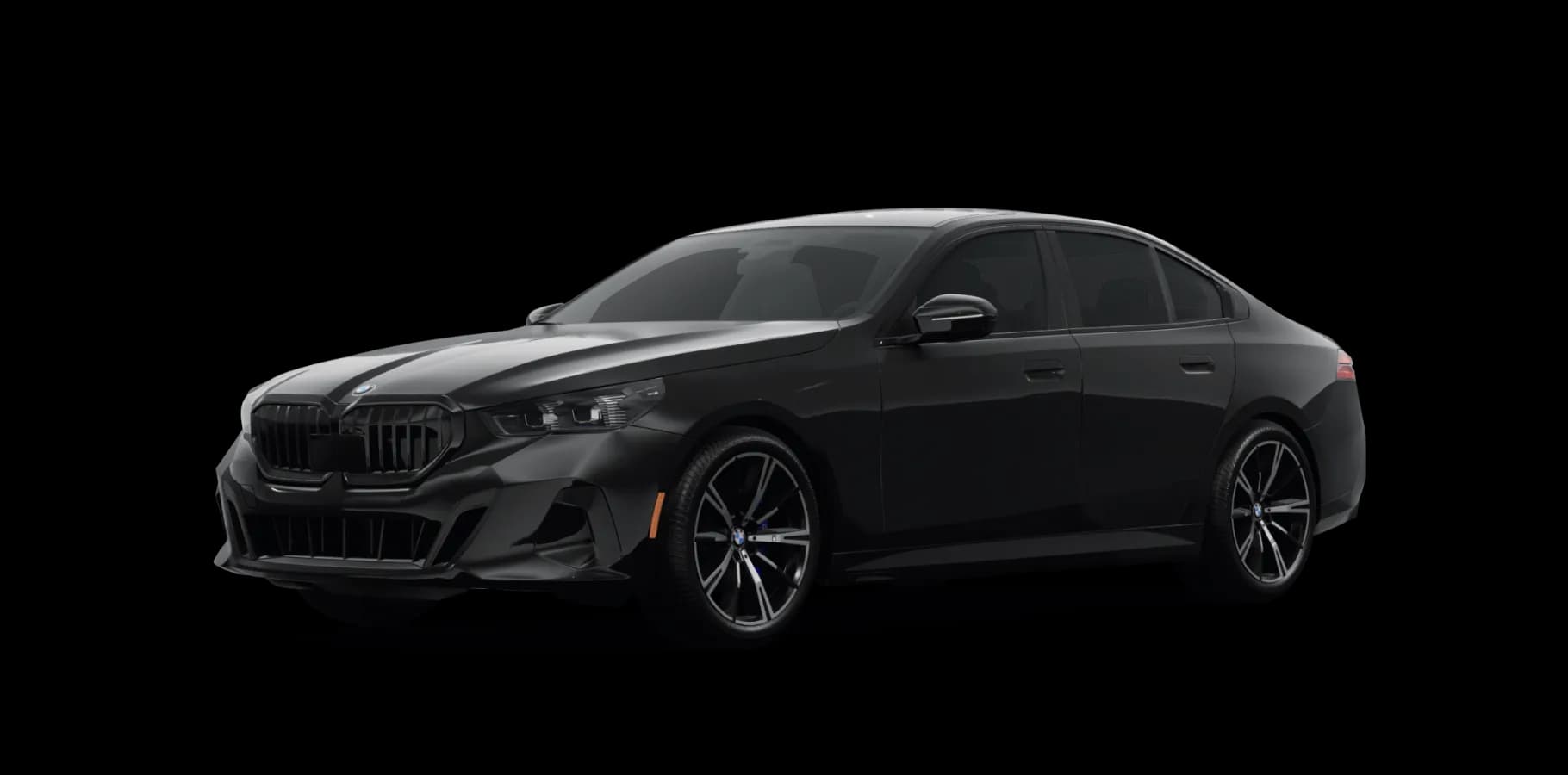
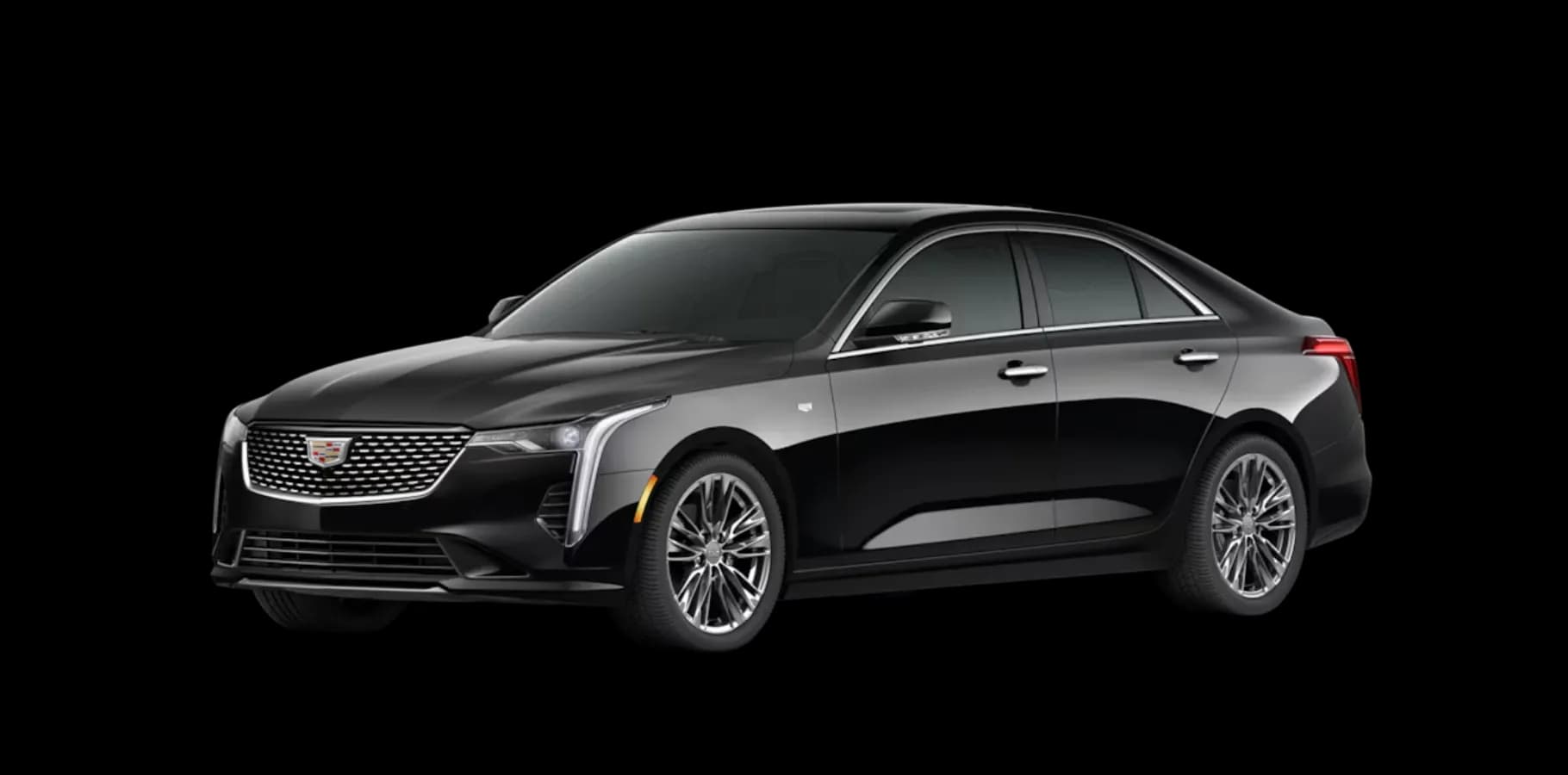
Sedans carry the lowest hourly rate and are the right choice for one or two travelers with standard luggage. SUVs cost 15 to 25 percent more per hour but seat up to six with room for golf bags, strollers, and multiple suitcases, which makes them the practical pick for LaGuardia to Long Island family runs. Both classes are what most people mean when they search for limo service in New York, and both are the backbone of car service in New York for corporate accounts.
Stretch Limousines and Party Buses
A Cadillac Escalade stretch limousine seating 14 costs $150 to $250 per hour with a three or four hour minimum on weekends, because the vehicle is coachbuilt, the insurance is higher, and the cleaning protocol after a wedding or prom is intensive. A 44 passenger party bus runs $200 to $450 per hour and is often the cheapest option per person for a large group heading from Long Island into Manhattan for the night.
Sprinter Vans and Charter Buses
An executive Sprinter van seats 14 in business class comfort and is the workhorse of Sprinter van service in New York for corporate groups moving between Manhattan offices and JFK. A 31 passenger mini coach bus and a 56 passenger coach bus bring economies of scale: one coach moving a convention group from Midtown hotels to a Staten Island venue replaces ten sedan bookings, which is why charter bus service in New York is often the lowest cost per head for groups of 30 or more.
Is the Price Justified? Chauffeur Value Against Rideshare and Taxis
A high rate is only a problem if it buys nothing extra. In practice the chauffeur fare buys a set of guarantees that app based rides and yellow taxis do not offer, and for many trips those guarantees are worth the difference.
What the Rate Includes?
- A fixed, all inclusive quote confirmed before the trip, with no surge pricing at 6 p.m. on a Friday or during a snowstorm
- Flight tracking and a chauffeur who adjusts to delays without a cancellation fee
- Meet and greet inside the terminal with luggage assistance
- A current model, detailed vehicle with bottled water, chargers, and a quiet cabin
- A licensed, insured, background checked employee driver, never a stranger in a personal car
- A dispatcher who answers the phone at 3 a.m. and can reroute or swap vehicles
Readers who want the full list of inclusions can read our guide on what does chauffeur service include in NYC, and the companion piece on how much is black car service in NYC covers sedan pricing in more depth.
When a Chauffeur Costs Less Per Person?
For groups the math flips. Four colleagues splitting a $250 SUV from Newark to Midtown pay about $62 each, roughly what a single surge priced rideshare costs on a bad evening. Fourteen guests in a Sprinter from a Brooklyn hotel to a Long Island wedding pay under $30 each for a three hour booking. Anyone weighing the decision for a specific trip can work through our piece on is chauffeur service worth it in NYC.
How to Lower the Cost of a Chauffeur in New York City?
Prices are structured, which means they can be managed. A few practical steps make a real difference:
- Book point to point transfers at a flat rate in place of hourly time for airport runs
- Choose the smallest vehicle that fits the group and the luggage
- Schedule pickups outside the 4 p.m. to 7 p.m. weekday window when traffic doubles trip time
- Combine airport arrivals so one SUV meets two flights landing within 30 minutes of each other
- For Long Island and Hamptons trips, book a round trip or a day rate to avoid paying twice for the empty return
- Ask for corporate account pricing if you book monthly; volume clients receive fixed route rates
- Reserve stretch limousines and party buses on weekdays or Sunday afternoons when minimums are shorter
Book Your New York Chauffeur With Union Limousine
When you are ready to book,Union Limousine quotes a flat, all inclusive fare for any route across Manhattan, Brooklyn, Queens, the Bronx, Staten Island, Nassau County, Suffolk County, and the three airports. Send us your pickup time, passenger count, and luggage, and We will match you with the right sedan, SUV, stretch, Sprinter, or coach and confirm the price in writing before the chauffeur is dispatched. Union Limousine has served New York since 1997, and every vehicle in the fleet is TLC licensed and fully insured, so what you see on the quote is what you pay.
Conclusion
Chauffeur service is expensive in New York City because New York is expensive to operate in. Commercial insurance at nearly triple the national rate, TLC and federal compliance, garage space in Manhattan, tolls on every crossing, two separate congestion charges, premium fuel, and a salaried professional behind the wheel all live inside the fare. None of those costs are optional for a legitimate operator, and every one of them protects the passenger in some way. The rate is high, but it is also fixed, transparent, and backed by a licensed company that answers for the trip. Once you understand the cost structure, the decision comes down to matching the right vehicle to the right route at the right time.