 Account
 Book Now
 Book Now
 Our Fleets
Most travelers clear customs within about 15 to 45 minutes after their debarkation group is called, though the full morning at a New York cruise terminal usually runs from roughly 7:00 am to 10:30 am. The wait you personally face depends on your luggage group, the size of your ship, and the documents in your hand when you reach the officer. Booking Car Service to Manhattan Cruise Terminal in advance means a driver is already tracking the ship and waiting curbside the moment you step out, so the customs line becomes the only clock that matters. This guide walks through the real timeline, the New York piers you might return to, and the fastest ways through the federal checkpoint.
Customs Timing After a Cruise
For a cruise that returns to a United States port, US Customs and Border Protection processes every passenger on the morning the ship arrives. The inspection itself is quick for each person, often under a minute at the booth, because CBP now uses facial comparison technology at seaports under its Simplified Arrival process. The reason anyone waits at all is volume. A single large ship can carry upward of 4,000 guests, and the whole vessel must clear within a two to three hour window. Your place in that queue, driven by when your group is called, sets your real customs time. Union Limousine drivers track each ship's arrival in real time, so your pickup lines up with your actual exit rather than a printed schedule.
What Actually Happens at the CBP Checkpoint
Once your group leaves the ship, you collect your checked luggage in the terminal hall, then walk to the CBP inspection line. An officer compares your face to your travel document, reviews your customs declaration, and either waves you through or sends you to a secondary counter if something needs a closer look. For a returning United States resident with nothing to declare beyond the standard allowance, this step commonly takes one to three minutes at the booth. The luggage hall and the queue leading up to it are where the minutes add up. Keeping the following items ready keeps you moving:
- Your passport or approved closed-loop document open to the photo page
- A completed customs declaration covering purchases made abroad
- Receipts for anything of value bought during the trip
- Your luggage is claimed and grouped so you can walk without backtracking
Why Do Two Passengers on the Same Ship Wait Different Amounts?
Cruise lines stagger debarkation to keep the terminal from flooding. You receive a colored luggage tag and a group number the night before arrival, and groups are called in sequence. Guests who carry their own bags off, known as self assist walk off, usually leave first and can clear customs shortly after the terminal opens. Passengers who wait for their tagged luggage go later, sometimes an hour or two after the first call. Priority guests, suite passengers, and those with early flights often receive earlier groups, which is why the person in the next cabin may be home while you are still in line.
A Realistic Customs Timeline for a New York Cruise Return
Here is how a typical debarkation morning unfolds at a New York area terminal. Times shift by ship and line, so treat these as planning windows rather than fixed promises.
- 6:00 am to 6:30 am: The ship completes its own CBP clearance before any guest leaves
- 6:45 am to 7:15 am: Self assist walk off guests begin leaving and reach the customs line first
- 7:30 am to 9:00 am: Tagged luggage groups are called in sequence, the busiest stretch of the morning
- 9:15 am to 10:30 am: Final groups clear the checkpoint and the terminal empties
If your group is called near the front, expect roughly 15 to 30 minutes from leaving the ship to standing curbside. A mid pack group during the busy stretch may take 30 to 45 minutes. Late groups occasionally run longer when several thousand travelers funnel through the same hall at once. Planning your ride around your assigned group, rather than the ship's stated arrival time, is the surest way to avoid a long curbside wait.
Self-Assist Walk-Off Compared With Assigned Luggage Groups
Self-assist walk-off is the fastest route through customs, since these guests are called before the terminal fills. The trade is that you carry every bag yourself down gangways and through the hall, which suits light packers and travelers with rolling cases. Assigned luggage groups let you leave your bags outside your cabin the night before and collect them in the terminal, a hands free option that appeals to families and anyone with heavy or numerous cases. Either way, your customs wait is set mostly by when your group is called.
How Ship Size Changes Your Wait?
A boutique vessel carrying a few hundred guests can clear its entire manifest in under an hour, so even a late group moves quickly. A large ship carrying several thousand passengers stretches the same process across a longer window, and the middle groups feel the heaviest queues. New York piers see some of the biggest vessels afloat, so a summer Saturday debarkation can send a genuine crowd into the hall at once. When you know your ship carries a big crowd, booking a driver in advance protects you from circling the terminal looking for a ride during the busiest half hour, and it spares you the wait for an app based car that may be scarce right when everyone is leaving at the same time.
What Can Slow Your Customs Clearance?
A few situations push a quick clearance into a longer one, and knowing them ahead of time helps you steer clear of the secondary counter. The most common holdups involve undeclared purchases, agricultural items, and paperwork that does not line up across a family group. Watch for these:
- Undeclared goods above your exemption, which can trigger a fine and a longer review
- Fresh food, plants, seeds, or certain meats and cheeses, which face agricultural restrictions
- Large sums of cash, since amounts above $10,000 must be reported on arrival
- Names or documents that do not match within a traveling family, which slows the whole group
- A referral to secondary inspection, where an officer reviews bags or asks follow up questions
None of these are common for the average returning vacationer, and honest answers move the process along. If an officer does send you to a secondary review, the check is usually brief, though it can add 15 to 30 minutes. Building a small buffer into your ride home covers that rare case without stress. Agricultural rules deserve particular attention, since travelers often forget that a piece of fruit carried off the ship or a plant bought in port counts as a declarable item. When in doubt, declare it and let the officer decide, which keeps you clear of penalties.
Which New York Cruise Terminal Do You Return To?
New York area cruises return to one of three main terminals, and the building you land at shapes both your customs experience and your ride home. Knowing your pier ahead of time lets your driver stage nearby and reach you the moment you clear the checkpoint.
Manhattan Cruise Terminal at 711 12th Avenue
The Manhattan Cruise Terminal sits along the Hudson on Manhattan's west side near Hell's Kitchen, serving lines such as Norwegian along with several premium brands. Piers 88, 90, and 92 handle the vessels here, and the terminal feeds directly onto the West Side Highway. Traffic on that corridor builds quickly after 8:00 am, so arranging Transportation to Manhattan Cruise Terminalahead of time keeps your exit smooth even when the surrounding avenues fill with morning commuters.
Brooklyn Cruise Terminal in Red Hook
The Brooklyn Cruise Terminal in Red Hook serves a rotating set of lines and tends to feel calmer than the Manhattan pier, with easier curbside access. It sits close to the Brooklyn-Queens Expressway, which shortens the drive to Downtown Brooklyn, the Bronx, and Long Island. Ridesharing supply here can thin out on busy mornings, so a reserved car removes the guesswork from your exit.
Cape Liberty Cruise Port in Bayonne
Cape Liberty in Bayonne, New Jersey is the regional homeport for lines such as Royal Caribbean and Celebrity. It sits near the Bayonne Bridge with quick access to the New Jersey Turnpike, and the drive back to the five boroughs, Nassau County, or Suffolk County is straightforward with a driver who knows the crossings. Customs here follows the same federal process you would meet at any United States seaport.
Ways to Clear Customs Faster After Your Cruise
Several federal programs and a few simple habits shave time off the checkpoint. Global Entry, the Department of Homeland Security trusted traveler program, lets approved members verify identity at a kiosk or through facial comparison and skip much of the standard questioning. The free Mobile Passport Control app offers a similar shortcut by letting you submit your declaration and passport details from your phone before you reach the officer. The habits below help every traveler, enrolled or not:
- Enroll in Global Entry well ahead of your sailing, since approval can take months
- Download Mobile Passport Control and build your profile before debarkation morning
- Choose self assist walk off if you can manage your own bags
- Declare every purchase honestly to avoid a secondary inspection
- Keep passports and receipts within reach, not buried in checked luggage
United States residents returning from a trip of 48 hours or longer generally receive an $800 duty free exemption on goods brought back for personal use, with duty owed on value above that figure. Declaring accurately keeps your line moving and avoids penalties at the booth. Alcohol and tobacco carry their own separate limits, so review the current allowances before you shop in port.
Documents You Need When You Return
For a closed loop cruise, one that departs from and returns to the same United States port, US citizens may sometimes board with a government issued birth certificate and a photo ID. A valid passport remains the strongest document and the one federal officials recommend, because it covers any change of plan such as flying home from a foreign port after a missed sailing. Confirm the current rules with your cruise line before departure, since requirements shift and vary by itinerary. Children and non citizen travelers follow their own documentation rules, which your line can outline before you sail.
How Federal Oversight Protects Cruise Passengers?
Cruise travel from United States ports sits under several federal authorities, which is worth understanding as you plan your return. The Federal Maritime Commission enforces financial responsibility rules for cruise lines that carry 50 or more passengers, requiring operators to prove they can refund fares if a voyage is cancelled. The Department of Transportation publishes consolidated passenger cruise ship informationthat points travelers to the right agency for health, safety, and documentation questions. On the ground, private car services in New York operate under Taxi and Limousine Commission licensing and United States Department of Transportation motor carrier standards, which govern driver vetting, insurance, and vehicle inspection. Union Limousine holds the licensing and coverage these standards require, so your ride home meets the same regulatory bar as your voyage.
Getting From the New York Terminal to Your Door
Once you clear customs, the next question is how to reach home or your next stop without dragging luggage onto a crowded platform. Our fleet covers all five boroughs, so pickups run door to door from Manhattan, Brooklyn, Queens, the Bronx, and Staten Island. We also serve Nassau County, Suffolk County, and the length of Long Island, along with connections to John F. Kennedy International Airport, LaGuardia Airport, and Newark Liberty International Airport for travelers heading straight to a flight. If you want a New York airport car service transfer after your cruise, a driver can meet you at the pier and carry you to the departures curb with time to spare. Cruise mornings and flight schedules rarely align on their own, so a private transfer that watches both your debarkation and your departure gate removes the tightest pinch point of any back to back trip.
Our New York Fleet and Capacities
Matching the vehicle to your group keeps the ride home comfortable after a long week at sea. Our lineup covers solo travelers through full ship reunions:
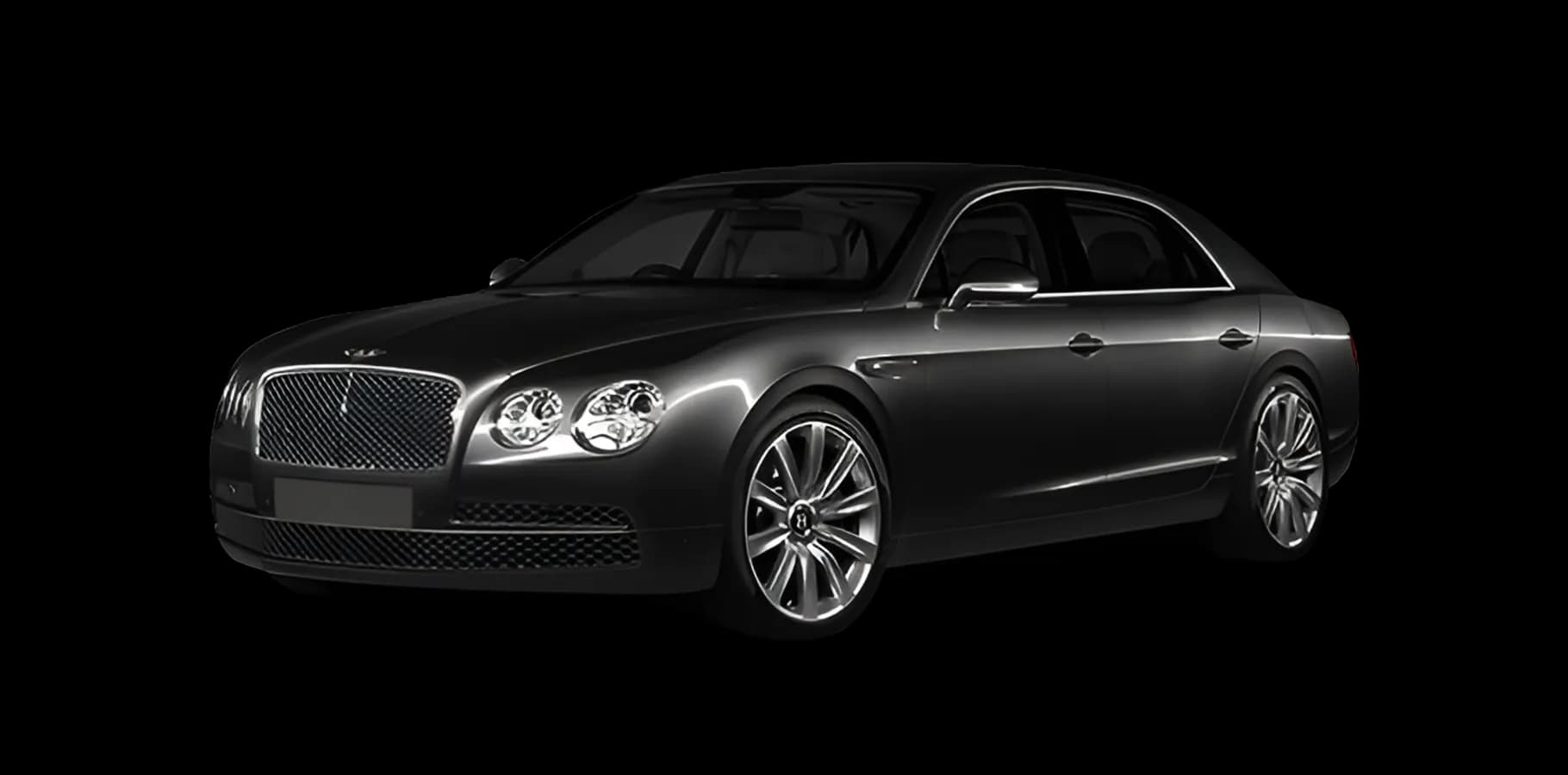
- Sedans seat 1 to 3 passengers, a clean fit for couples or solo travelers with a few bags
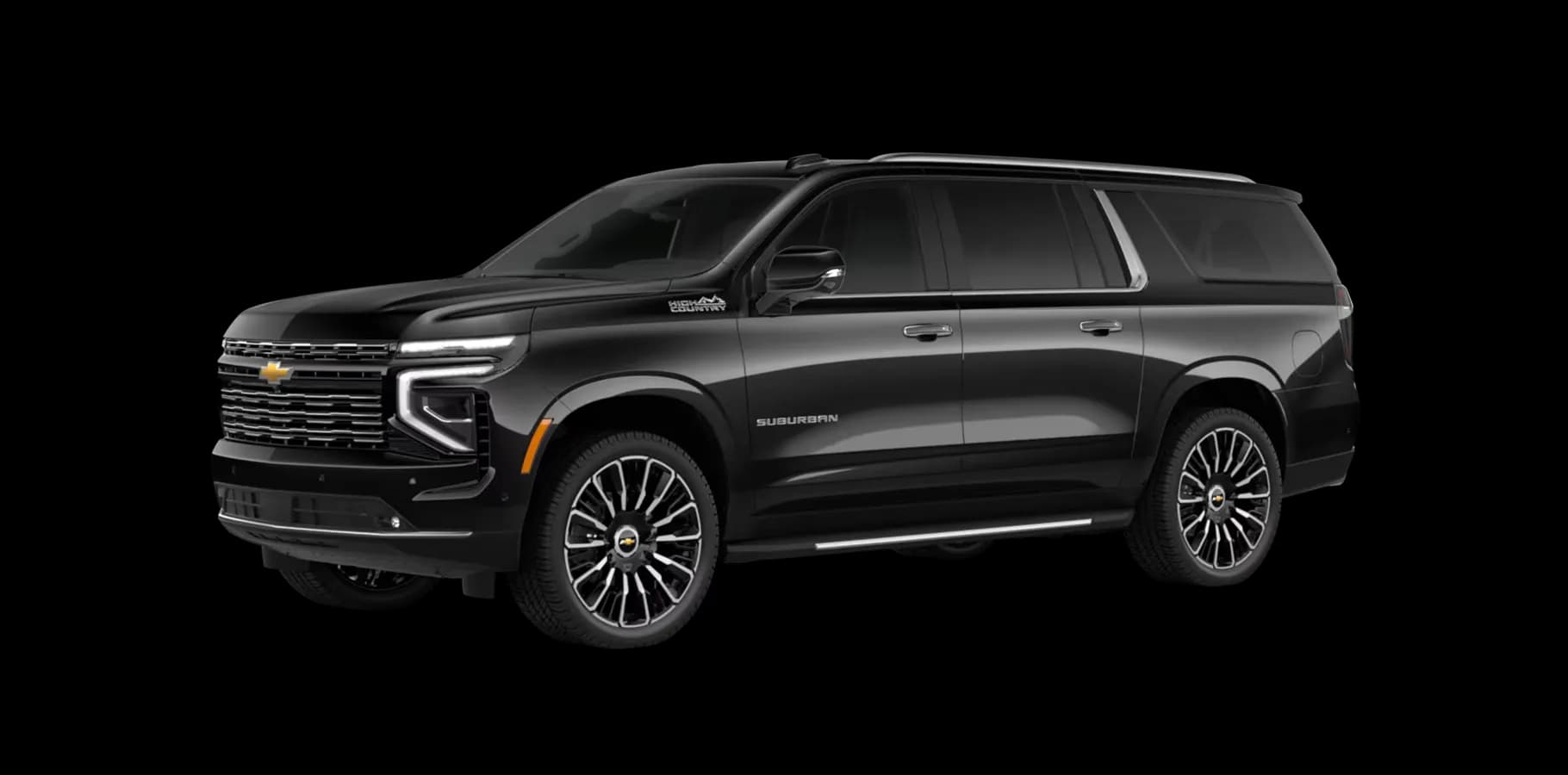
- SUVs seat 1 to 6 passengers and swallow the extra luggage a full cruise wardrobe brings
- Stretch limousines seat 8 to 10 passengers for a celebratory return in style
- Sprinter vans seat 10 to 14 passengers, ideal for families traveling together
- Party buses seat 15 to 40 passengers when the trip home is part of the celebration
- Mini charter buses seat 24 to 35 passengers for reunions and extended families
- Full size charter buses seat 45 to 56 passengers for large groups leaving one ship together
For everyday transfers around the region beyond the pier, our New York car service matches the vehicle to your party size so nobody rides cramped after a long voyage.
Choosing the Right Vehicle for Your Group
Count your travelers first, then add your luggage. Cruise bags run large, and a party that fits in a sedan on the way out often needs an SUV coming home once souvenirs and duty-free purchases are packed. Groups of eight or more usually ride most comfortably in a van or a minibus, where cases sit apart from passengers rather than on laps.
Packing and Luggage Sizing
A weeklong cruise typically produces one large checked bag and one carry-on per traveler, plus any purchases from port. When you book, share your headcount and rough bag total so the dispatcher can assign a vehicle with a trunk or cargo room to match. Oversized items such as strollers, scooters, or golf clubs are worth flagging in advance so the right vehicle arrives.
Quick Curbside Checklist
- Confirm your driver's name and vehicle by text before you leave the ship
- Share your luggage group so pickup timing lines up with your exit
- Have your terminal name and pier number ready for the driver
- Keep travel documents accessible until you are past the customs line
Booking Your Ride Home
Reserving early is the difference between a calm exit and a scramble on the curb. When you book with Union Limousine, your driver monitors the ship's arrival, adjusts for any delay in debarkation, and stages near the terminal so your wait ends the moment you clear customs. Flat rate quotes are set in advance, so the fare you see is the fare you pay, with no surge pricing after a long voyage. Call our team at +1 718 514 9881 or request a quote online to lock in your pickup.
Conclusion
Customs after a cruise rarely takes as long as travelers fear. Plan for roughly 15 to 45 minutes at the checkpoint once your group is called, choose self-assist walk-off or a trusted traveler program to move faster, and keep your documents in hand. With a ride already booked, the only task left is to step off the ship and head home. Reach out today to schedule a comfortable, on-time transfer from any New York area cruise terminal, and start your trip home the moment customs waves you through.