 Account
 Book Now
 Book Now
 Our Fleets
Parking at the Cape Canaveral cruise port costs 20 dollars per day plus tax in 2026, and that rate covers both your arrival day and your departure day. The figure sounds simple until you multiply it across a full sailing, add tolls and fuel, and compare it against the price of sailing from a pier closer to home. Many New Yorkers weighing a Florida departure against a Car Service to Manhattan Cruise Terminal ask us the same question every season: is driving to Port Canaveral and paying to park actually the cheaper move? This guide breaks down the current lot rates, the total cost by cruise length, the cheaper lots nearby, the route from New York City, and the point where a private transfer beats the parking bill outright.
Port Canaveral Parking Rates
The Canaveral Port Authority sets one flat price across every cruise terminal: 20 dollars per vehicle per day plus Florida sales tax, and the same rate applies to RVs. The port raised the price from 17 dollars on October 1, 2025, its first increase since 2017, after passenger volume pushed past 8 million guests in a single year and made it the busiest cruise port in the world. You can confirm the current figure on the officia lPort Canaveral directions and parking page before you leave, since the authority notes that rates can change without notice.
What the Daily Rate Includes
Every terminal has its own garage or surface lot sitting directly beside the building, so you park, hand your bags to a porter at the curb, and walk to check in. There is no shuttle to time and no reservation to make; the port does not accept advance bookings even on peak holiday sailings. Payment happens on arrival at the gate, and the lots are cashless, accepting Visa, Mastercard, American Express, and Discover. Accessible spaces sit closest to the elevators and walkways, and the fee is waived for vehicles that carry qualifying disabled travelers under Florida statute. Oversized spaces for RVs and buses are available at every terminal at the standard daily rate.
Parking Cost by Cruise Length
Because the rate counts the day you drive in and the day you drive out, a 7 night cruise spans 8 billable days. Here is the math at 20 dollars per day, before tax:
- 3 night cruise: 4 days of parking, 80 dollars per vehicle
- 4 night cruise: 5 days of parking, 100 dollars per vehicle
- 5 night cruise: 6 days of parking, 120 dollars per vehicle
- 7 night cruise: 8 days of parking, 160 dollars per vehicle
- 10 night cruise: 11 days of parking, 220 dollars per vehicle
- 14 night cruise: 15 days of parking, 300 dollars per vehicle
The charge applies per vehicle regardless of size, so a compact sedan and a full size SUV pay the same amount. There is no weekly cap and no AAA, military, or loyalty discount at the terminal lots. Families arriving in two or three cars should run this math per vehicle, because a group spread across three SUVs on a 7 night sailing pays 480 dollars in parking before a single toll or gallon of fuel.
Where You Park at Each Cruise Terminal
Port Canaveral operates six active cruise terminals: CT1, CT3, CT5, CT6, CT8, and CT10, split between the north and south sides of the harbor. Carnival, Royal Caribbean, Disney Cruise Line, Norwegian, MSC, Princess, and Celebrity all sail from the port, and terminal assignments shift by ship and date, so verify your terminal in your cruise documents during the week before departure. Each terminal runs its own garage or lot, its own curbside porter lanes, and its own security entrance, and port police direct traffic on busy mornings. Arriving at the wrong building means looping back through harbor traffic, so program the specific terminal into your GPS, never just the port name.
Cruise Terminal 1, which handles some of the largest ships afloat, holds over 1,800 spaces with automated payment machines and a covered luggage conveyor that carries bags from the garage straight to the ship; travelers there report going from vehicle to vessel in about 8 minutes. A new 13 story garage with 3,732 spaces is under construction at Terminals 5 and 6 and is scheduled to open in fall 2026, which will bring the port to roughly 17,500 total spaces. Garages open around 10 in the morning on embarkation day, timed to the clearance of returning ships, and Terminal 3 also accepts SunPass at the gate.
Cheaper Off Site Parking Near the Port
Independent lots along the Cape Canaveral and Cocoa Beach corridor advertise daily rates between roughly 8 and 15 dollars, with free shuttles running to the terminals every 15 to 20 minutes. On a 7 night sailing, a 12 dollar lot saves you around 64 dollars against the port rate. The tradeoffs are real, though: you add a shuttle ride on both ends of your trip, shuttle schedules may not match an early check in or a late debarkation, and some lots only serve specific ships. Compare the total cost, confirm the shuttle hours against your boarding window, and read recent reviews on security before leaving a car for a full week. For a short 3 or 4 night sailing, the savings often shrink to less time and stress than they are worth.
Driving to Port Canaveral From New York City
For readers in the five boroughs, the parking fee is only the final line of a much longer bill. Port Canaveral sits about 950 miles from Midtown Manhattan, a drive of 14 to 16 hours down Interstate 95 through New Jersey, Delaware, Maryland, Virginia, the Carolinas, and Georgia before you cross into Florida. Most families split it with an overnight stop near Savannah or Jacksonville, which adds a hotel night in each direction. From Interstate 95 in Florida, you exit onto State Road 528, the Beachline Expressway, and head east about 20 minutes to the harbor.
The True Cost of the Drive
Add it up honestly: roughly 60 to 80 dollars in tolls round trip depending on your route through the mid Atlantic, 250 to 350 dollars in fuel for a typical SUV, two hotel nights that commonly run 300 dollars or so combined, meals on the road, and 160 dollars of parking for a 7 night cruise. The drive from New York can quietly cost 900 to 1,100 dollars before you factor in two full vacation days spent behind the wheel in each direction. That context matters when you compare a Florida departure against sailing from the Manhattan or Red Hook piers, where the ship comes to you.
Timing Your Arrival at the Port
Embarkation traffic at Port Canaveral peaks between 10:30 in the morning and 1 in the afternoon, when several large ships board at once. Arriving right at the 10 o'clock lot opening, or after 1:30, keeps you out of the heaviest wave. Build slack into the final leg: launch days at nearby Kennedy Space Center can slow Route 528 and the A1A corridor, and the port itself warns long distance drivers to allow extra time for congestion and construction.
A Note on Luggage
Porters accept bags curbside at every terminal before you park, so drop your luggage and your travel party at the door first, then take the car to the garage alone. It saves a long walk with suitcases and keeps the group out of the sun while you find a space.
Curbside Checklist Before You Walk Away
- Photograph your parking level, row, and space number
- Keep passports, medications, and boarding documents out of checked bags
- Confirm the porter tagged every suitcase with your cabin number
- Note the garage exit hours for your debarkation morning
- Pay at the gate or machine and keep the receipt with your travel documents
Famous Landmarks Around the Cape Canaveral Port
Many cruisers driving this far build an extra day around the sailing, and the Space Coast rewards it. The Kennedy Space Center Visitor Complex sits about 30 minutes from the terminals on Merritt Island, with the Space Shuttle Atlantis, the Apollo Saturn V Center, and bus tours of an active spaceport; the official plan your visit guide covers hours, parking, and launch schedules. Ten minutes south of the harbor, Cocoa Beach offers the pier, Ron Jon Surf Shop, and some of the best rocket launch views in the county. Jetty Park, right at the mouth of the harbor, lets you watch your ship sail past the breakwater, and Exploration Tower rises above the port with observation decks over the terminals. If your schedule allows a pre cruise night in the area, an oceanfront hotel in Cocoa Beach puts you 10 minutes from the gangway on embarkation morning.
Skip the Drive: Fly From New York and Ride In
Most out of state cruisers reach Port Canaveral through Orlando International Airport, 45 minutes to an hour west of the harbor. From the New York side, we handle the first leg with fixed-rate New York airport car service to all three major airports: JFK car service from Queens, Brooklyn, and Manhattan, LaGuardia car service for the shortest hops from the East Side and Astoria; and Newark Airport car service for travelers west of the Hudson. On the Florida end, our Orlando airport car service meets your flight and delivers you to your terminal door, and our Florida car service network covers Brevard County pickups, Cocoa Beach hotels, and return transfers after debarkation. Flying both ways removes the parking bill entirely and hands you back four days of vacation.
Or Sail From New York and Park Nothing at All
Here is the option the parking math keeps pointing toward: New York has its own cruise piers, and ships sail year round from both sides of the harbor. Our Transportation to Manhattan Cruise Terminal runs door to pier from all five boroughs, and our Brooklyn Cruise Terminal transfers cover Cunard, MSC, and Virgin sailings out of Red Hook. A fixed rate ride from home costs a fraction of a 950 mile drive, and there is no lot fee waiting at the pier. For Caribbean and Bahamas itineraries that also sail from Florida, comparing the New York departure against the Canaveral departure, with every driving cost included, often flips the answer.
Our Fleet for Cruise and Airport Transfers
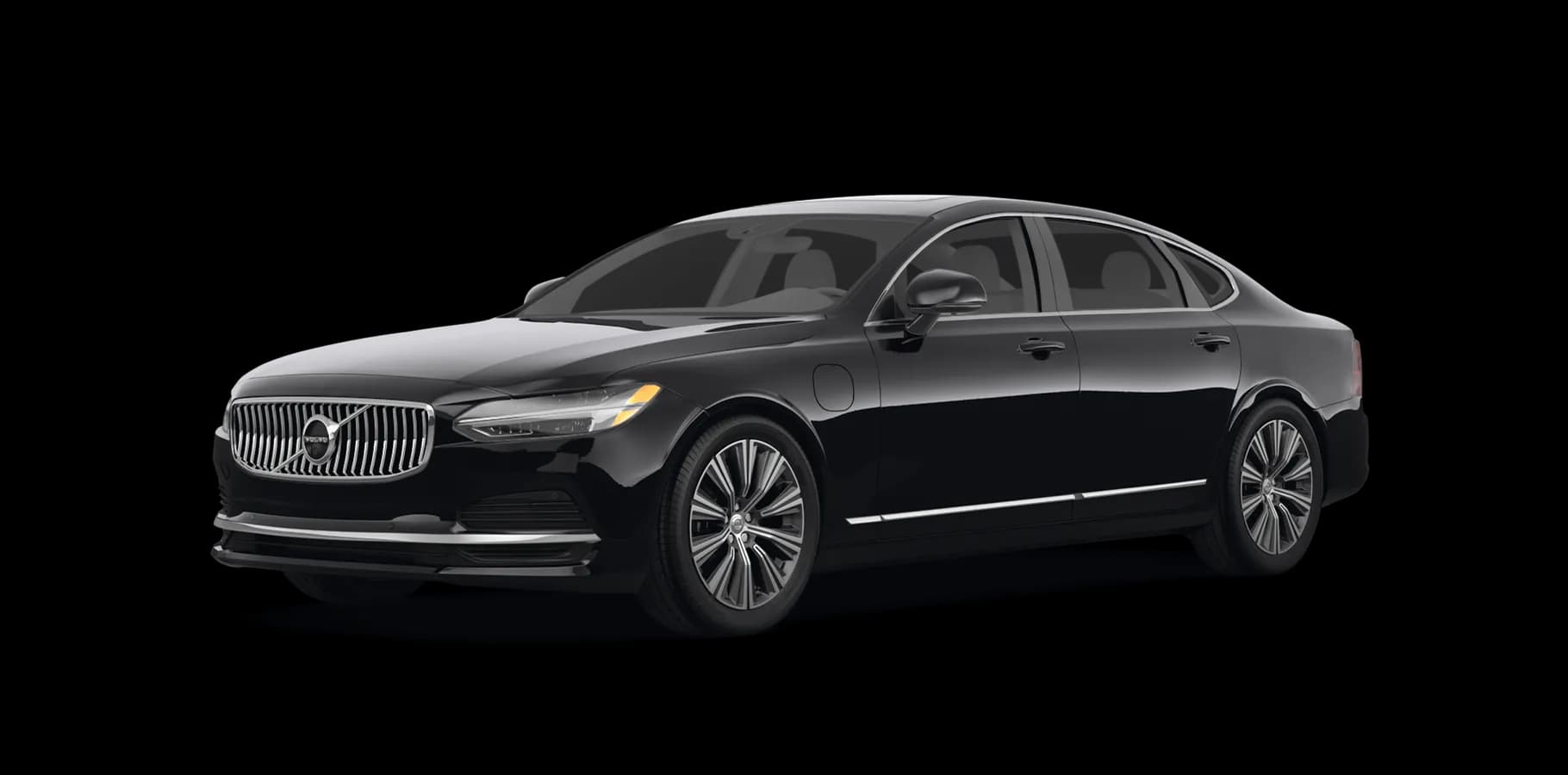
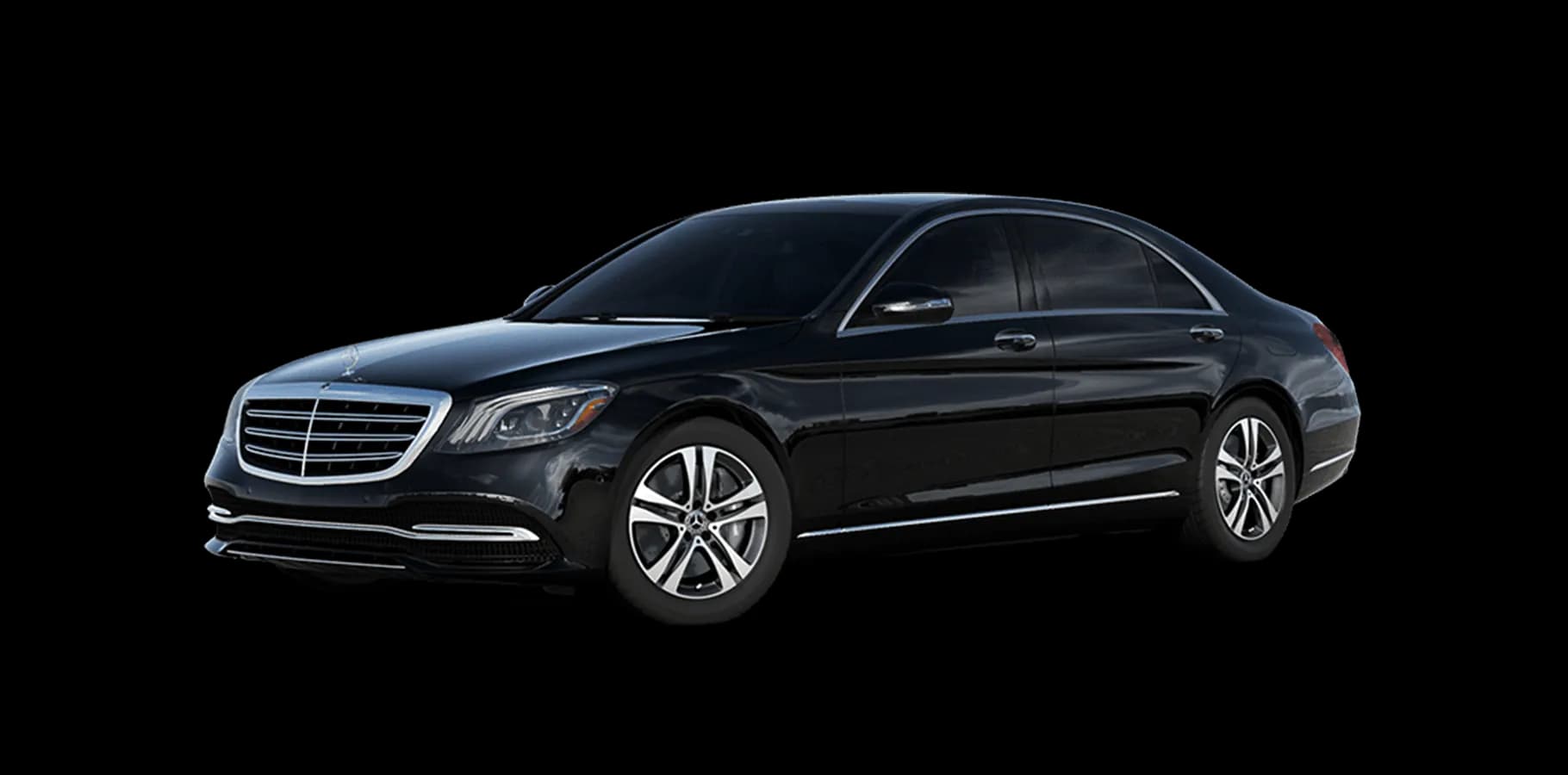
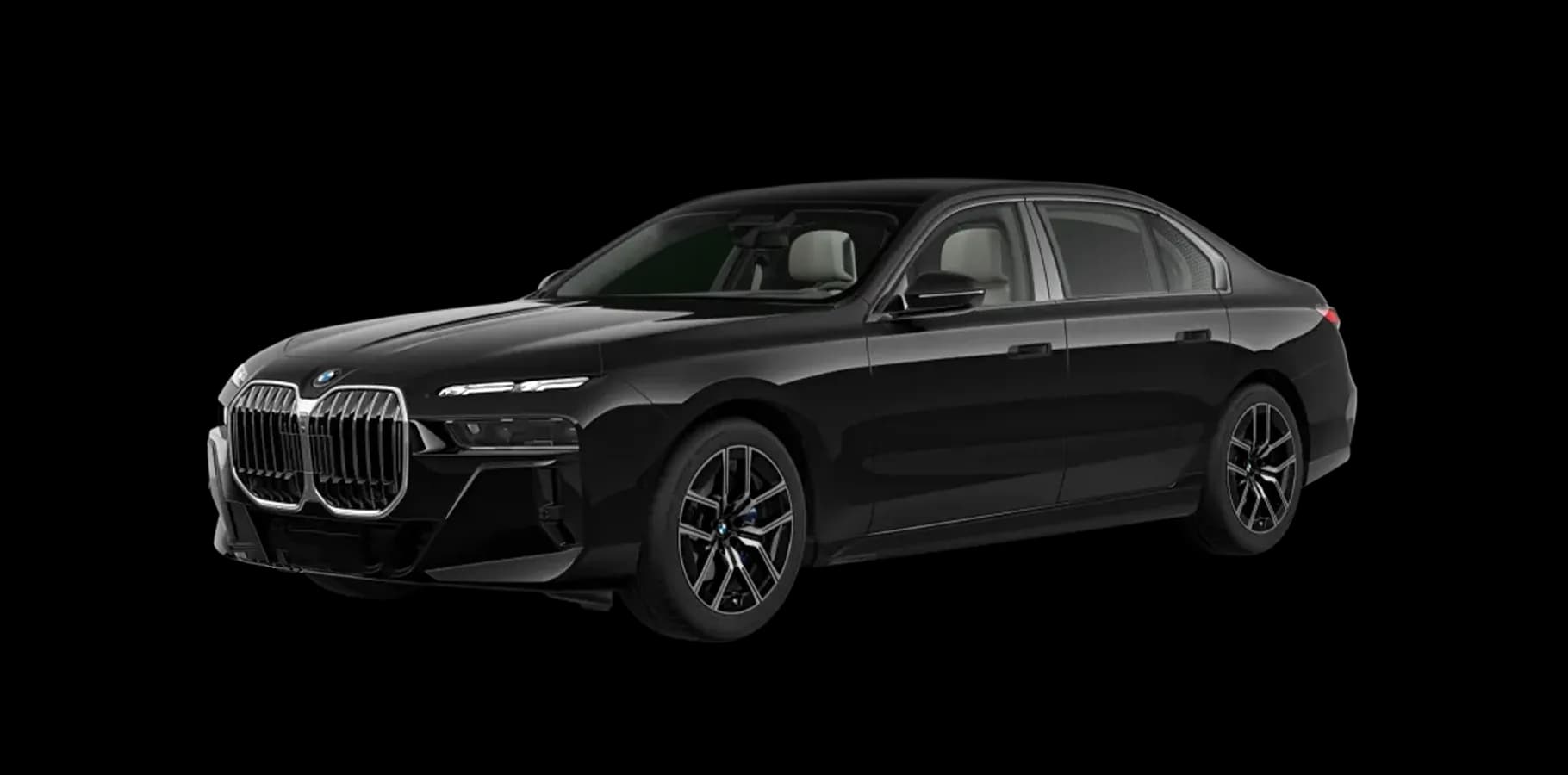
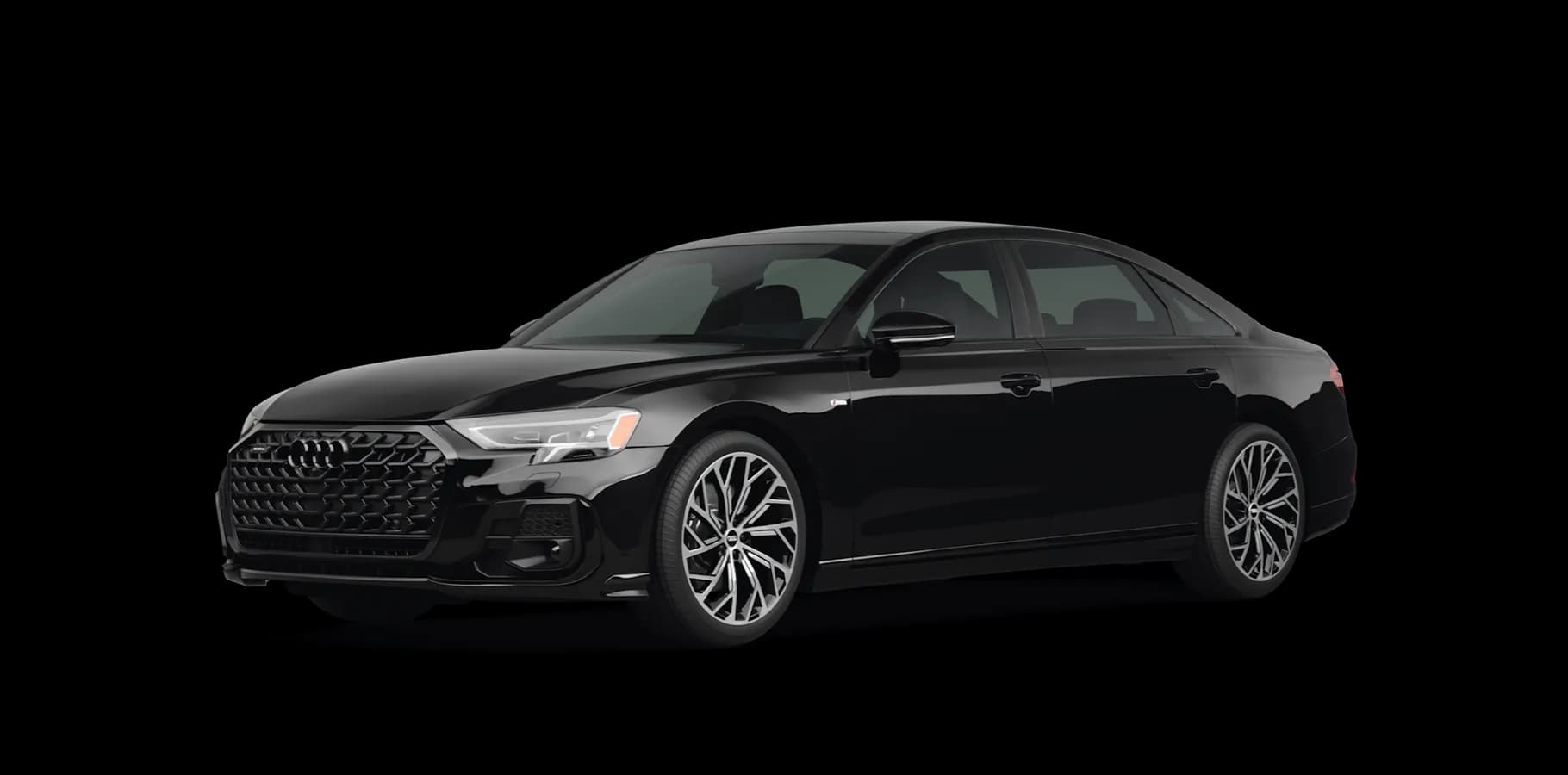
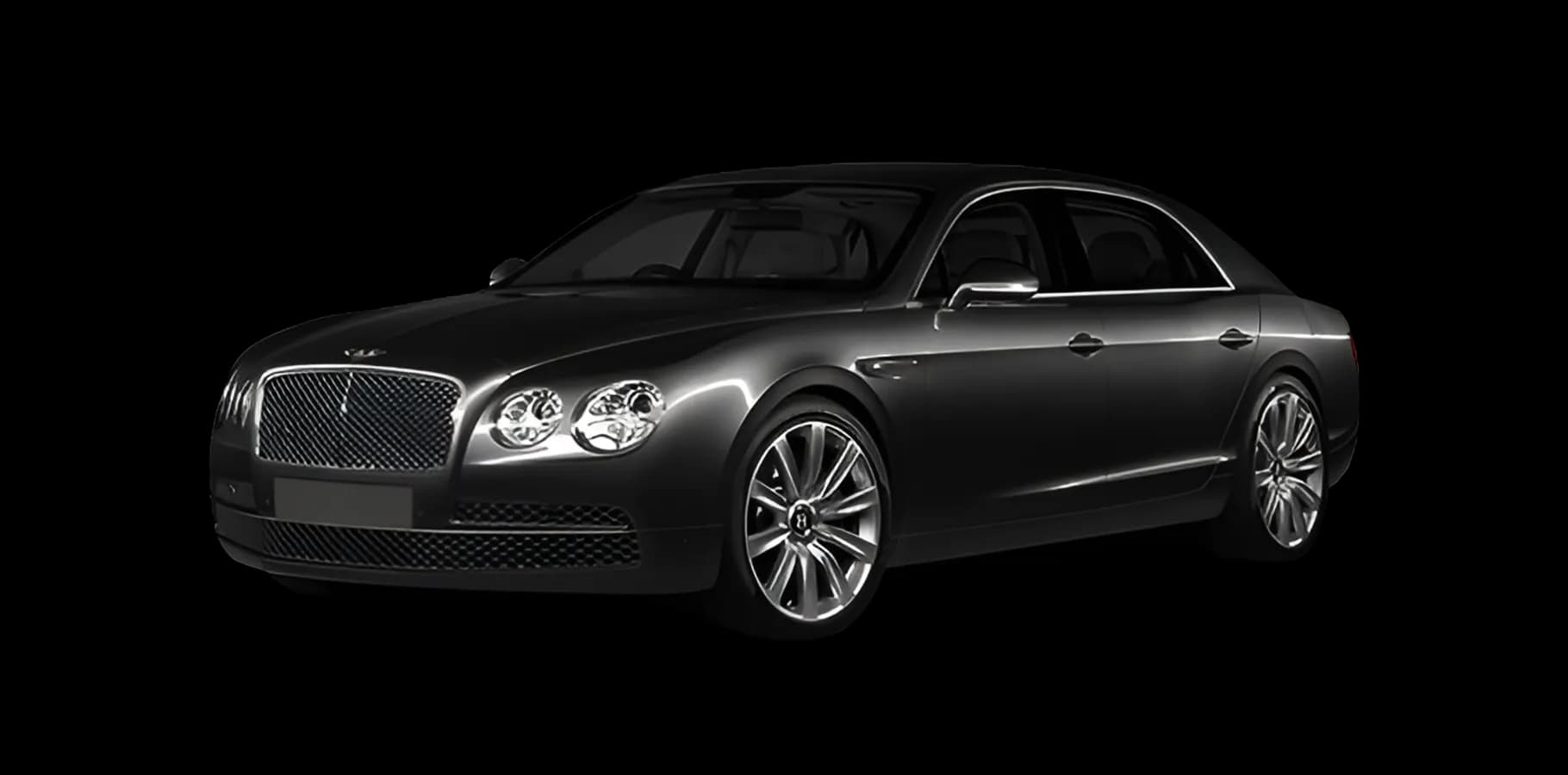
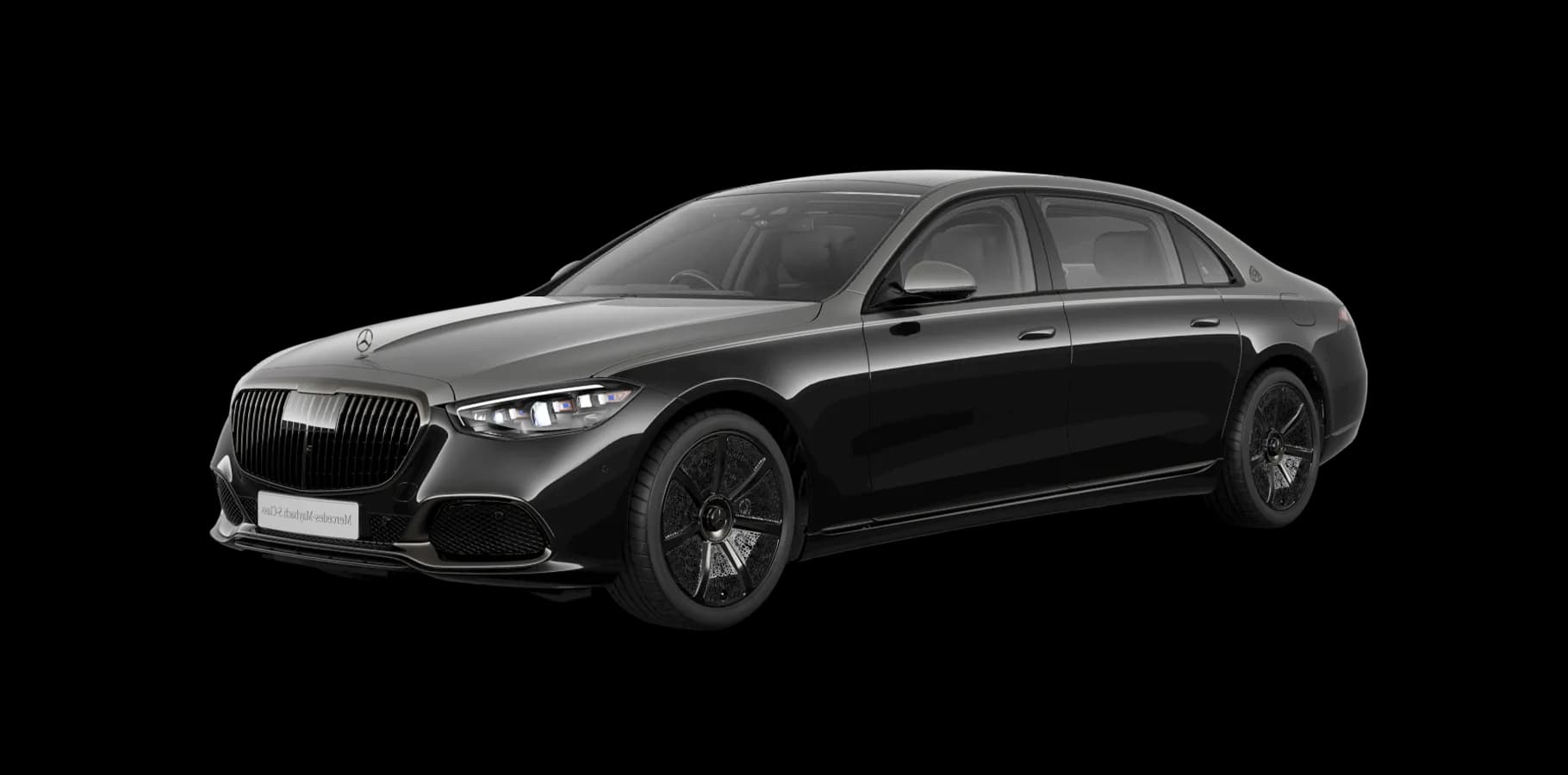
Union Limousine has moved cruise passengers to piers and airports since 1997, and we size the vehicle to the group and the luggage, so no party gets squeezed into the wrong car. Our chauffeurs hold commercial licenses, our vehicles carry commercial insurance and pass regular safety inspections, and our operation meets the standards New York regulators set for licensed livery carriers, the same baseline the Federal Motor Carrier Safety Administration applies to interstate passenger operators. Every transfer is a fixed rate confirmed in writing at booking, with flight and ship tracking, meet and greet service, and an all inclusive price that covers tolls, taxes, and gratuity:
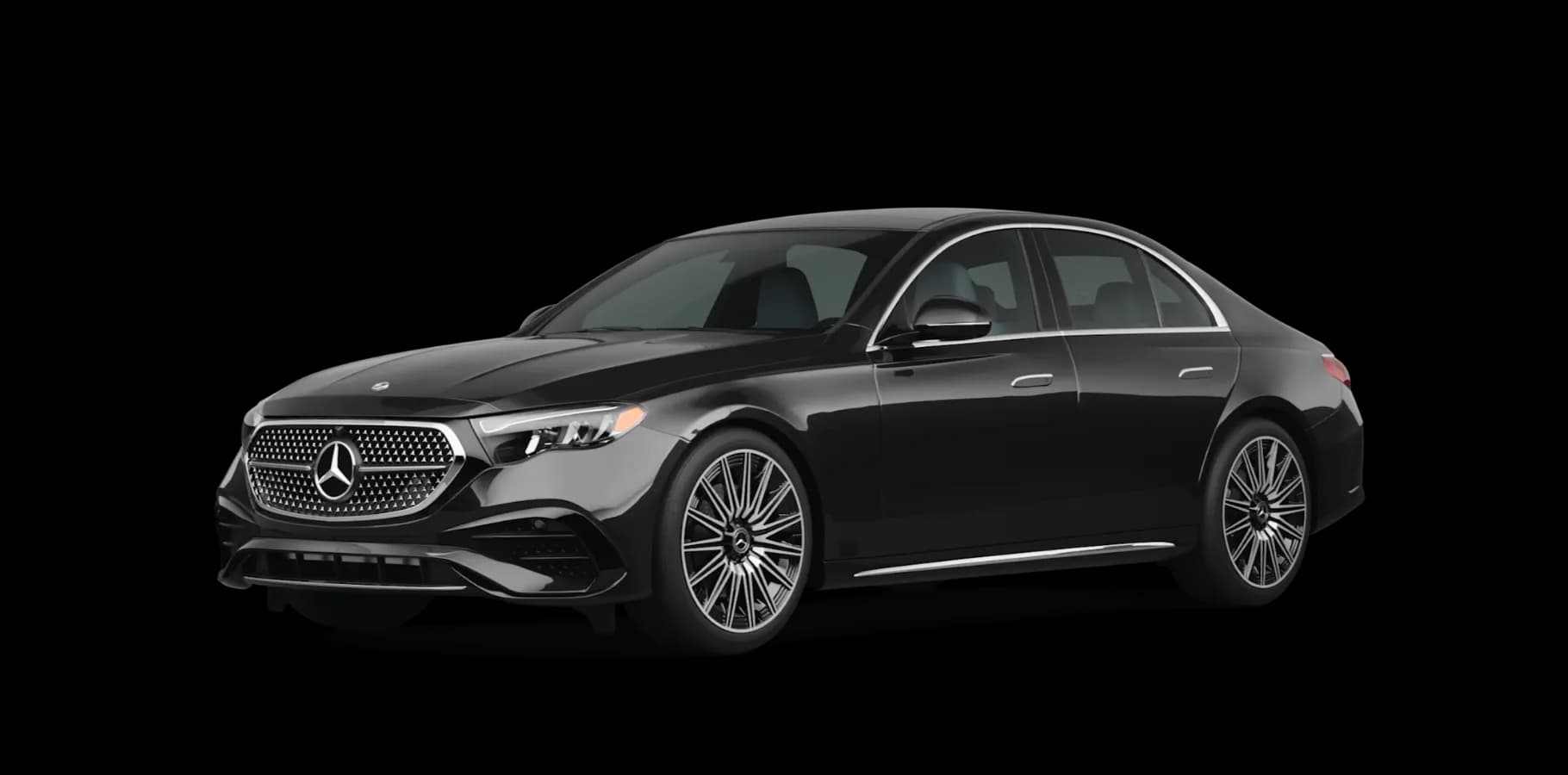
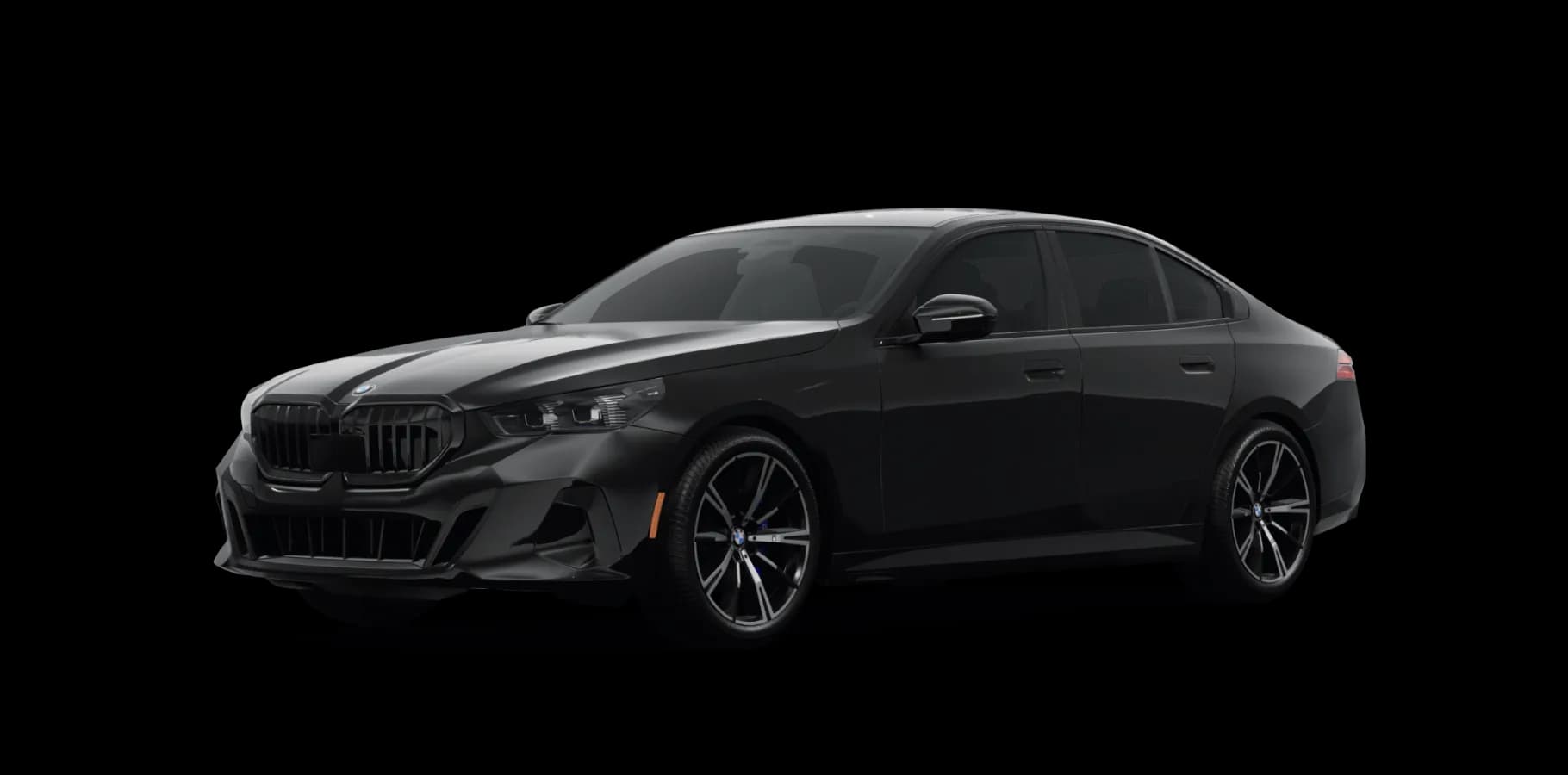
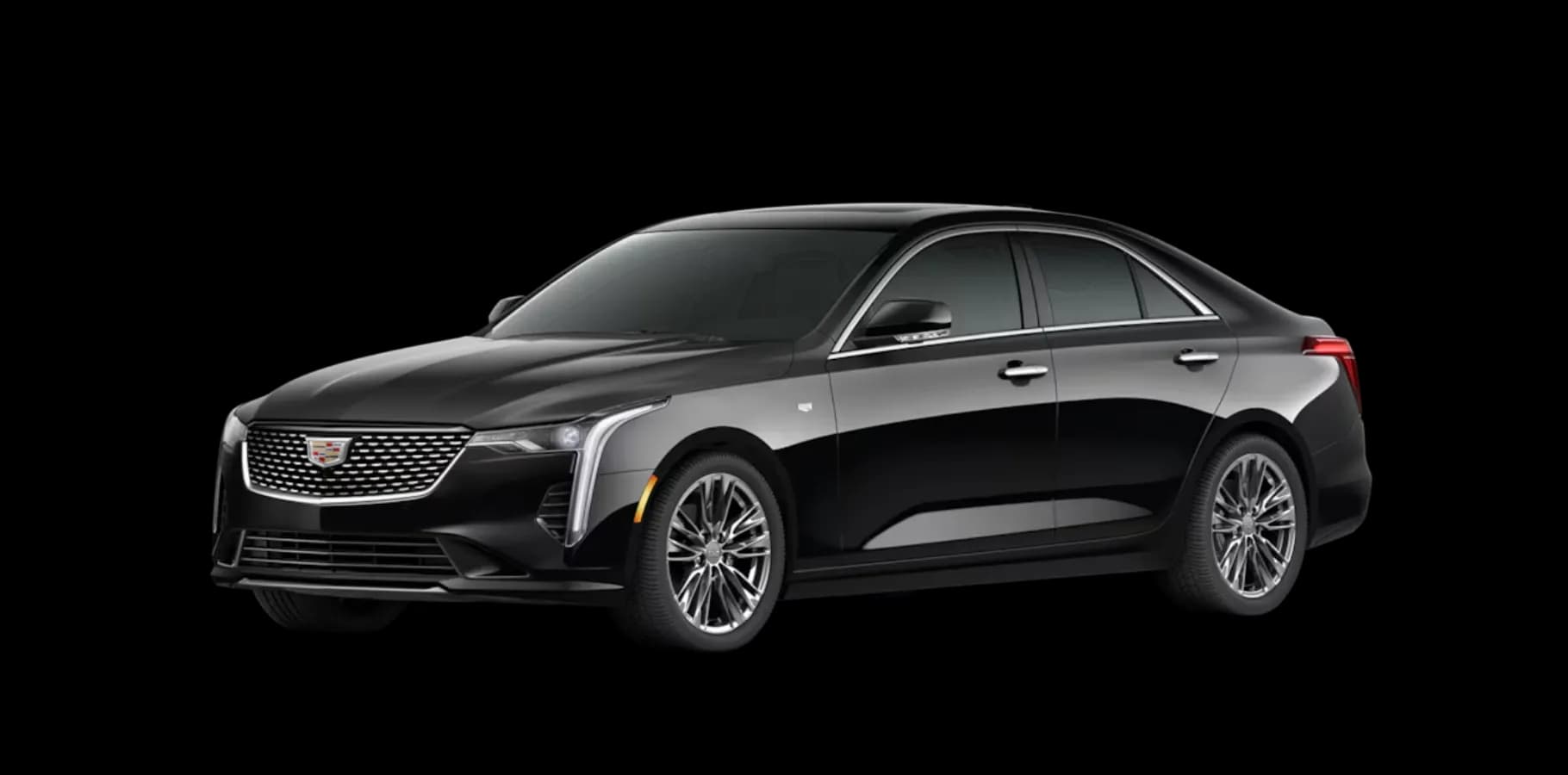
- Sedans: up to 3 passengers, the right fit for couples with two large suitcases heading to a pier or airport
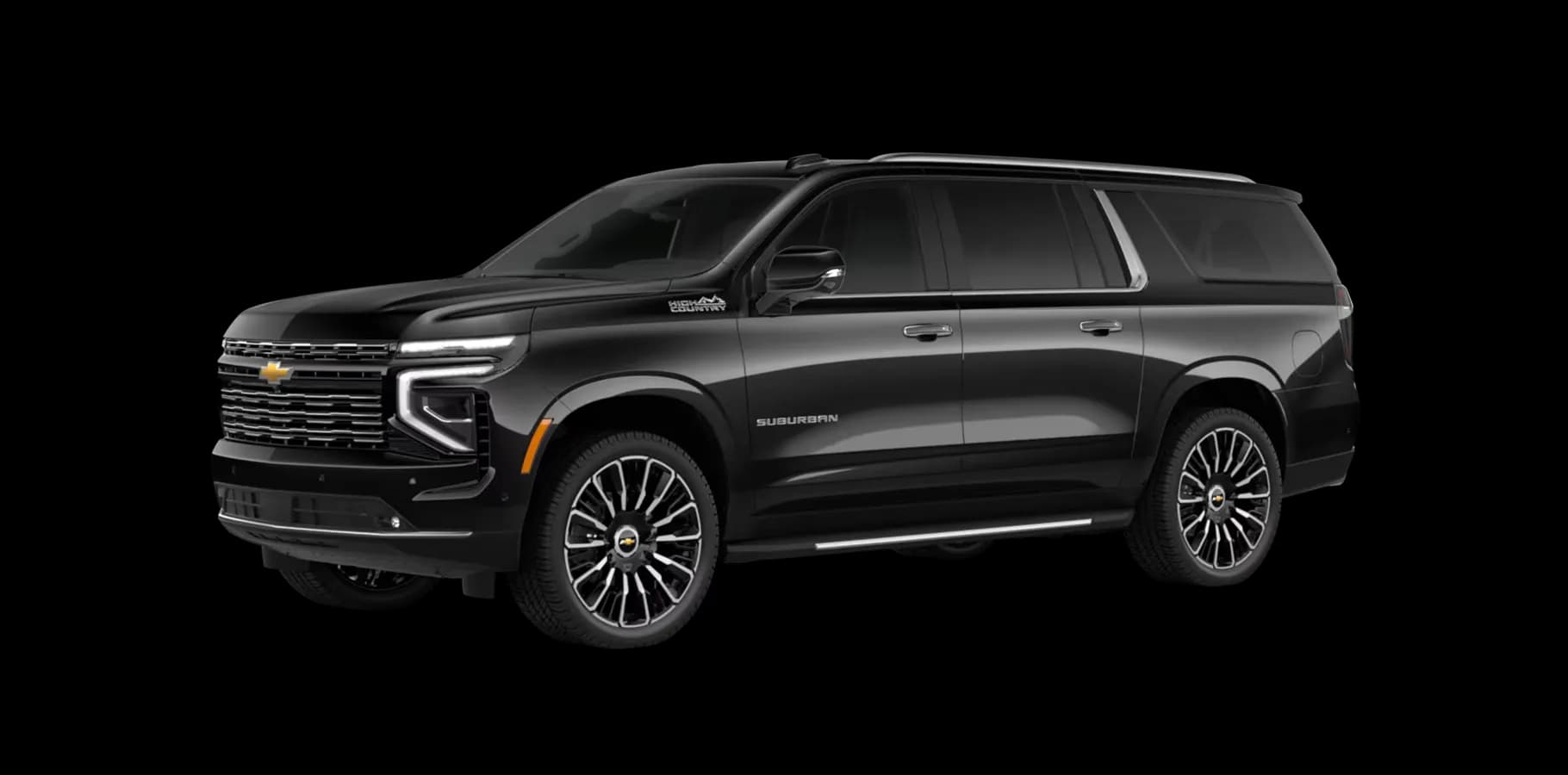
- SUVs: up to 6 passengers with room for 6 to 8 bags, the workhorse for families carrying a full week of cruise luggage
- Stretch limousines: 8 to 10 passengers, popular for anniversary sailings, birthdays, and honeymoon send offs
- Sprinter vans: up to 14 passengers with high roofs and luggage racks, ideal for extended families sailing together
- Party buses: 20 to 30 passengers with wraparound seating and sound systems, built for celebration groups starting the trip early
- Mini charter buses: 24 to 35 passengers, suited to reunion groups and small companies heading to one terminal
- Full size charter buses: up to 56 passengers with underfloor luggage bays, the per person bargain for weddings and large group charters
Matching the Vehicle to Your Group
Run the per person math before defaulting to multiple cars. Twelve relatives in three SUVs on a Florida sailing pay three parking bills, three fuel bills, and three sets of tolls. The same twelve in one Sprinter van pay one fixed transfer rate, arrive together, and board together. For groups of 20 or above, a single charter bus usually beats every combination of private cars once parking is priced in.
Comparing the Parking Bill to a Private Transfer
Put the numbers side by side for a 7 night cruise. Driving your own car to Port Canaveral from the New York area means roughly 160 dollars in parking, 60 to 80 dollars in tolls, 250 dollars or higher in fuel, and two hotel nights, with your vehicle sitting exposed in a Florida lot for 8 days. Sailing from the local piers instead means one fixed rate ride each way and zero parking. Even for the Florida departure, flying into Orlando and riding in often lands within range of the driving total while returning four full days of vacation. We quote every route as a flat figure before you commit, so the comparison takes one phone call with no spreadsheet required. The break even point moves with group size: a solo traveler may still find the drive cheapest on paper, a family of four usually lands near even once hotels are counted, and any group filling a van or bus comes out ahead by booking one vehicle with one written price.
Book Your Cruise Transfer Today
Skip the lot fees, the fuel stops, and the 10:30 traffic wave. Union Limousine provides licensed, fully insured car service for cruise and airport transfers around the clock, with professional chauffeurs, flight and ship tracking, and fixed all inclusive rates confirmed at booking. Our New York car service covers Manhattan, Brooklyn, Queens, the Bronx, and Staten Island, and our Long Island car service reaches Nassau County and Suffolk County door to door. Call us at 718 514 9881 or book online, and we will have the right vehicle waiting at your door on sailing day.
Conclusion
Parking at the Cape Canaveral cruise port costs 20 dollars per day plus tax in 2026, which works out to 160 dollars for a 7 night sailing and 300 dollars for a 14 night voyage, per vehicle, with cheaper off site lots trimming that to 8 to 15 dollars a day in exchange for a shuttle ride. For Florida locals, the park and walk setup at the terminals is genuinely convenient. For New Yorkers, the honest total includes 1,900 miles of driving, tolls, fuel, and hotels, and that full picture usually favors either flying into Orlando with a transfer waiting or sailing straight from the Manhattan or Brooklyn piers with a fixed rate ride from home. Union Limousine runs both ends of that equation every week, and we are glad to price your exact route so the decision comes down to real numbers.