 Account
 Book Now
 Book Now
 Our Fleets
If you are sailing out of Midtown West and wondering which station sits nearest the pier, the short version is this. Penn Station is the closest major train station to the Manhattan Cruise Terminal, with Grand Central Terminal a close second. Both sit roughly two miles from the water, so a train drops you into the city fast while still leaving a stretch across town to cover with your bags. That last stretch is why many travelers arrange car service to the Manhattan Cruise Terminal rather than wheeling luggage through crowded platforms. In the guide below, we map every station, subway line, and driving route to the pier, then walk through fleet choices and pricing so your embarkation day in New York City runs on time.
he Manhattan Cruise Terminal sits at 711 12th Avenue, spread across Piers 88, 90, and 92 on the far west side of Midtown. No commuter railroad or subway line stops at the pier itself. Penn Station, at 34th Street between Seventh and Eighth Avenues, is the nearest hub for Amtrak, the Long Island Rail Road, New Jersey Transit, and PATH. Grand Central Terminal, at 42nd Street and Park Avenue, is the nearest hub for Metro-North. From either one you still face a cross-avenue trip west to reach the water, which usually means a short taxi ride, a rideshare, or a prearranged sedan waiting at the curb.
Where the Manhattan Cruise Terminal Sits on the Map
The terminal hugs the Hudson River between roughly West 46th and West 54th Streets, in the neighborhood locals call Hell's Kitchen. It is one of the few cruise ports in the world where passengers can walk to a global entertainment district within twenty minutes. The operator publishes official directions and parking details that confirm the same point every seasoned traveler learns quickly: the pier is close to everything, yet slightly removed from the nearest rail platform.
Address, Piers, and Access Points
- Street address: 711 12th Avenue, New York, NY 10019.
- Piers used for embarkation: 88, 90, and 92.
- Vehicle access runs off 12th Avenue, with a dedicated drop lane for private cars and taxis.
- Nearest crosstown bus stop sits on 12th Avenue near West 48th Street, a two-minute walk from the doors.
Famous Areas and Landmarks Nearby
Because the pier sits inside Midtown, guests are within reach of Times Square, the Broadway theater district, Hudson Yards, the High Line, Central Park, and the Intrepid Museum on Pier 86 just to the south. Restaurants Row on West 46th Street, Columbus Circle, and the shops around Rockefeller Center all sit a short ride away. Many cruisers build a night in the city before departure, and the location makes that easy for anyone arriving by train, plane, or car.
Train Stations Near the Manhattan Cruise Terminal
Two regional rail hubs anchor Midtown, and both feed thousands of cruise passengers toward the pier every sailing weekend. Here is how each one compares for distance, service, and the final leg to the water.
Penn Station
Pennsylvania Station is the winner on pure distance. It sits about two miles from the terminal and serves Amtrak longlong-distanceins, the Long Island Rail Road out to Nassau and Suffolk, New Jersey Transit, and PATH from New Jersey. Subway lines A, C, E, 1, 2, and 3 all pass through, which makes it a natural transfer point. From Penn you head north on Eighth Avenue and then west toward 12th Avenue. The walk runs long once bags enter the picture, so most cruisers grab a cab or a waiting sedan for the final mile.
Grand Central Terminal
Grand Central, at 42nd Street and Park Avenue, is the main terminal for MetrMetro-Northins coming from Westchester, the Hudson Valley, and Connecticut. Subway lines 4, 5, 6, 7, and the S shuttle stop here. Grand Central sits farther east than Penn, so the trip across town to the Hudson is a touch longer. The 7 train links Grand Central to Times Square and Hudson Yards, which shortens the journey west before you cover the last blocks by cab or car.
Getting from the Platform to the Pier
From either station, the smart move is to skip the multi-transfer subway shuffle with heavy luggage. A metered taxi from Penn or Grand Central reaches the terminal in a handful of minutes outside of peak traffic. Travelers who prefer a fixed price and a guaranteed pickup often book New York cruise terminal car service ahead of time, so a chauffeur meets the train and handles the bags straight to the ship.
Subway Options Closest to the Cruise Terminal
The subway is the cheapest way into the area. The base subway and local bus fare rose to three dollars in January 2026, and you can tap a contactless card, phone, or OMNY card at any turnstile. No line stops at the pier, so every option below ends with a walk. Here are the three nearest stations, ranked by how close they get you.
50th Street on the A, C, and E
The 50th Street and Eighth Avenue station on the A, C, and E lines is the closest subway stop. From the platform, you exit and walk west along 50th Street toward 12th Avenue. Depending on your pace and your bag load, that walk takes about ten to fifteen minutes. This is the pick for riders coming up or down the west side of Manhattan.
Columbus Circle on the A, B, C, D, and 1
Columbus Circle, at 59th Street and Eighth Avenue, sits about one mile north of the pier and serves the A, B, C, D, and 1 trains. From there, you walk south on Eighth Avenue and turn west toward the water. It is a scenic route past the edge of Central Park, though it is a longer haul with a suitcase.
34th Street to Hudson Yards on the 7
The 7 train ends at 34th Street and Hudson Yards, southwest of the terminal. This works well for travelers connecting from Grand Central or Times Square, since the 7 runs straight across Midtown. From Hudson Yards, you head north along the waterfront toward the pier.
The Luggage Reality
Subway stations across the city carry a shared drawback for cruise passengers: stairs, turnstiles, crowds, and limited elevator coverage. Hauling two or three large cases through a busy Midtown platform on a Saturday morning tests anyone's patience. For a smooth start to a vacation, the calculus usually favors a door-to-door ride over a transfer-heavy transit trip.
Why a Private Ride Wins on Embarkation Day?
Cruise mornings run on a tight clock. Ships publish an all aboard time, commonly about ninety minutes before departure, and cruise lines advise arriving two to three hours ahead for check-in and security. A single missed connection or a full elevator can turn a relaxed morning into a sprint. A private car removes that risk by carrying you and every bag straight from your door to the terminal doors, with a driver who tracks traffic and reroutes as needed.
- One vehicle handles you, your travel party, and all luggage in a single trip.
- Flight and train arrival times are monitored, so pickup adjusts to real conditions.
- Fixed quotes remove the guesswork of surge pricing and metered surprises.
- Meet and greet service means a chauffeur is waiting, not a search for a curbside cab.
Route Details from Across New York City
We serve the full metropolitan region, and the drive to Pier 88 changes a good deal depending on where you begin. Guests booking car service in New York come from every borough and both island counties, so here is what each origin looks like on a typical embarkation morning.
From Manhattan Neighborhoods
Rides from Midtown, the Upper West Side, or the Financial District are short, usually fifteen to thirty minutes outside of rush hour. The main variable is crosstown traffic, since the pier sits on the far west edge. A driver who knows the light patterns on 42nd, 50th, and 57th Streets can shave real time off the trip.
From Brooklyn, Queens, the Bronx, and Staten Island
Trips from Brooklyn and Queens run through tunnels and bridges that back up on weekends, so building in a buffer matters. From the Bronx the route drops down the west side highway, which flows well when the timing is right. Staten Island guests cross via the ferry corridor or the bridges into Brooklyn before heading north. Across all four boroughs, a professional chauffeur plans the crossing that fits the hour of your sailing.
From Nassau, Suffolk, and Long Island
Long Island travelers face the longest drive, often sixty to ninety minutes from Nassau County and more from eastern Suffolk. Early departures beat the worst of the Long Island Expressway, and a spacious vehicle keeps a group and its luggage comfortable for the ride. Many families from Long Island pair a morning pickup with a fixed quote so the cost is settled before the bags are loaded.
NYC Airports: JFK, LaGuardia, and Newark
Plenty of cruisers fly in on embarkation morning. The three regional airports operated by the Port Authority of New York and New Jersey each feed the terminal. John F. Kennedy International Airport sits about twenty miles east in Queens, LaGuardia about twelve miles, and Newark Liberty International roughly sixteen miles west across the Hudson in New Jersey. Driving times range from forty-five minutes to well over an hour, depending on traffic and tolls. Travelers who want a seamless handoff book New York airport car service with a meet and greet inside the terminal, so the transfer from baggage claim to cruithe se ship is one continuous ride.
Our Fleet and What Each Vehicle Fits
The Union Limousine fleet covers solo travelers through full tour groups. Choosing the right-sized vehicle keeps everyone and their luggage comfortable, and it keeps the price sensible. Capacity ranges below reflect seating with room for cruise luggage, which takes more space than everyday bags.
Sedans
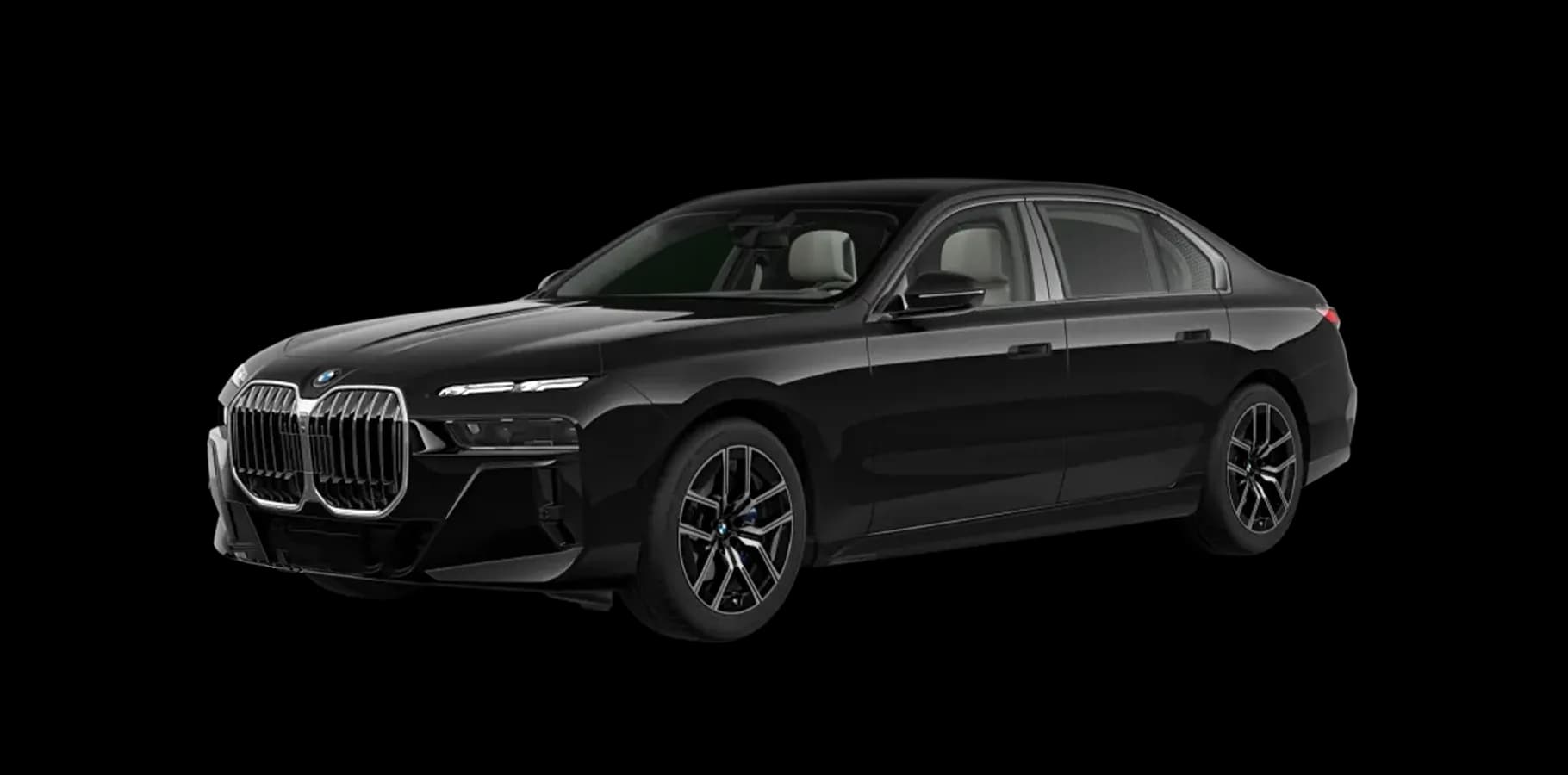
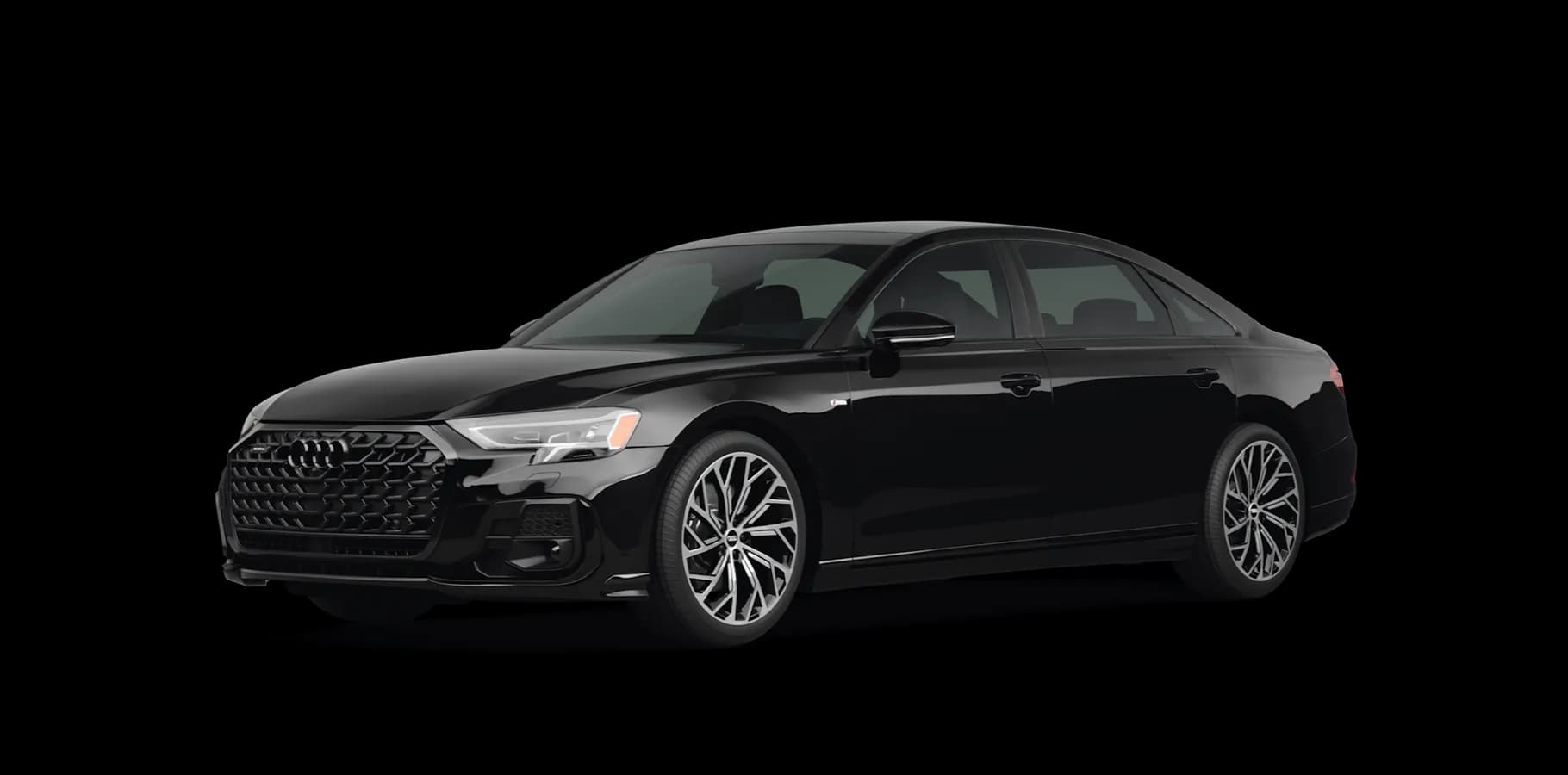
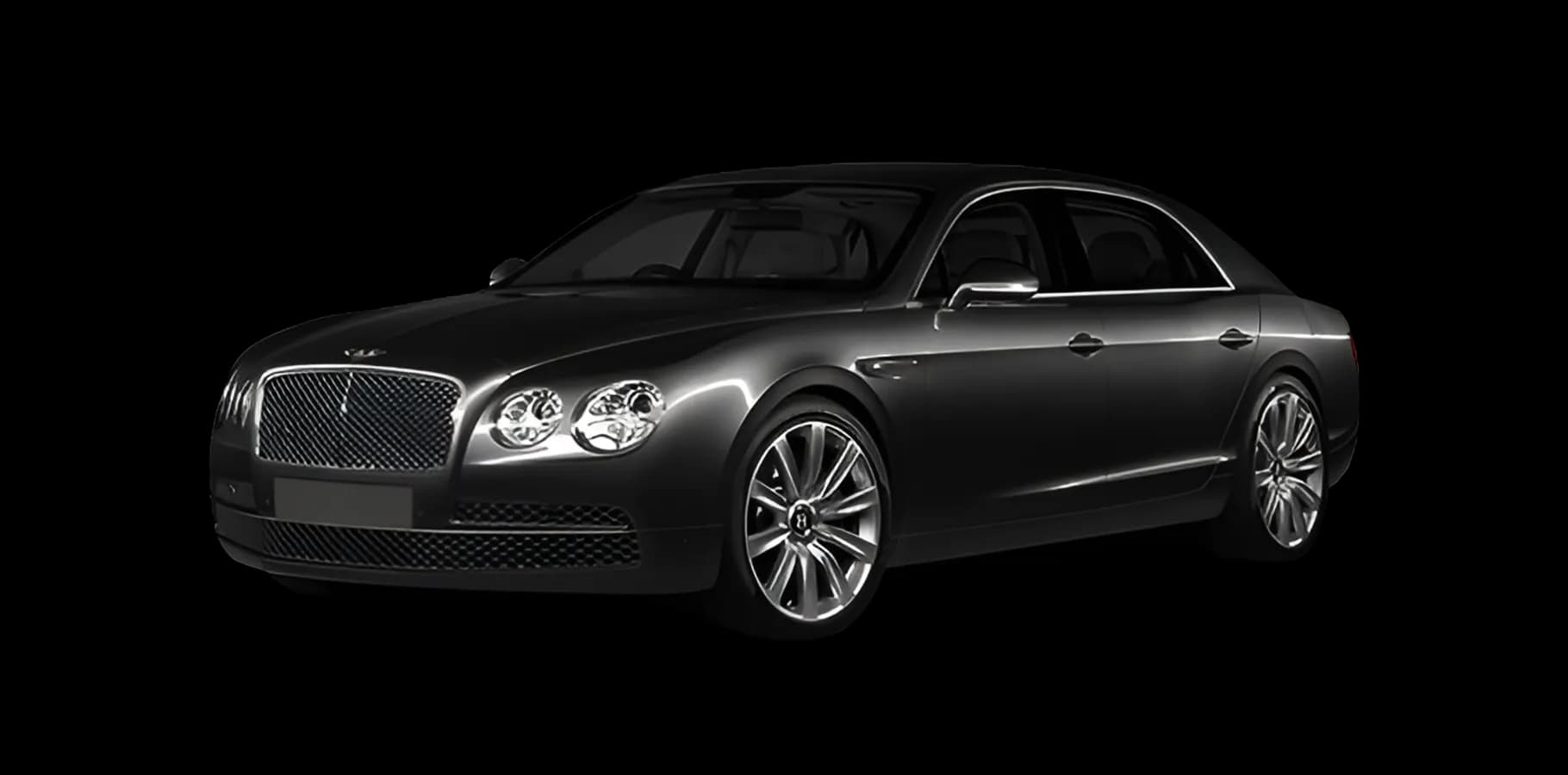
- Capacity: 1 to 3 passengers with two or three suitcases.
- Best for: couples, solo cruisers, and business travelers who want a clean, quiet ride.
- Typical starting range: from about 90 to 160 dollars for a local or airport transfer.
SUVs
- Capacity: 1 to 6 passengers with generous luggage space.
- Best for: small families and travelers with extra cruise bags or golf and dive gear.
- Typical starting range: from about 120 to 200 dollars for a transfer.
Stretch Limousines
- Capacity: 8 to 10 passengers.
- Best for: milestone trips, wedding parties heading to a honeymoon sailing, and arrivals with a sense of occasion.
- Typical range: from about 125 to 200 dollars per hour with an hourly minimum.
Sprinter Vans
- Capacity: 10 to 14 passengers with room for a mountain of luggage.
- Best for: corporate groups and extended families who want one vehicle for people and bags.
- Typical range: from about 150 to 250 dollars per hour.
Party Buses
- Capacity: 14 to 40 passengers, depending on the coach.
- Best for: group celebrations that want the party to start before the ship leaves the dock.
- Typical range: from about 200 to 400 dollars per hour.
Mini Charter Buses
- Capacity: 20 to 35 passengers.
- Best for: mid-size tour groups, reunions, and company outings sailing together.
- Typical range: from about 180 to 300 dollars per hour.
Full-Size Charter Buses
- Capacity: 45 to 56 passengers with under-coach luggage bays.
- Best for: large conventions, associations, and school or church groups boarding one ship.
- Typical range: from about 250 to 450 dollars per hour.
Fleet Prices and What Shapes Your Quote
The ranges above are estimates drawn from the New York market, and a final quote depends on a handful of factors. Distance and drive time set the base. Tolls, airport fees, and parking add to it. Hourly bookings carry a minimum, while point-to-point transfers are quoted as a flat rate. Peak sailing weekends, holidays, and late-night pickups can shift the number as well. The most accurate figure comes from a live quote with your date, pickup address, passenger count, and luggage load.
- Distance and estimated drive time from your pickup point.
- Tolls, airport access fees, and any parking or waiting time.
- Vehicle class and whether the booking is a flat transfer or hourly charter.
- Date, time of day, and demand around major sailings.
Standards, Safety, and Why They Matter
A cruise transfer is a promise that you will reach the ship before the gangway closes, so the operator behind the wheel matters. Every Union Limousine chauffeur drives under a framework of licensing and safety rules that protect passengers, and we hold to those standards on every trip.
Licensing You Can Verify
For hire vehicles and drivers operating in the five boroughs are regulated by the New York City Taxi and Limousine Commission, which licenses vehicles, sets vehicle inspection schedules, and vets chauffeurs. Motorcoaches that cross state lines, such as a bus running from New Jersey to the pier, fall under the Federal Motor Carrier Safety Administration, which oversees driver hours, vehicle maintenance, and carrier safety ratings.
Insurance and Vehicle Upkeep
Commercial passenger vehicles carry far higher liability coverage than a private car, and reputable operators maintain their fleet on a fixed inspection cycle. When you compare providers, ask for proof of licensing and insurance before you book. A legitimate service answers that question without hesitation.
A Real-World Timing Example
Say your ship departs at four in the afternoon with an all-aboard of two thirty. Cruise lines recommend arriving by one for check-in. Working backward from a Long Island pickup during a summer Saturday, a driver might set an eleven o'clock departure to absorb bridge traffic. That kind of planning is what separates a calm boarding from a frantic one, and it is the experience a seasoned chauffeur brings to the route.
Book Your Manhattan Cruise Terminal Transfer Today
Ready to lock in a smooth ride to Pier 88? Reserve early for weekend sailings, share your ship name and departure time, and we will match you with the right vehicle and a chauffeur who knows the route. Get a fast quote and confirm your pickup with Union Limousine, and start your cruise the moment the door closes rather than somewhere on a crowded platform. Our team is available around the clock to plan airport, hotel, and residential pickups anywhere in the region.
Conclusion
So, which train station is closest to the Manhattan Cruise Terminal? Penn Station is about two miles away, with Grand Central Terminal close behind, and the nearest subway stop is 50th Street on the A, C, and E lines. None of them land you at the pier, which is why the final leg matters so much on a day built around a departure clock. Whether you arrive by rail into Penn, fly into JFK, LaGuardia, or Newark, or set out from Brooklyn, Queens, the Bronx, Staten Island, or Long Island, a planned transfer turns the trickiest part of embarkation into the easiest.