 Account
 Book Now
 Book Now
 Our Fleets
Every visitor and most locals ask the same question at the curb: is it cheaper to get a cab or Uber in NYC? The short answer is that yellow cabs usually cost less for short trips inside Manhattan, on rainy nights, and during weekday rush hour, while Uber often wins on longer outer borough runs when demand is low. The full answer depends on where you are in New York, what time it is, and how many people are riding with you. This guide breaks down the regulated taxi meter, the way app fares are built, and real route examples from Manhattan, Brooklyn, Queens, the Bronx, Staten Island, and Long Island, so you can compare both options against a prebooked car service in New York and pick the ride that actually saves money.
We have driven New Yorkers and travelers around the five boroughs, Nassau County, and Suffolk County since 1997, and we watch taxi and rideshare pricing closely because our clients ask us to justify every dollar. Everything below reflects the Taxi and Limousine Commission fare rules that apply in 2026, the congestion pricing rules that took effect in Manhattan in January 2025, and the fare patterns we see on airport and city runs every week.
Which is Cheaper in NYC, a Cab or Uber?
Here is the fast version for anyone standing on a sidewalk with a phone in one hand:
- A short hop under three miles in Manhattan is almost always cheaper by yellow cab because the meter starts at $3.00 and there is no booking fee or surge.
- Weekday rush hour from 4 pm to 8 pm favors the cab, which adds a flat $2.50 peak surcharge while Uber prices can double or triple.
- Late nights on Friday and Saturday favor the cab, which adds only $1.00 after 8 pm while app fares spike when bars close.
- Rain, snow, and big events at Madison Square Garden or Barclays Center push app prices up quickly, so hail a cab if you can find one.
- Long outer borough trips, such as Astoria to Bay Ridge or Riverdale to Flushing, are often cheaper on Uber when no surge is active, because the app rate per mile is lower than the $3.50 per mile taxi meter.
- Trips into Suffolk County or deep into Nassau County are usually cheaper on Uber, since yellow cabs charge double the meter once they cross the city line.
- Groups of four or more traveling to an airport frequently spend less on a fixed price SUV or Sprinter van than on two separate app rides.
How NYC Yellow Cab Fares Work in 2026?
Yellow cab pricing in New York is set by regulation, which makes it the easiest fare in the country to predict. The New York City Taxi and Limousine Commission publishes every rate, and the meter in the cab is sealed and inspected, so the driver cannot change what you pay.
The Metered Fare and Regulated Surcharges
The standard city rate in 2026 works like this:
- $3.00 initial charge when the meter starts.
- 70 cents for each one fifth of a mile when the cab is moving above 12 mph, or 70 cents for every 60 seconds in slow traffic or while stopped, which works out to roughly $3.50 per moving mile.
- 50 cents MTA state surcharge on trips that end in New York City or in Nassau, Suffolk, Westchester, Rockland, Dutchess, Orange, or Putnam Counties.
- $1.00 improvement surcharge on every trip.
- $1.00 overnight surcharge from 8 pm to 6 am.
- $2.50 rush hour surcharge from 4 pm to 8 pm on weekdays, excluding holidays.
- $2.50 New York State congestion surcharge on any trip that begins, ends, or passes through Manhattan south of 96th Street.
- 75 cents MTA congestion pricing toll for trips that touch the Congestion Relief Zone at or below 60th Street, with exemptions for the FDR Drive and the West Side Highway.
- Bridge and tunnel tolls at the cost the cab pays, plus your tip.
There is no charge for extra passengers or bags, and every yellow and green cab must accept credit, debit, and contactless payments at no extra cost. A cab driver is also required by TLC rules to take you anywhere in the five boroughs, so a trip from Midtown to Staten Island or the far end of Queens cannot be refused. A refused fare can be reported to 311 with the medallion number on the receipt.
Airport Flat Rates and Airport Surcharges for Taxis
Airport trips have their own rate codes, and this is where many riders get the cab versus Uber math wrong:
- Trips between any point in Manhattan and John F. Kennedy International Airport in either direction are a flat $70, plus the 50 cent state surcharge, the $1.00 improvement surcharge, a $5.00 rush hour surcharge from 4 pm to 8 pm on weekdays, the $2.50 congestion surcharge if the Manhattan end is south of 96th Street, the 75 cent congestion pricing toll if it is at or below 60th Street, tolls, and tip. Most riders land between $85 and $105 all in.
- Trips to and from LaGuardia Airport run on the standard meter plus a $5.00 airport surcharge and all other applicable surcharges, so a Midtown run usually costs $50 to $65 before tip depending on traffic and which crossing the driver takes.
- Trips to and from Newark Liberty International Airport run on the meter plus a $20 Newark surcharge, and the passenger pays tolls in both directions, which is why a Newark cab from Midtown often lands above $100 before tip.
The JFK flat rate is the single strongest argument for a yellow cab in New York. It does not move with traffic, weather, or demand, and it applies from JFK to any Manhattan address, from the Financial District to Inwood.
How Uber Pricing Works in New York City?
Uber and Lyft are licensed as for hire vehicles by the same Taxi and Limousine Commission that regulates cabs, and every app driver in the city needs a TLC license. New York is also the only major American market with a minimum driver pay standard for app trips, which keeps app fares here higher than the national average.
Upfront Pricing, Surge, and the Fees Uber Adds in NYC
When you request a ride, the app shows one upfront price built from a base fare, a per mile rate, a per minute rate, and a booking fee, then multiplied by whatever surge is active. In New York, app trips that touch Manhattan south of 96th Street also carry a $2.75 state congestion surcharge, and trips into the zone at or below 60th Street carry a $1.50 congestion pricing charge, which is double what a cab pays for the same block. Airport access fees at JFK, LaGuardia, and Newark are folded into the quote as well. Lyft describes the same behavior on its own New York City rider page, where it notes that an upfront price that looks high usually means demand is outrunning available drivers in that area at that moment.
Under calm conditions, UberX in Manhattan tends to run 10 to 30 percent above the equivalent taxi meter on the same route. The gap widens fast when it rains, when a Knicks game lets out, or on Saturday at 1 am in the Lower East Side, when surge multipliers of two to four times are common.
Ride Types Change the Math
UberX is the baseline comparison to a yellow cab. Uber Comfort adds a few dollars for a newer car and extra legroom. UberXL seats up to six and usually prices 40 to 70 percent above UberX. Uber Black is a licensed black car with commercial insurance and a professional driver, and it typically costs two to three times the taxi rate, with a Manhattan to JFK trip landing at $110 to $135 before surge. Once you move above UberX, a prebooked fixed rate from a chauffeured company is often the same price or lower, without the risk of a multiplier.
Cab vs Uber Cost by Route
Fares below are typical 2026 ranges before tip for a single rider, based on the TLC rate card and the app quotes we see daily. Traffic, route choice, and surge move every number, so treat them as planning figures.
Midtown Manhattan to the Financial District
Times Square to Wall Street is about four and a half miles and 20 to 30 minutes. The taxi meter runs $18 to $23, and the stacked surcharges south of 96th Street add roughly $4.75 outside rush hour, for a total near $23 to $28. UberX quotes for the same trip commonly fall between $25 and $40, and a rainy 5 pm request can pass $50. The cab wins.
Manhattan to JFK Airport
The $70 flat fare from a Midtown hotel to JFK Terminal 4 usually totals $85 to $105 with surcharges, the Van Wyck tolls if any, and a tip. UberX from Midtown to JFK ranges from about $65 to $85 in quiet hours and climbs past $100 on Sunday evenings and holiday weekends. If your flight leaves at 7 am on a Tuesday, Uber may edge out the cab. If you are leaving at 5 pm on a Friday, the cab is safer. Travelers who want a guaranteed number for the whole family should compare both against a New York airport car service quote, which locks the total at booking and includes the driver meeting you inside the terminal.
LaGuardia Airport to Midtown
LaGuardia has no flat rate. A cab from Terminal B to Midtown East is roughly nine miles, and with the $5.00 airport surcharge, the standard surcharges, and the Robert F. Kennedy Bridge or Queens Midtown Tunnel toll, most riders pay $50 to $65 before tip. UberX from LaGuardia usually quotes $45 to $75, so the two options are close, and surge decides it. Uber pickups at LaGuardia also happen at designated lots, which can add ten minutes to the trip.
Newark Liberty to Manhattan
Newark is the airport where Uber most often beats the cab. A yellow cab from Manhattan to Newark runs the full meter plus the $20 Newark surcharge plus tunnel tolls both ways, which pushes many trips to $100 to $120 before tip. UberX between Newark and Midtown typically quotes $70 to $110. Prebooked sedans on this route are priced close to the app quote, and they avoid the pickup lot walk at Terminal A and Terminal C.
Brooklyn to Manhattan
A ride from the Brooklyn Museum on Eastern Parkway to Midtown covers about seven miles and 35 to 45 minutes across the Manhattan Bridge. The museum notes on its visitor directions page that drivers usually approach through Grand Army Plaza and Flatbush Avenue, and that route into Manhattan means a cab picks up the $2.50 congestion surcharge and the 75 cent zone toll on the way. Expect $35 to $45 on the meter before tip. UberX from Prospect Heights to Midtown commonly quotes $30 to $55. On weekday mornings with a low surge, Uber can be a little cheaper; on Friday nights after an event at Barclays Center, the cab is the better bet, if you can find one on Flatbush Avenue.
Queens, the Bronx, and Staten Island
Outer borough to outer borough trips are Uber territory in most cases. Jackson Heights to Flushing, Fordham to Riverdale, or St. George to Tottenville on Staten Island all run long distances at moderate speeds, where the $3.50 per mile taxi meter adds up faster than the app rate. Yellow cabs are also scarce in these areas, and green cabs, which can pick up street hails outside the Manhattan core and away from the airports, use a similar meter with a slightly higher $2.75 congestion surcharge if they enter Manhattan south of 96th Street. Staten Island riders should budget for the Verrazzano Narrows Bridge toll on any trip to Brooklyn, in either a cab or an app car.
Nassau County, Suffolk County, and Long Island
Yellow cabs use a separate rate code beyond the city line. A trip to Nassau County or Westchester County is metered normally inside New York City and then charged at double the meter once the cab crosses into Nassau or Westchester, plus tolls. A trip to Suffolk County or anywhere farther is a flat fare that the passenger and driver must agree on before the trip starts. That structure is why a cab from JFK to Garden City can cost $60 to $80 while the same run on UberX quotes $45 to $65, and why a cab to Huntington or Stony Brook rarely makes sense at all. For Long Island airport runs, we quote a fixed rate from JFK, LaGuardia, or Islip to Nassau and Suffolk addresses, and for large families a Sprinter van is usually cheaper than two UberXL cars.
When a Yellow Cab Wins in New York?
Weekday Rush Hour
The 4 pm to 8 pm Window
What the Math Looks Like?
Picture a 6 pm Wednesday ride from Bryant Park to Union Square, about two miles in heavy traffic. The cab meter reads $14 to $17. The surcharges stack like this: $2.50 rush hour, $2.50 state congestion, 75 cents zone toll, $1.00 improvement, 50 cents MTA, for $7.25 in fees and a total near $22 to $24 before tip. The same trip on UberX at 6 pm frequently quotes $28 to $38 because the app's own rush surge multiplies the base fare, and the $2.75 plus $1.50 congestion charges apply on top. The cab saves roughly $8 to $15 on a two mile ride.
Late Nights and Bar Closing Hours
The overnight taxi surcharge is $1.00. App surge between midnight and 4 am on weekends in the East Village, Williamsburg, and Hell's Kitchen regularly sits at two to three times the normal rate. A $20 cab ride can become a $55 app ride at 2 am on Saturday.
Rain, Snow, and Event Nights
Weather and events have the same effect. A cab's meter does not know it is raining. An app's pricing model does.
Short Hops Under Three Miles
For a ten block ride, the $3.00 initial charge plus a few dollars on the meter beats any app fare that includes a booking fee and a minimum fare.
When Uber Wins in New York
Long Outer Borough Trips
A 12 mile trip from Bay Ridge to Astoria on the meter can pass $50 with the Brooklyn Queens Expressway crawl adding time charges. UberX with no surge usually quotes $35 to $45.
Trips Beyond the City Line
Double the meter in Nassau and Westchester, and negotiated flat fares in Suffolk, make the app the cheaper default for suburban trips.
Off Peak Newark Runs
The $20 Newark surcharge plus two tunnel tolls makes the cab expensive on this route at almost any hour.
Scheduled Pickups in Neighborhoods With Few Cabs
If you are on Staten Island's South Shore or in the Rockaways at 6 am, the app will find you a car when a street hail will not. That said, scheduling a licensed black car the night before is often the same price, and the car will be there at the exact minute.
Hidden Costs Riders Forget on Both Sides
Tolls and Congestion Charges
Both cabs and app cars pass through tolls at cost. Congestion pricing applies to both, but the per trip charge is 75 cents in a cab and $1.50 in an app car, while private cars pay the full $9 peak toll to drive into Manhattan below 60th Street, which is one reason so many New Yorkers now leave the car at home and ride.
Tipping
Yellow cab screens suggest 20, 25, and 30 percent. The app suggests a similar range. Budget the same tip either way, so the comparison should always be on the pre tip fare.
Waiting, Cancellations, and Wrong Pickups
A cab starts the meter when you sit down. An app ride can add a wait time fee after two minutes at the curb, a cancellation fee if you back out after the driver accepts, and a longer walk to a designated pickup zone at airports and arenas. A prebooked chauffeur waits for you, tracks your flight, and includes reasonable wait time in the fixed rate.
Group Size and Luggage
A yellow cab legally carries up to four passengers, with a fifth allowed in some minivan taxis, and no charge for luggage. UberX carries four. When five to fourteen people travel together with bags, the cost per person on an SUV or Sprinter van falls below either option, which is where our fleet becomes the cheapest choice on the curb.
When Neither is the Cheapest Option for Prebooked Car Service
For a single traveler on a short Manhattan trip, a cab is the value pick, and we will say so. For airport transfers, groups, business travel, weddings, and any trip where the pickup time matters, a fixed rate chauffeured ride from a licensed base is often the lowest total cost once you add surge, wait time, and second vehicles. Every vehicle we operate is TLC licensed, carries commercial insurance at the levels the city requires for for hire vehicles, and is driven by a chauffeur with a TLC license and a clean background check. Union Limousine quotes the whole trip in advance, including tolls and the congestion charges, so the number you see when you book is the number on the receipt. You can compare our car service rates directly against an app quote for the same route and time before you decide.
Corporate travelers headed to Morningside Heights offer a good example. Columbia University's visitor directions page explains that the campus gate at Broadway and 116th Street is closed to vehicles and that the university has no on campus parking, which is exactly the kind of destination where a chauffeur who knows the drop off points on 114th Street saves both time and a wandering meter.
Our Fleet and the Right Vehicle for Each Trip
Each vehicle below is priced as a flat rate for point to point transfers or by the hour for events, and we match the vehicle to the group so nobody pays for empty seats.
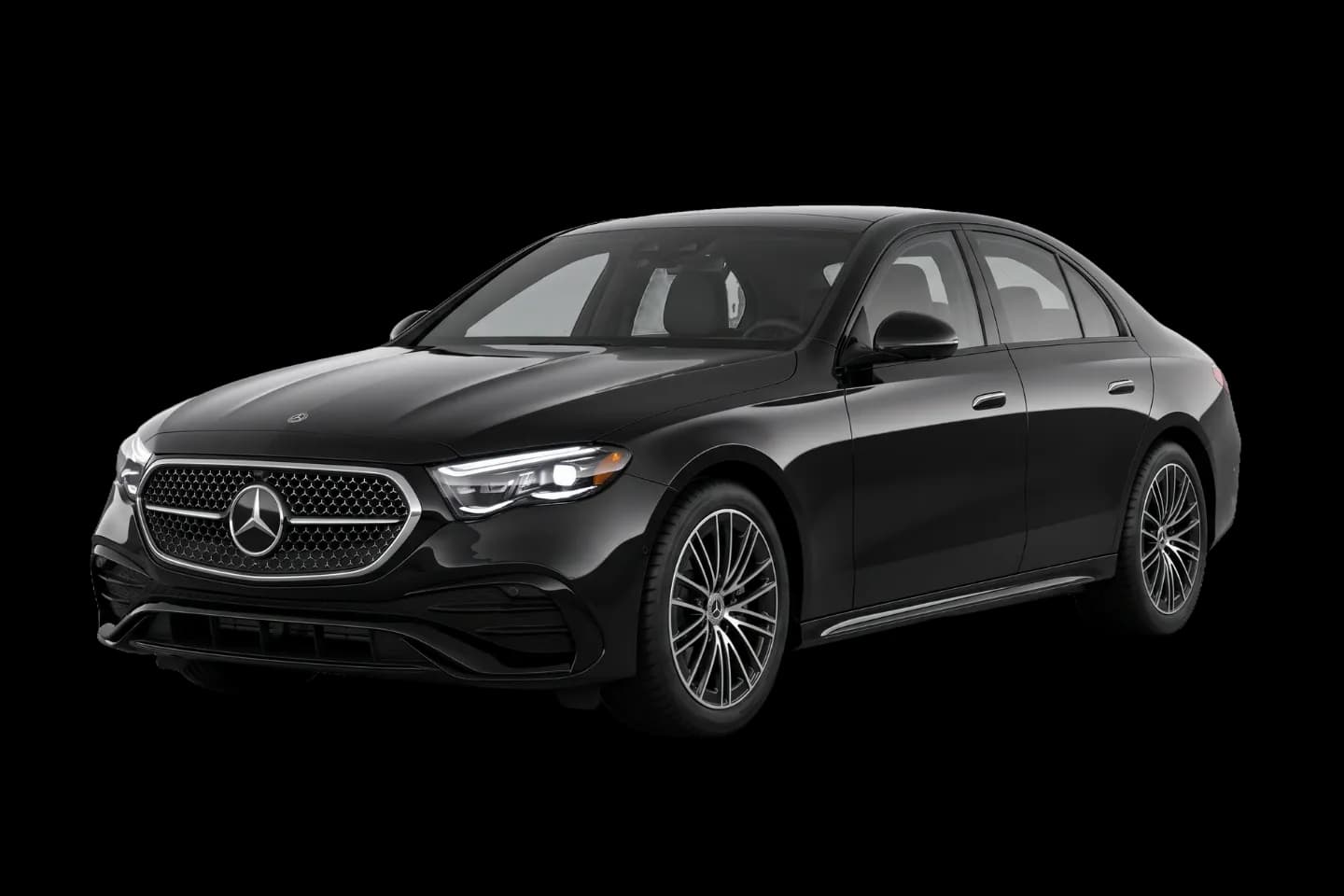
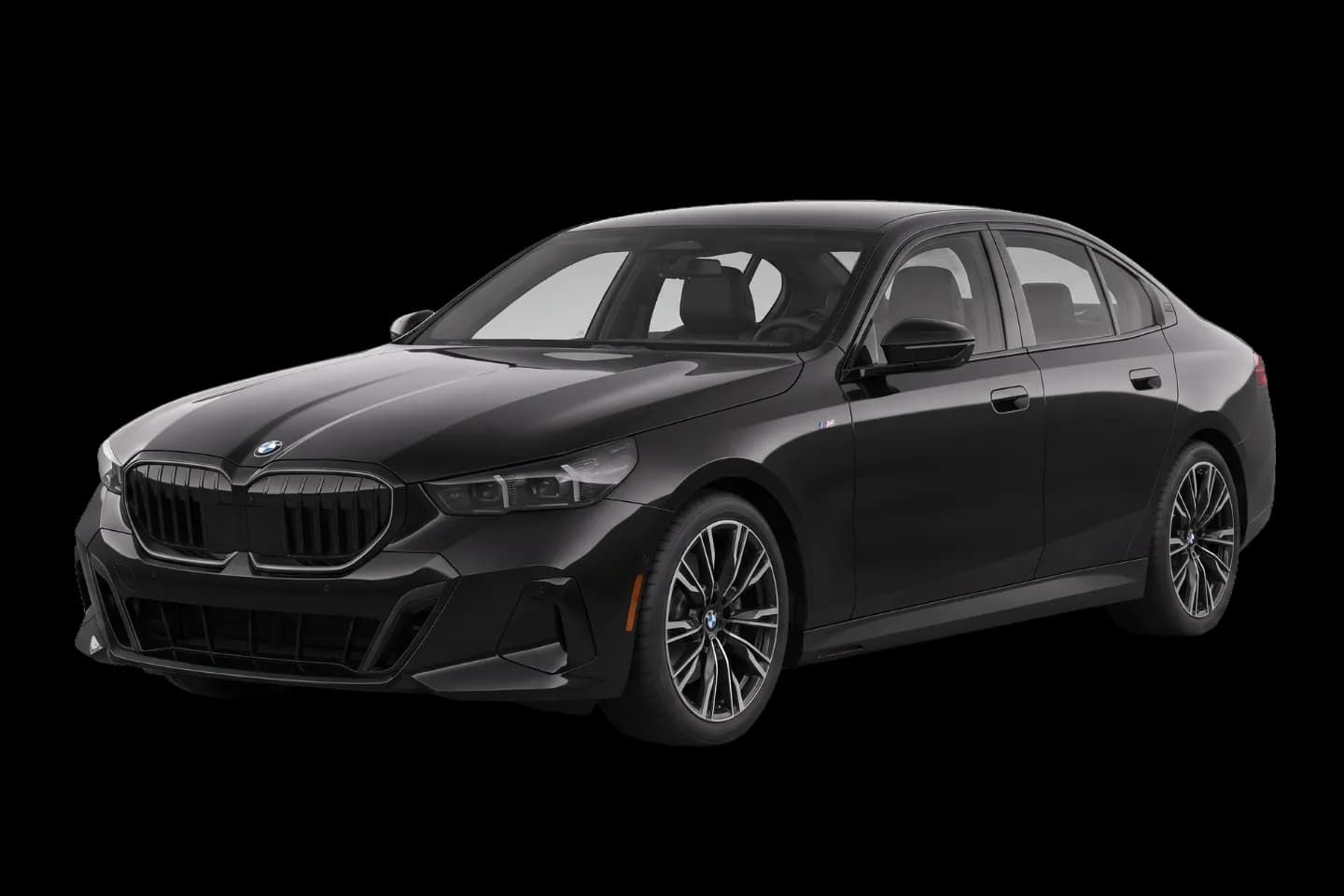
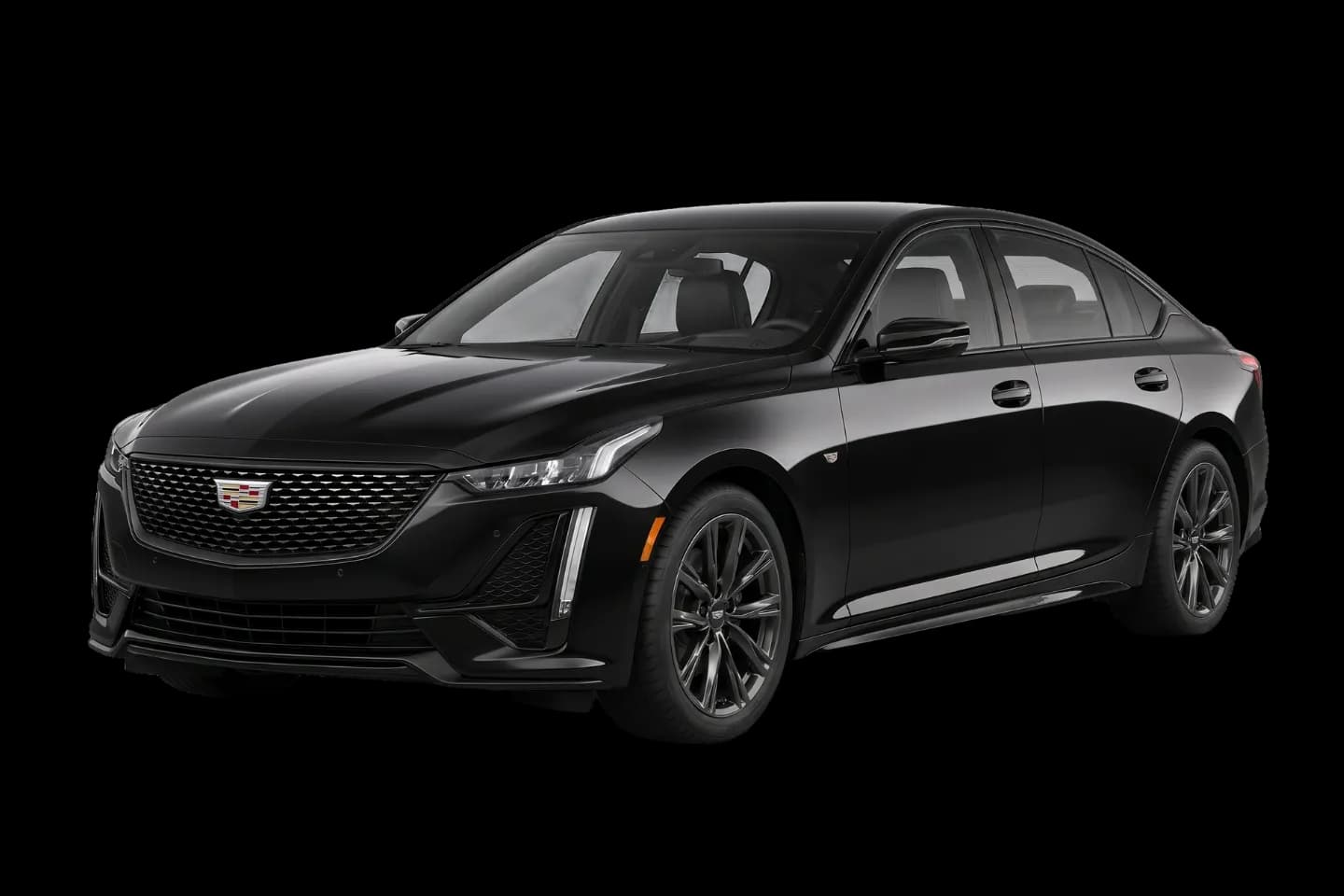
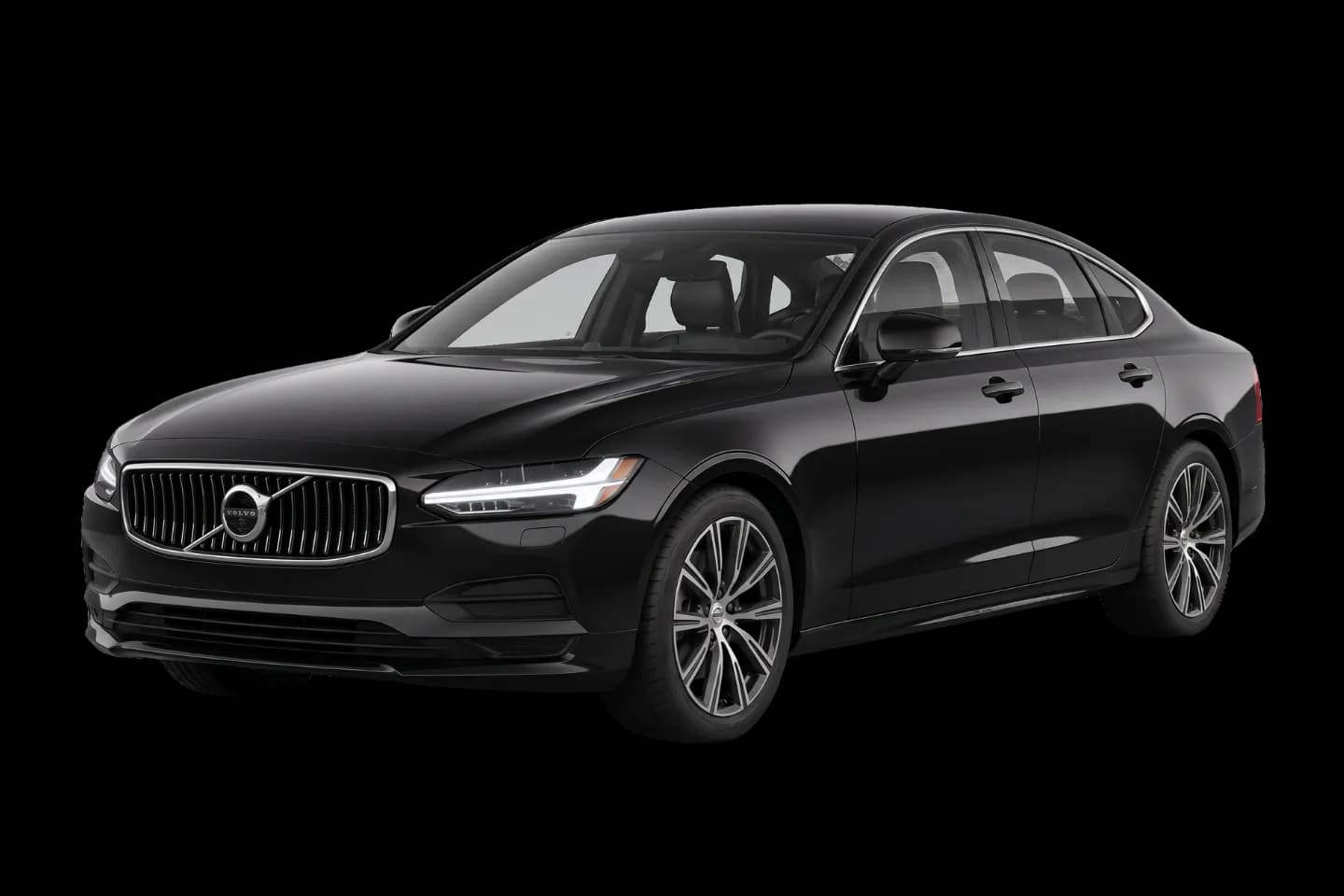
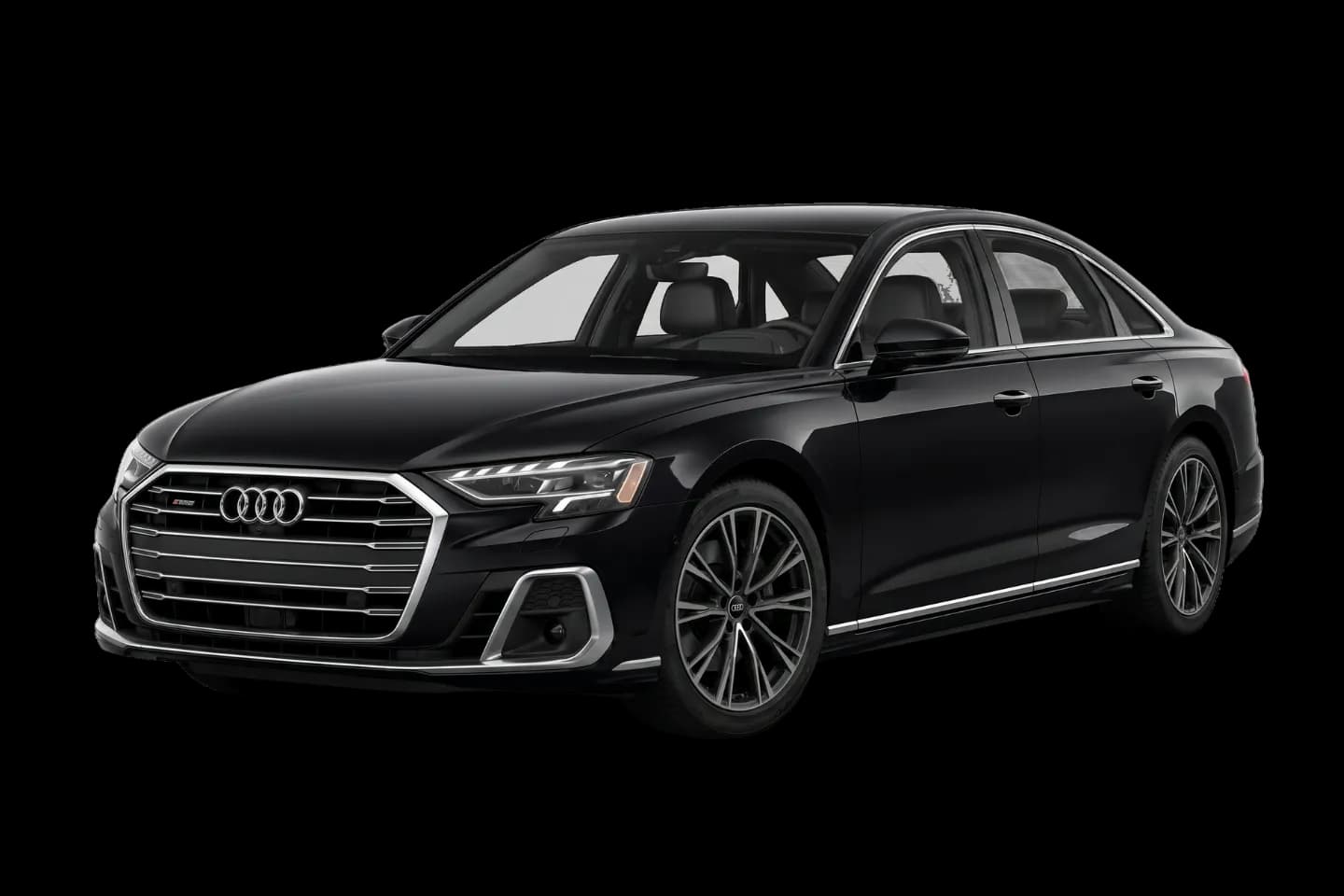
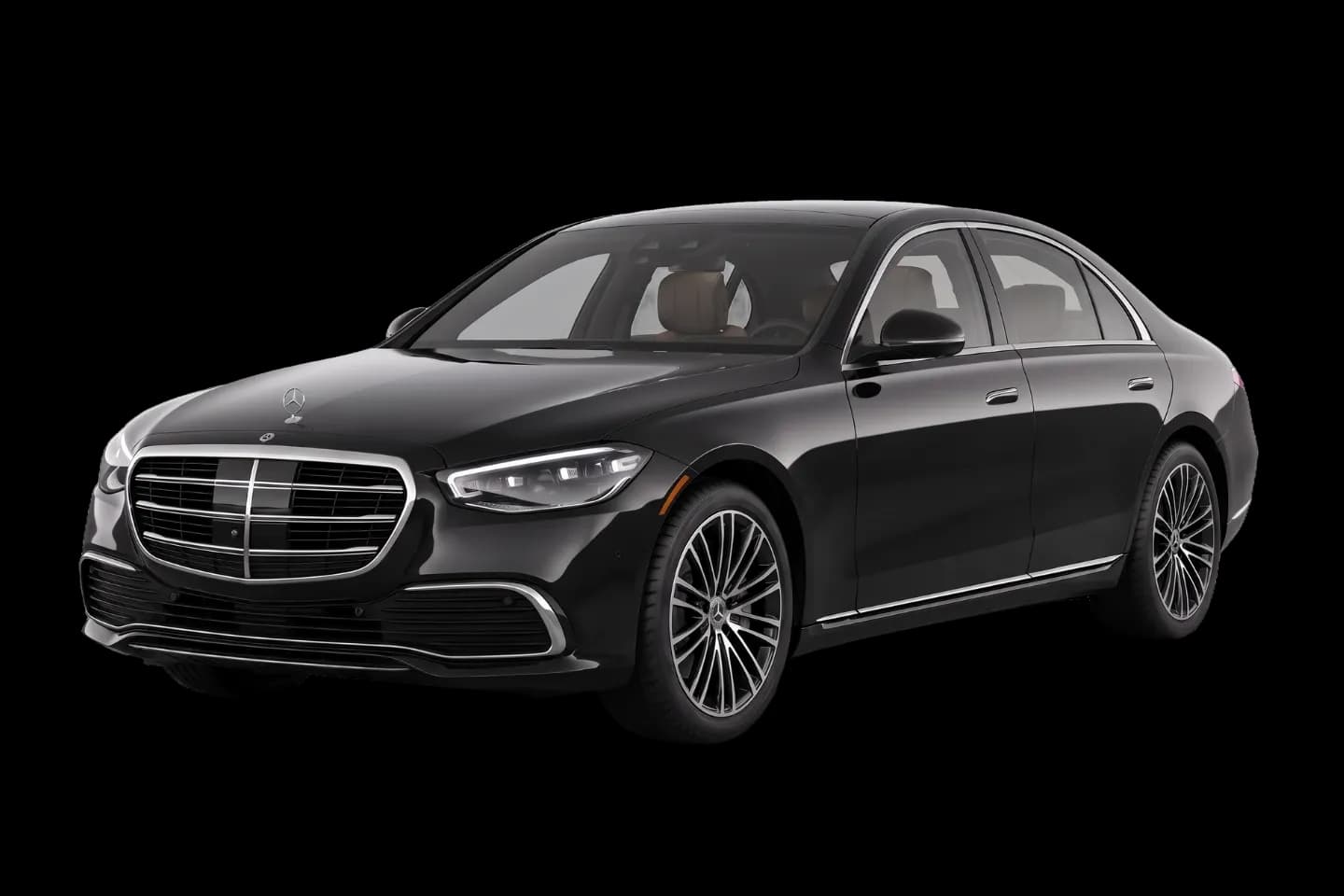
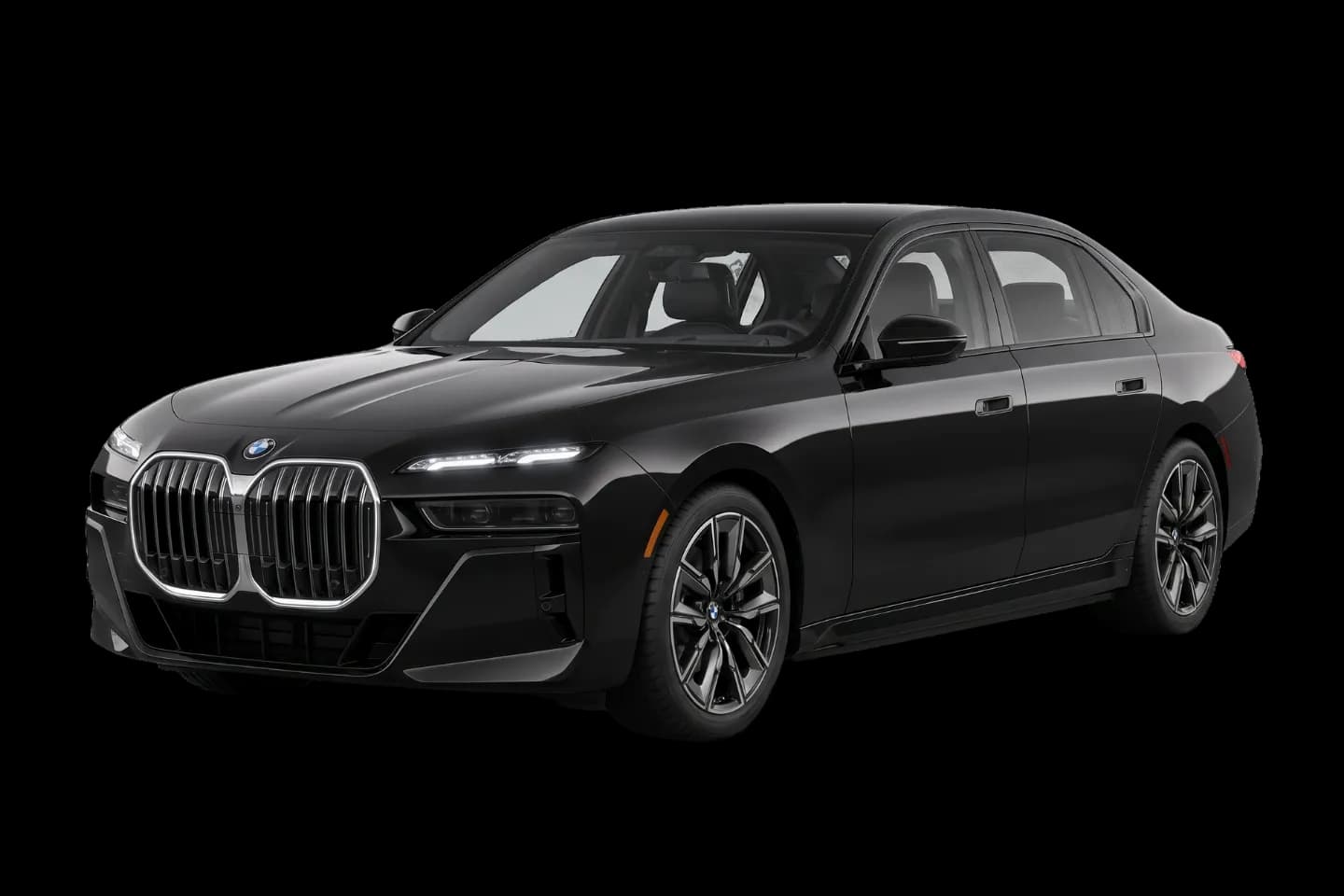
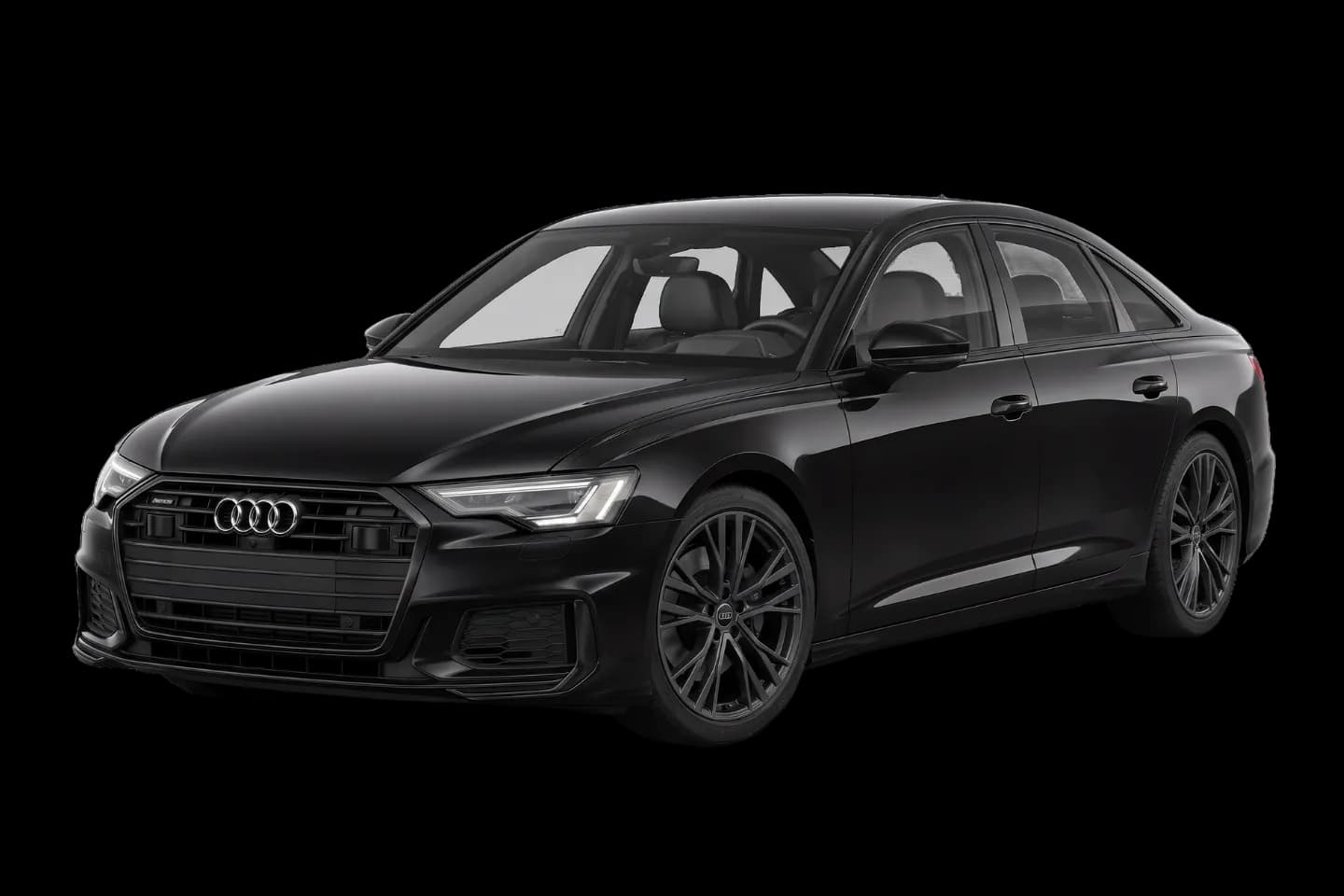
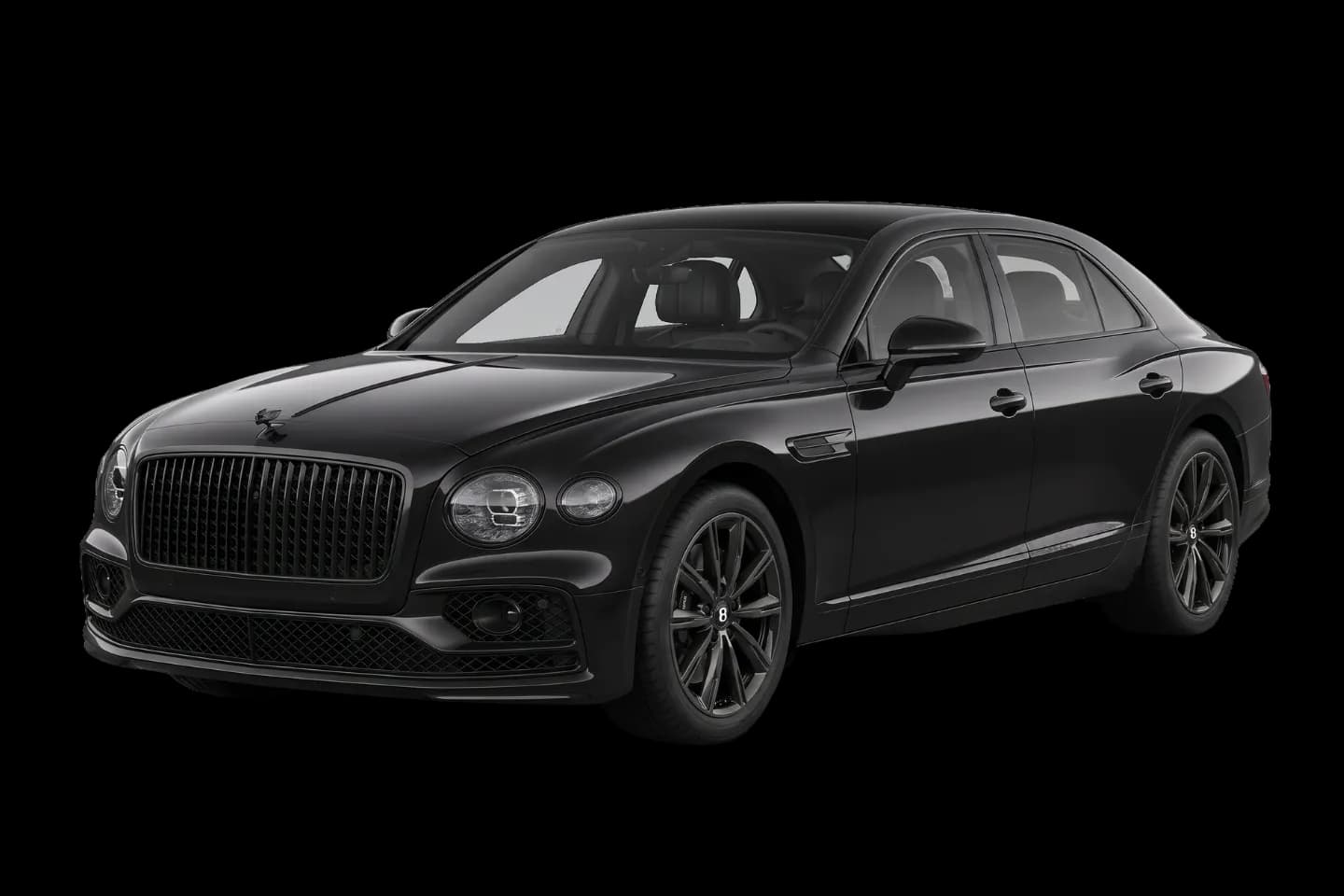
- Sedans seat one to three passengers with two large suitcases. They are the cheapest fixed rate option for airport transfers, business meetings, and hospital visits, and they compete directly with UberX and yellow cab totals on airport runs from JFK, LaGuardia, and Newark.
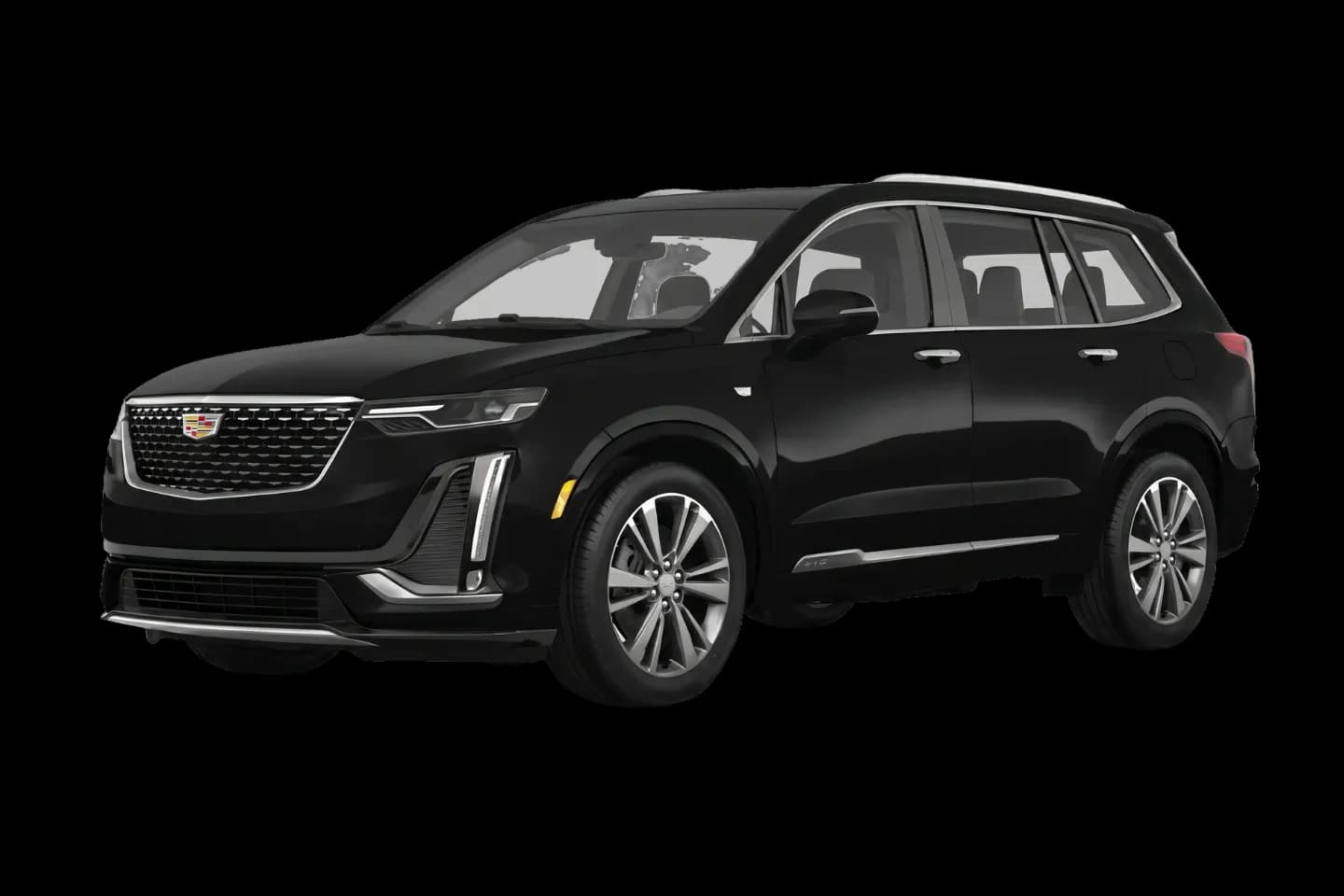
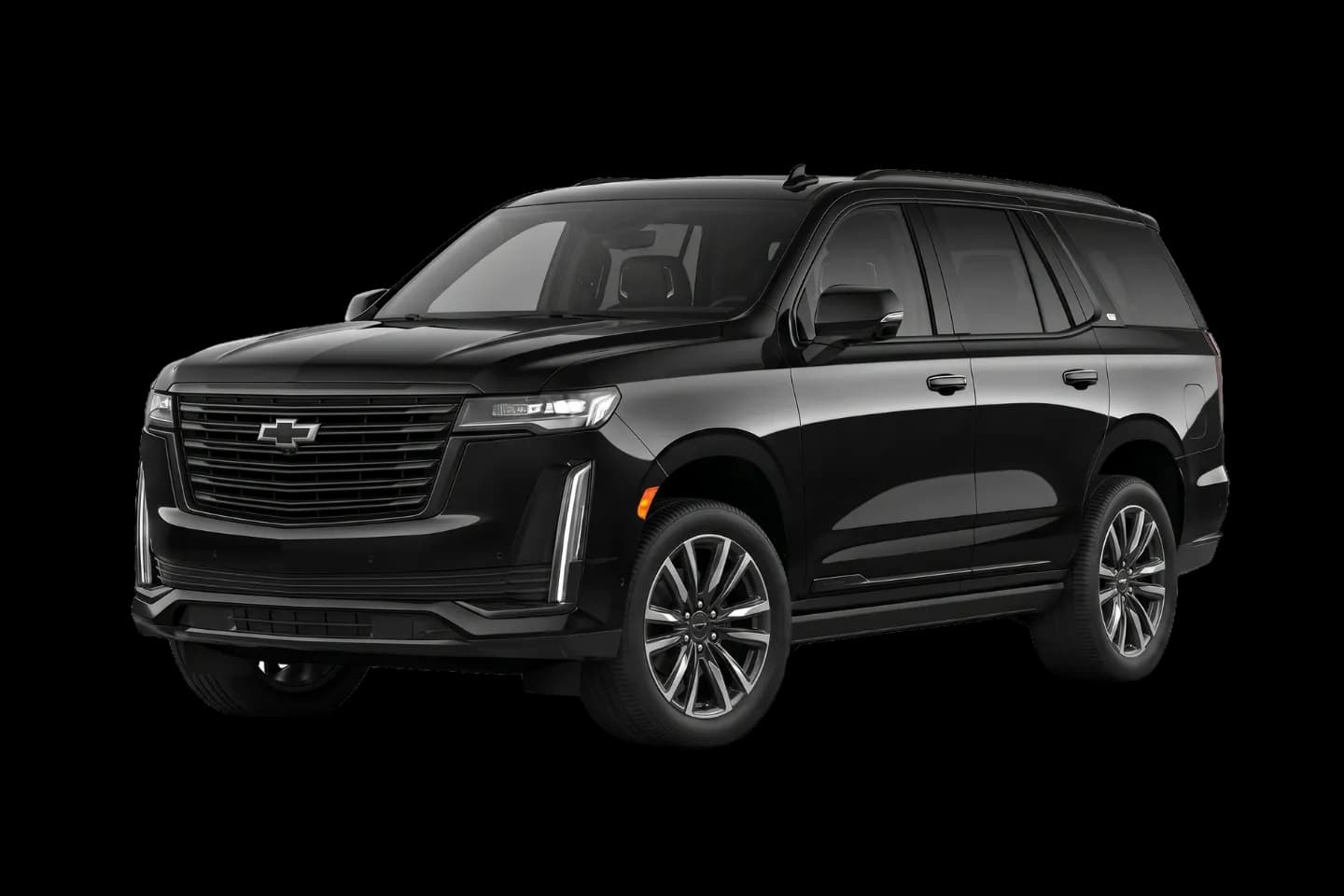
- SUVs seat up to six passengers with luggage. A family of five flying out of JFK from Brooklyn usually pays less for one SUV than for two app cars, and everyone rides together.
- Stretch limousines seat eight to ten passengers. They are booked by the hour for weddings, proms, anniversaries, and Manhattan nights out, and a limo service in New York rental split ten ways often costs less per person than surge priced app rides home from Midtown at 1 am.
- Sprinter vans seat 10 to 14 passengers with a rear luggage area. They are the workhorse for group airport transfers, corporate shuttles, wine tours on the North Fork, and cruise terminal runs, and our Sprinter van service in New York is the usual answer when a group of twelve asks whether three UberXLs are cheaper.
- Party buses seat 20 to 30 passengers with lounge seating, sound systems, and lighting. They are booked by the hour for bachelor and bachelorette parties, birthdays, and brewery crawls across Brooklyn and Queens.
- Mini charter buses seat 24 to 35 passengers with overhead storage. Schools, sports teams, church groups, and companies use them for day trips, conferences at the Javits Center, and shuttles between hotels and venues.
- Full size charter buses seat 50 to 56 passengers with under floor luggage bays and a restroom. Our charter bus service in New York handles university moves, tour groups, casino trips, and out of state travel where a fleet of app cars would be impractical and expensive.
Tips to Pay Less for Any Ride in NYC
- Check the cab meter estimate against the app quote before you hail. A $3.50 per mile meter is easy to estimate in your head.
- Walk a block away from a stadium, arena, or hotel taxi line before opening the app; surge is often set by pickup location.
- Use the JFK flat rate whenever your trip is to or from Manhattan, and take the cab line at the terminal, which is staffed by dispatchers.
- Avoid app pickups at LaGuardia and JFK during peak arrival banks if a cab line is short, because the walk to the app lot and the wait can cost 20 minutes.
- Book airport rides the day before when a fixed rate is available, especially for early morning departures when app supply is thin and surge is common.
- Pay attention to which Manhattan crossing the driver uses. Free bridges save the toll, and a tolled tunnel can add $10 or more to either kind of ride.
- For groups of five or more, price one larger vehicle against multiple app cars, and include the second car's surge, tolls, and tip.
Book a Fixed Price Ride with Union Limousine
We have served New York since 1997 with a fleet that runs from sedans to full size coaches, and every quote we give includes tolls, congestion charges, and the driver's wait time, so there is no surge and no surprise. To compare a fixed rate against your next cab or app fare, request a quote from Union Limousine for any pickup in Manhattan, Brooklyn, Queens, the Bronx, Staten Island, Nassau County, Suffolk County, or at JFK, LaGuardia, and Newark. Enter your route, choose the vehicle that fits your group, and lock in the price before you leave the house.
Conclusion
So, is it cheaper to get a cab or Uber in NYC? In 2026, the yellow cab wins short Manhattan trips, rush hour, late nights, bad weather, and the JFK flat rate, because its meter is regulated and immune to demand. Uber wins long outer borough runs, off peak Newark trips, and suburban trips into Nassau and Suffolk Counties, where the double meter and negotiated flat fares work against the cab. The honest advice from a company that competes with both is to keep both apps on your phone, learn the meter, and know that once your group grows beyond four people or your pickup time matters, a fixed rate chauffeured vehicle is frequently the cheapest ride in New York.