 Account
 Book Now
 Book Now
 Our Fleets
Standing on a Manhattan corner with your arm out while taxi after taxi sails past is a feeling every visitor and plenty of locals know well. The good news is that getting a cab here follows patterns you can read, and once you know them your wait drops from frustrating to quick. We put this guide together from years of moving people around the city, and we will share the one habit that helps most, plus the street level details that separate a five minute wait from a half hour one. For riders who want a guaranteed pickup with a set price, our car service in Manhattan removes the guesswork entirely, though we will start with the street hail skills first.
The Single Best Trick, in One Line
The best trick is simple: read the rooftop light before you raise your arm, and position yourself on an avenue that runs the direction you want to travel. Those two moves, done together, cut most of the wasted waving that makes hailing feel hopeless. Everything else in this guide builds on that foundation, from timing your attempt around the afternoon shift change to knowing which corners near Grand Central and Penn Station keep a steady supply of cabs. Learn the light first, because a wave at a cab that cannot stop is a wave wasted.
How to Read a Yellow Cab Rooftop Light?
Every medallion yellow cab tells you its status from the roof, and a rider who watches the lights from half a block away signals only the cabs that can actually stop. That quiet skill is what marks a local. The roof carries a center panel showing the four digit medallion number, flanked by two side lights.
The Three Light States
- Center number lit, side lights dark: the cab is empty and looking for a fare. Raise your arm.
- All roof lights dark: the cab is occupied. Save your energy and wait for the next one.
- Side lights reading Off Duty lit: the driver is heading to a garage or a shift change and will pass you by.
When only the center panel glows, that driver can pick you up anywhere in the five boroughs. Scan a block ahead so you commit your arm to an available cab, and you will stop flagging taxis that were never going to pull over.
Stand on the Right Avenue, Facing the Right Way
Most Manhattan avenues carry traffic in a single direction. If you want to head downtown, walk to an avenue whose traffic flows south and stand on the curb facing the oncoming cabs. Hailing from a narrow cross street works far less often, because cabs cruise the avenues hunting for fares. A thirty second walk to the nearest avenue, on the correct side, often beats ten minutes of waving on a side street. Along one way pairs such as Park and Lexington, or Eighth and Ninth, pick the avenue going your way and you double your odds in one step.
Time Your Hail Around the Afternoon Shift Change
The hardest window to find an empty cab runs from late afternoon into early evening, roughly four to five in the afternoon on weekdays. Many drivers end their day shift then and head to garages, a large share of them in Long Island City across the river in Queens, so lights flip to Off Duty just as demand climbs.
Why Late Afternoon Is the Worst Window?
Shift handoffs concentrate the exit of hundreds of cabs into the same hour. Office workers spill out at the same time, and the two curves collide. If your plans allow it, aim your trip for before four or after seven, when supply recovers and competition for each cab eases.
The Rain Factor
Rain compresses supply the same way a shift change does, because everyone who would have walked suddenly wants a cab. Research from a New York transit research foundation has long tracked how weather and peak demand reshape street level mobility, and the practical lesson for riders is plain: when the sky opens or the clock hits that late afternoon window, lower your expectations for a quick street hail and keep a backup ready.
Use Taxi Stands at the Big Transit Hubs
When a free cruising cab feels impossible, walk to a managed taxi stand. Grand Central Terminal, Penn Station and the connected Moynihan Train Hall, and the Port Authority Bus Terminal all keep dispatched taxi lines where cabs queue for riders. Major hotels across Midtown run their own stands with a doorman who can flag one for you. These lines move quickly, and they take the timing problem off your plate. If you are staying near Times Square or Hudson Yards, the nearest hotel stand is usually your fastest option during a downpour.
Hailing Apps and Green Boro Taxis
Two tools widen your options when the curb stays empty.
Yellow Cab Apps
Licensed yellow cab hailing apps such as Curb and Arro let you order a real yellow taxi to your exact spot, which helps in quiet pockets of the city and in bad weather. You still pay the metered fare, plus any surcharges that apply, so the cost matches a street hail with the convenience of a known pickup.
Green Boro Taxis Uptown
Above West 110th Street and East 96th Street, and across the outer boroughs, apple green boro taxis accept street hails that yellow cabs rarely serve. Uptown riders in neighborhoods like Harlem and Washington Heights should watch for the green roof. If your afternoon includes a stop at the Morris Jumel Mansion, the oldest house in Manhattan up in Washington Heights, a green cab or a prebooked car is usually the easier catch that far north.
Downtown Corners, Hotels, and Where Cabs Cluster
Below the park, the densest cab supply sits along the big commercial avenues and near the hotel clusters in SoHo, the Financial District, and Chelsea. Step out of a restaurant in the East Village near the Merchant's House Museum and you may wait a while on a quiet block, so walk a few steps to Lafayette or the Bowery where cabs actually flow. Corners just past a red light give a driver room to see you and pull over safely. Avoid the middle of a block, and avoid a bus stop, where a cab cannot legally stop for you.
More Street Smart Habits That Speed Up Your Hail
A handful of smaller habits stack on top of the main trick and shave real minutes off almost any wait. Riders who move through the city every day lean on these without thinking about them, and they hold up whether you are headed to a morning meeting, a matinee, or a late dinner downtown.
- Walk toward your destination while you watch: keep moving along the avenue so a free cab spots you sooner, and you cover ground even before one pulls over.
- Make yourself easy to see: stand where a driver has a clear line to you, away from a parked truck, a news stand, or a crowd waiting at a bus shelter.
- Have your cross streets ready: give the nearest two cross streets, say the avenue and the number, so the driver can map the route the moment you settle in.
- Keep your payment set: every medallion cab accepts cards, so you can pay quickly and keep a busy corner moving for the riders behind you.
- Watch the clock, not the calendar: lunch hours, the end of a Broadway show, and the evening rush each thin the supply, so a short wait earlier in the day pays off.
- Carry a backup plan: save a yellow cab app and our booking number on your phone, and a dry curb in a sudden downpour stops being a problem.
None of these habits replace reading the rooftop light, and together they turn a decent corner into a dependable one. On a clear afternoon away from the shift change, a rider who plays the avenue this way rarely waits long at all. The payoff grows the more you combine them, because a clear position, a readable signal, and good timing all point the same free cab straight at you.
When a Cab Is the Wrong Tool: Book Ahead?
Street hailing works for a casual trip across town. For an airport run with luggage, an early morning flight, a client pickup, or a group heading to an event, a known pickup time and a fixed price beat any rooftop light. We have moved New Yorkers since 1997, and the most common thing riders tell us is that the hour they stopped gambling on a curbside cab was the hour their mornings got calmer. Union Limousine runs a prearranged model where your driver tracks your flight, waits at no extra charge within the included window, and meets you at a set spot. Our chauffeur service in Manhattan covers point to point rides, hourly bookings, and airport transfers, and you can scale the same booking up to a group vehicle when the plan grows.
Our Fleet and Who Each Vehicle Suits
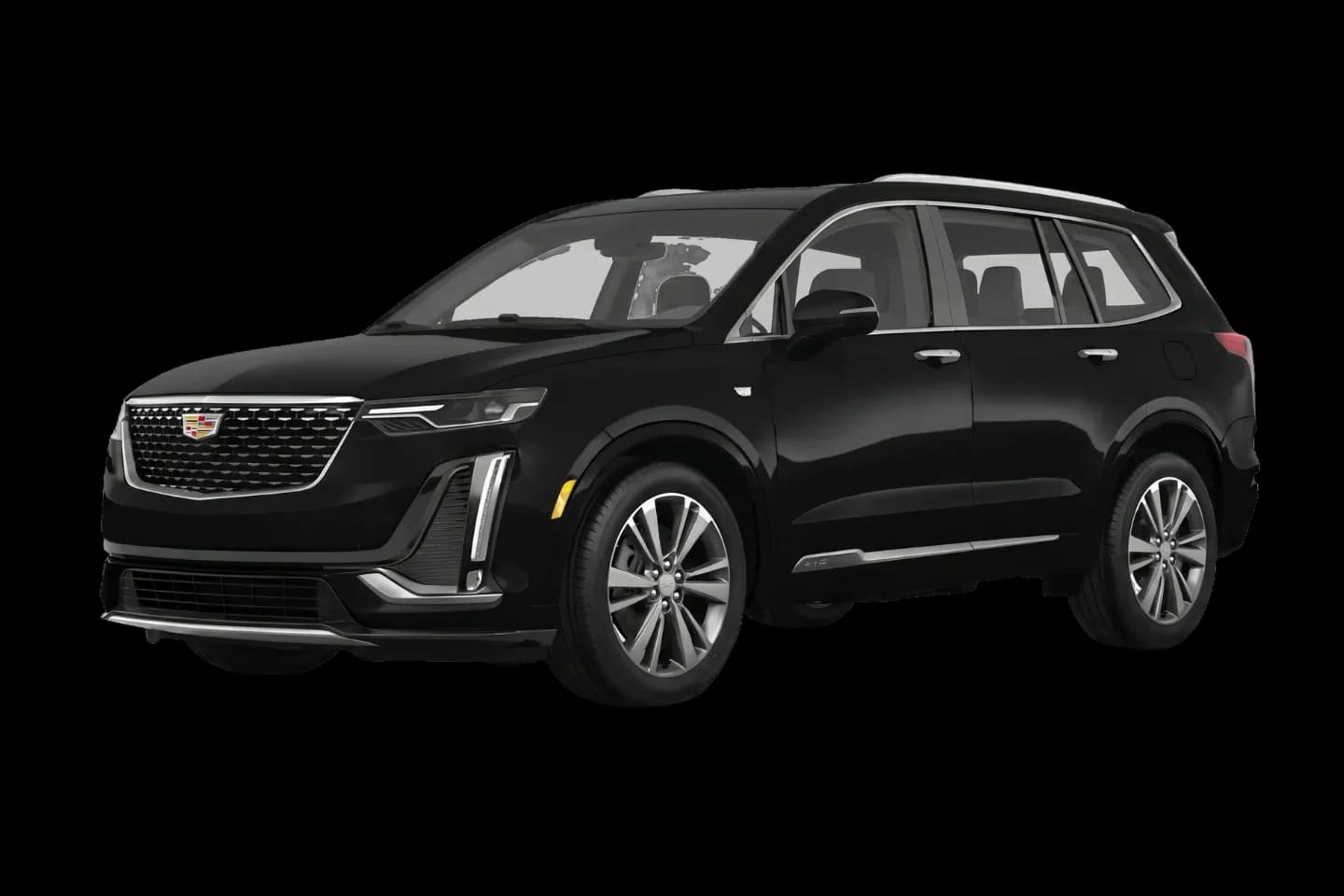
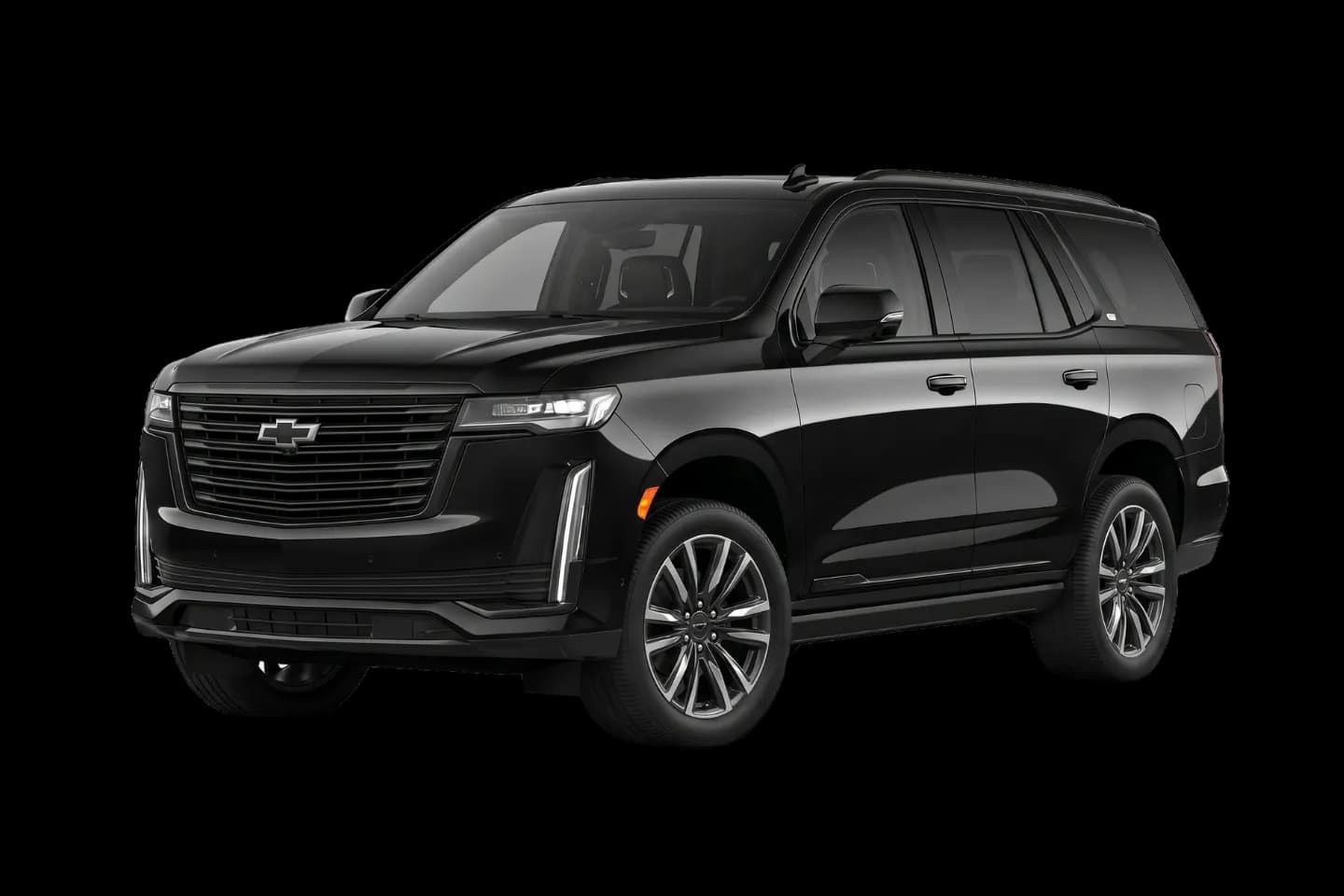
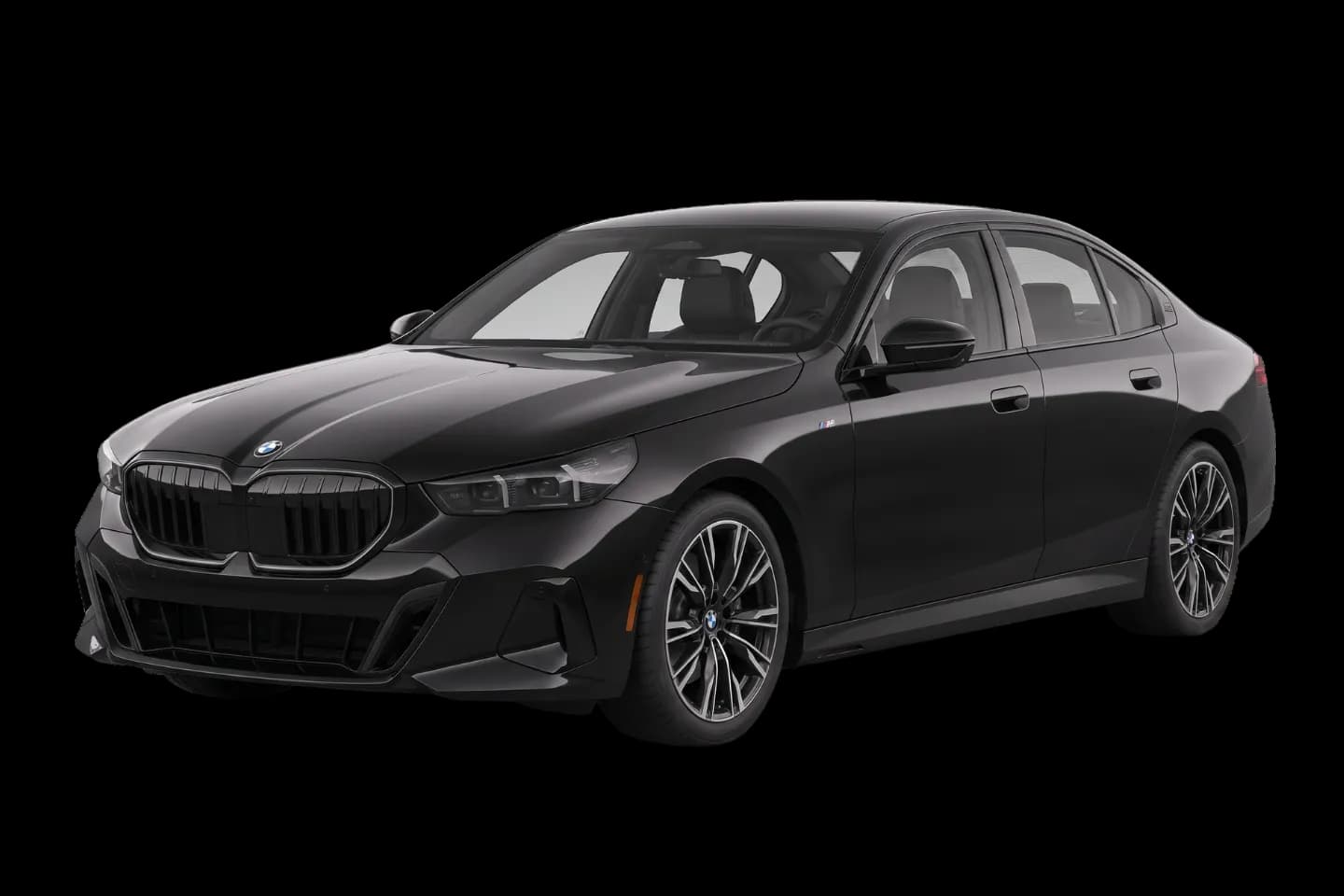
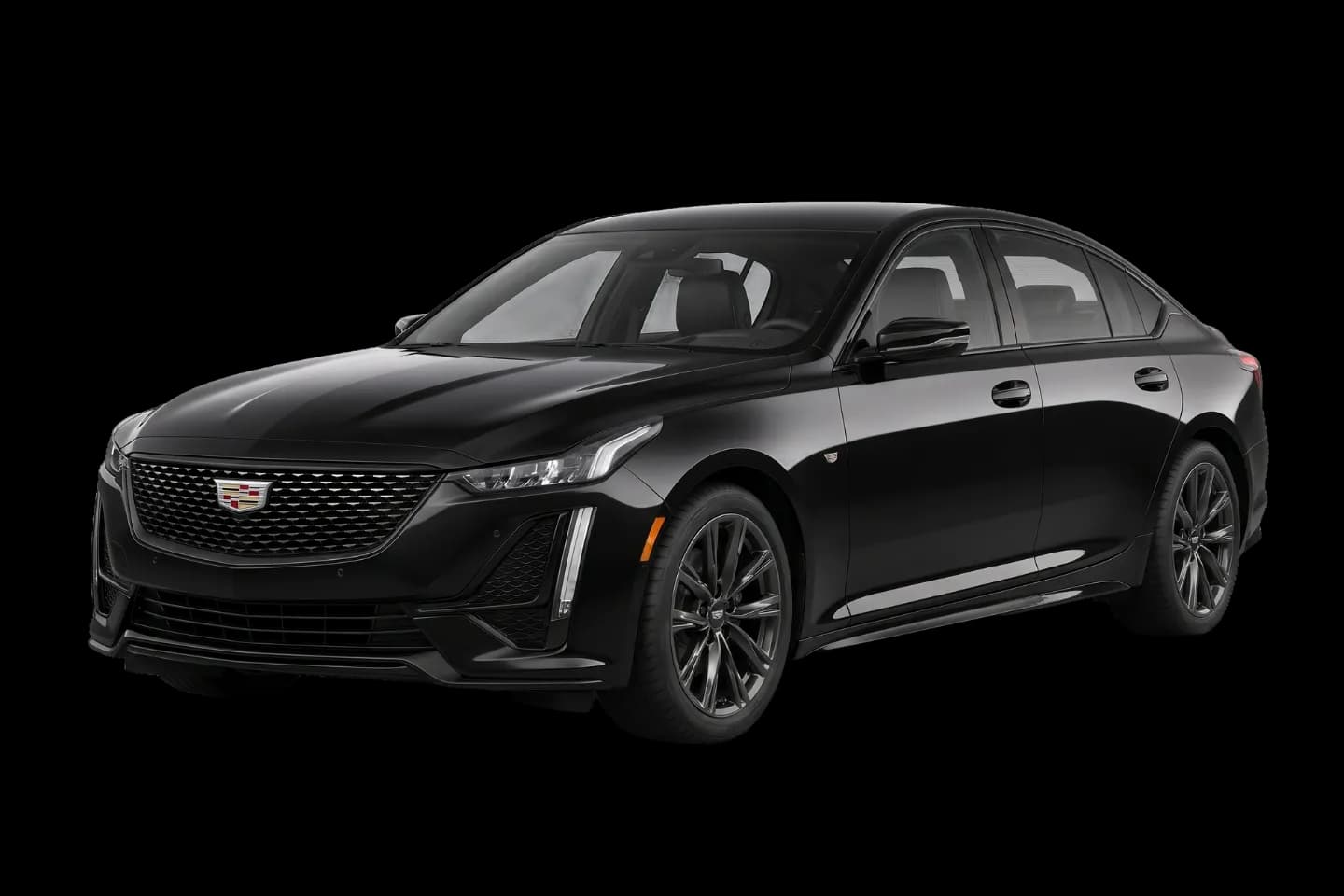
When you book ahead, you also get to pick the right vehicle. Union Limousine keeps a full fleet of vehicles across seven categories, each with a clear capacity range and use case.
Sedans and SUVs
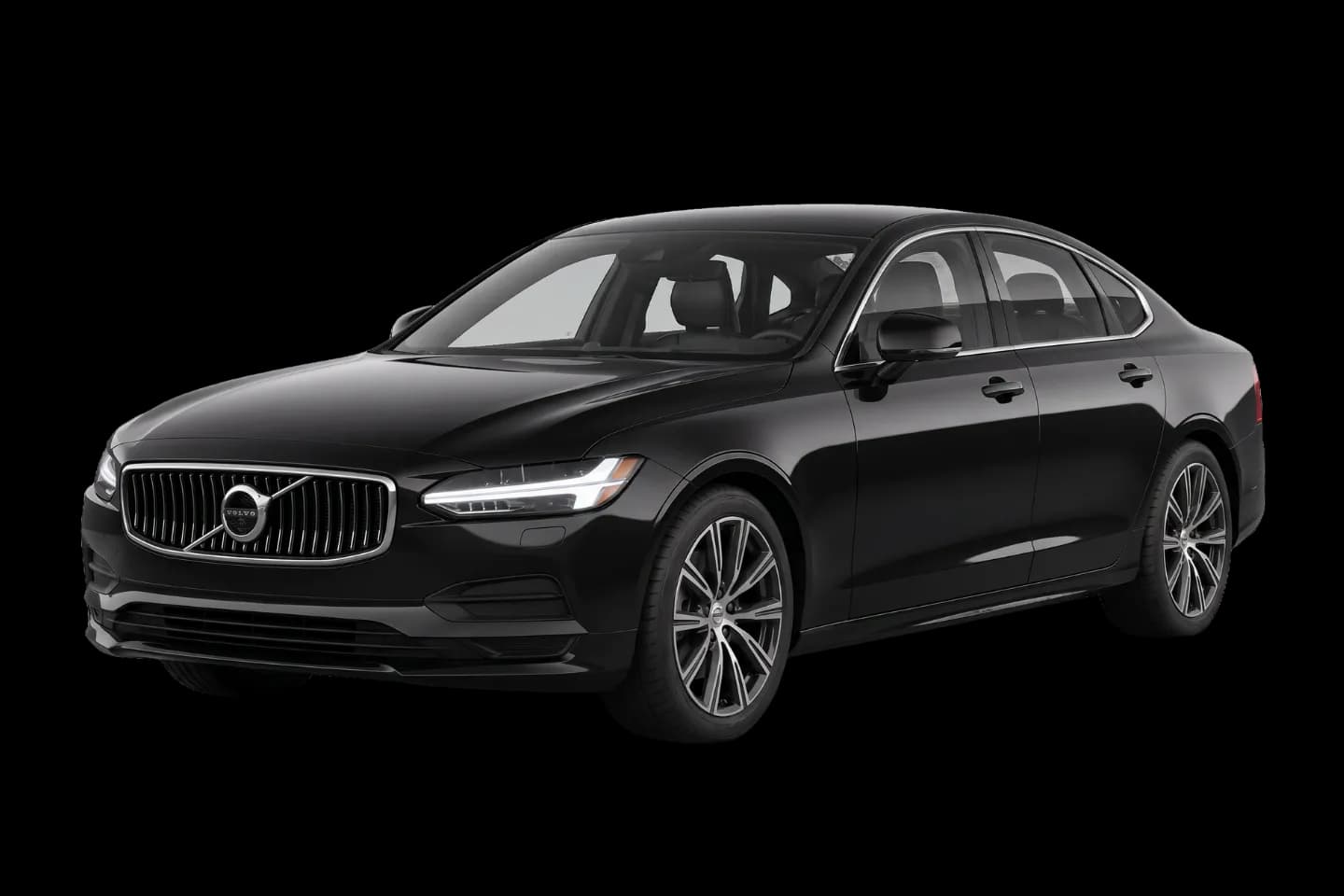
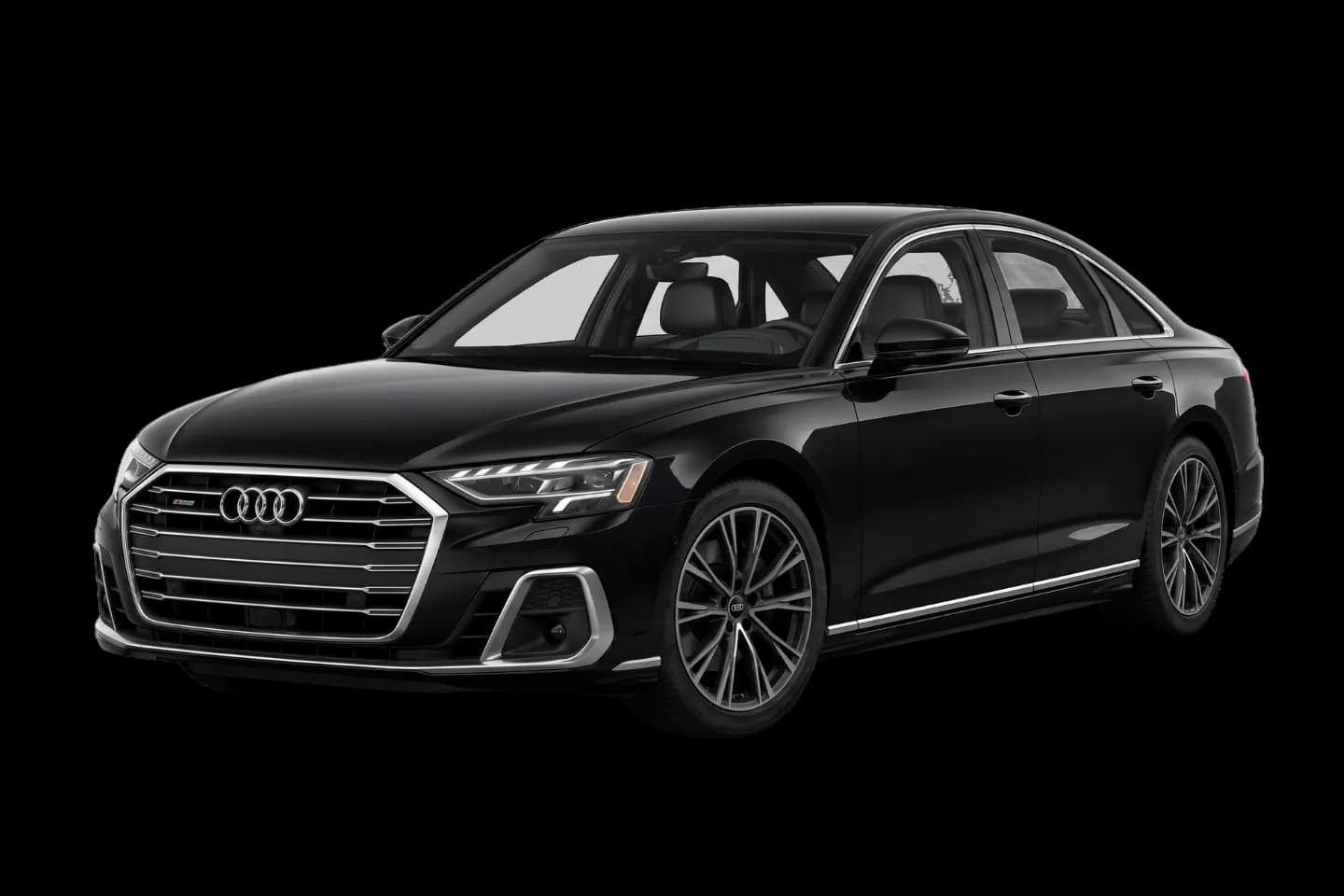
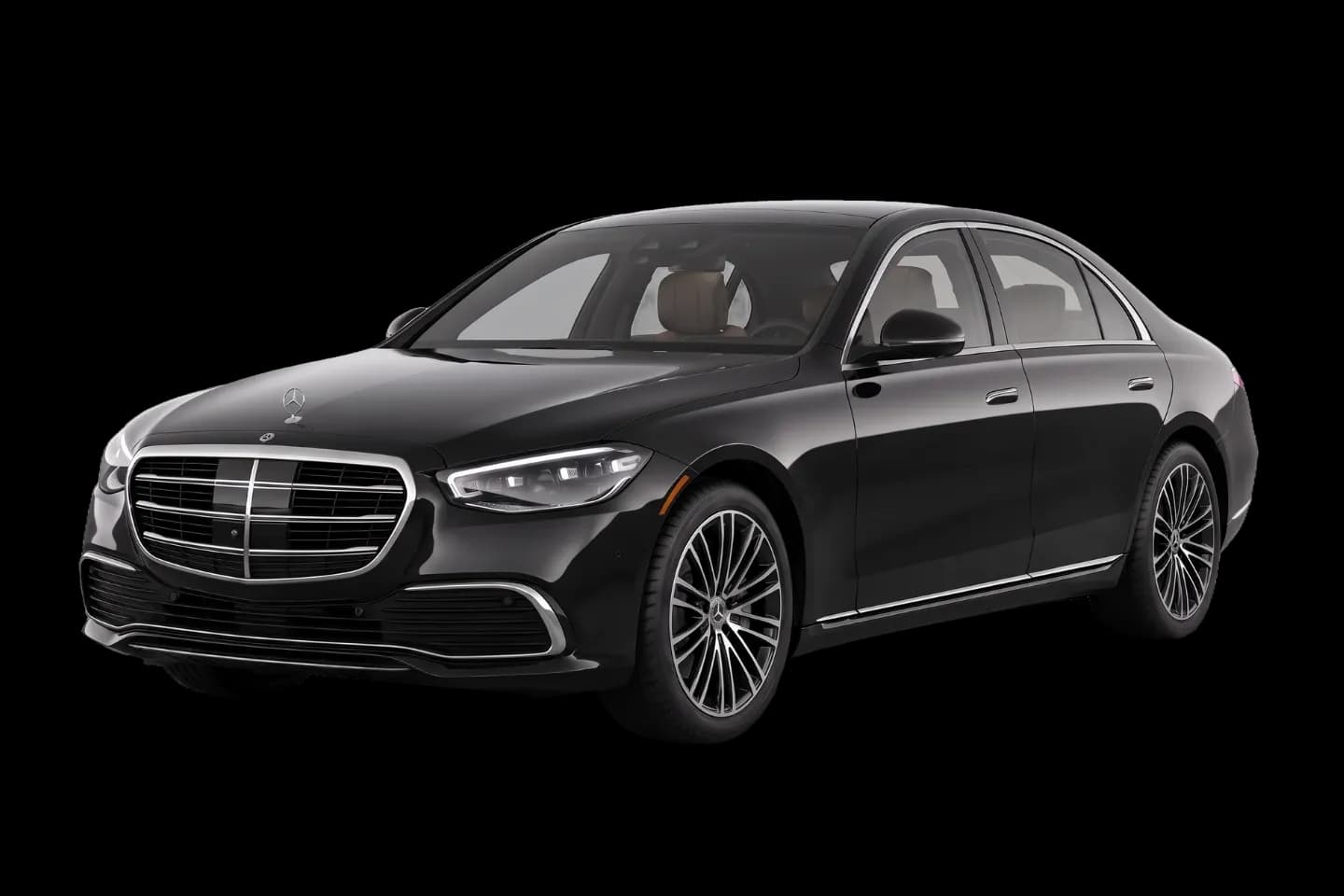
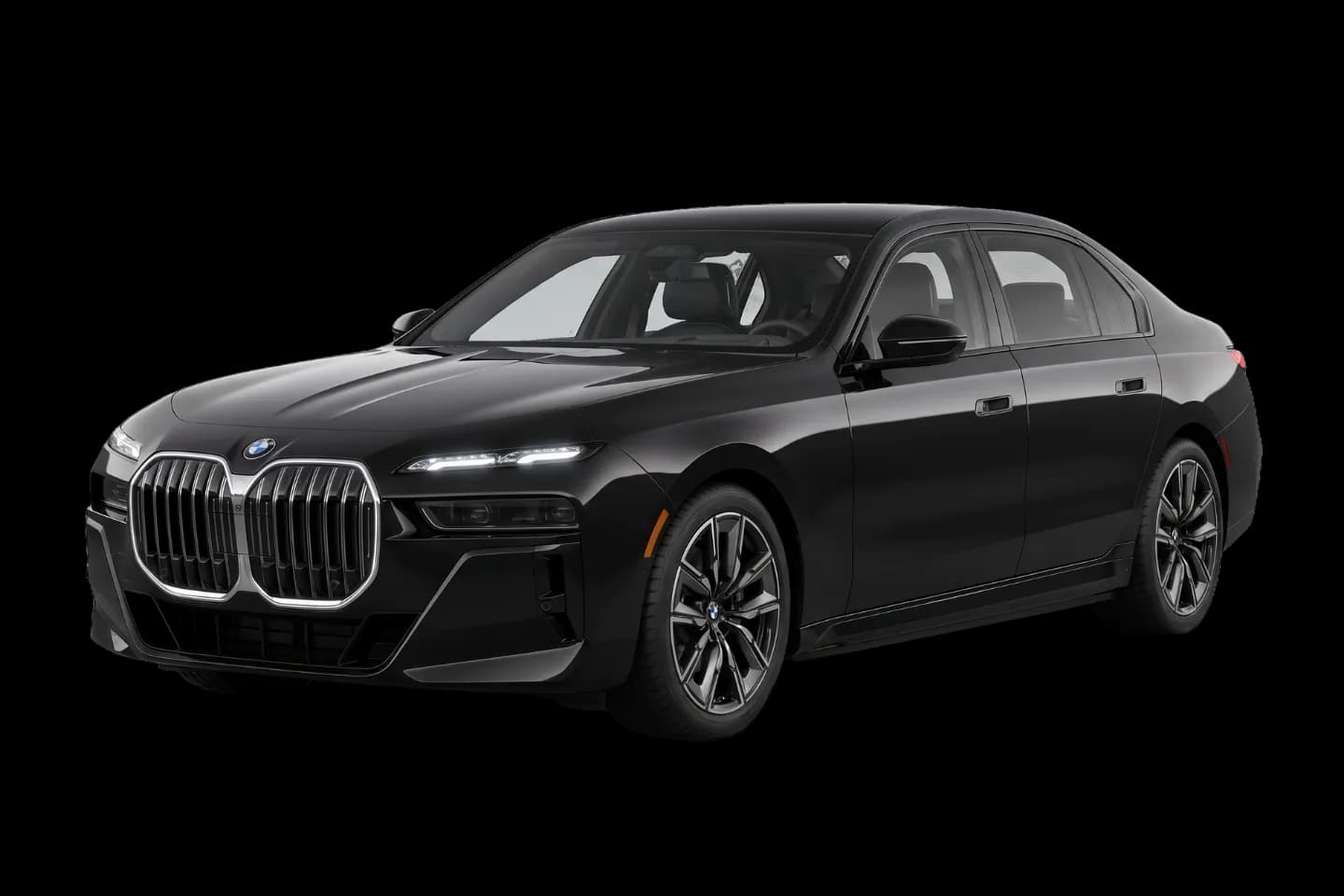
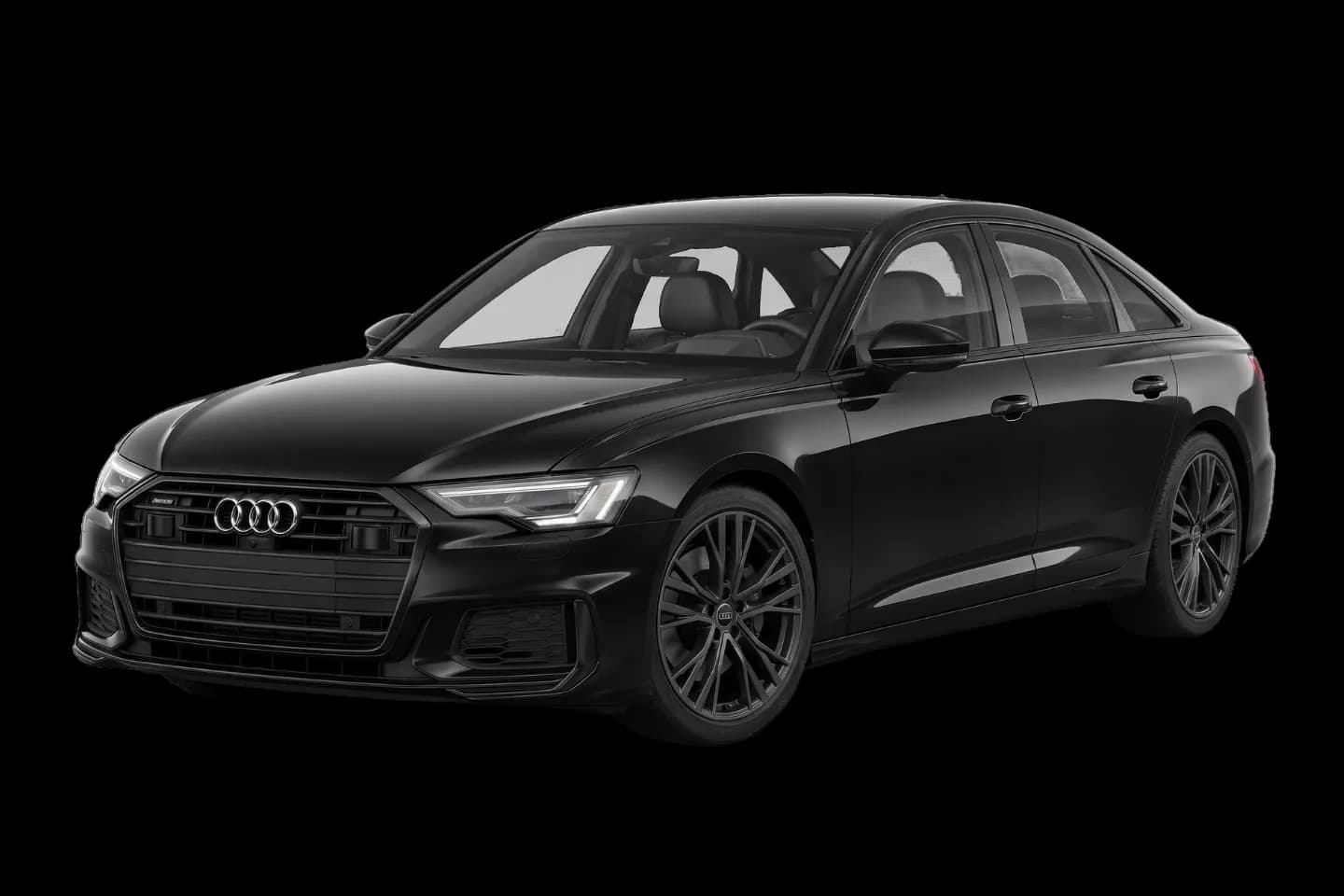
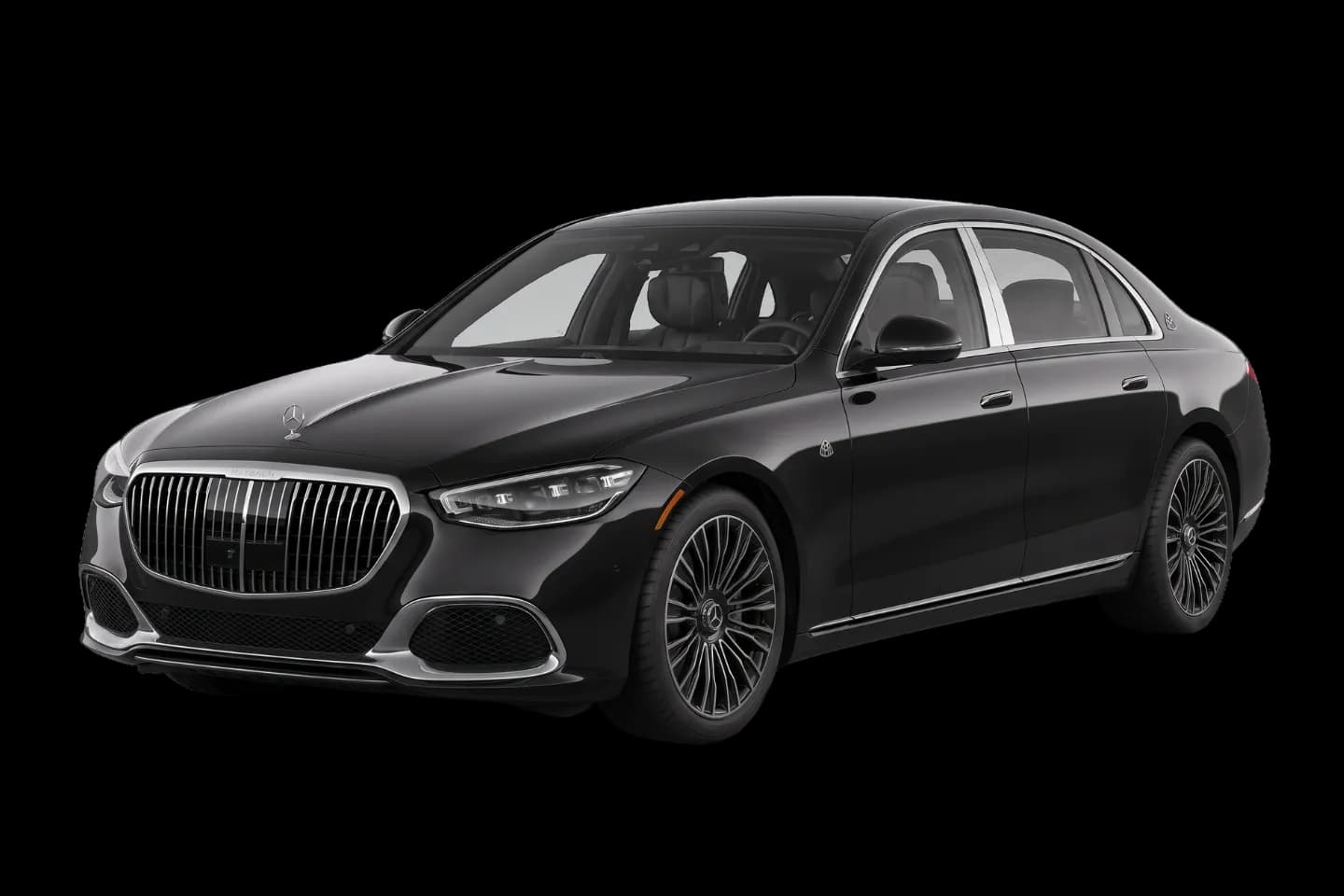
- Sedans (up to 3 passengers): airport transfers, corporate travel, and point to point trips around town. The Mercedes Benz S Class sedan seats three in quiet comfort.
- SUVs (up to 6 passengers): families with luggage and small groups. The Cadillac Escalade SUV handles six riders and a full trunk.
Stretch Limousines and Sprinter Vans
- Stretch limousines (8 to 20 passengers): weddings, proms, and nights out. The Cadillac Escalade stretch limousine carries fourteen in celebration mode.
- Sprinter vans (7 to 14 passengers): group airport runs and corporate shuttles. The executive Sprinter van seats fourteen with room for bags.
Buses for Groups
- Party buses (24 to 44 passengers): birthdays, bachelor and bachelorette nights, and game day groups. Our party bus options turn the ride into part of the event.
- Mini charter buses (around 31 passengers): midsize group tours and conference shuttles. The mini charter bus balances capacity with easy city maneuvering.
- Full size charter buses (around 56 passengers): large weddings, conventions, and long day trips. The full size charter bus moves a big group in one trip.
Manhattan Prices and Airport Routes
Knowing the going rates helps you judge when a cab makes sense and when a booked car wins.
Hourly and Point to Point Rates
A local point to point sedan ride inside Manhattan runs about $50 to $90 with us. Hourly bookings start near $85 to $120 for a sedan, $110 to $160 for an SUV, $140 to $220 for a Sprinter van, $150 to $275 for a stretch limousine, $160 to $300 for a mini charter bus, $180 to $340 for a full size coach, and $200 to $400 for a party bus. Those ranges shift with time of day, traffic, and vehicle, and your quote locks the number before the wheels turn.
Flat Airport Rates
Union Limousine holds flat one way airport rates so the meter never surprises you. From Manhattan, our car service from JFK holds a sedan near $85 to $150, an SUV $110 to $190, and a Sprinter van $160 to $260. Our car service from LaGuardia plans a sedan near $70 to $120, an SUV $95 to $155, and a Sprinter van $150 to $240. For Newark Airport car service, figure about $95 to $170 for a sedan, $120 to $200 for an SUV, and $170 to $270 for a Sprinter van. Our airport car service tracks every flight, so a ride from the the Upper East Side that meets a delayed arrival costs you nothing extra.
Route Details and Timing
Route details drive your timing. JFK sits about fifteen miles out, a forty five to sixty minute drive in normal traffic. LaGuardia is the closest major airport at roughly eight miles and twenty to forty minutes off peak. Newark lies about sixteen to eighteen miles away through New Jersey, where tunnel traffic can stretch the trip past an hour.
Tolls You Should Expect
Tolls factor in too. The Queens Midtown Tunnel runs $7.46 with a New York EZ Pass and $12.03 by mail as of early 2026, while the Ed Koch Queensboro Bridge stays toll free. Newark trips cross the Lincoln or Holland tunnels, where the Port Authority peak EZ Pass toll reached $16.79 in 2026, with higher pricing for drivers paying by mail.
Congestion Relief Zone Charges
Since January 2025, the Congestion Relief Zone has covered Manhattan at and below 60th Street. A private car pays about $9 at peak with an EZ Pass, taxis and black cars add $0.75 per trip, and app based rides add $1.50 per trip. We build these charges into your quote, so the number you see is the number you pay.
What Makes a Ride Safe and Reliable?
A cab and a booked car both operate under New York rules, and knowing them helps you choose with confidence. The New York City Taxi and Limousine Commission licenses yellow cabs, green boro taxis, and for hire vehicles, and every driver clears fingerprinting, a background check, a drug test, and a defensive driving course. Drivers of larger passenger vehicles also meet New York State Article 19A standards, and our interstate charter trips follow Federal Motor Carrier Safety Administration rules. Coverage for for hire drivers flows through the New York Black Car Fund, whose surcharge sits at 2.25 percent in 2026. The 2018 Schoharie limousine crash reshaped how the state oversees stretch vehicles, and we treat those lessons as the floor for maintenance and inspection. When you book our limousine service in New York, Sprinter van service in New York, or charter bus service in New York, the same licensing and safety checks apply to every trip.
Where We Pick Up and Drop Off?
Manhattan is the busiest part of our map, though plenty of rides begin or end across the river or out on Long Island. When your morning starts in an outer borough and finishes at a terminal gate, a prebooked car clears the borough to borough hailing problem entirely, because your driver is assigned the moment you book. Our car service in New York reaches every borough and the surrounding counties, so one company covers the Manhattan leg, the airport run, and the ride home with no handoff in between. On a flight day that begins well outside the city, our airport chauffeur service tracks the schedule and meets you on time wherever the trip starts.
Ready to Ride Without the Wait
The best trick for a cab works most days, and now you have the full set: read the light, pick the right avenue, dodge the late afternoon shift change, and lean on a taxi stand when the curb goes quiet. For the trips that cannot wait on luck, booking ahead is the surer path. Reserve a ride with Union Limousine online or by phone, pick your vehicle, and your driver will be waiting at the time and place you set. Our chauffeur service runs around the clock across the city and the airports, so your next pickup in Manhattan is one quick booking away.
More to read: our guides on how to catch a taxi to the airport in NYC, the best taxi services in New York City, and is it easy to get a taxi at JFK Airport.